
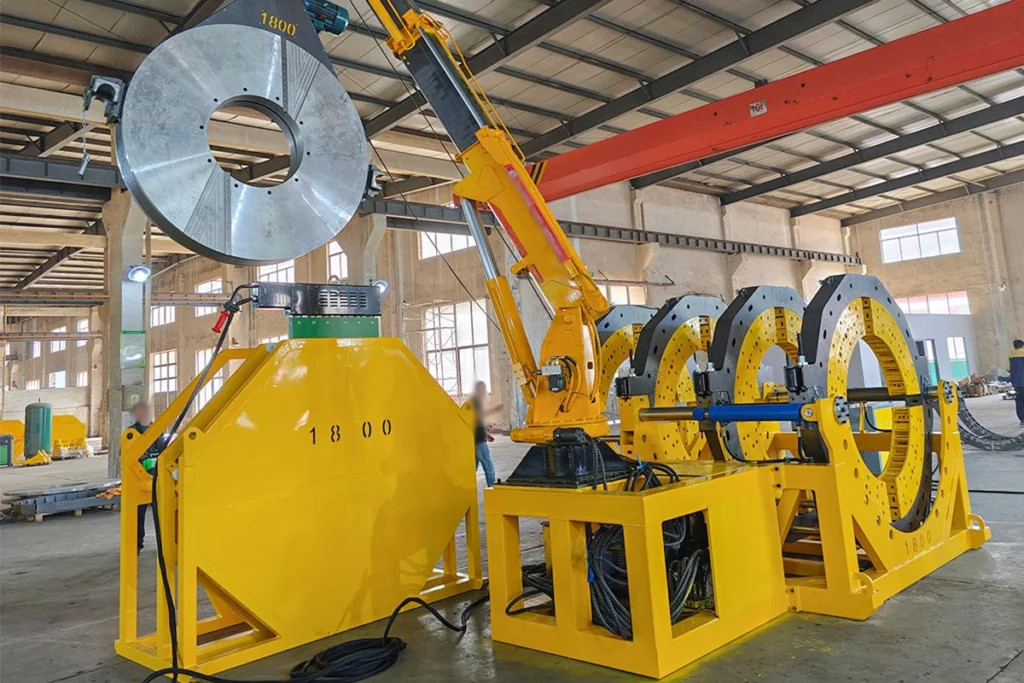
Choosing the right butt fusion welder supplier in Saudi Arabia is a critical decision for contractors, utilities, and oil & gas teams working with HDPE pipelines. The right partner delivers machines that perform reliably in hot climates, meet local standards, and provide fast support across major regions such as Riyadh, Jeddah, and the Eastern Province.
Understand Saudi Project Needs
Saudi projects vary from municipal water networks and irrigation systems to large oil, gas, and industrial pipelines. Consider the working environment: extreme summer temperatures, remote desert sites, and the need for rugged equipment that tolerates dust and high loads. Local projects often require compliance with SASO and client-specific standards (for example, Aramco or major EPC contractors), so equipment certification and traceability matter.
Who Should Read This
Procurement managers, site supervisors, and pipeline engineers in Saudi Arabia will find this guide useful when evaluating vendors for:
-
Municipal water & sewage pipeline installation
-
Gas distribution and industrial piping
-
Oilfield HDPE solutions and temporary/refurbishment works
Top Criteria to Evaluate Suppliers
When assessing a butt fusion welder supplier, score them against these practical criteria:
-
Product Range: Do they offer manual, hydraulic, and CNC automatic machines that cover the pipe diameters you need (small to large)?
-
Quality & Certification: Are machines manufactured under quality systems and backed by inspection reports, calibration certificates, or third-party testing?
-
Local Support & Spare Parts: Can the supplier provide timely spare parts and technical service in Saudi Arabia, or through a regional partner?
-
Training & Documentation: Is operator training, welding procedure documentation, and on-site commissioning available?
-
Warranty & After-Sales: Clear warranty terms and a responsive service network reduce downtime on critical projects.
-
Logistics & Delivery: Supplier experience exporting to Middle East ports (Jeddah, Dammam, Jubail) shortens lead times.
Quick Comparison Table
| Machine Type | Typical Pipe Range | Best For |
|---|---|---|
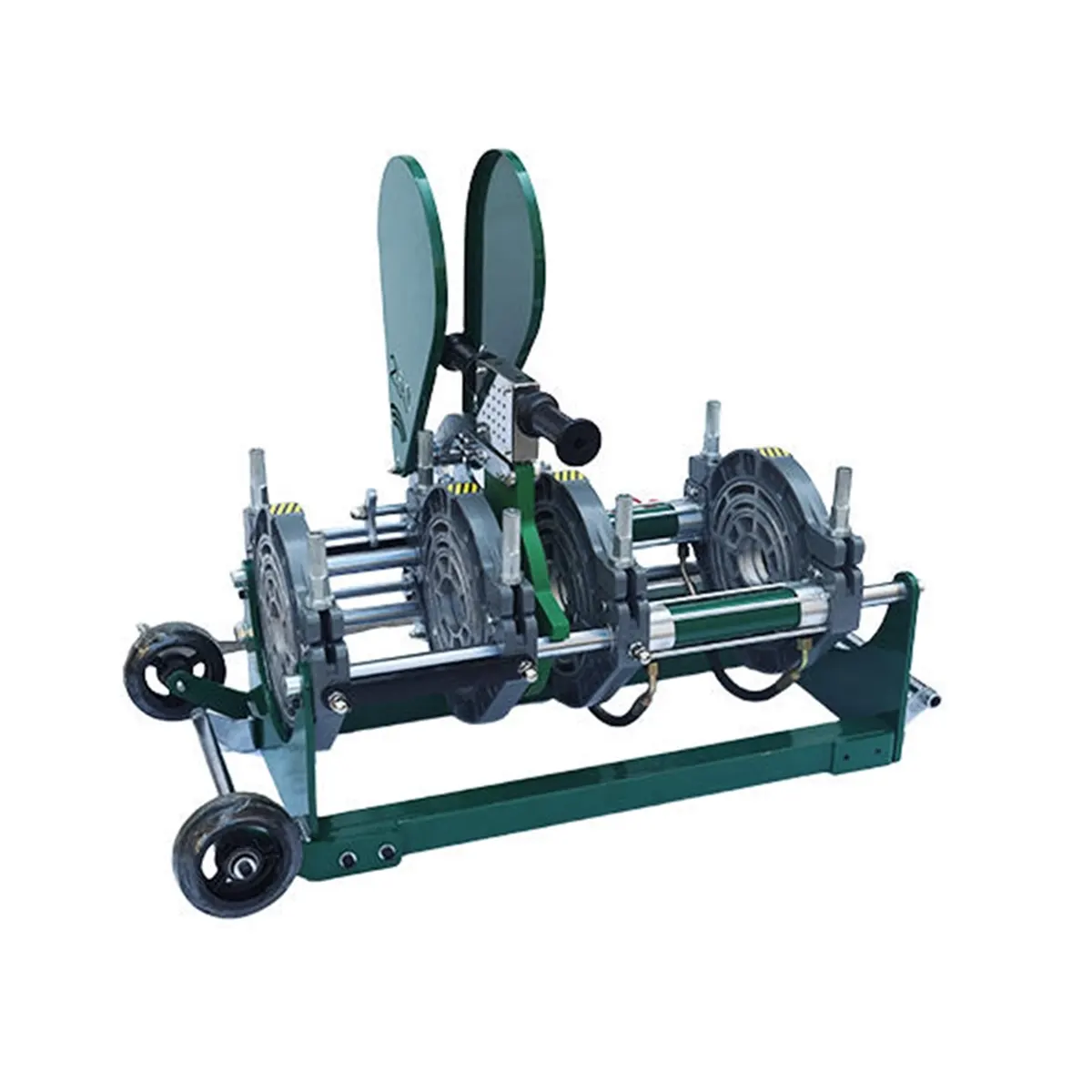
| Manual Butt Fusion | 20mm – 630mm | Small crews, tight budgets, on-site flexibility |
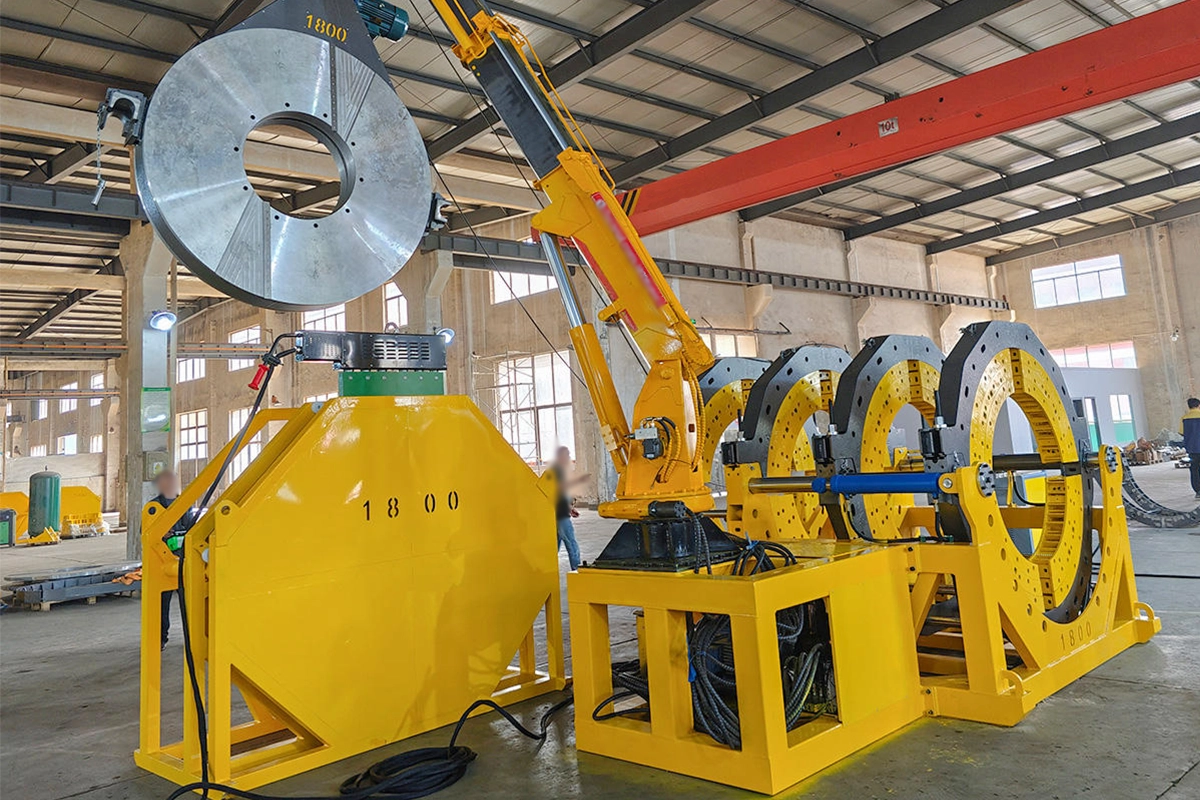
| Hydraulic Butt Fusion | 63mm – 2250mm | Medium–large diameter pipelines, higher productivity |
| CNC Automatic Butt Fusion | 63mm – 1250mm+ | High-volume, accuracy-focused projects |
Questions to Ask Before You Buy
Before placing an order, request clear answers on:
-
Lead time to Saudi Arabia and shipping route options.
-
Availability of local service agents or authorized distributors.
-
Training offerings and whether operator manuals are in English and Arabic.
-
Extended warranty packages and consumables availability.
Field Considerations for Saudi Sites
High ambient temperatures require machines with robust thermal management and durable hydraulic systems. Dust- and sand-resistant components, easy-to-clean heating plates, and on-site calibration tools improve reliability. For desert or offshore projects, prioritize suppliers that provide protective packaging and clear customs documentation for smooth clearance at Saudi ports.
One Trusted Manufacturer
JQ-Fusion offers a wide range of HDPE pipe welding machines — manual, hydraulic, and CNC automatic — designed for global infrastructure projects, with options suited to Saudi Arabia’s diverse pipeline needs. Visit their site for model details and support options: https://jq-fusionwelding.com/
Final Procurement Tips
Prioritize suppliers who combine certified equipment, local serviceability, and proven project references in the Middle East. A small premium for reliable support and fast spare parts can save large amounts in downtime and rework. Evaluate total cost of ownership, not just initial price.
If you need specific model recommendations or a checklist to evaluate quotes, prepare technical questions up front (pipe material and SDRs, daily fusion targets, crew skill level) and align supplier responses with project timelines.



