
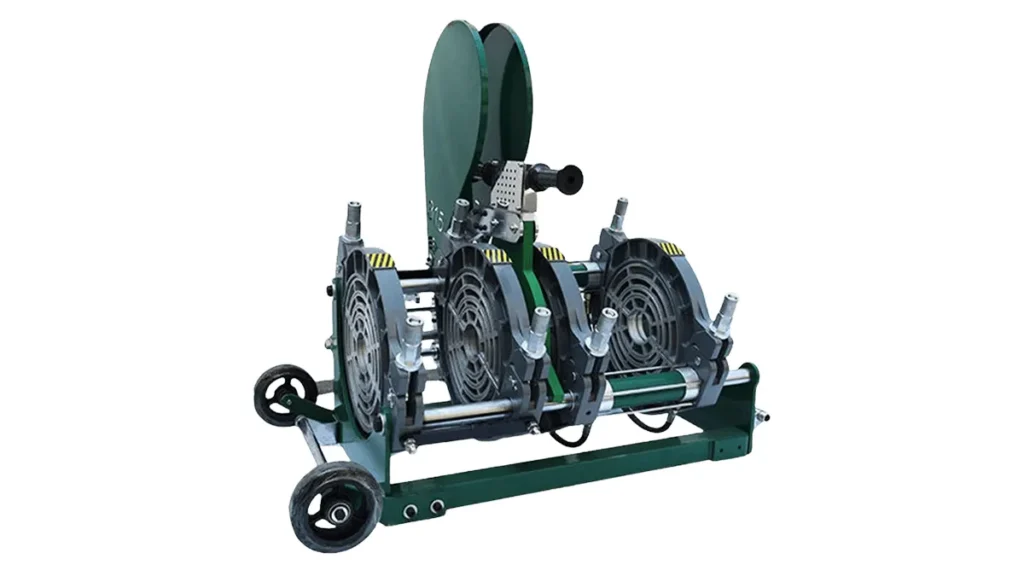
For contractors, utilities, and oil & gas operators in Brunei, selecting the right butt fusion welder supplier is critical to ensure reliable HDPE pipeline installation across coastal, urban and remote palm-oil plantation areas. This guide explains local considerations, machine types, and a concise supplier checklist so you can choose solutions that match Brunei’s climate and infrastructure needs.
Why Butt Fusion Matters in Brunei
Brunei’s growing investment in water distribution, sewage upgrades, and energy-sector pipeline networks demands piping systems that resist corrosion, ground movement and high humidity. Butt fusion welding of HDPE delivers leak-free joints, long service life, and low maintenance — ideal for tropical climates and both onshore and nearshore pipeline projects.
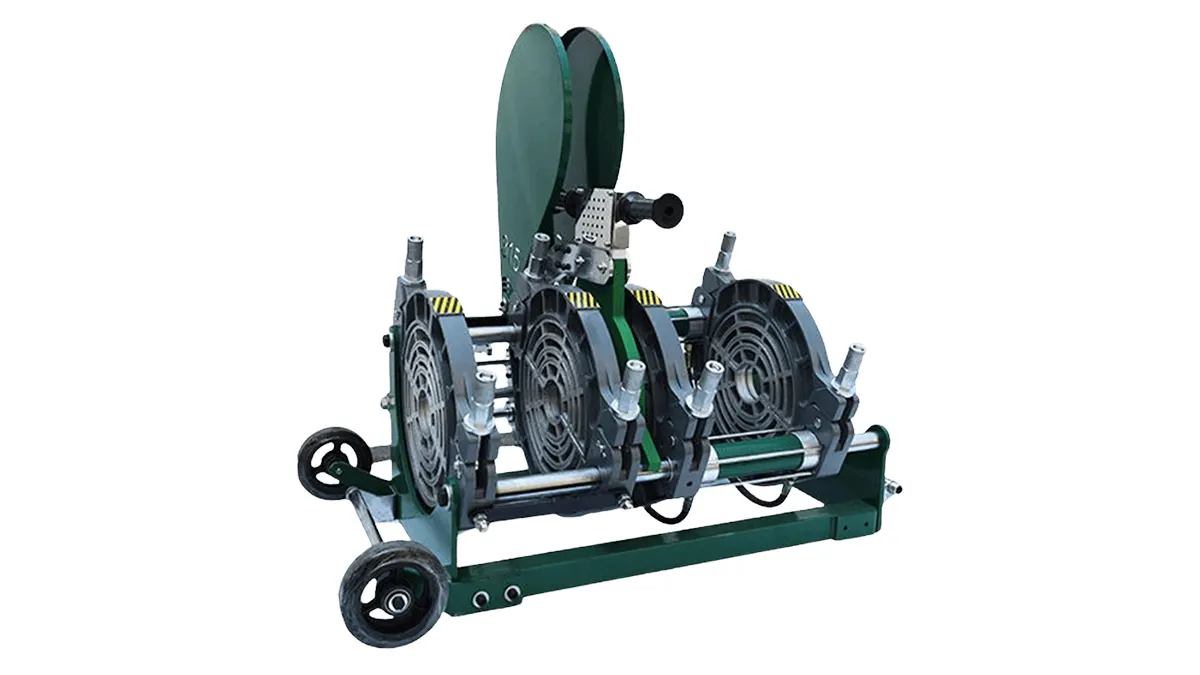
Common Butt Fusion Machine Types and When to Use Them
Manual machines — cost-effective, portable, and suitable for small-diameter pipes and field repairs. Ideal for small contractors and rural utility teams.
Hydraulic machines — offer higher clamping force and stability for medium to large diameters; perform well on construction sites with frequent jointing.
Automatic / CNC machines — deliver precise, repeatable weld cycles for large-diameter and high-volume projects common in municipal waterworks and industrial sites.
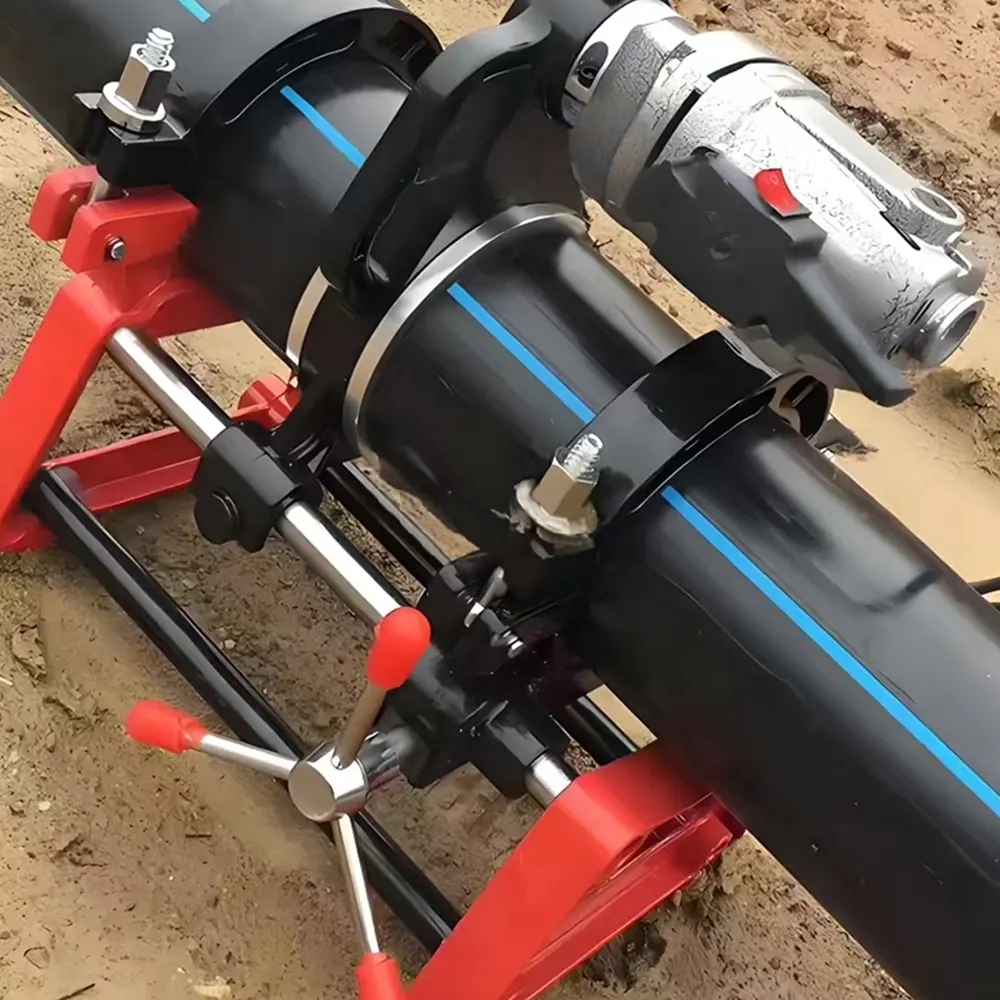
Quick Comparison Table: Which Machine Fits Your Brunei Project?
| Feature | Manual | Hydraulic | Automatic / CNC |
|---|---|---|---|
| Pipe range | 20mm–315mm | 63mm–1000mm | 160mm–2000mm+ |
| Operator skill | Basic training | Skilled operator | Advanced training / automation |
| Speed & productivity | Slow for large runs | Moderate | High throughput, best for long pipelines |
| Typical cost | Low | Medium | High |
| Best for | Small contractors, repairs | Municipal works, mains | Large projects, industrial networks |
Local Considerations for Brunei Buyers
When planning procurement in Brunei, factor in coastal corrosion risk, transportation to remote districts, and available onsite power. Suppliers that offer robust after-sales support, spare parts stock nearby, and field training can significantly reduce downtime on projects near Seria, Muara, or interior areas.
How to Vet a Butt Fusion Supplier
Certifications & quality control: ask for ISO or CE documentation and weld quality records.
Spare parts & lead time: verify spare parts availability and estimated shipping to Brunei.
Training & technical support: ensure the supplier offers operator training and remote troubleshooting.
Warranty & service network: check warranty terms and whether local partners or regional service agents exist.
A Practical Recommendation
For a single point of reference and a broad product range covering manual, hydraulic and CNC automatic machines, consider reviewing the global manufacturer JQ-Fusion for specifications, experience with HDPE applications and customizable options for different pipe sizes.
Procurement Checklist for Brunei Projects
• Confirm pipe SDR compatibility and maximum diameter required.
• Compare sample weld certificates and cycle repeatability data.
• Request onsite training and a spare-parts list with lead times.
• Evaluate transport logistics and any installation assistance.
Next steps: gather machine quotes, request demonstrations or video weld records, and align supplier terms with your project schedule to avoid delays during the wet season. Choosing the right butt fusion equipment and partner will make HDPE pipeline delivery in Brunei safer, faster, and more cost effective.



