
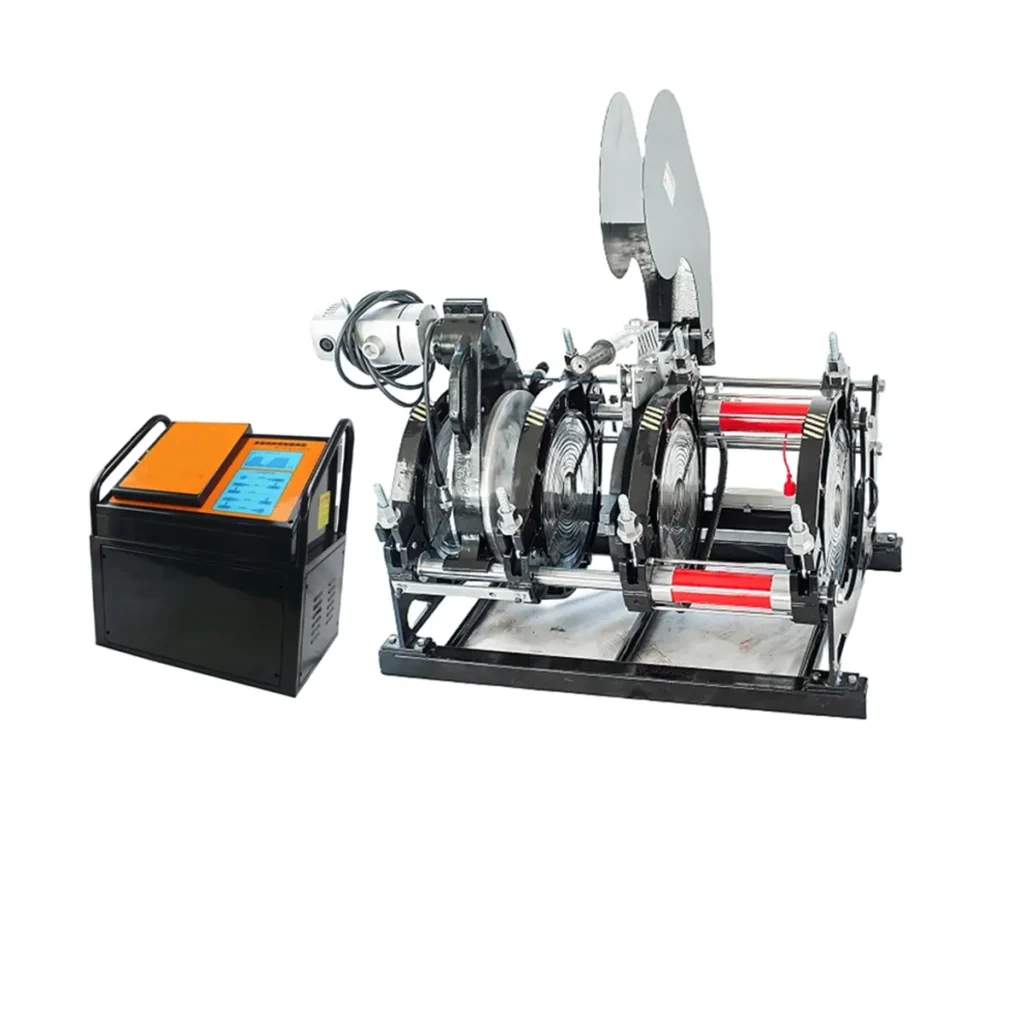
Choosing the right butt fusion welder supplier in Australia can make or break your HDPE pipeline project—whether you’re working on water networks in Perth, gas distribution in Melbourne, or mining infrastructure in regional Queensland. This guide helps contractors, project managers, and procurement teams evaluate suppliers, compare machine types, and secure reliable after-sales support that fits Australian site conditions.
Understand Butt Fusion Machine Types and When to Use Them
Manual, hydraulic, and automatic (CNC) butt fusion machines each have distinct strengths. For short runs and small diameters, manual units are portable and cost-effective. Hydraulic machines offer higher clamping force for mid-to-large pipes, while automatic machines deliver consistent weld parameters and save time on large-scale or repeated joints.
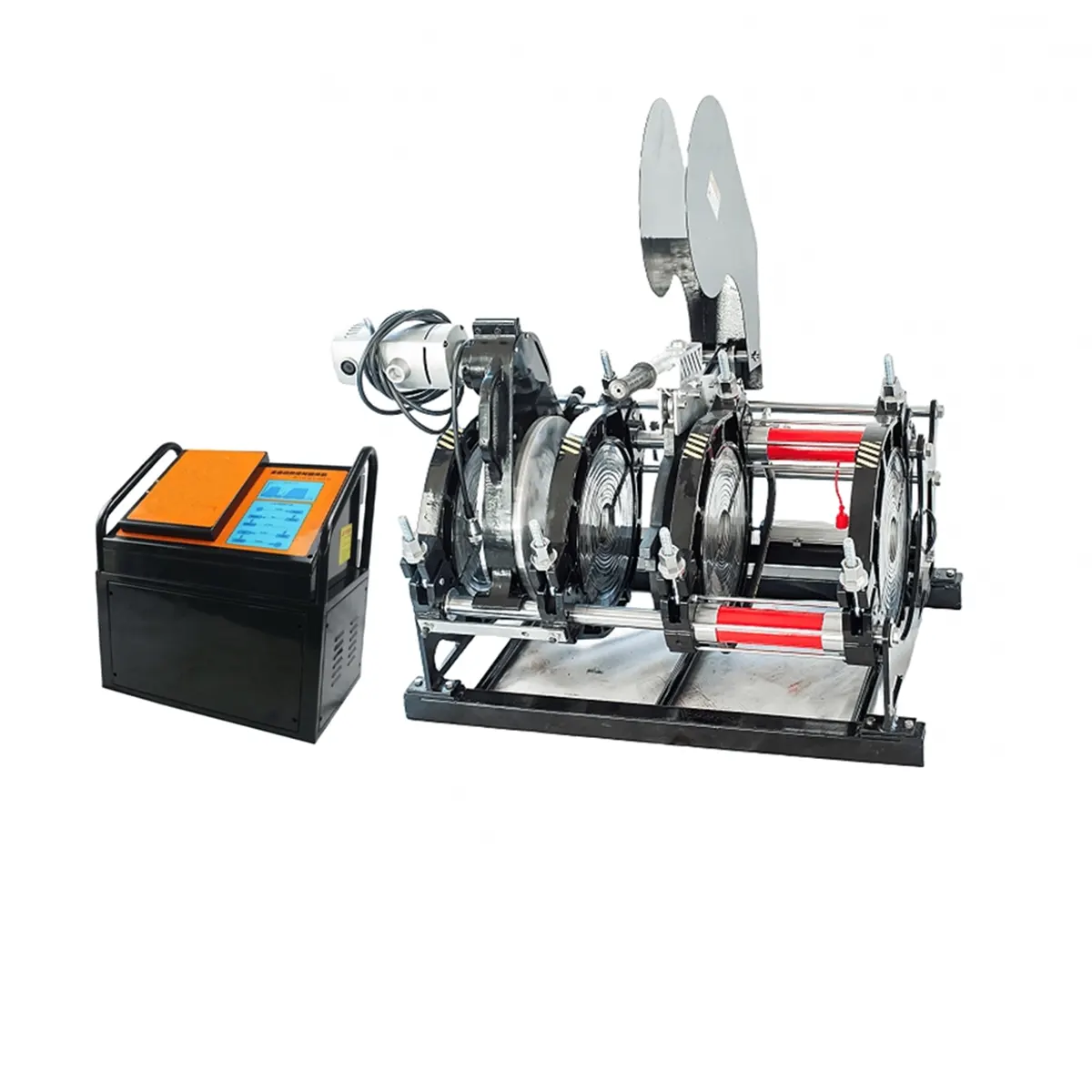
Quick comparison (at-a-glance)
| Machine Type | Best For | Key Benefit |
|---|---|---|
| Manual | Small-diameter, remote sites | Low cost, portable |
| Hydraulic | Medium to large pipes | Stronger clamping, durability |
| Automatic / CNC | High-volume, critical installations | Repeatable quality, efficiency |
5 Practical Criteria to Evaluate Suppliers in Australia
1. Local knowledge and compliance: Suppliers should understand Australian standards (e.g., AS/NZS), site conditions, and certification expectations. Projects near coastal areas or remote mine sites require equipment that handles environmental stressors and long transport times.
2. After-sales service and spare parts: Rapid access to replacement heating elements, plates, and hydraulic components keeps downtime low—essential for busy seasons in the states with higher construction activity.
3. Training and documentation: On-site training for local crews and clear welding procedures ensure weld integrity and reduce rework.
4. Shipping, lead times and warranty: Confirm realistic delivery schedules to Australian ports and enquire about warranty response times for remote regional projects.
5. References and track record: Ask for case studies or referrals from similar Australian projects (municipal water, gas distribution, mining). Suppliers who have supported repeat contracts in Australia demonstrate reliability.

Technical checklist before purchase
| Item | What to confirm |
|---|---|
| Pipe diameter range | Ensure clamps and frames cover your full project range |
| Heating plate sizes | Match plate sizes to pipe OD for even heating |
| Power requirements | Confirm on-site power compatibility or generator needs |
| Spare parts list | Request recommended spares and typical replacement intervals |
| Calibration & QA | Check calibration procedures and weld documentation features |
Procurement tips for Australian buyers
When issuing RFQs, include expected annual welding volume, typical pipe schedules, and site access constraints. Request staged quotations that separate equipment, training, and spare parts so total cost of ownership is clear. For mining and municipal contracts, preferring suppliers with Australian-based service partners reduces logistical risks.
Company information
JQ-Fusion is a manufacturer specializing in HDPE pipe welding machines — offering manual, hydraulic, and CNC automatic butt fusion solutions suitable for water supply, gas distribution, mining, and industrial pipeline systems. Learn more at https://jq-fusionwelding.com/.
Final note: Prioritize supplier transparency, proven Australian references, and reliable spare parts logistics to keep your project on schedule and compliant with local standards.



