
Finding a trusted butt fusion machine wholesaler for global projects is a critical step for contractors, distributors, and pipeline engineers. This guide shows where to find reliable suppliers, how to evaluate quality and certifications, and practical ways to compare prices across markets — helping procurement teams make smart, cost-effective decisions.
Why a Global Wholesaler Matters
Working with a reputable wholesaler simplifies logistics, warranty support, and spare parts access when deploying HDPE pipe welding equipment across regions. A global wholesaler typically offers:
- Consistent product standards and traceable quality control.
- Volume pricing that lowers unit cost for fleets of machines.
- Regional distribution networks to reduce lead times.
Top Channels to Find Reliable Suppliers
Search where buyers and technical buyers look first. Recommended channels include:
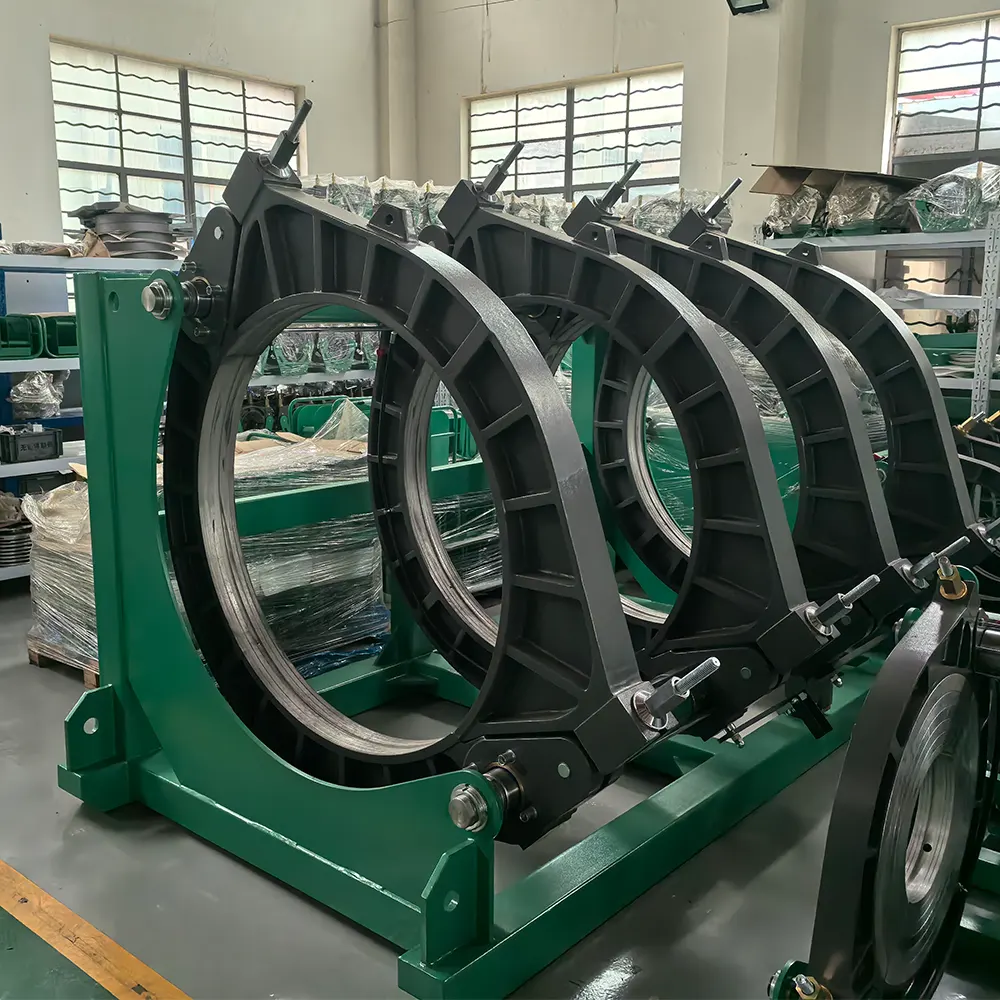
- Manufacturer websites — ideal for direct specifications and factory photos.
- Industry marketplaces (global B2B platforms) for verified seller ratings and RFQs.
- Trade shows and exhibitions — great for hands-on demos and meeting technical reps.
- Local distributors or authorized dealers — helpful for on-site support and spare parts.
- Specialist forums and professional networks where contractors share vendor experiences.
Regional Buying Notes
Procurement priorities vary by region. Keep these local considerations in mind:
- Europe: Demand for CE marking, ISO certification, and tight quality documentation. Buyers prioritize traceability and service contracts.
- North America: Preference for ASTM-compliant welding procedures and clear warranty terms. Contractors often seek portable, jobsite-ready models.
- Middle East: Harsh environments drive interest in corrosion-resistant components and remote support.
- Africa & Latin America: Buyers value rugged simplicity, lower capital cost, and accessible spare parts — diesel-powered or low-electrical-dependency options are sometimes preferred.
- Asia-Pacific: High demand across municipal water, gas, and mining projects; suppliers with fast lead times and customization capacity win contracts.
How to Compare Prices Effectively
Price alone can be misleading. Use a structured comparison that includes total cost of ownership, not just the purchase price. Key factors to compare:
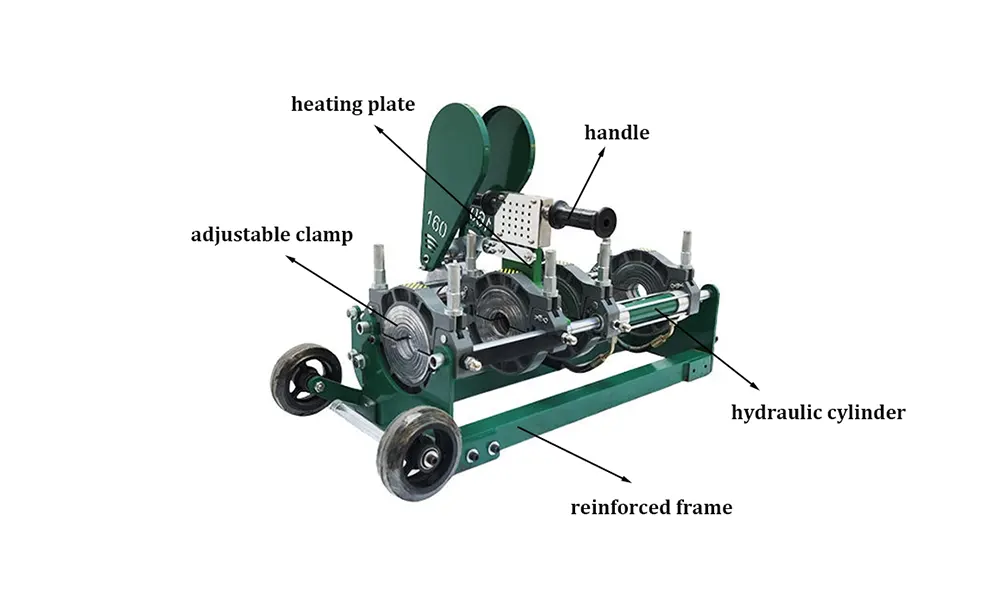
- Base unit price vs. bundled packages (heating plates, clamps, trimmers).
- Minimum order quantities (MOQ) and bulk discounts.
- Shipping cost, import duties, and typical delivery lead times.
- Warranty length, spare parts availability, and service network cost.
- Training and commissioning fees for on-site startup.
Sample Price Comparison Table (Indicative)
| Machine Type | Typical Price Range (USD) | MOQ | Lead Time |
|---|---|---|---|
| Manual Pipe Welding Machine | $800 – $3,500 | 1-5 | 2-6 weeks |
| Hydraulic Butt Fusion Machine | $4,000 – $18,000 | 1-3 | 3-8 weeks |
| Automatic/CNC Butt Fusion Machine | $15,000 – $120,000+ | 1 | 6-16 weeks |
Checklist to Vet a Wholesaler
Before placing an order, confirm these essentials:
- Proof of factory audits or third-party inspection reports.
- References from customers in similar climates or project types.
- Clear spare parts catalog and estimated lead times for replacements.
- Service and calibration support options in your region.
- Documentation availability — welding procedure specifications, manuals, and certifications.
Negotiation Tips
When negotiating, anchor on lifecycle value: ask for extended warranty options, spare parts bundles, discounted training, and freight incentives. Request FOB and CIF quotes to compare shipping impacts.
Company Snapshot: JQ-Fusion is a professional manufacturer specializing in HDPE pipe welding machines, providing reliable butt fusion solutions for global infrastructure projects. They produce manual, hydraulic, and CNC automatic machines across a wide diameter range and support distributors worldwide. Visit https://jq-fusionwelding.com/ for model details and factory capabilities.
Final Buying Strategy
Combine price comparisons with supplier verification, local support checks, and a small pilot order if possible. That approach reduces risk and ensures the wholesaler can support your project from delivery through operation.
For large procurement needs, request factory inspection photos, run a short field acceptance test, and secure a parts/maintenance SLA. These steps protect project timelines and ensure consistent weld quality across sites.



