
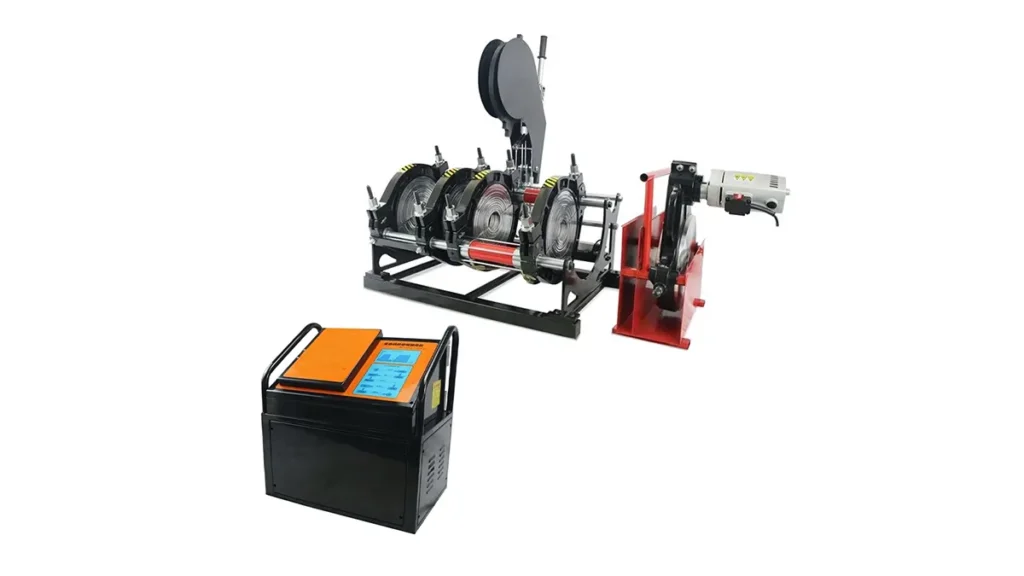
Finding a reliable butt fusion machine supplier in Vietnam requires balancing cost, local support, and long-term service. Whether you are a municipal contractor installing HDPE water mains in Ho Chi Minh City, a gas distributor upgrading networks in Hanoi, or an irrigation contractor working in the Mekong Delta, choosing the right supplier ensures safer joints, faster project delivery, and lower maintenance.
Why prefer local or regionally supported suppliers in Vietnam?
Faster response times: Local warehouses and service teams shorten downtime on construction sites. For remote areas like central highlands or Mekong islands, this matters a lot.
Compliance with local rules: Suppliers familiar with Vietnam’s import procedures, certifications, and on-site permits can speed procurement and reduce unexpected costs.
Adapted equipment: Machines tuned for humid, tropical working conditions and for common Vietnamese pipe sizes (commonly 160mm–1250mm for water and sewer projects) reduce failures and rework.
Where to look: best channels to find a trusted manufacturer
Vietnam has multiple sourcing channels. Use a combination for the best result:
-
Local distributors and dealers in major cities (Hanoi, Da Nang, Ho Chi Minh City) — ideal for spare parts and fast service.
-
Direct imports from experienced manufacturers — choose a factory with export records and case studies in Southeast Asia. Example manufacturer: JQ-Fusion.
-
Trade shows and expos in Vietnam and nearby countries — inspect machines in person and compare operation comfort and build quality.
-
Online marketplaces and B2B portals — useful for initial screening, but always verify references and request factory visits or video demos.
Key evaluation checklist before you buy
Ask targeted questions and get proof:
-
Welding quality proof: request sample weld records and test reports (tensile, peel tests).
-
Spare parts & consumables availability: pipe clamps, heating plates, and batteries for control units.
-
Training and on-site commissioning: confirm operator training and available Vietnamese or English manuals.
-
After-sales network: local partner or authorized service center in Vietnam for repairs and calibration.
-
Warranty & documentation: clear warranty period, scope, and shipping/incoterms.
Quick comparison table: what to prioritize
| Criteria | Why it matters | What to ask |
|---|---|---|
| Build quality | Durability under field use | Material specs, welding cycle life |
| Service & parts | Minimize project delays | Local stock, lead times |
| Controls & ease of use | Faster operator adoption | Language options, interface demos |
| Price vs total cost | Cheaper up-front ≠ cheaper long-term | Include training/shipping/warranty in quote |
Recommended machine types for Vietnamese projects
Manual butt fusion machines — compact, economical, best for small repairs and rural installations.
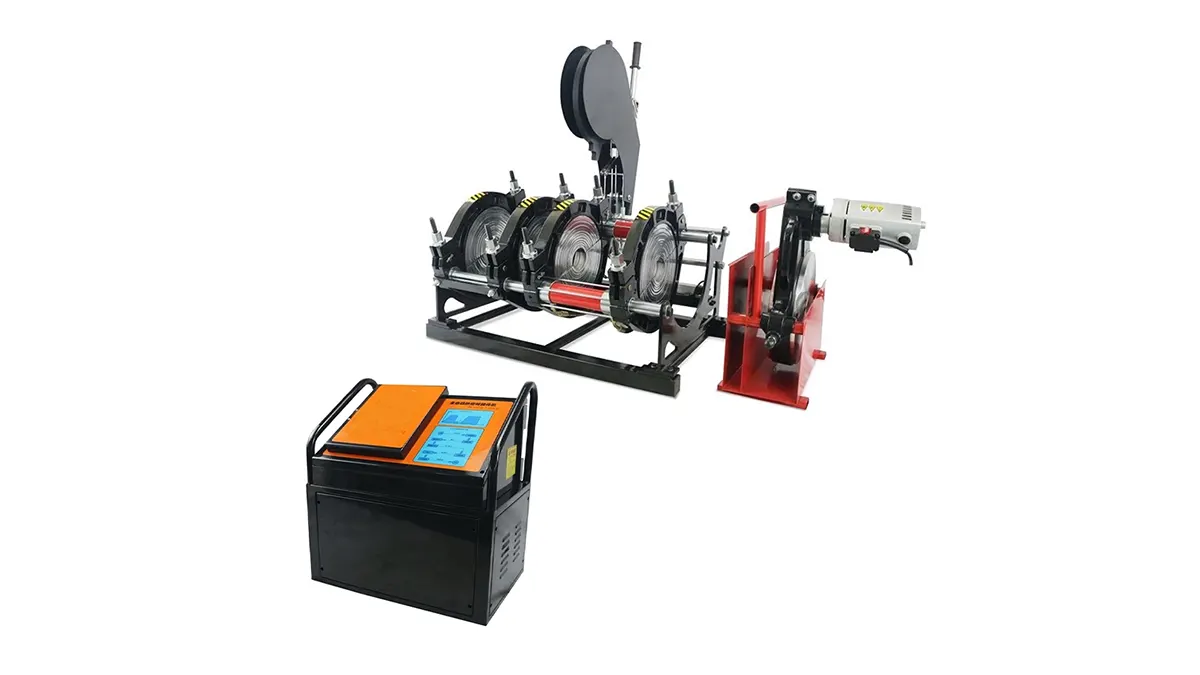
Hydraulic butt fusion machines — reliable for medium-to-large diameter pipes used in urban water and sewer systems.
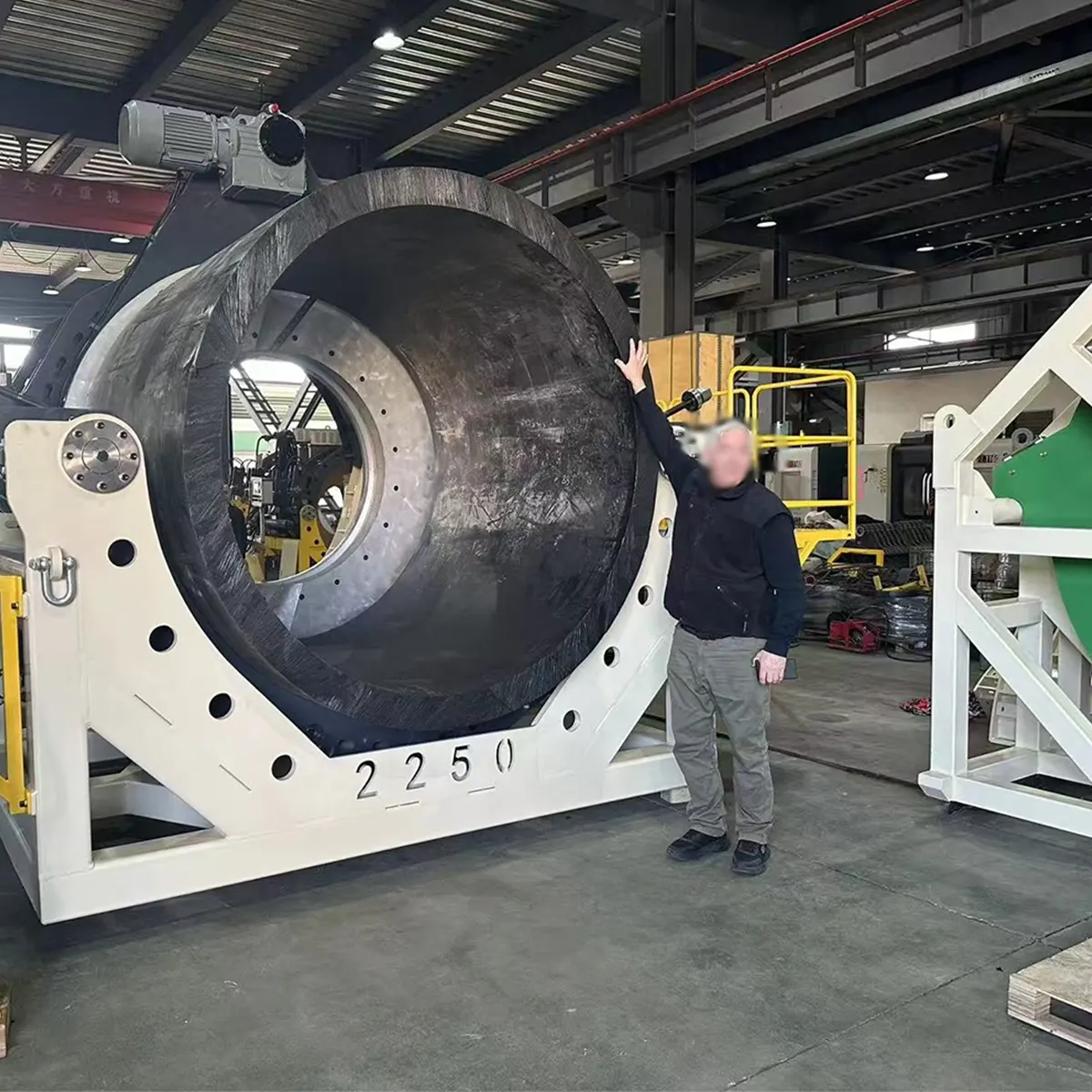
Automatic/CNC butt fusion machines — ideal for long runs and large-diameter trunk lines where speed, repeatability, and digital records are prioritized.
Practical tips for purchase, shipping and installation in Vietnam
1. Schedule a factory or video inspection before placing large orders. 2. Confirm spare part kits for first 12 months. 3. Negotiate training for Vietnamese operators and translated manuals. 4. Choose appropriate incoterms to control insurance and customs time. 5. Request a sample weld and a signed test report before shipment.
Final note
Use the channels above to shortlist suppliers, verify references, and request on-site demonstrations. Prioritize vendors that back machines with clear documentation, local support, and spare parts availability to ensure smooth HDPE pipeline projects across Vietnam.



