
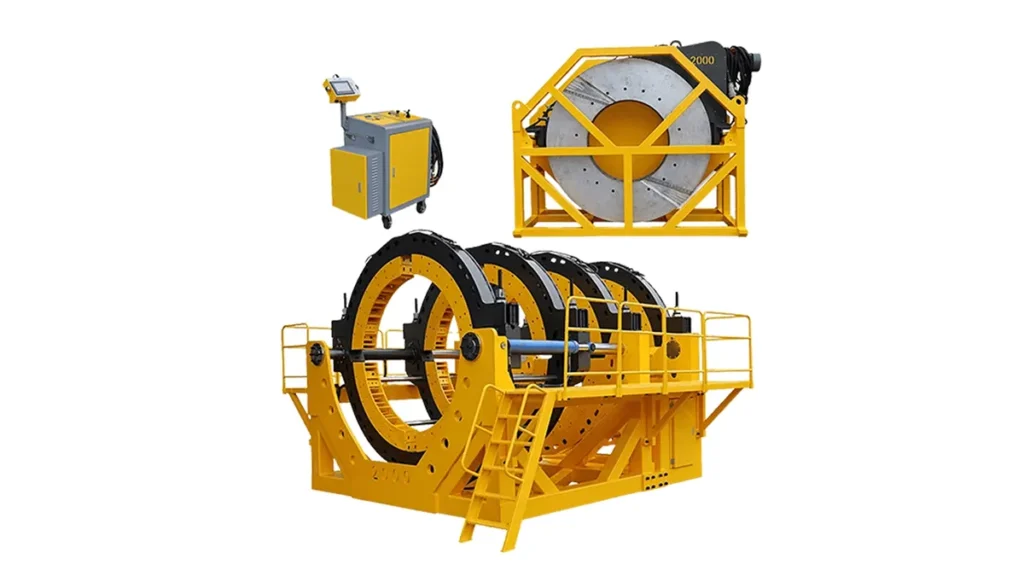
Choosing the right butt fusion machine supplier in Norway requires more than comparing prices—project conditions, regulatory compliance, service speed and machine reliability in cold, remote environments all matter. This guide helps Norwegian contractors, utility companies and pipeline installers select a supplier that delivers durable, efficient HDPE welding equipment for local infrastructure needs.
Understand Local Project Needs in Norway
Norwegian projects often face harsh weather, long transport distances and rugged terrain. For water, gas and district heating pipelines, prioritize machines that perform reliably in low temperatures and can be easily mobilized to remote sites. Consider the typical pipe diameters your teams weld (small-diameter service lines vs. large-diameter trunk mains) and match the machine capacity accordingly.
Key Norway-specific considerations
Cold-climate performance: heaters and hydraulic systems should tolerate sub-zero operation. Portability: compact/manual models are useful for fjord-side or mountain access. Compliance: ensure equipment meets EN and relevant Norwegian standards for pressure pipelines.
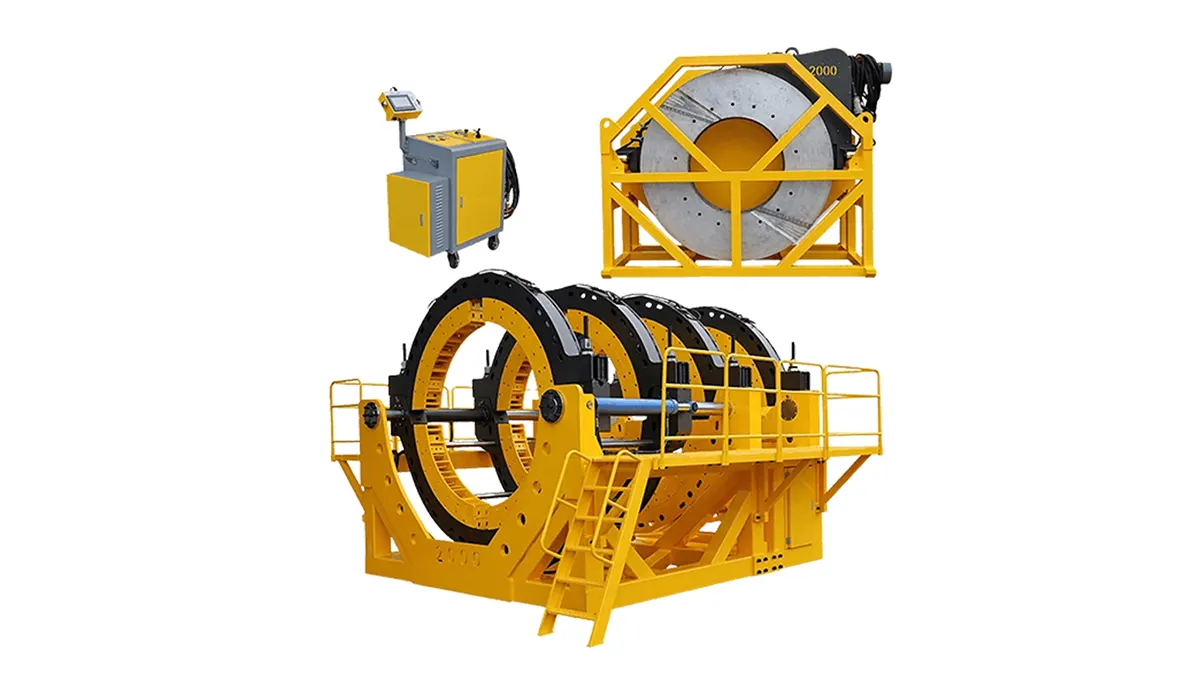
Compare Machine Types: Manual, Hydraulic, Automatic
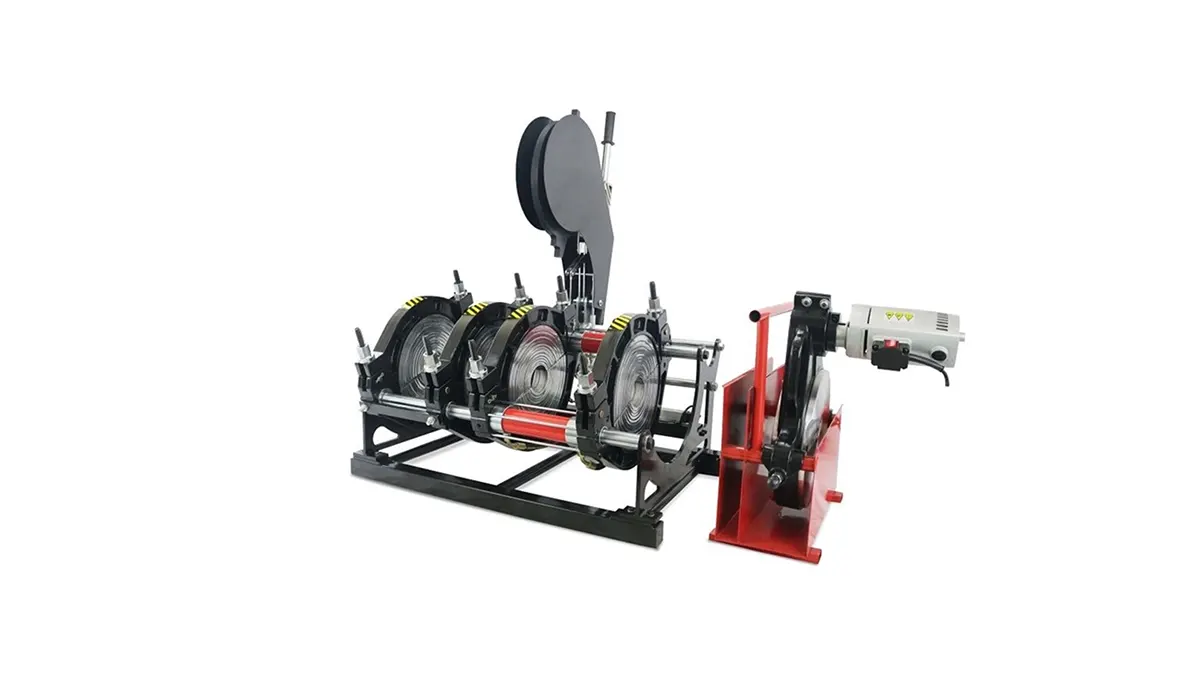
Different applications need different machines. Manual units work well for small-diameter, low-volume work; hydraulic machines provide consistent pressure for medium to large diameters; CNC automatic systems are best for high-volume or precision projects such as municipal trunk mains.
Which to choose?
– For maintenance crews and rural repair teams: a robust manual or small hydraulic machine.
– For construction contractors laying long HDPE mains: hydraulic or automatic units that reduce operator variability and increase throughput.
Certification, Quality and Traceability
Buy from a supplier that provides clear documentation: ISO quality management, CE marking where applicable, and welding procedure records (WPRs). Traceable welding logs and calibration certificates help meet Norwegian public tender requirements and ensure long-term asset care.
Service, Spare Parts and Local Support
Fast service response and local parts availability are vital in Norway where downtime can be costly. Verify the supplier offers spare-part kits, remote support, and on-site training in Norwegian or English. Ask about lead times for common consumables like heating plates and scraper blades.
Total Cost of Ownership (TCO) Over Initial Price
Initial price is only part of the picture. Evaluate expected uptime, consumable lifespan, energy consumption and maintenance costs. Machines with better automation can save labor hours and reduce rework, improving overall project profitability—especially important on Norway’s expensive worksites.
Training, Ease of Use and Safety
Choose machines with intuitive controls and clear safety features. Suppliers that provide operator training, certification support and bilingual manuals (English/Norwegian) reduce the learning curve and improve weld quality across teams.
Logistics and Import Considerations for Norway
When sourcing internationally, confirm shipping options to Norwegian ports, customs documentation and warranty coverage in Norway. Since Norway participates in the EEA, ensure the equipment’s compliance documents meet local procurement rules and tender specifications.
Practical logistics tips
Request FOB and DDP quotes, estimated delivery times to Oslo or Bergen, and local service partner details. A supplier with a clear Nordic logistics plan will reduce surprises on customs and delivery.
Quick Decision Checklist
| Criteria | What to look for | Why it matters |
|---|---|---|
| Pipe diameter range | Matches your most common project sizes | Avoids under- or over-spec equipment |
| Cold-weather readiness | Rated components and winter kits | Ensures reliable performance on-site |
| Service & parts | Spare kits and local support | Minimizes downtime |
| Certification | ISO, CE, calibration records | Compliance with public tenders |
References and Proof of Performance
Ask potential suppliers for references from Nordic or similar cold-climate projects, sample weld logs and photos. Real-world examples of trench or offshore pipe installations help validate claims about reliability and service.
Where to Start
Begin by listing your typical pipe sizes, site conditions and expected annual welding workload. Use that as a baseline to request tailored proposals and demo videos. For reliable butt fusion solutions tailored to infrastructure and industrial pipelines, consider manufacturers that combine wide model ranges with global experience—such as JQ-Fusion —and request machine specifications, warranty terms and service plans relevant to Norway.



