
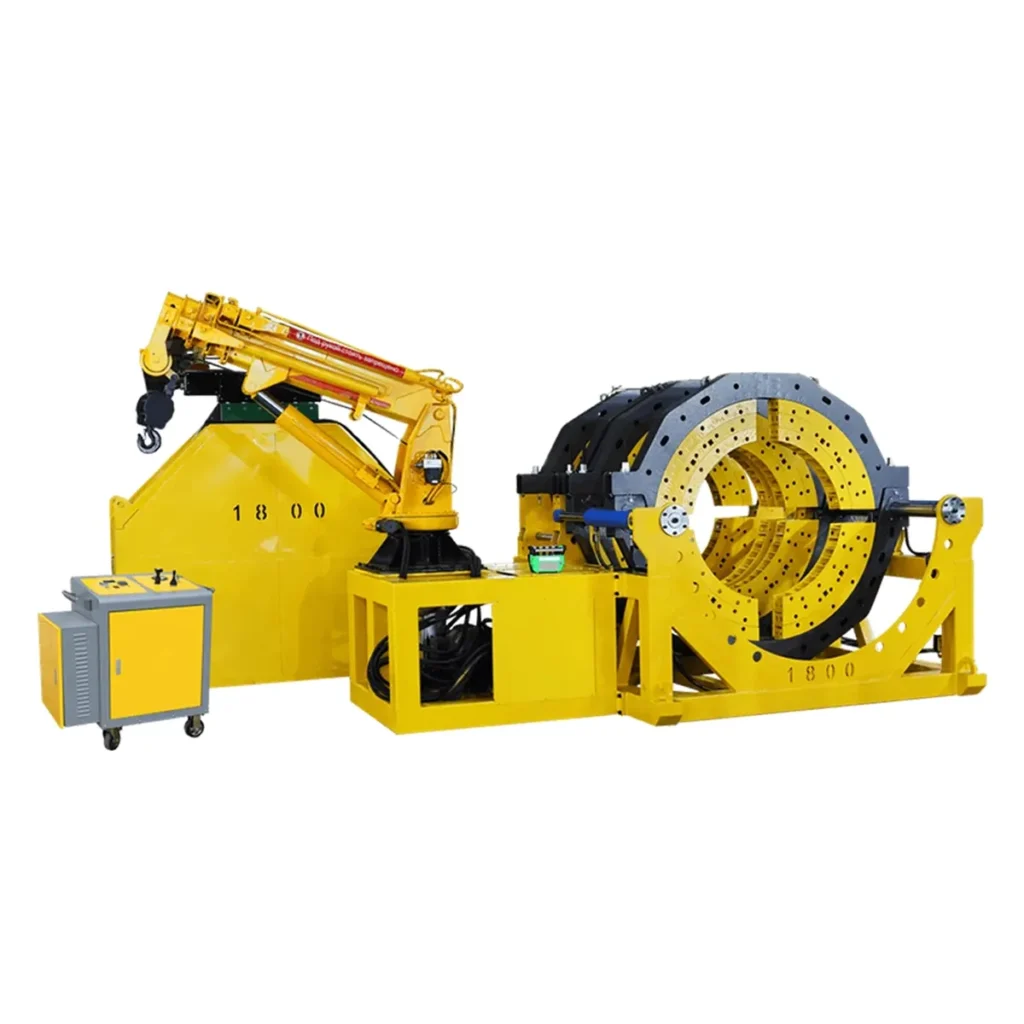
Looking for a reliable butt fusion machine supplier in Niger? Whether you’re working on rural water networks in the Sahel, municipal irrigation near Niamey, or mining camp pipeline installations, selecting the right HDPE pipe welding equipment and local support is crucial for long-term performance and cost control.
Why quality butt fusion equipment matters for projects in Niger
Niger’s climate and infrastructure needs—long distances, dusty sites, seasonal work windows, and limited grid power in remote areas—mean that pipe welding machines must be durable, easy to transport, and serviceable on site. Reliable butt fusion machines reduce repair downtime, lower leak risk on water and mining pipelines, and speed up installation for NGOs, contractors, and municipal crews.
Key local considerations
– Power availability: choose manual or hydraulic units for off-grid sites; electric automatic units work well near urban centers like Niamey.
– Training in French: technicians and operators often prefer French-language manuals and hands-on instruction.
– Logistics: as a landlocked country, shipments often route via Port of Cotonou or Dakar—plan lead times and customs paperwork accordingly.
Types of butt fusion machines suited to Niger conditions
Match machine type to project scale and site constraints:
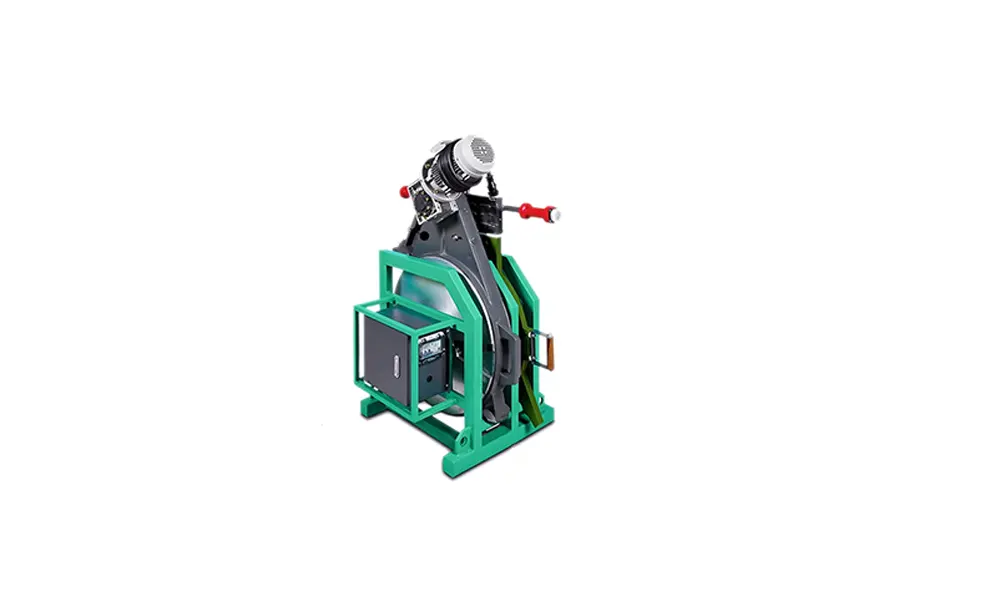
- Manual machines — ideal for village waterworks and small-diameter pipes; lightweight and easy to maintain.
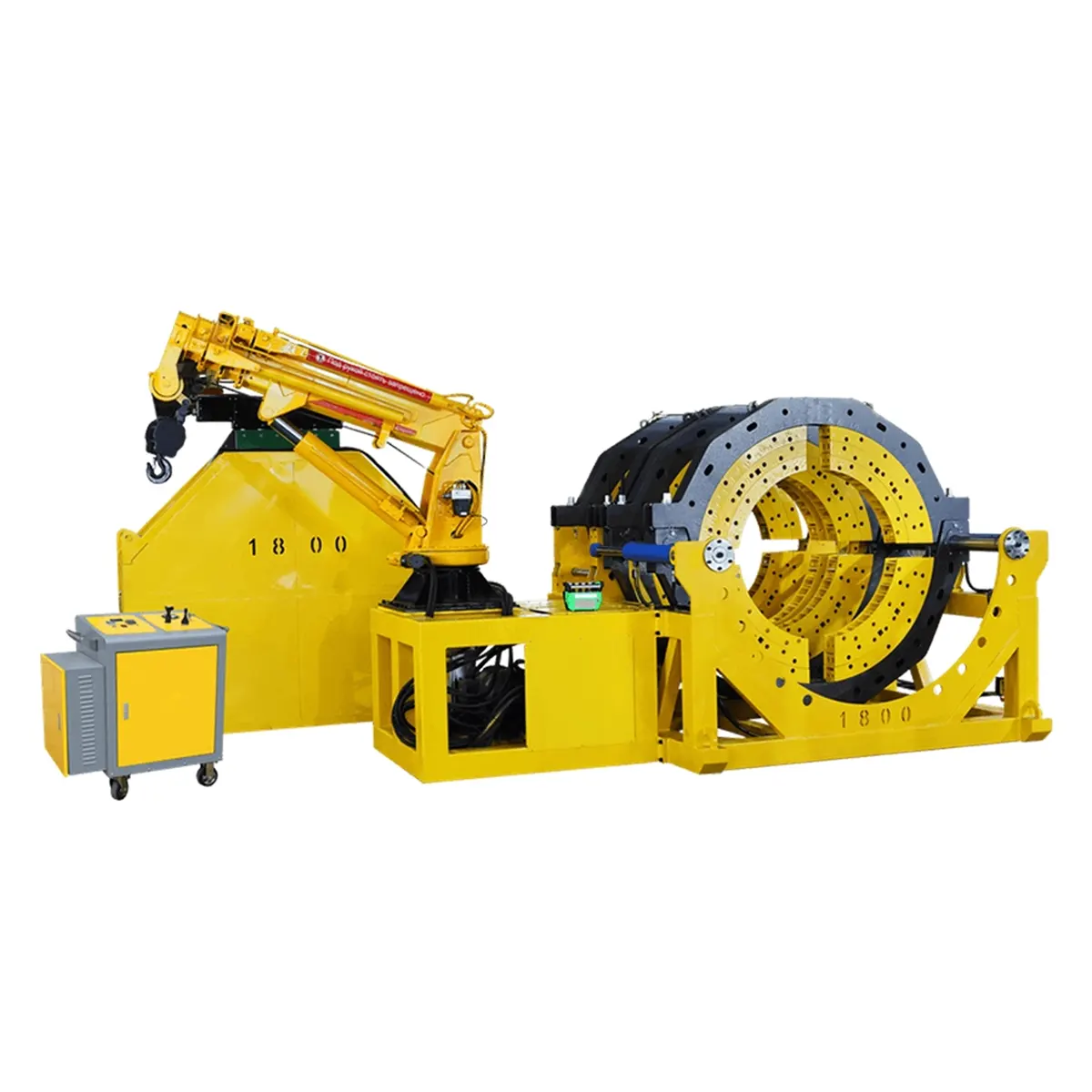
- Hydraulic machines — robust for medium to large diameters, commonly used in municipal and mining projects.
- Automatic/CNC units — best for high-volume pipeline production and long runs near permanent sites or factories.
Where to find trustworthy suppliers and local support
Search for suppliers who can demonstrate experience exporting to West Africa, offer spare parts stock, and provide technical training. Look for documentation such as ISO or CE certificates, clear warranty terms, and references from projects in similar climates. Local partners or agents in Niger or neighboring countries are a major advantage for rapid service.
Quick comparison table — recommended machine options
| Model | Pipe Range | Type | Best for |
|---|---|---|---|
| JQH160 | 16–160 mm | Hydraulic | Village water supply, irrigation |
| JQA200 | 20–200 mm | Automatic | Urban distribution, medium production |
| JQH800 | 315–800 mm | Hydraulic / Large | Large-diameter trunk mains, mining |
| Manual Bench Sets | 20–110 mm | Manual | Remote sites, low-power areas |
Practical buying checklist for Niger projects
– Confirm the pipe sizes and daily joint targets for your project.
– Ask about spare parts availability and local stocking options.
– Request training sessions in French and on-site commissioning.
– Verify power needs: if grid is unreliable, prefer hydraulic/manual or ensure generator compatibility.
– Plan shipping via a reliable route (Cotonou/Dakar) and prepare import documents in advance.
After-sales and local maintenance tips
Ensure the supplier provides clear spare parts lists, troubleshooting guides, and remote support. Establish a local contact or trained operator who can perform routine checks, heater plate care, and clamp maintenance to extend machine life under harsh Sahel conditions.
Trusted supplier reference
For reliable butt fusion equipment suitable for Niger projects, consider contacting JQ-Fusion via https://jq-fusionwelding.com/ for model options, spare parts, and training arrangements.
Choose machines built for durability, verify local support options, and prioritize operator training to keep pipeline work moving efficiently across Niger’s diverse regions.



