
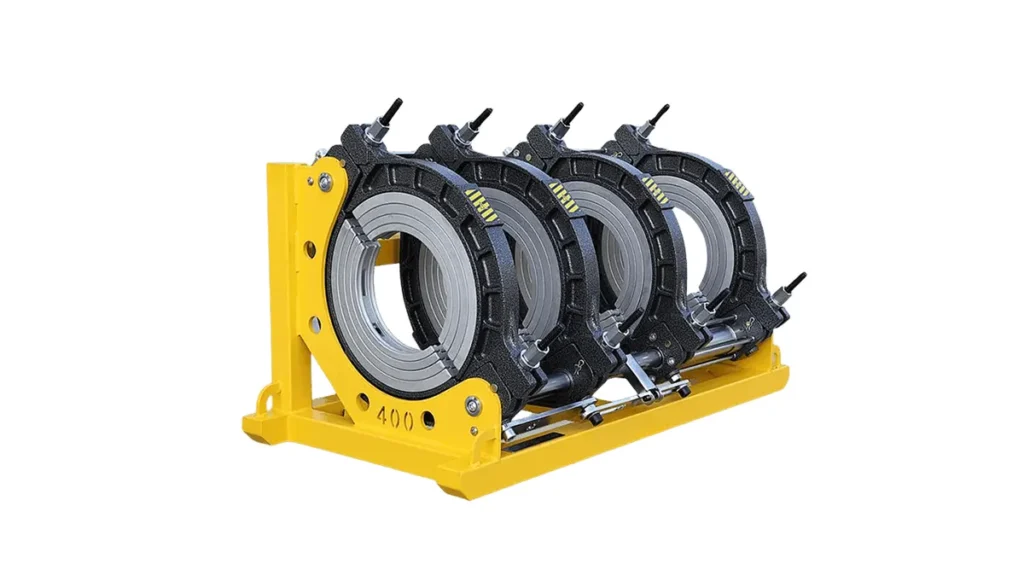
Finding a reliable butt fusion machine supplier in Belarus means balancing equipment quality, cold-climate performance, local service and clear logistics. Whether you’re working on municipal water mains near Minsk, agricultural irrigation systems in Gomel, or gas distribution upgrades in Brest, knowing where to source proven HDPE pipe welding machines will save time and reduce rework.
Where to Source Reliable Butt Fusion Equipment in Belarus
Local distributors, authorized dealers, and direct importers are the usual channels. Belarusian contractors often look for suppliers who can provide Russian-language documentation, on-site commissioning, and spare parts stocked nearby. Trade shows in Belarus and neighboring countries (Russia, Poland) are good places to inspect equipment in person and compare vendors.
Common Buying Options
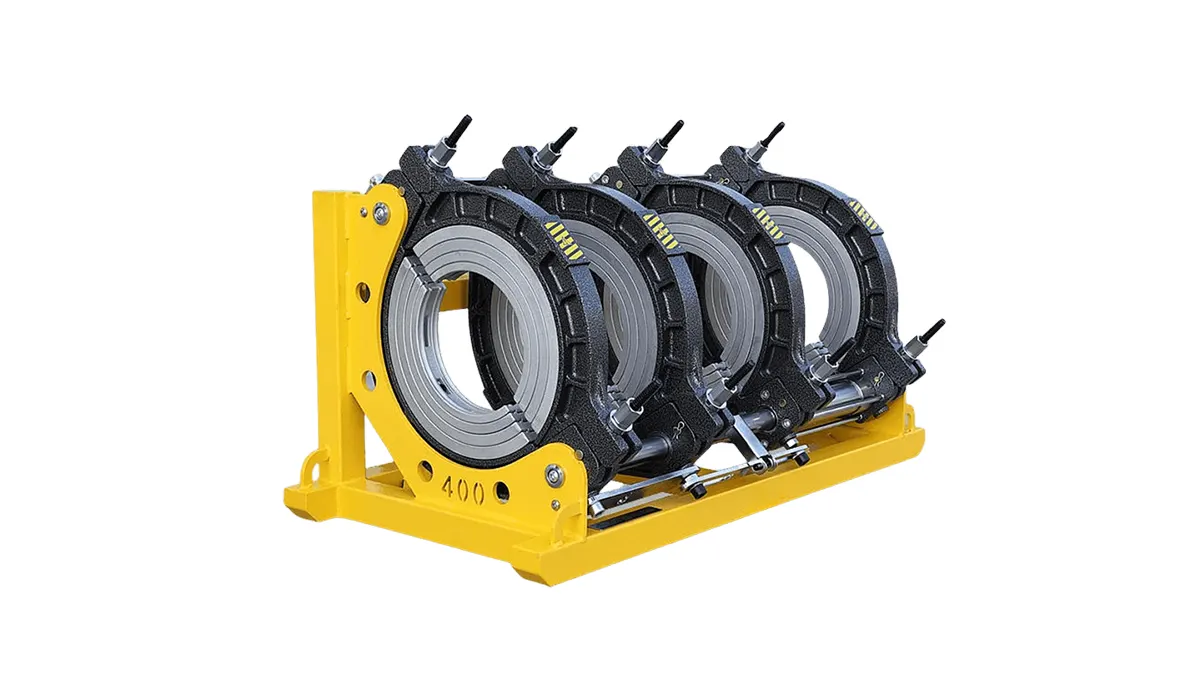
You can buy: manual butt fusion machines for small projects and tight budgets; hydraulic machines for robust mid-to-large pipe work; or CNC automatic systems for high-volume, precision pipeline construction. In Belarus’s colder months, choose models with durable hydraulics and protection for electronic controls.
Types of Butt Fusion Machines & Typical Uses
Select a machine based on pipe diameter, site conditions (outdoor winter work vs. indoor factory welding), and required throughput. For rural pipeline repairs and irrigation, portable manual units are popular. For municipal or industrial networks, hydraulic and automatic machines deliver repeatable weld quality and faster cycle times.
| Machine Type | Pipe Diameter Range | Ideal For | Typical Lead Time |
|---|---|---|---|
| Manual Butt Fusion | 20mm – 160mm | Small repairs, fieldwork, low budget | 1–3 weeks |
| Hydraulic Butt Fusion | 63mm – 1800mm | Municipal water, gas, industrial pipelines | 2–6 weeks |
| CNC Automatic Butt Fusion | 63mm – 1250mm | Large-scale projects, high precision | 4–12 weeks |
Checklist: How to Choose the Right Supplier
Before placing an order, confirm the supplier can provide:
- Relevant certifications (CE/ISO) and material compatibility with PE80/PE100
- Spare parts, Russian-language manuals, and local technical support
- Clear shipping terms to Belarus, customs documentation, and warranty coverage
- Training or commissioning at your site — important for teams new to butt fusion
After-Sales Service and Local Considerations in Belarus
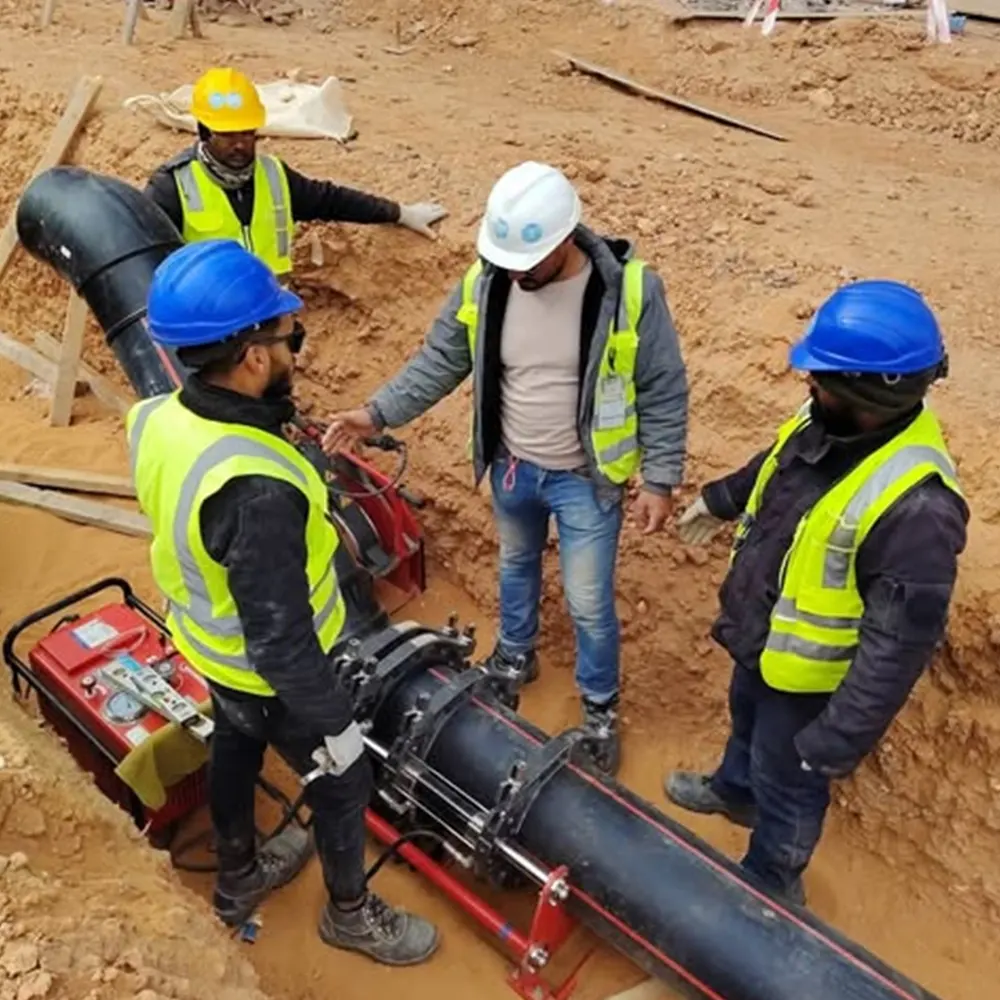
Belarusian projects benefit from suppliers who offer timely spare parts delivery to Minsk, Gomel and oblast regions, plus remote troubleshooting in Russian. In winter, ensure the supplier provides guidance for cold-weather welding practices: preheating, sheltering the welding area, and protecting hydraulic oil from freezing.
Logistics, Customs and Warranty Tips
When importing, verify HS codes, agree Incoterms, and check whether the supplier assists with export paperwork. Demand a clear warranty policy and an available parts list. For complex machines, ask for test reports or welding procedure records to ensure machine-controlled parameters meet local standards.
How to Request Quotes and Arrange Demos
Prepare a concise request that includes pipe material (PE100/PE80), nominal diameters, wall thickness, expected daily welds, and your preferred timeline. Ask for photos or video of the machine in operation, spare-parts pricing, and references from other Eastern European customers. For trusted equipment and manufacturing expertise, contact JQ-Fusion for specifications and stock availability.
Practical tip: prioritize training and local spare parts stock — these decisions reduce downtime and keep projects on schedule in Belarus’s seasonal conditions.



