Quality inspection of a butt fusion machine is not merely a compliance checkbox—it is the foundation of pipeline integrity in water, gas, and industrial systems. Ensuring every joint meets stringent standards prevents catastrophic failures and extends the service life of HDPE piping networks. This guide outlines the essential standards, step‑by‑step inspection procedures, and field‑proven best practices for thorough butt fusion machine quality inspection.
Why Butt Fusion Machine Quality Inspection Matters
A properly executed butt fusion joint is as strong as the pipe itself. However, even slight deviations in temperature, pressure, or alignment can compromise joint integrity. Systematic butt fusion machine quality inspection ensures that each component—from the heating plate to the hydraulic unit—functions within specified tolerances. Projects adhering to recognized standards such as ISO 21307 butt fusion procedures and ASTM F2620 heat fusion consistently report fewer field failures and lower lifetime maintenance costs.
Key Standards Governing Inspection
International and regional standards define the performance requirements for butt fusion machine quality inspection. The following table summarizes the most relevant documents.
| Standard | Scope | Key Focus |
|---|---|---|
| ISO 21307 | Joining procedures for PE pipes | Single/low/high pressure fusion cycles |
| ISO 12176‑1 | Butt fusion equipment specification | Machine performance and calibration |
| ASTM F2620 | Heat fusion joining in the field | Operator qualification, visual criteria |
| PPI TR‑33 | Generic butt fusion procedure | Pressure, time, temperature parameters |
Critical Inspection Checkpoints
A comprehensive butt fusion machine quality inspection covers five primary areas. Each directly influences weld bead formation and long‑term joint performance.
1. Heating Plate Temperature Accuracy
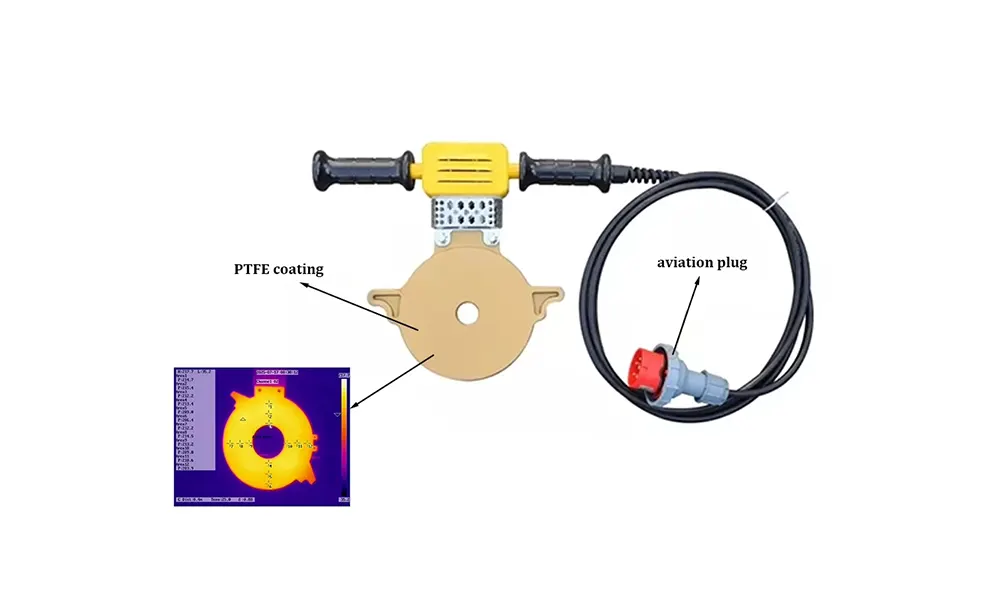
The heating plate must maintain a uniform temperature across its entire surface. A deviation of ±5 °C from the setpoint can result in inadequate melt viscosity or thermal degradation. Regular calibration with a calibrated surface thermocouple probes is mandatory. Inspect the non‑stick coating for scratches, peeling, or contamination that could transfer to the pipe ends.
2. Facing and Clamp Alignment
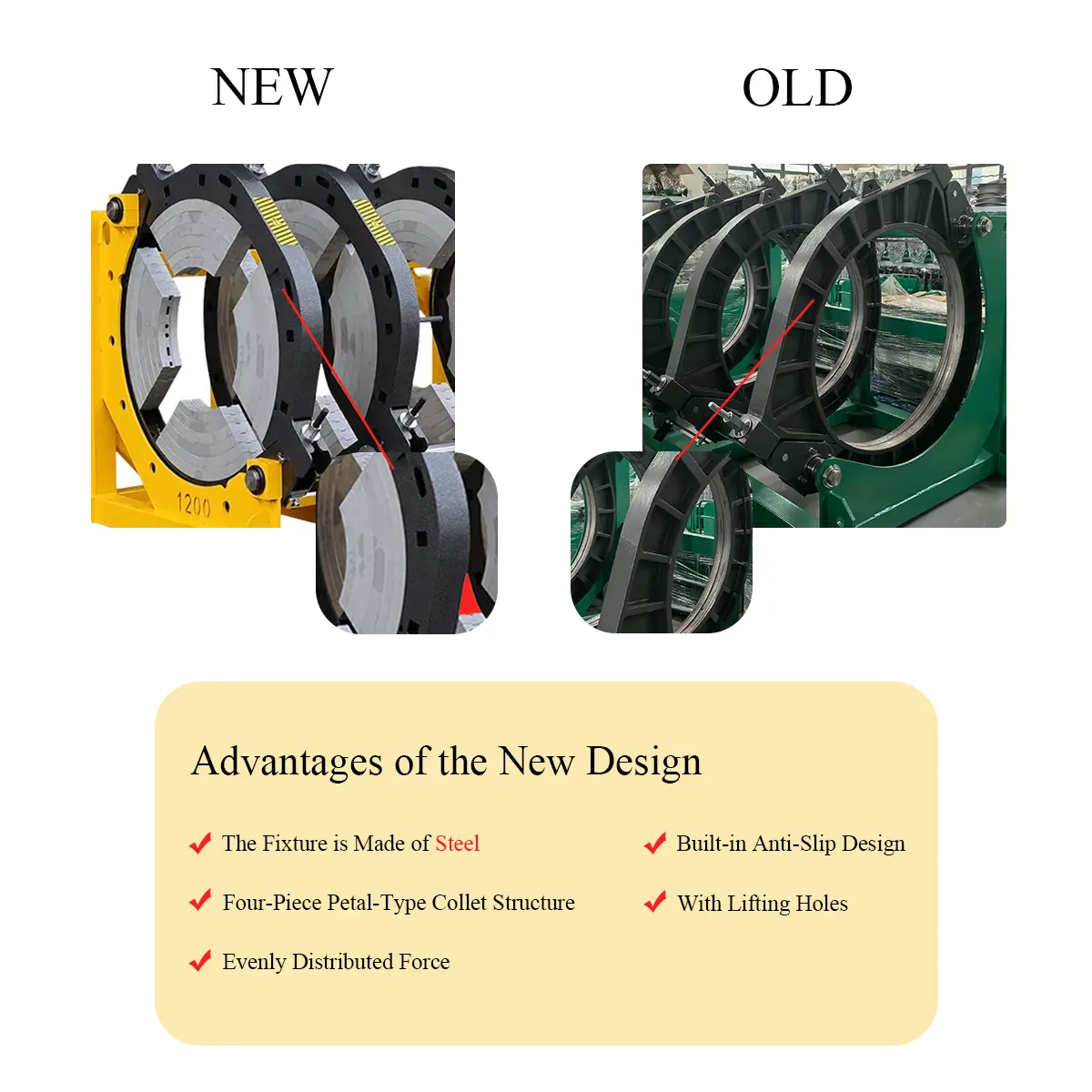
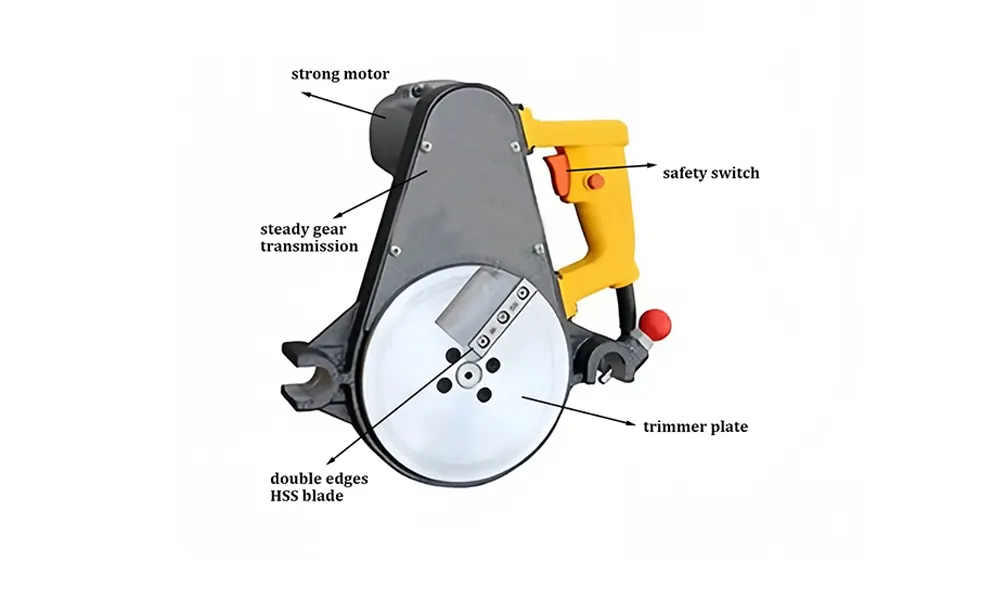
Proper facing produces clean, parallel pipe ends. During inspection, verify that the facing tool blades are sharp and that the clamps hold pipes without distortion. Misalignment exceeding 10% of the pipe wall thickness can introduce stress concentration points into the welded joint.
3. Hydraulic Pressure Function
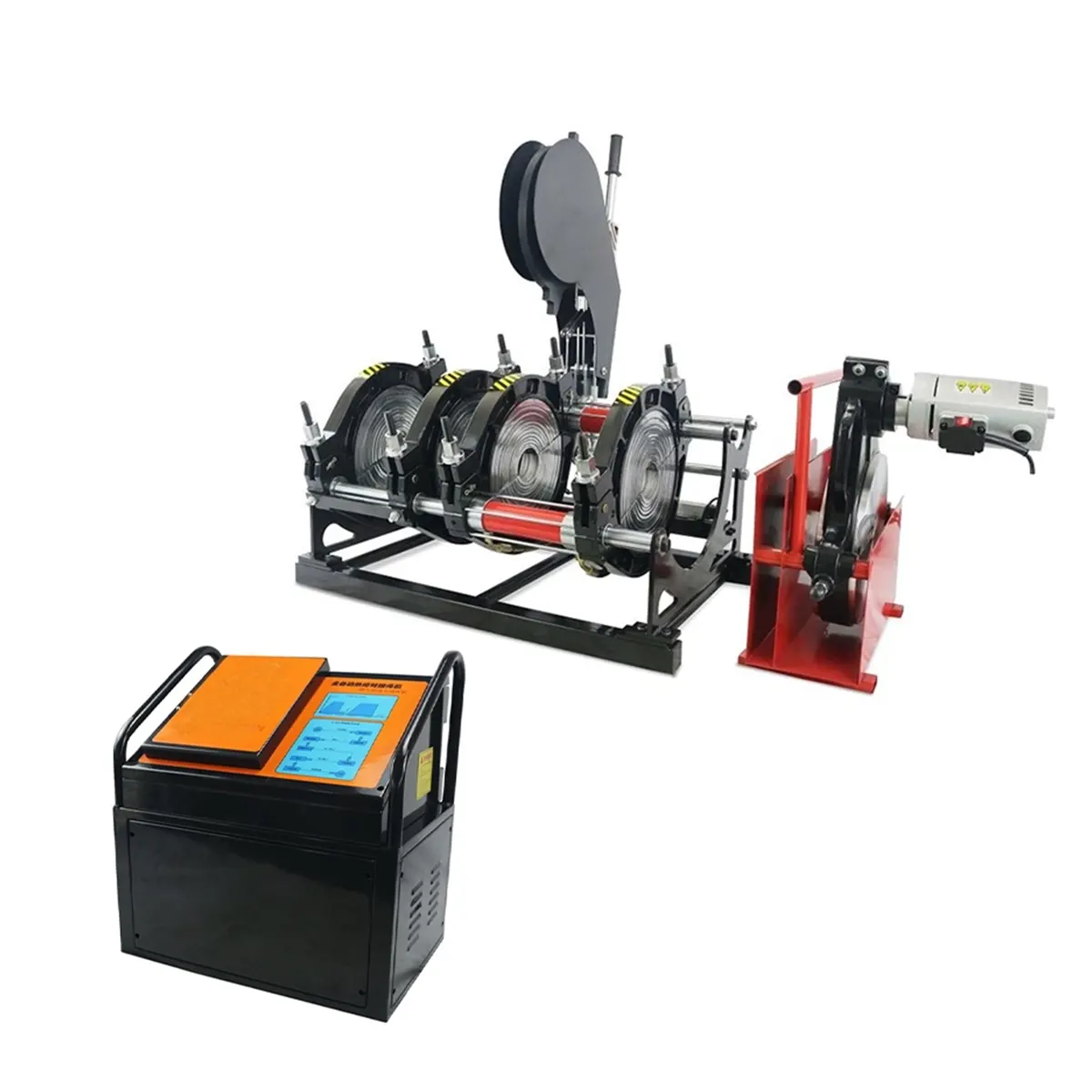
For hydraulic butt fusion machines, the pressure control system must respond smoothly without hysteresis. Check hydraulic oil level, hose integrity, and gauge calibration. The drag pressure should be measured at the start of each work shift and the fusion pressure calculated accordingly to compensate for carriage resistance.
4. Data Logging and CNC Verification
Modern CNC automatic butt fusion machines are equipped with integrated data loggers. Inspection confirms that the system correctly records fusion parameters—temperature, pressure, time, and ambient conditions—generating a traceable joint report. This traceability is a core requirement in gas and nuclear applications.
5. Structural Integrity and Safety Devices
Inspect the frame for cracks, especially around weldments on butt fusion machine carriages. Emergency stop buttons, thermal cut‑offs, and electrical insulation resistance must function correctly to protect the operator and the machine.
Step‑by‑Step Inspection Procedure
A structured daily inspection checklist reduces oversight. Below is a condensed workflow recommended for field crews.
- Pre‑start visual check: Cleanliness of heating plate, planer blades, and clamp inserts. Remove any residual polyethylene from previous joints.
- Temperature verification: Use a digital contact thermometer to read heating plate surface temperature at three points. Record values.
- Drag pressure measurement: With clamps closed on a dummy pipe or with an empty carriage, note the pressure required to maintain slow, steady movement.
- Facing trial: Face pipe ends and check for continuous shaving chips. Gaps between faced pipe ends after trimming should be under 0.3 mm.
- Joint documentation: For each weld, label the joint and preserve the data log. This creates a permanent record meeting PE fusion traceability guidelines.
Best Practices for Sustained Quality
Implementing these practices elevates butt fusion machine quality inspection from a routine task to a strategic asset.
Operator Training and Certification
Even the most advanced machine cannot compensate for an untrained operator. Personnel should hold recognized credentials aligned with PE fusion operator requirements and regularly refresh their skills. A qualified operator understands how to interpret data logs and adjust fusion parameters based on environmental conditions.
Scheduled Machine Servicing
Preventive maintenance schedules based on the manufacturer’s recommendations keep the butt fusion machine operating at peak reliability. Components such as hydraulic seals, heating elements, and thermocouples have finite service lives and must be replaced proactively. Partnering with a supplier that offers responsive after‑sales support ensures that genuine spare parts are available when needed.
Environmental Control
Ambient temperature below ‑5 °C or intense direct sunlight can influence the cooling rate of the weld. Where possible, erect temporary shelters. For manual butt fusion machines operating in variable climates, the operator should adjust the heating time slightly longer in cold conditions, following validated procedural guidance.
Leveraging Digital Quality Systems
Many contractors now use cloud‑based platforms where butt fusion machine quality inspection data is uploaded automatically. Supervisors can monitor joint quality remotely and intervene if parameters drift. This proactive approach reduces the likelihood of large‑scale rework on buried pipelines.
JQ-Fusion is a professional manufacturer specializing in HDPE pipe welding machines, providing reliable butt fusion solutions for global infrastructure projects. With a focus on rigorous quality assurance and custom machine configurations, we support contractors in achieving consistently high‑quality fusion joints that can be verified through every inspection stage. For further guidance on selecting a machine designed for robust inspection routines, visit the complete product range.
Common Pitfalls and How to Avoid Them
| Pitfall | Consequence | Remedy |
|---|---|---|
| Skipping drag pressure measurement | Incorrect fusion pressure leading to cold welds | Perform drag test at each shift start |
| Dirty heating plate surface | Contaminated melt and poor bead formation | Clean with non‑abrasive cloth before each joint |
| Misaligned clamps | Angular misalignment, uneven bead | Verify clamp inserts and adjust frame alignment |
| Ignoring data logger alerts | Unrecorded deviations, traceability loss | Review logs immediately, investigate anomalies |
Integrating Inspection with Project Workflow
Successful butt fusion machine quality inspection is not a standalone activity. It feeds into broader quality management systems covering material handling, pipe storage, and hydrostatic testing. Early detection of machine irregularities prevents wasted pipe material and avoids costly excavation after pipeline installation. Standardizing inspection documentation across projects also simplifies audits and regulatory compliance.
By embedding these standards, procedures, and best practices into daily operations, pipeline contractors can ensure that every butt fusion machine joint delivers the strength and reliability designed into the HDPE piping system. Consistent inspection builds a record of quality that endures long after the trench is backfilled.