
Understanding Butt Fusion Machine Clamps
In the world of HDPE pipe welding, the quality of your joint depends heavily on one critical component: the butt fusion machine clamps. These clamping systems are responsible for holding pipes firmly in place, maintaining precise alignment, and withstanding the considerable forces generated during the fusion cycle. Without properly designed clamps, even the most advanced welding machine cannot deliver consistent, leak-free joints.
Whether you are working on municipal water supply lines, gas distribution networks, or industrial piping systems, understanding the different types of butt fusion machine clamps and how to select the right one can make a significant difference in project efficiency and long-term pipeline reliability.
What Are Butt Fusion Machine Clamps?
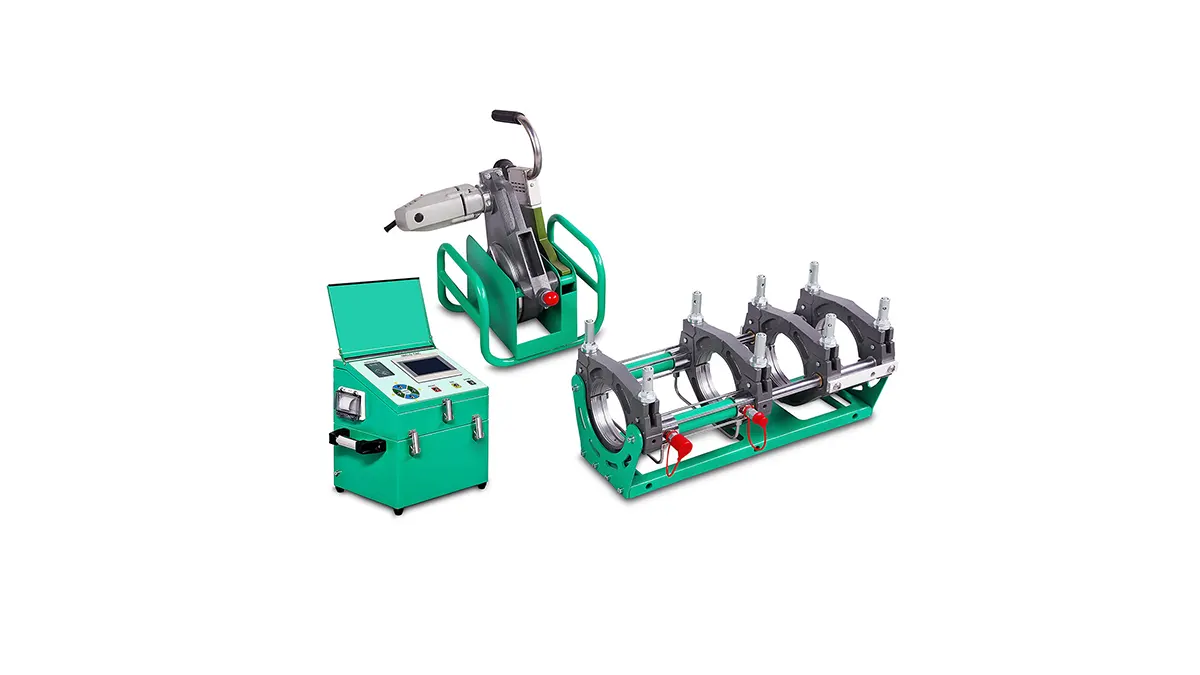
Butt fusion machine clamps are the gripping mechanisms integrated into the welding machine frame. They serve three essential functions during the butt fusion welding process:
- Pipe Securing: Holding the pipe firmly to prevent slippage during the heating and fusion stages.
- Alignment Control: Ensuring both pipe ends are perfectly coaxial to avoid misalignment defects.
- Force Distribution: Distributing the welding force evenly around the pipe circumference to achieve a uniform fusion bead.
According to PE butt fusion equipment standard (ISO 12176-1), the clamp design must guarantee sufficient gripping capacity without deforming the pipe or damaging its surface. This is especially important when working with large-diameter or thick-walled HDPE pipes.
Types of Butt Fusion Machine Clamps
Different applications demand different clamping configurations. Below is a breakdown of the most common types found on modern hydraulic butt fusion machines and manual systems.
1. Manual Clamps
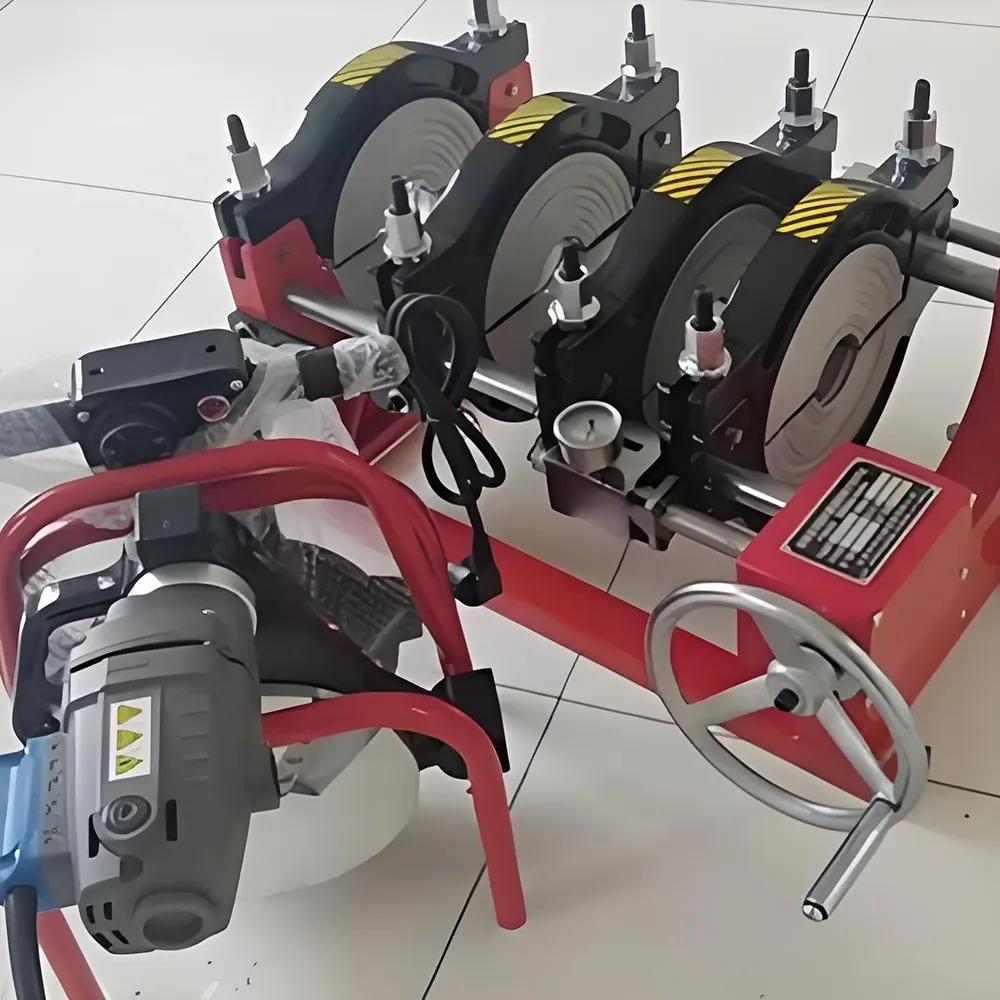
Manual clamps are operated by hand wheels or lever mechanisms. They are commonly found on manual butt fusion welding machines designed for smaller pipe diameters, typically ranging from 40 mm to 315 mm. These clamps offer simplicity and portability, making them ideal for field repairs and small-scale installations.
Key characteristics of manual clamps include:
- Quick-release lever designs for faster pipe changes
- Lightweight construction for enhanced jobsite mobility
- Sufficient gripping force for smaller diameter PE pipes
- Lower initial investment compared to hydraulic alternatives
2. Hydraulic Clamps
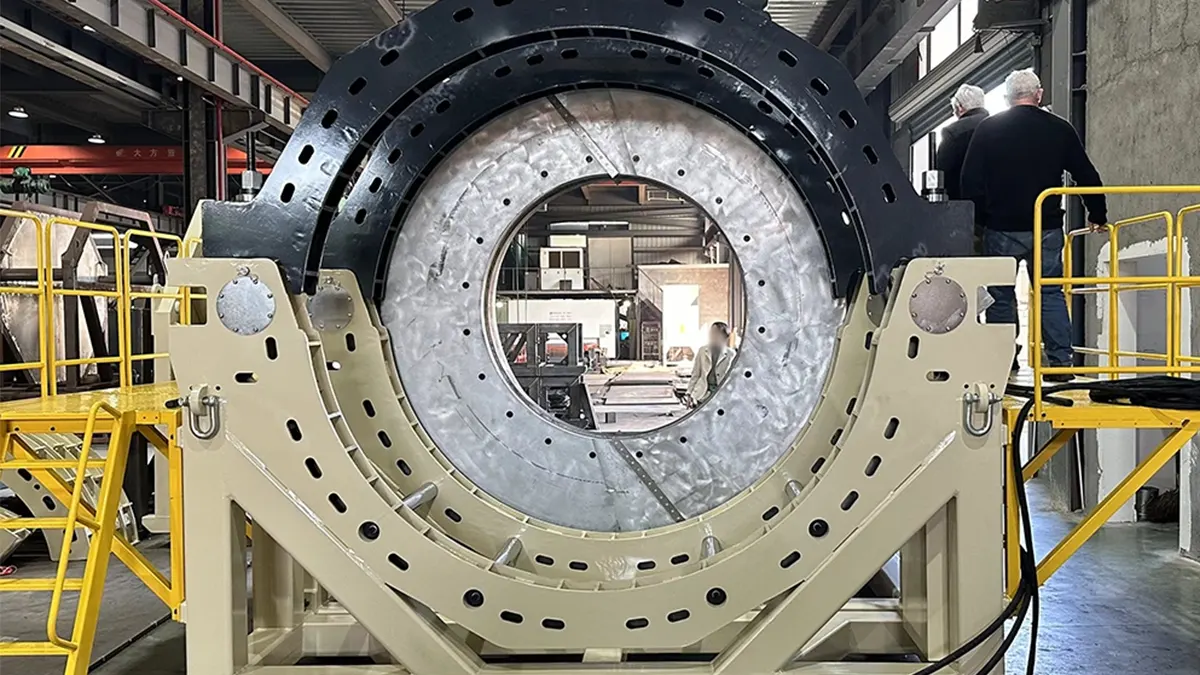
Hydraulic clamps utilize hydraulic pressure to secure the pipe in position. These are the preferred choice for CNC automatic butt fusion machines and heavy-duty hydraulic models handling pipe diameters from 200 mm up to 2250 mm or more. The hydraulic system delivers consistent clamping force regardless of operator fatigue, which is critical for large-scale infrastructure projects.
3. Aluminum Clamps vs. Steel Clamps
The material choice for butt fusion machine clamps directly impacts weight, durability, and thermal behavior. The two primary materials used are aluminum and steel, each with distinct advantages.
| Feature | Aluminum Clamps | Steel Clamps |
|---|---|---|
| Weight | Lightweight, easy to transport | Heavier, more stable on large frames |
| Corrosion Resistance | Excellent natural resistance | Requires coating or plating |
| Thermal Conductivity | High, dissipates heat quickly | Lower, retains heat longer |
| Durability | Good for standard applications | Superior for heavy-duty use |
| Cost | Generally more affordable | Higher initial investment |
Aluminum clamps are widely favored for their lightweight properties and excellent corrosion resistance, making them particularly suitable for outdoor construction environments. Many contractors prefer aluminum clamping systems when using HDPE pipe welding equipment on remote sites where transport weight is a concern.
Key Features to Evaluate in Butt Fusion Machine Clamps
When comparing different clamping systems, several features deserve careful attention. The PPI butt fusion procedure (TR-33) emphasizes that proper clamping is fundamental to achieving a successful fusion joint.
Clamping Force Capacity
The clamp must generate enough gripping force to counteract the fusion pressure without allowing the pipe to slip. For larger diameters, this force can be substantial. Always verify that the clamp rating matches the pipe size and wall thickness of your application.
Insert Liners and Adaptability
Many modern butt fusion machine clamps feature interchangeable insert liners that allow the same machine to accommodate different pipe diameters. This modularity extends the machine’s versatility and reduces the need for multiple dedicated machines on a single project.
Clamp Alignment Precision
High-quality clamps incorporate precision-machined guide rails and self-centering mechanisms. These features ensure that the two pipe ends meet perfectly aligned, which is essential for producing strong, leak-free joints that comply with industry standards.
Quick-Release Mechanisms
On production-oriented projects, clamp changeover speed directly impacts productivity. Quick-release designs enable operators to load and secure pipes faster, reducing cycle times and improving overall throughput.
How to Choose the Right Butt Fusion Machine Clamps
Selecting the optimal clamping solution involves evaluating several project-specific factors. Use the following guidelines to make an informed decision:
- Pipe Diameter Range: Determine the minimum and maximum pipe sizes you will be welding. Choose clamps with sufficient range or insert options to cover your needs.
- Pipe Material and SDR: Thicker-walled pipes (lower SDR values) require higher clamping forces. Ensure the clamp design can handle the required pressure.
- Operating Environment: For outdoor or corrosive environments, aluminum clamps with natural corrosion resistance offer long-term reliability.
- Frequency of Use: High-volume operations benefit from hydraulic clamping systems that maintain consistent force without operator fatigue.
- Portability Requirements: If the machine needs to be moved frequently between sites, lightweight aluminum clamps reduce transport burden.
- Compatibility: Verify that the clamps are compatible with your existing butt fusion machine frame or the new machine you intend to purchase.
Maintenance Tips for Long-Lasting Clamp Performance
Proper maintenance of your butt fusion machine clamps extends their service life and ensures consistent welding quality. Follow these best practices, which align with guidance from the HDPE pipe fusion equipment resources provided by PE100+ Association:
- Regular Cleaning: Remove dirt, debris, and melted plastic residue from clamp surfaces after each use.
- Lubrication: Keep moving parts and threaded mechanisms properly lubricated to prevent seizing.
- Inspection: Check for cracks, excessive wear, or deformation on clamp bodies and insert liners before starting any welding operation.
- Storage: When not in use, store clamps in a dry, protected area to prevent corrosion and accidental damage.
- Calibration Checks: Periodically verify clamp alignment and gripping force to ensure they remain within manufacturer specifications.
Why Clamp Quality Matters for Your Projects
Investing in well-engineered butt fusion machine clamps pays dividends in joint integrity and operational efficiency. Poorly designed or worn clamps can lead to pipe slippage, misalignment, incomplete fusion beads, and ultimately joint failure. Such failures in pressurized systems can result in costly repairs, environmental damage, and safety hazards.
At JQ-Fusion, a professional manufacturer specializing in HDPE pipe welding machines, every machine is equipped with precision-engineered clamping systems designed for reliable performance across diverse project conditions. From manual models to fully automatic CNC systems, the company emphasizes clamp quality as a core element of its welding equipment lineup, ensuring contractors worldwide can achieve consistent, high-strength fusion joints on every weld.
Final Thoughts
Understanding the types, features, and selection criteria for butt fusion machine clamps empowers you to make better equipment decisions. Whether you choose manual, hydraulic, aluminum, or steel clamps, the key is matching the clamping system to your specific pipe sizes, operating conditions, and productivity goals. By prioritizing clamp quality and maintaining them properly, you set the foundation for successful HDPE pipe joining across every project.



