
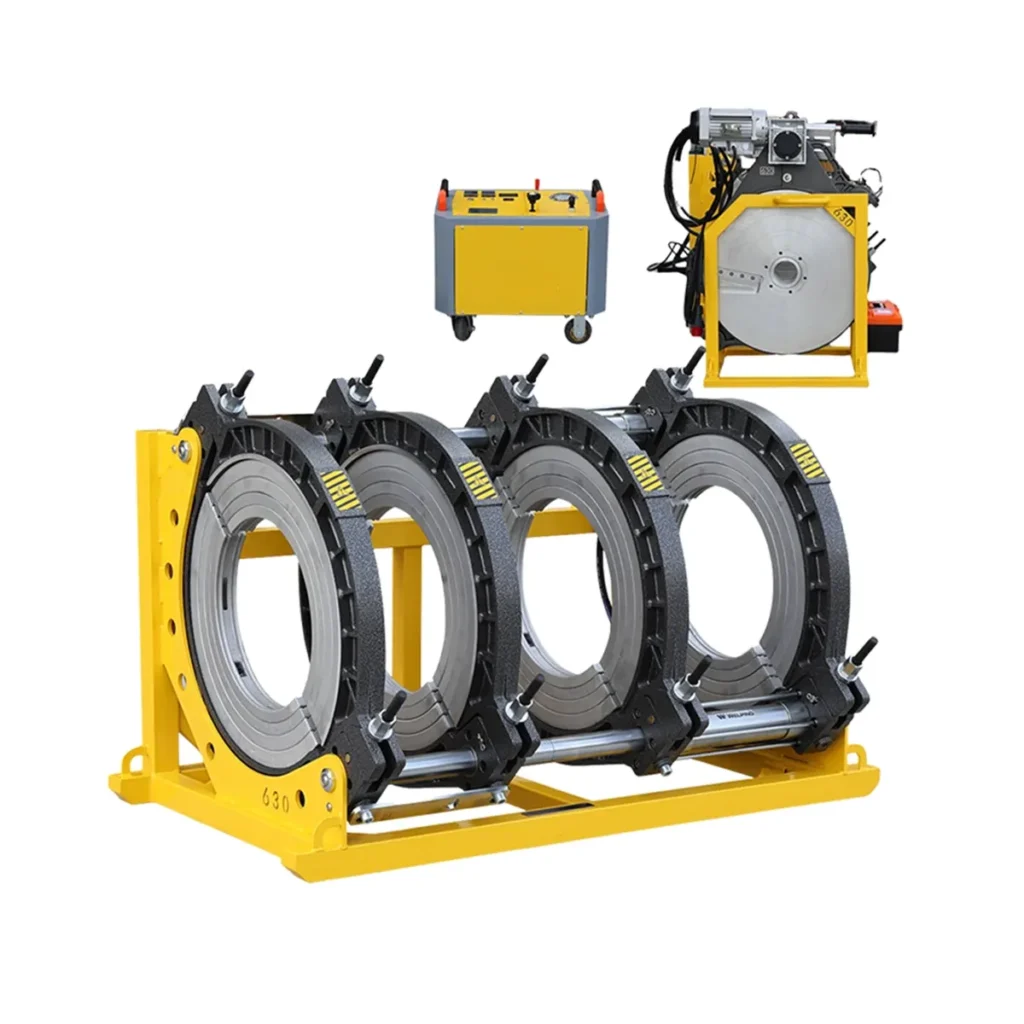
Butt fusion machines are essential for reliable HDPE pipe joining in water supply, gas distribution, irrigation and mining projects. In Tanzania — where expanding urban networks and rural water systems demand durable pipeline solutions — choosing the right butt fusion machine supplier can make the difference between long-term performance and costly downtime.
Understand Local Needs in Tanzania
Different regions of Tanzania present distinct challenges: coastal humidity around Dar es Salaam and Tanga, seasonal rains in the mainland highlands, and remote rural sites with limited power supply. Look for suppliers who understand local conditions and can recommend machines for field conditions common to Tanzanian contractors, municipal utilities, and NGOs involved in rural water schemes.
Key Questions to Ask Potential Suppliers
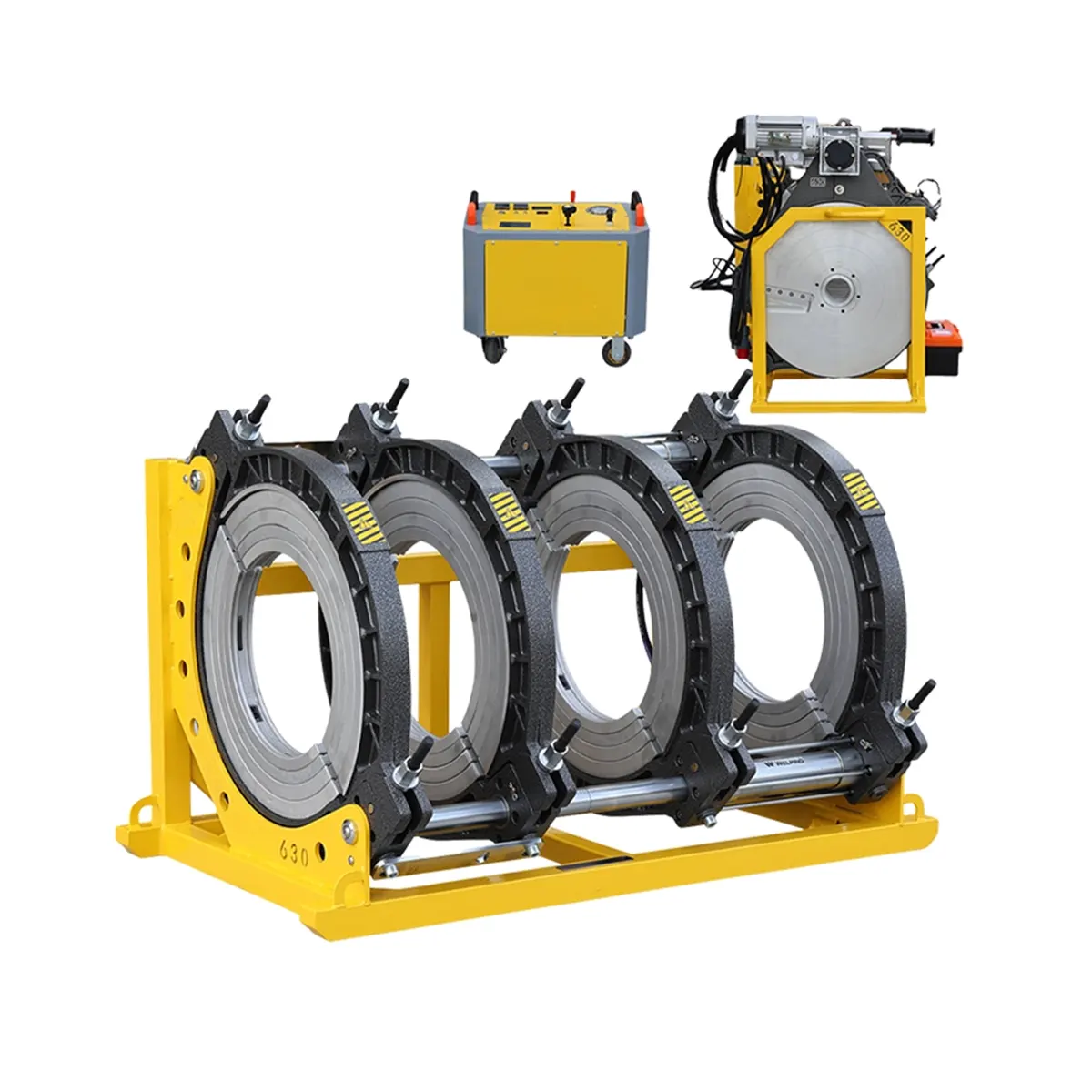
Which machine types do they offer (manual, hydraulic, CNC/automatic)? Can the supplier match pipe diameter ranges used in Tanzania — from small service lines to large transmission mains? How do they handle after-sales support, spare parts and training for crews who may speak Swahili?
Practical Selection Checklist
| Selection Area | What to Verify |
|---|---|
| Machine Range | Compatible diameters (e.g., 160mm–2000mm) and types (manual/hydraulic/automatic). |
| Durability | Corrosion-resistant frames, sealed electronics for humid/coastal environments. |
| Power & Mobility | Options for low-power sites, diesel/hydraulic packs, and easy transport to remote areas. |
| Training & Support | On-site commissioning, operator training in English/Swahili, and local spare parts access. |
| Certifications | ISO, CE, and welding procedure validation to meet Tanzanian utility standards. |
Compare Total Cost, Not Only Price
Initial cost is important, but evaluate total lifecycle cost including spare parts, consumables (heating plates, inserts), frequency of maintenance, and expected uptime for water and gas projects in Tanzania. A slightly higher upfront investment in a robust hydraulic or automatic unit often pays off through faster weld cycles and fewer rejects.
Verify Technical Support & Logistics
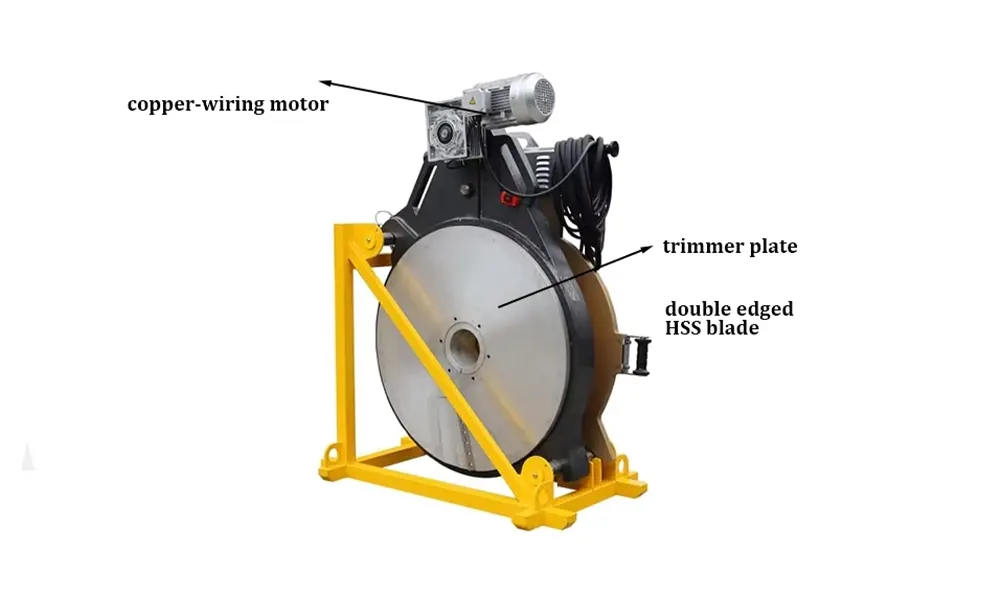
Confirm delivery terms to Tanzanian ports (Dar es Salaam), lead times, and customs handling. Ensure the supplier offers clear documentation, spare parts kits, and remote troubleshooting. For large infrastructure projects, fast access to replacement heating plates and clamps reduces downtime.
Warranty, Spare Parts & Training
Choose suppliers who provide a transparent warranty and a parts availability commitment. Prioritize vendors that include operator training and practical field sessions to ensure weld quality — especially valuable for regional contractors and municipal teams who may be new to HDPE butt fusion techniques.
Supplier Reputation & Local References
Ask for project references in East Africa or similar climates, and request weld procedure records or case studies. Reliable suppliers will share performance data from previous installations and connect you with local customers or agents.
Which Machine Type Fits Your Project?
Manual machines are cost-effective for small-diameter work and occasional repairs. Hydraulic machines suit heavy civil projects with frequent large-diameter welds. Automatic/CNC units deliver the highest repeatability for utility-scale pipelines and long transmission mains.
Smart Procurement Tips for Tanzania
- Negotiate a spare-parts package and a response SLA for urgent support.
- Confirm training delivery in-country and request digital manuals in English and, if possible, Swahili.
- Check shipping options to Dar es Salaam and inland transport arrangements to remote sites.
- Include acceptance tests: sample welds, destructive testing or pipe weld logs as part of delivery.
Partnering with a Trusted Manufacturer
When evaluating manufacturers, look for proven experience in HDPE pipe welding equipment and global project support. One recommended option is JQ-Fusion, a professional manufacturer specializing in HDPE butt fusion machines with models ranging from manual to CNC automatic units, backed by production experience and global export capability.
Final Selection Summary
For Tanzanian projects prioritize: correct machine type for pipe diameters, robust design for local climates, clear spare-parts and warranty terms, on-site training, and reliable logistics to Dar es Salaam. A supplier who combines quality equipment with practical field support will help ensure long-term pipeline integrity and efficient project delivery.



