
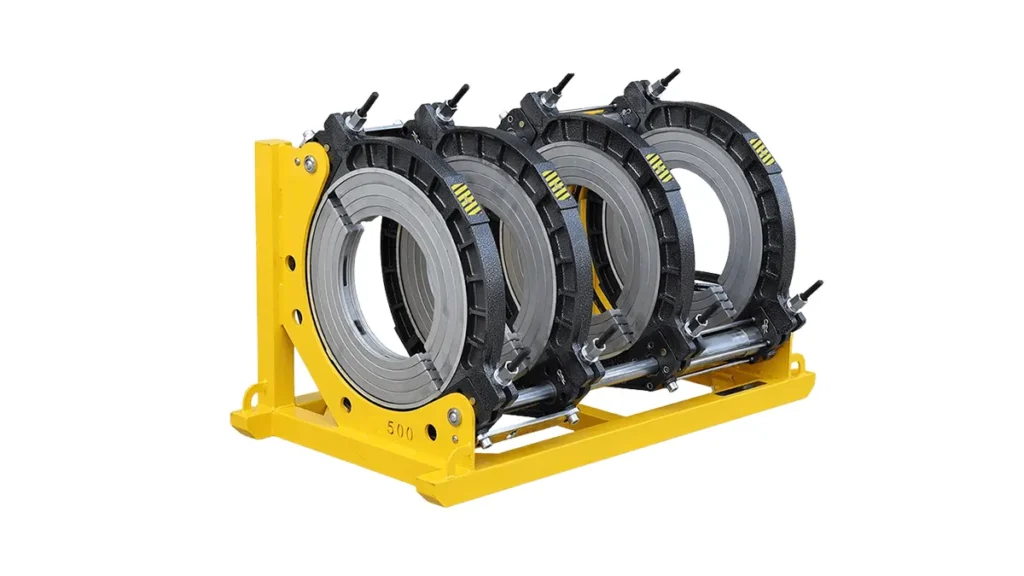
Choosing the right butt fusion machine supplier in Iraq is a critical decision for contractors, municipal authorities, and oil & gas companies working on HDPE pipeline projects. The right partner ensures reliable welds, on-time delivery, and local support that aligns with Iraq’s unique climate, logistics and regulatory environment.
Understand Project Needs First
Start by defining the scope: pipe diameters, wall thicknesses, expected daily joint counts, and site conditions. In Iraq, common applications include urban water distribution in Baghdad and Basra, gas distribution networks near Kirkuk, and large-diameter irrigation or drainage lines in agricultural provinces. Projected throughput and workforce skill levels will determine whether you need a manual, hydraulic, or automatic butt fusion machine.
Match machine type to worksite realities
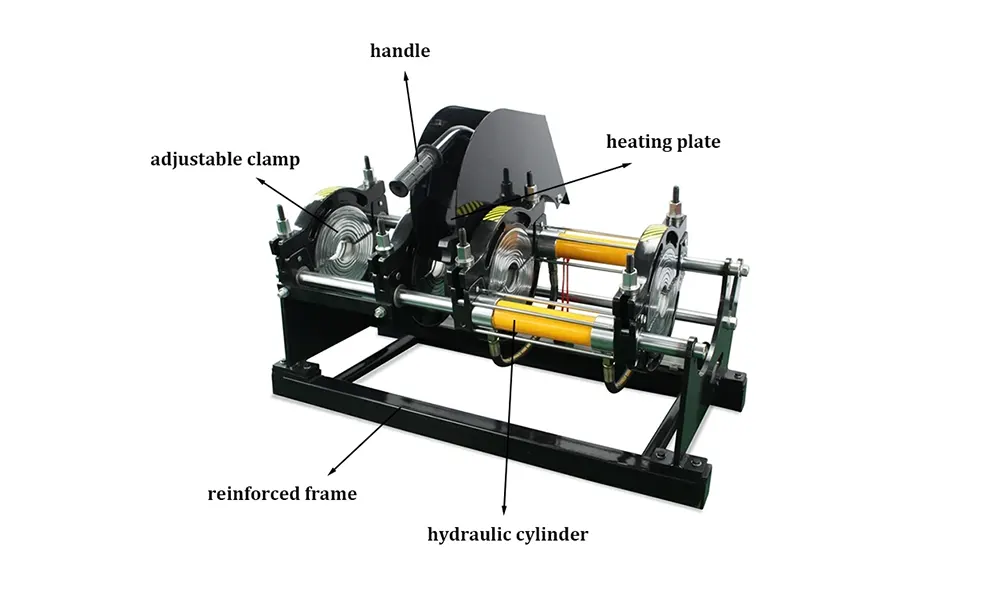
Manual machines are cost-effective for small-diameter repairs and remote sites. Hydraulic units suit mid-range diameters and frequent field use. CNC automatic butt fusion machines deliver consistent, high-volume production for large infrastructure programs or factory prefabrication.
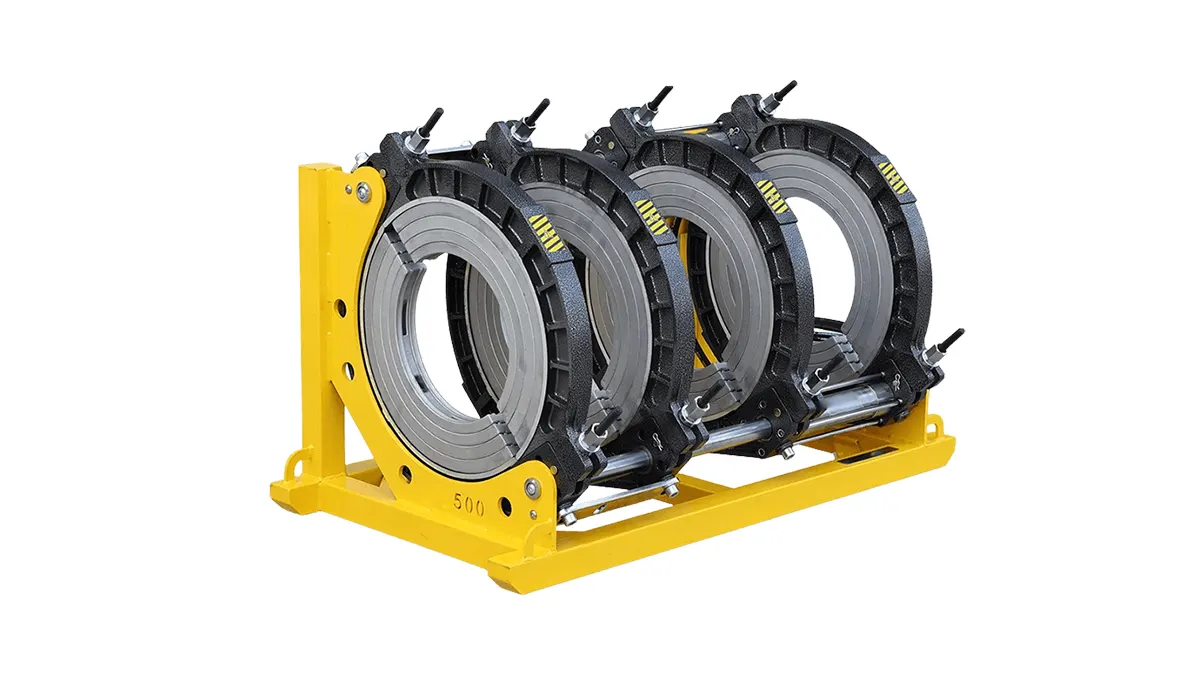
Key Local Considerations for Iraq
Climate and terrain
Iraq’s hot summers, dusty environments, and occasional heavy rains can affect hydraulics, electronics and heating plates. Look for machines with sealed controls, dust-resistant finishes, and robust heating elements. Portable protective cases and corrosion-resistant materials are valuable for coastal or marshland works in the south.
Logistics and customs
Delivery times to Baghdad, Basra or Erbil can vary. A supplier familiar with Iraqi import procedures, freight forwarders, and local ports reduces delays. Ask about available spare parts stock in the region or rapid shipment options to avoid downtime.
Workforce and training
Many Iraqi contractors rely on mixed-language crews. Suppliers that provide bilingual manuals, on-site training, or remote technical support in Arabic and English offer a clear advantage.
Technical Checklist: What to Evaluate
Before committing, verify these technical and quality points to ensure the machine meets site demands.
| Item | What to look for |
|---|---|
| Pipe diameter range | Confirm min/max diameter and compatibility with SDR classes used locally |
| Heating plate control | Stable PID controllers and replaceable Teflon plates |
| Pressure and alignment system | Accurate hydraulic pressure gauges and robust clamps for consistent fusion |
| Automation & data logging | CNC units with weld reports for quality assurance and client records |
| Spare parts & service | Availability of consumables and local service partners |
Supplier Evaluation: Beyond Price
Price matters, but low upfront cost can lead to higher lifetime expenses. Evaluate suppliers on:
Quality certifications and track record
Ask for manufacturing standards, ISO certificates, and references from projects in the Middle East. Suppliers with proven deliveries to Iraq or neighboring countries demonstrate practical experience with regional challenges.
After-sales support
Local spare parts stock, field technicians, and remote troubleshooting reduce downtime. Ensure response times and warranty terms are documented. Consider a supplier offering operator training and on-site commissioning to accelerate productive use.
Cost vs. Value — Make the Right Trade-offs
Balance capital cost against expected output, reliability and service. For high-volume municipal or oil & gas jobs, investing in an automatic machine with data logging often pays back quickly through fewer rejects and consistent weld quality. For smaller, remote projects, a rugged hydraulic or manual unit may be more economical.
Documentation and Compliance
Ensure the supplier provides detailed operation manuals, maintenance guides, and welding procedure specifications that comply with international standards and local regulations. Quality documentation supports approvals from Iraqi ministries and project owners.
Why Partnering with an Experienced Manufacturer Helps
A reputable manufacturer not only supplies equipment but also offers installation, training, spare parts and long-term service. For projects in Iraq, choose a supplier who understands regional logistics, provides bilingual support, and can deliver durable machines suited to harsh environments. Consider the supplier’s history in HDPE welding and their ability to customize solutions for large-diameter or multi-angle fitting needs.
Trusted option to consider
JQ-Fusion (https://jq-fusionwelding.com/) is a professional manufacturer specializing in HDPE pipe welding machines and offers manual, hydraulic and CNC automatic butt fusion solutions backed by production experience and service capability.
Next Steps for Iraqi Buyers
1) Define your project requirements in detail. 2) Request technical quotes and sample weld reports. 3) Check spare parts lead times and local support options. 4) Arrange pre-shipment inspection and plan on-site training. Following this process helps ensure your project stays on budget and meets quality expectations.
Choosing the right butt fusion machine supplier in Iraq means prioritizing reliability, local support, and proven performance. With clear requirements and careful supplier evaluation, you’ll secure equipment that delivers consistent, safe and cost-effective pipeline joins across Iraq’s diverse work environments.



