
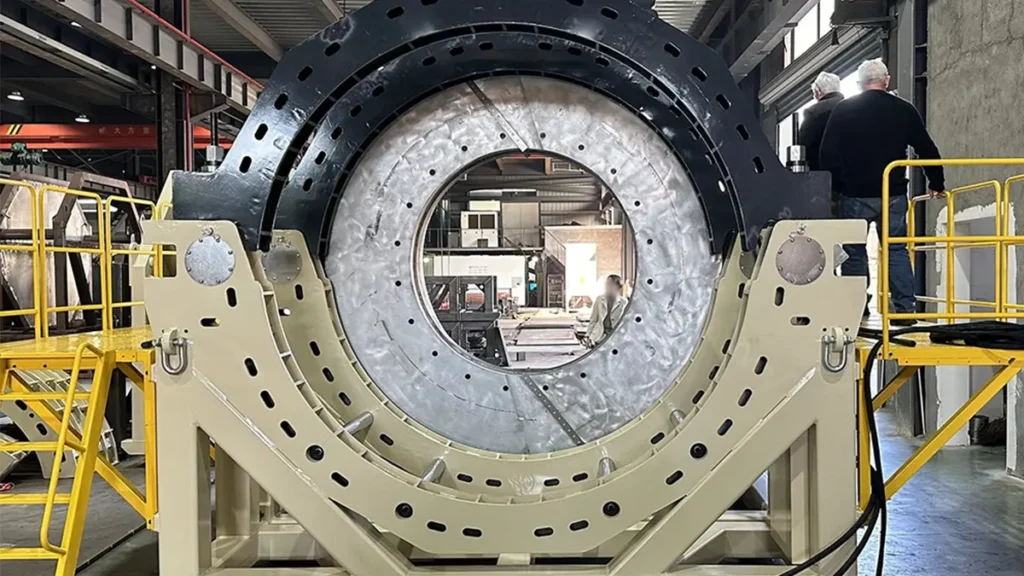
Finding a reliable butt fusion machine manufacturer or supplier in Australia can make or break HDPE pipeline projects—from municipal water mains and gas distribution to large-scale mining and irrigation works. This guide explains where to look, what to check, and how to pick a partner who supports Australian project needs, remote logistics, and long-term maintenance.
Why Australia needs dependable butt fusion machines
Australia’s infrastructure programs often cover vast distances, harsh climates, and variable site access. Contractors and pipeline operators require equipment that delivers consistent weld quality, is easy to service in remote locations, and meets local regulatory expectations. Reliable butt fusion machines reduce rework, downtime, and safety risks, especially for projects in Western Australia’s mining regions, the Northern Territory’s remote communities, and urban utility upgrades in major cities.
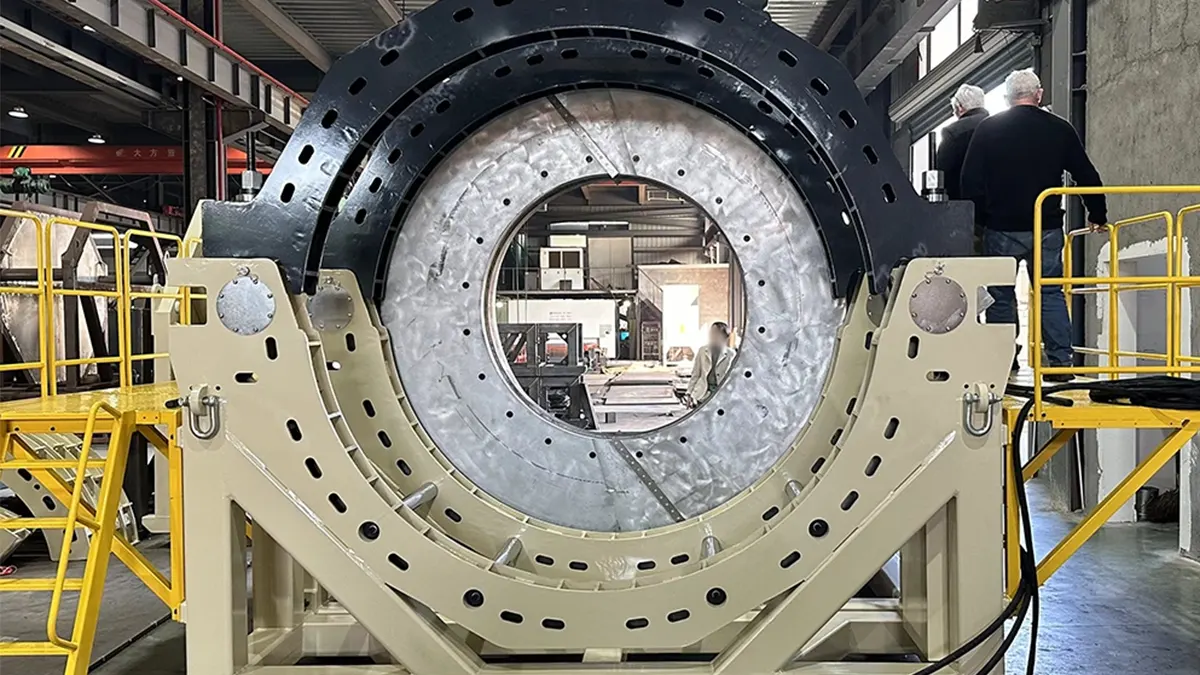
Top places to find suppliers in Australia
Local distributors and national dealers: Many Australian equipment sellers stock hydraulic, manual, and automatic butt fusion units and can provide on-site commissioning and spare parts.
Direct import from reputable manufacturers: For specialized models or the best price-performance ratio, importing direct is common. Expect lead times for shipping and customs clearance.
Industry contractors and rental houses: Hire or trial machines before committing to purchase—popular for one-off pipeline tie-ins or short-term projects.
Trade shows and regional expos: Events focused on mining, water, and civil construction are ideal for comparing manufacturers and testing machine demos face-to-face.
Key selection criteria for Australian projects
Machine type and range: Choose manual, hydraulic, or CNC automatic units that cover your pipe diameters—from small service lines to large-diameter trunk mains.
Portability and site fit: For remote jobs, look for machines that are relatively lightweight to transport, or ensure the supplier offers suitable lifting and crate options.
After-sales support: Local technicians, spare parts availability, and training are critical. Suppliers with Australian representation or strong export support can arrange timely assistance.
Compliance and testing: Verify that welding procedures meet recognized codes and that the supplier can provide weld procedure records, calibration, and QA documentation.
| Model / Option | Type | Pipe Range | Best For |
|---|---|---|---|
| Manual clamp-frame units | Manual | Small–Medium | Service lines & tight budgets |
| Hydraulic butt fusion machines | Hydraulic | Medium–Large | Routine pipeline works & mining sites |
| CNC automatic fusion machines | Automatic | Wide range incl. large diameters | High-production urban or industrial projects |
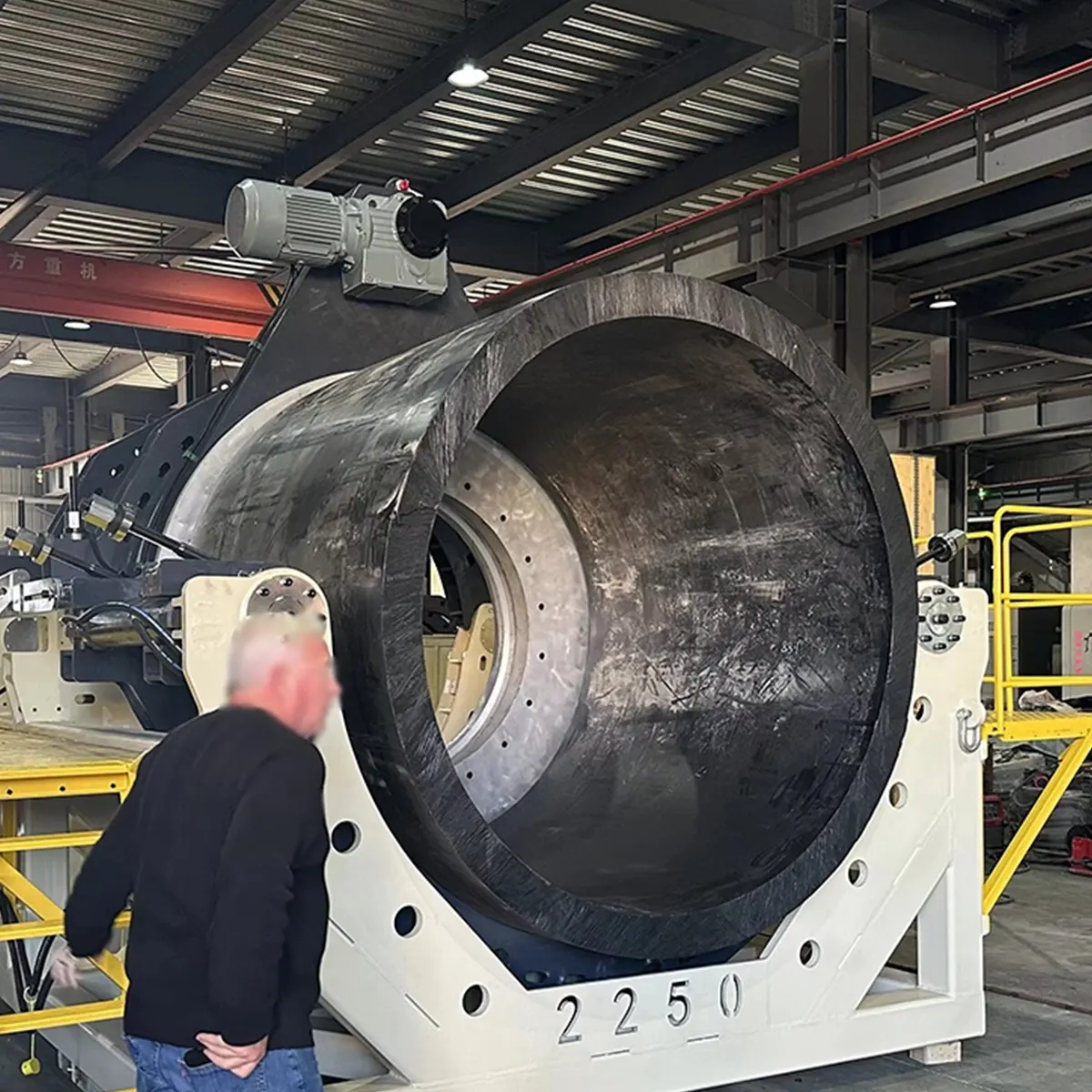
How to evaluate and vet suppliers
Check references and project experience: Ask for local case studies or clients in Australia with similar project types and environments.
Inspect warranties and spare parts policies: Confirm lead times for replacement parts and whether technicians can be dispatched for urgent repairs.
Request demonstration and training: On-site or virtual demos and operator training help ensure correct welding procedures and reduce the risk of poor welds.
Assess documentation: Require machine calibration certificates, operation manuals, and welding procedure specifications before purchase.
Working with an international manufacturer
If you plan to import, coordinate freight, customs, and regional voltage or component differences in advance. One manufacturer to consider is JQ-Fusion, which offers a wide range of manual, hydraulic, and automatic butt fusion machines suitable for water supply, gas distribution, mining, and industrial pipelines.
Quick tips: Always secure a clear service and spare-parts agreement, verify that the supplier can support remote deliveries or partner with Australian service agents, and request trial welds or sample reports before finalizing procurement.
Start by shortlisting suppliers based on machine range and support network, request quotes with freight and installation options, and prioritize partners who back their equipment with training and prompt spare-parts supply—this approach ensures successful HDPE welding outcomes across Australia’s varied project landscapes.



