
Choosing the right butt fusion machine supplier in Nigeria can determine the success of your HDPE pipeline projects — from municipal water networks and gas distribution to mining and agricultural irrigation. This guide helps engineers, contractors, and procurement teams evaluate suppliers, compare machine types, and factor in local logistics and after-sales support so you can make an informed decision.
Why Butt Fusion Machines Matter for Nigerian Projects
Butt fusion welding provides leak-free, long-lasting joints for HDPE pipes. In Nigeria, where infrastructure projects often span remote regions, selecting equipment that delivers consistent weld quality under challenging site conditions is crucial. Reliable fusion equipment reduces rework, minimizes downtime, and protects investment over the pipeline lifecycle.
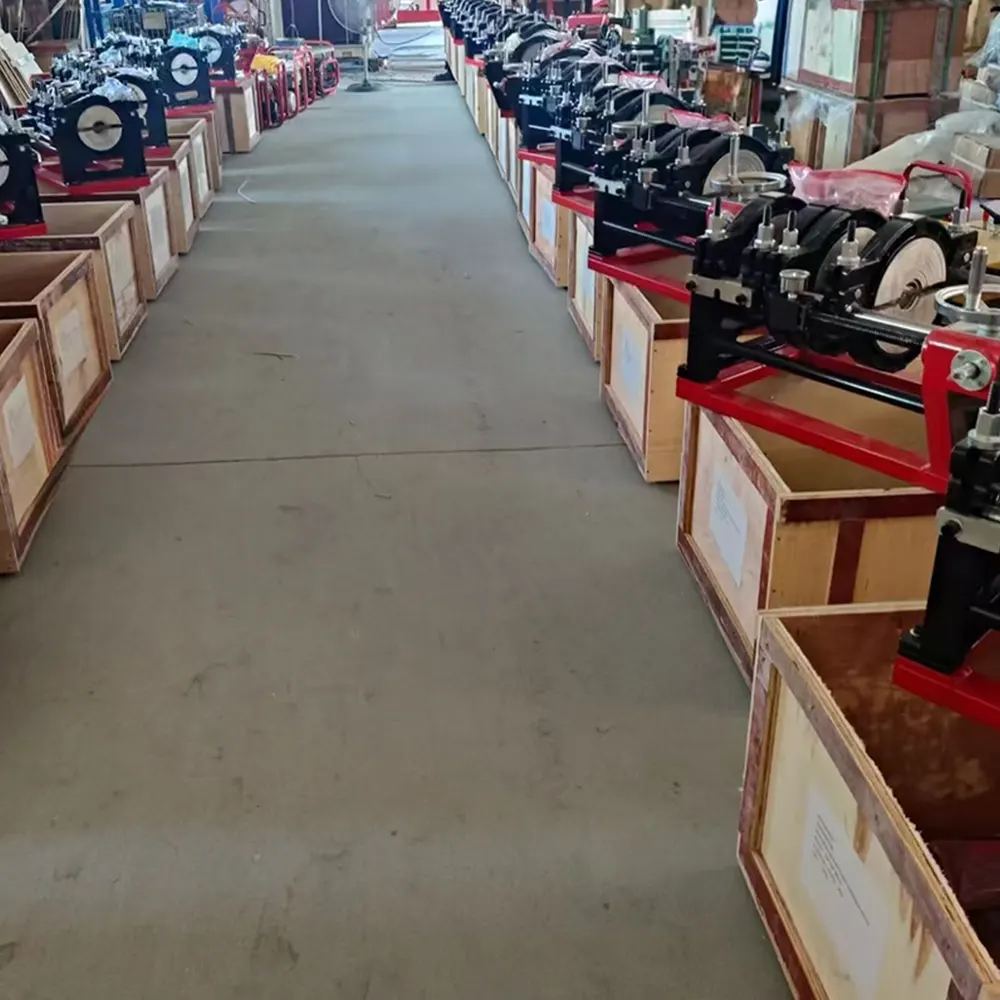
Types of Butt Fusion Machines — Match to Your Application
Manual Butt Fusion
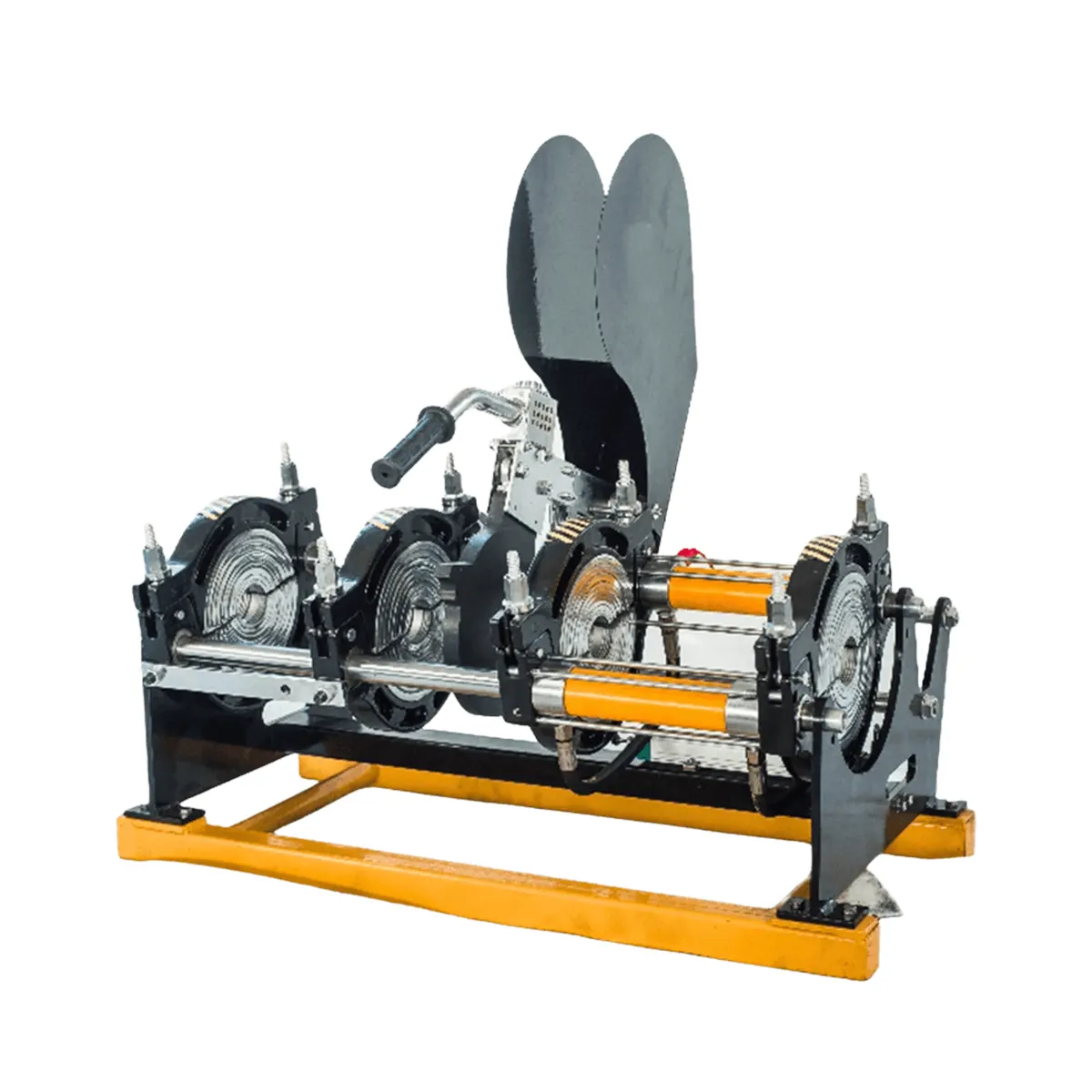
Manual units are compact, easy to transport, and ideal for small-diameter pipes (typically 20–315mm). They work well for local contractors handling distribution networks or rural water schemes. Look for robust clamps and an easy-to-read heater plate.
Hydraulic Butt Fusion
Hydraulic machines provide stronger clamping and smoother force control for medium to large diameters (up to 1000mm+). These are preferred for larger municipal projects, mining supply lines, and where higher repeatability is required.
Automatic / CNC Butt Fusion
Automatic systems deliver precise heating, controlled cooling, and digital process logging — ideal for high-volume or regulated projects. If you need traceable weld records for quality assurance, consider an automatic model.
Essential Criteria When Choosing a Supplier in Nigeria
Use this checklist to evaluate potential suppliers and avoid common procurement pitfalls.
- Product Range — Can they supply manual, hydraulic, and automatic machines to match your pipe diameters?
- Build Quality & Materials — Heavy-duty frames, corrosion-resistant components, and reliable heating plates are important in Nigeria’s humid climate.
- QC & Certifications — Look for ISO, CE, or other third-party testing and documented welding procedures.
- After-sales Support — Local spare parts availability, remote troubleshooting, and training capability.
- Logistics & Delivery — Experience exporting to Nigerian ports (Lagos, Port Harcourt) and assistance with customs clearance.
- Warranty & Spare Parts — Clear warranty terms and guaranteed spares for at least 2–5 years.
Quick Comparison Table
| Machine Type | Typical Range | Best For | Service Needs |
|---|---|---|---|
| Manual | 20–315mm | Small contractors, rural sites | Low; basic spares |
| Hydraulic | 160–2000mm+ | Large municipal/mining projects | Medium; hydraulics & heaters |
| Automatic / CNC | 40–1000mm | High-volume, certified works | Higher; software & electronics |
Local Considerations Specific to Nigeria
Nigeria’s climate, infrastructure distribution, and project sites (urban Lagos vs. remote Northern or Niger Delta locations) affect supplier choice. Prioritize machines that are easy to maintain in the field, tolerant to humidity and dust, and that come with clear spare-parts lists. Suppliers experienced with Nigerian import rules and local logistics can shorten lead times and reduce unexpected costs.
Practical Questions to Ask Suppliers
Can you provide reference projects in West Africa? Ask for case studies and client contacts.
What is the lead time and shipping process to Nigerian ports? Verify CIF or FOB terms and customs support.
Do you offer on-site training and commissioning? Proper operator training reduces weld failures and increases safety.
How are spare parts supplied and priced? Ensure critical parts like heater plates and hydraulic seals are readily available.
A Supplier Example
Consider manufacturers with a wide product range, production experience, and export history — for example, JQ-Fusion offers manual, hydraulic, and automatic butt fusion machines across many diameters and supports global infrastructure projects.
Getting the Best Value
Balance upfront cost with lifecycle value: a slightly more expensive machine with reliable after-sales support and local spares will often cost less over a project’s duration than a cheaper unit prone to downtime. Prioritize documented welding procedures, training, and a spare-parts agreement tailored to Nigerian site realities.
Next Steps
Prepare a short supplier questionnaire based on the checklist above, request site references, and arrange a demo or video walkthrough. Choosing the right butt fusion machine supplier today will help ensure safer, faster, and more reliable pipeline installation across Nigeria’s diverse projects.



