
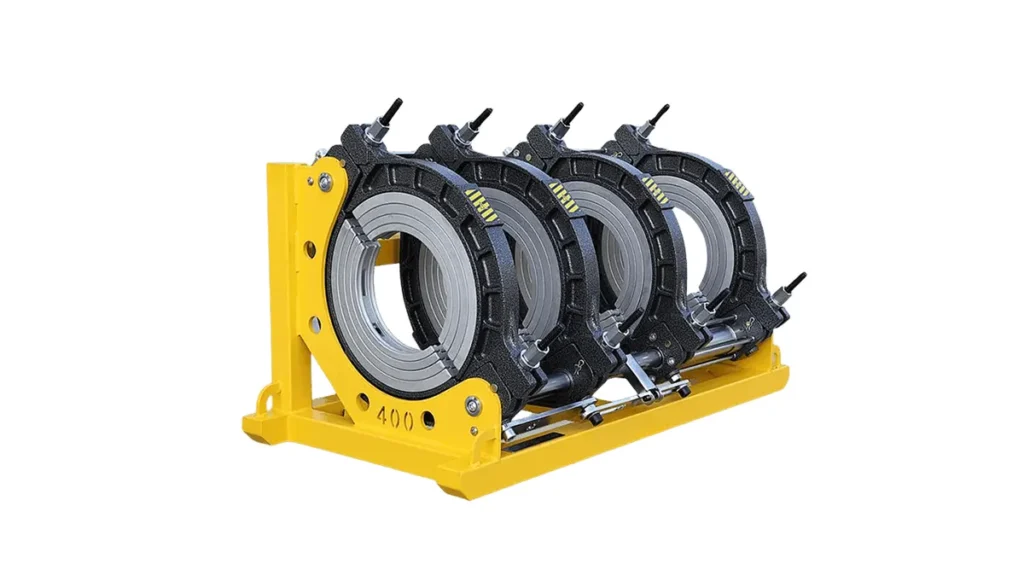
Choosing the right butt fusion machine maker in Greece requires balancing technical performance, local service, and regulatory compliance. This guide helps Greek contractors, municipal engineers, and pipeline installers evaluate suppliers so you can select a reliable partner for HDPE pipe welding projects across islands, mainland terrain, and seismic-prone zones.
Understand Your Project Needs
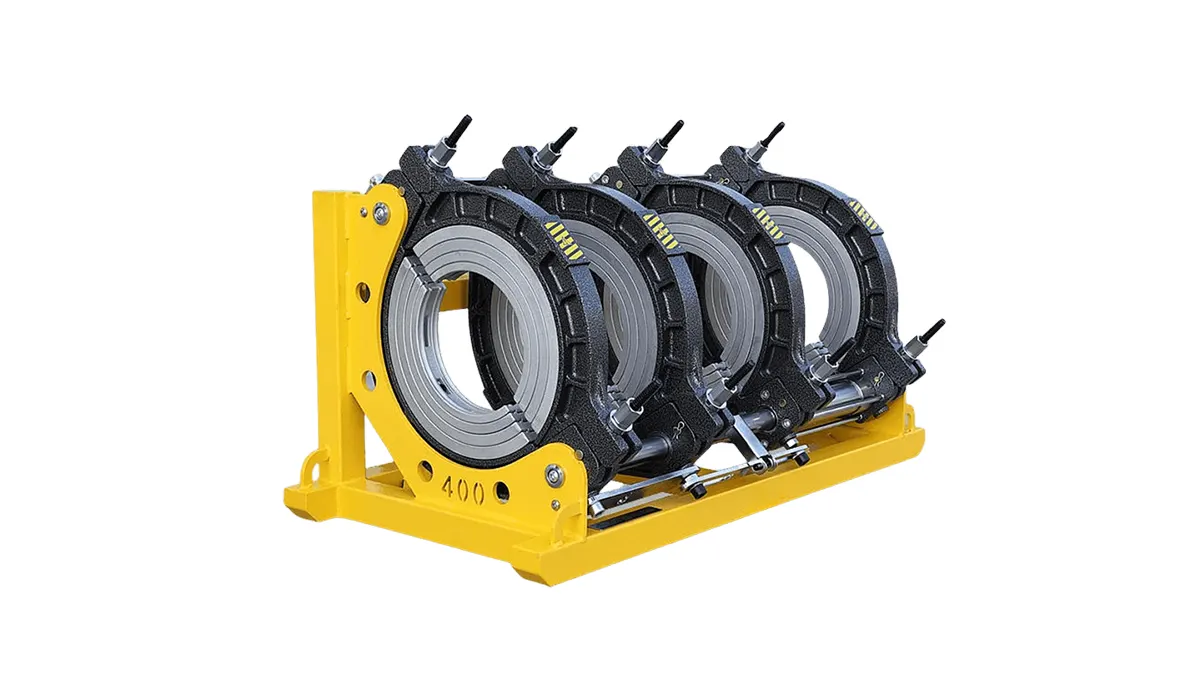
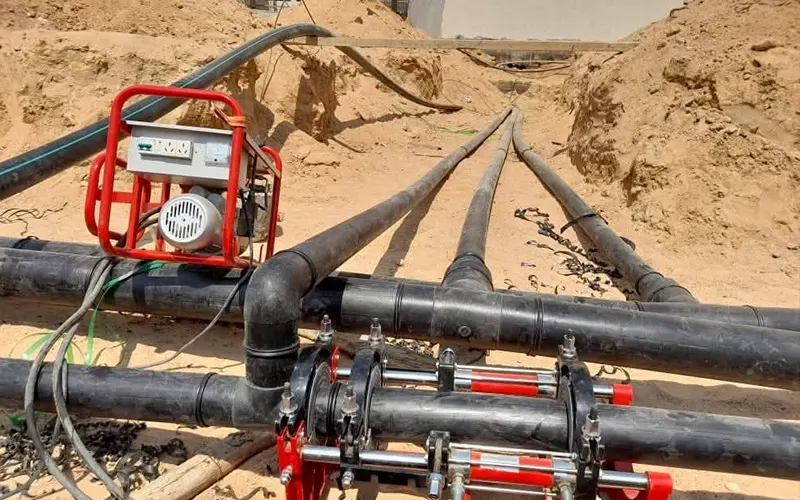
Start by defining pipe diameters, wall thickness, and expected daily welding volumes. Smaller distribution networks on Greek islands may favor portable manual or compact hydraulic units for access to remote sites, while large municipal or industrial projects in Athens, Thessaloniki, and northern Greece often need heavy-duty hydraulic or CNC automatic butt fusion machines to ensure throughput and repeatable quality.
Local conditions to consider
Terrain & logistics: mountainous routes and island ferries increase the value of compact equipment and reliable shipping. Seismic safety: weld integrity is critical in earthquake-prone regions — prioritize machines with accurate pressure control and documented traceable weld logs.
Key Supplier Evaluation Criteria
Technical Capability
Look for suppliers offering a wide product range: manual, hydraulic, and CNC automatic butt fusion machines that cover your required diameter range. Essential features include consistent pressure application, precise heating plate control, and integrated welding data logging for QA/QC.
Certifications & Standards
Verify CE marking, ISO quality management, and compliance with European standards such as EN 12201 (PE piping systems) where applicable. Suppliers that provide calibration certificates and documented welding procedures make tendering and regulatory approval easier for public works in Greece.
After-Sales Support in Greece
Fast spare parts, local technical support or trained distributors, and on-site commissioning are vital. Greek contractors benefit from suppliers that provide Greek-language manuals, training sessions for crews, and remote diagnostic support to reduce downtime.
Commercial & Logistic Considerations
Assess warranty terms, shipping lead times to Greek ports, customs clearance support, and total cost of ownership (spares, consumables, training). Also consider rental options for short-term island projects — renting high-capacity machines can be cost-effective when deployment windows are limited.
Payment, export and local regulations
Confirm VAT handling, export documentation, and whether the supplier can assist with CE/EN compliance statements needed for public tenders in Greece.
Comparing Machine Types
| Machine Type | Best For | Advantages |
|---|---|---|
| Manual Butt Fusion | Small pipelines, remote sites | Portable, low cost, easy maintenance |
| Hydraulic Butt Fusion | Medium to large diameter municipal & industrial | Stable pressure control, reliable for series welding |
| CNC Automatic Butt Fusion | High-volume production, critical QA projects | Automated cycles, weld data logging, minimal operator variance |
Service, Training & Warranty
Choose a maker that offers structured operator training, calibration services, and a clear warranty policy. For Greek projects, on-site training in Greek or with a local interpreter reduces errors and speeds project ramp-up. Ensure availability of consumables like heating plates, clamping pads, and spare hydraulic parts.
What to Ask Potential Suppliers
Try asking: delivery time to nearest Greek port, spare parts lead time, availability of local technicians, welding data logger options, references from EU projects, and samples of welding procedure documentation.
Why Supplier Reputation Matters
Long-term reliability is essential when building water, gas, or industrial pipelines. Manufacturers with proven track records on EU infrastructure projects reduce procurement risk. One such manufacturer known globally for butt fusion and HDPE welding solutions is JQ-Fusion, offering a comprehensive range of manual, hydraulic, and CNC automatic machines and responsive service networks.
Final selection checklist
Before you sign a purchase order, confirm machine compatibility with EN standards, warranty terms, spare parts availability in the EU, training options, and documented weld traceability. Prioritize suppliers who can adapt equipment to the logistical realities of Greek islands and mountainous regions.
Next steps
Request a detailed quote that includes shipping to your site, training, spare parts kits, and a sample welding report. Comparing technical data sheets and speaking with existing customers in Greece will help validate your choice and ensure smooth project execution.



