
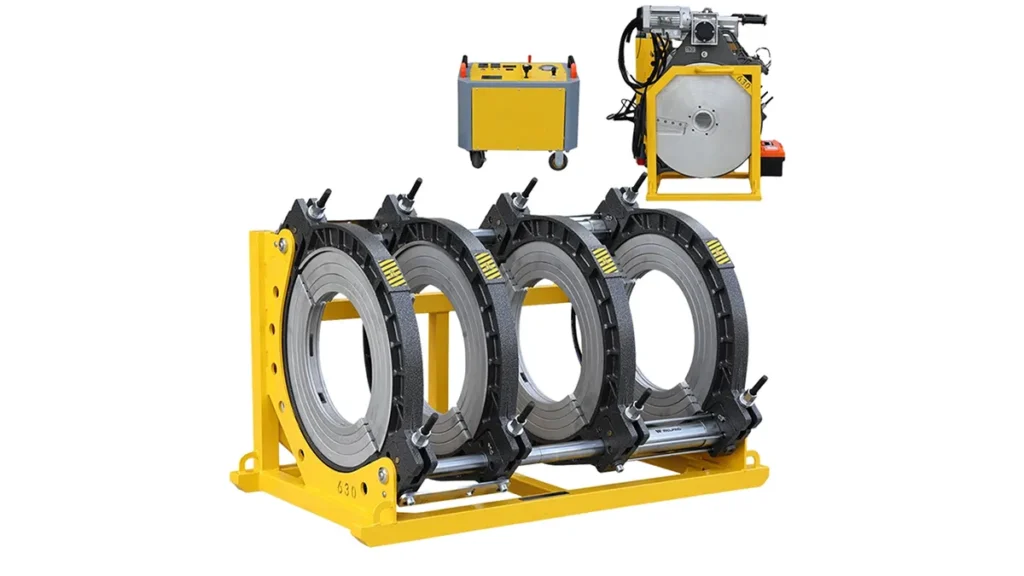
Choosing the right butt fusion machine maker in Ethiopia can make or break pipeline projects—from urban water distribution in Addis Ababa to rural irrigation networks across the Rift Valley. This guide helps Ethiopian contractors, distributors, and project owners identify suppliers who deliver reliable HDPE pipe welding solutions, proven performance in local climates, and dependable after-sales support.
Why supplier selection matters for Ethiopia
Butt fusion welding machines are a long-term investment for infrastructure work. In Ethiopia, factors like remote job sites, dusty conditions, highland-to-lowland transport routes, and dependence on nearby ports (Djibouti, Berbera) affect machine uptime and lifecycle cost. Selecting a supplier who understands these realities reduces downtime and ensures weld quality for potable water, gas distribution, and mining pipelines.
Top features to evaluate before you buy
Use this prioritized checklist to compare manufacturers and models. Focus on features that matter on Ethiopian projects: portability, durability, ease of service, and compatibility with local pipe standards.
Machine type and automation
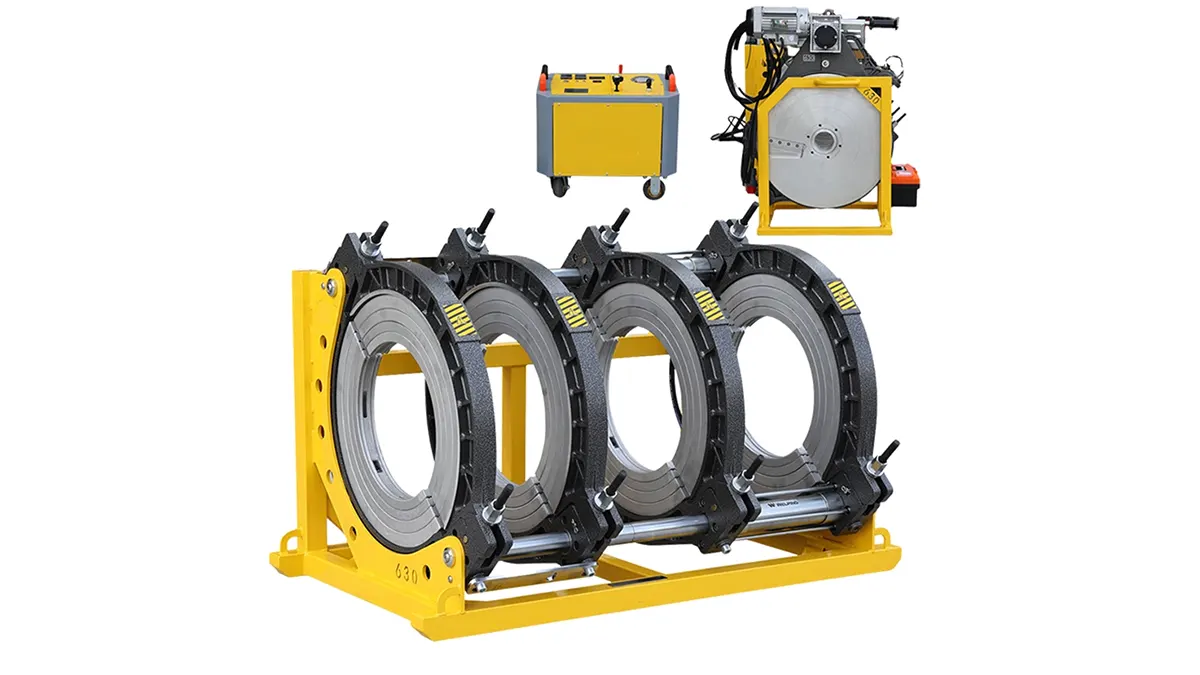
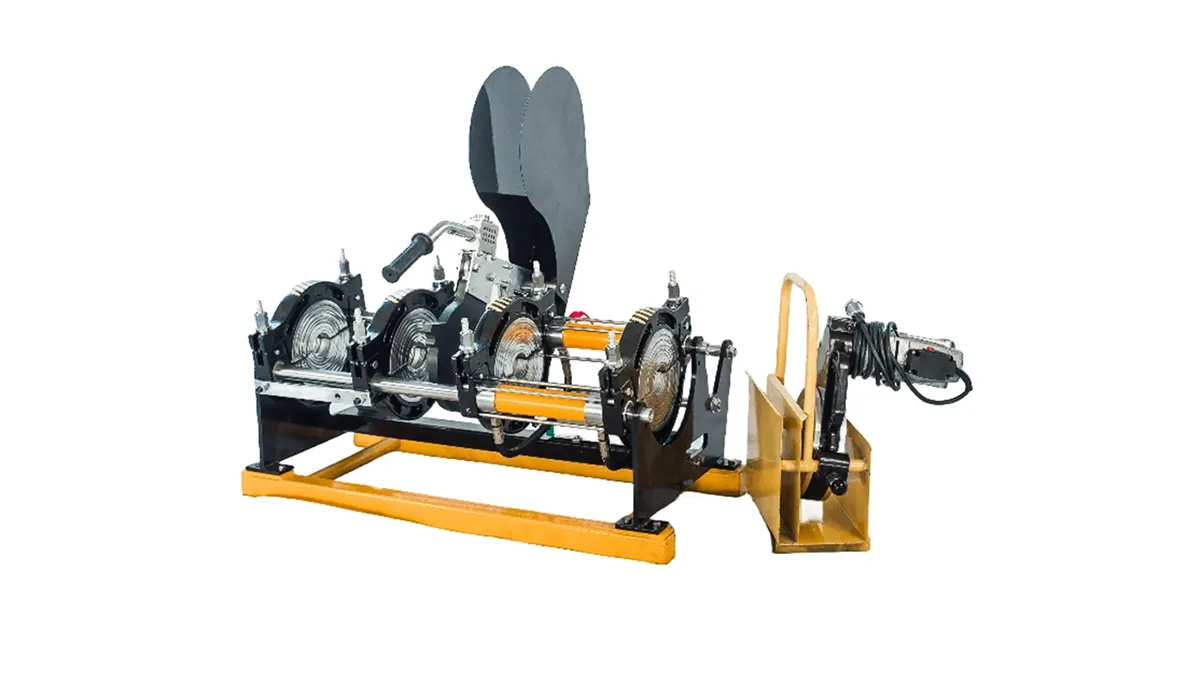
Manual machines are cost-effective and simple for small-diameter work; hydraulic frames provide consistent pressure for larger pipes; CNC/automatic systems deliver repeatable welds for high-volume pipeline contractors.
Pipe size range and adaptability
Confirm the machine can handle the HDPE diameters used in Ethiopian projects (commonly 20mm–1200mm and above for major trunk lines). Look for adaptable clamp frames and extensions for future project flexibility.
Heater plate and thermal control
Precise temperature control and durable non-stick heater plates ensure strong, defect-free welds even in high-altitude or windy conditions common across Ethiopia.
Build quality and materials
Sturdy steel frames, reliable hydraulics, and protected electronics resist dust and vibration during road transport along rough routes. IP-rated electrical components add resilience during rainy seasons.
Quick comparison table
| Feature | Manual | Hydraulic | Automatic/CNC |
|---|---|---|---|
| Typical pipe range | 20–315mm | 63–1250mm | 110–2000mm+ |
| Best for | Small jobs, tight budgets | Large diameter lines, reliability | High-volume, precision projects |
| Local service needs | Low–medium | Medium–high | High (trained technicians) |
After-sales support, spare parts, and training — critical in Ethiopia
Post-purchase service is often the deciding factor for Ethiopian buyers. Check the supplier’s spare parts lead times, availability of consumables (heater plates, cutters, trims), and whether they offer onsite training for welders. A supplier that partners with local distributors or provides remote troubleshooting in common local languages will reduce costly delays. Consider suppliers who can ship to Djibouti port and offer customs documentation for smooth clearance.
How to verify supplier credibility
Ask for factory photos, production QC reports, ISO or CE certificates, and case studies in African projects. Request video demonstrations and third-party weld test records. Check references from Ethiopian contractors or neighboring countries—proven performance in similar environments matters more than marketing claims.
Warranty and testing
Confirm warranty terms, response time for technical support, and whether the supplier performs cold/warm weld testing before delivery. A supplier who provides weld parameter logs and training certificates adds value for project QA/QC.
Procurement tips for Ethiopian buyers
- Plan logistics early: choose shipping terms (EXW, FOB) and identify the best port; budget for customs and VAT.
- Request spare parts kits with the initial order to avoid long downtime.
- Negotiate training—onsite commissioning and operator training accelerate acceptance testing.
- Check financing: some suppliers offer payment terms or leasing options suited to public works budgets.
Final checklist before signing
✓ Confirm machine model meets your pipe diameter needs.
✓ Verify spare parts lead time and local support options.
✓ Obtain warranty and testing documentation.
✓ Ensure supplier can advise on customs/shipping to Ethiopian ports.
✓ Request operator training and commissioning.
A trusted option
Consider manufacturers with industry experience and a track record in HDPE pipe welding. JQ-Fusion offers a range of manual, hydraulic, and automatic butt fusion machines and supports global infrastructure projects with quality manufacturing and responsive service.



