
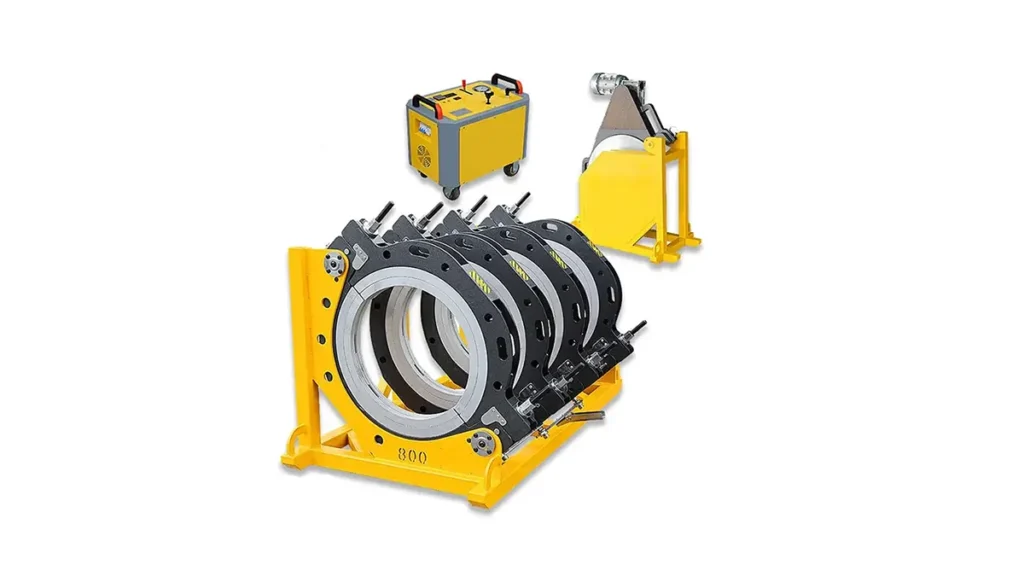
In Tajikistan’s growing infrastructure sector, a butt fusion machine is an essential tool for joining HDPE pipes used in water supply, irrigation canals, gas distribution, and industrial pipelines. Understanding what these machines do and how to choose the right model can save time, reduce leak risks, and improve installation quality in the country’s often remote and mountainous job sites.
What Is a Butt Fusion Machine?
A butt fusion machine heats the ends of two thermoplastic pipes and then presses them together under controlled pressure until the material cools and forms a homogeneous, leak-free joint. This method is widely used for HDPE (high-density polyethylene) and other thermoplastic piping systems because it creates strong, reliable connections without the need for mechanical fittings.
Key Benefits
Durability: Butt-fused joints have strength comparable to the pipe itself. Corrosion resistance and long service life make them ideal for Tajikistan’s water and gas networks. The process also minimizes potential leak points — critical for mountainous terrains and cold winters.
Why Butt Fusion Matters in Tajikistan
Tajikistan faces unique infrastructure challenges: high altitudes, large seasonal temperature swings, and many rural communities that require reliable water and irrigation systems. Butt fusion machines are suited to these conditions because they produce robust joints that stand up to thermal cycling, seismic activity, and long-term soil movement. For contractors working on hydropower, irrigation, or rural electrification projects, selecting an appropriate machine reduces rework and maintenance over time.
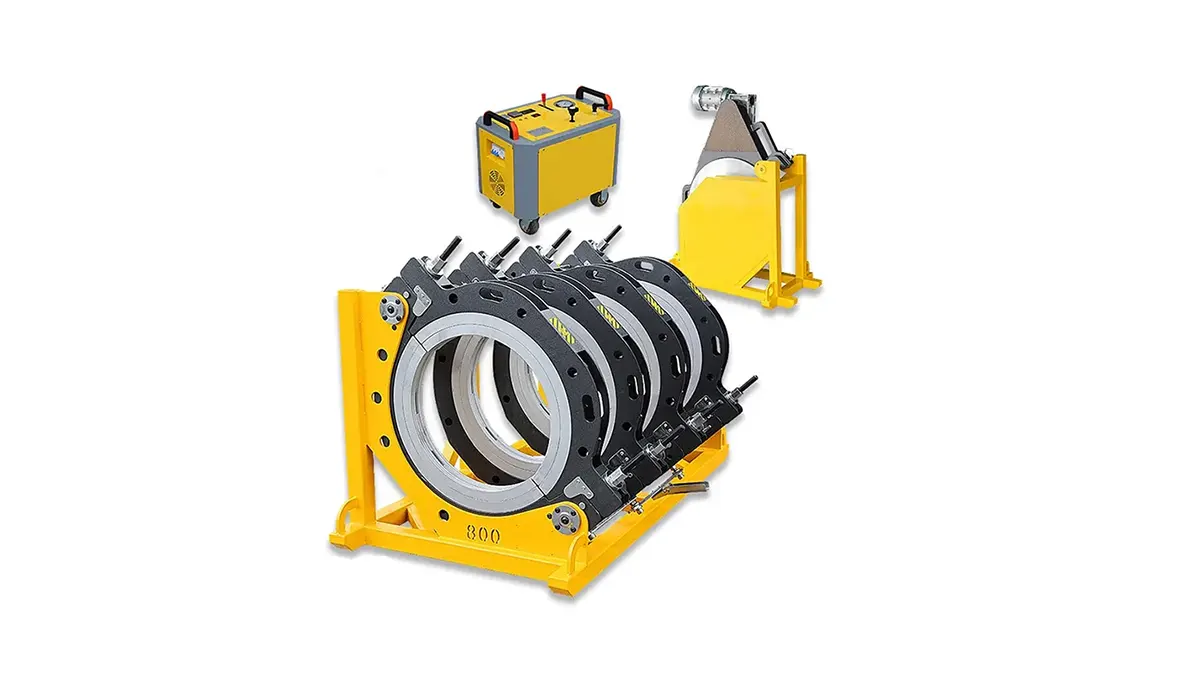
Types of Butt Fusion Machines
Manual Machines
Manual units are lightweight and portable. They are ideal for small-diameter pipes (typically up to 160–250 mm) and remote sites where mobility is essential. They require skilled operators and more physical work but cost less upfront — making them popular with local contractors and small utilities.
Hydraulic Machines
Hydraulic butt fusion machines automate clamping, alignment, and pressure control for a smoother, more consistent weld. They cover a wide diameter range and are preferred for medium to large pipelines where repeatability and higher throughput are needed.
Automatic / CNC Machines
Automatic and CNC systems provide precise control over all fusion parameters, ideal for large-scale municipal or industrial projects. They reduce operator variability and often include data logging for quality assurance — useful when projects must meet international standards or donor requirements.
How to Choose the Right Butt Fusion Machine in Tajikistan
Choosing the right machine involves balancing pipe size, site conditions, operator skill, and budget. Consider the following:
1. Pipe Diameter and Pressure Class
Match the machine’s clamping range to your most common pipe diameters. For irrigation and village water lines, smaller, portable machines may suffice. For regional gas or large water mains, hydraulic or CNC machines that handle larger diameters are necessary.
2. Portability vs Productivity
Remote mountain sites favor portable manual units, while urban or highway projects benefit from hydraulic and automatic machines that increase daily weld counts.
3. Power and Fuel Availability
Check local power access. Some hydraulic units require electric or diesel-hydraulic power packs. Manual units need no external power, making them easier to use in off-grid locations.
4. Climate and Altitude
Cold temperatures and high altitude may affect heating times and cooling cycles. Select machines that allow parameter adjustments and include robust heaters and insulation to maintain weld quality.
5. Standards, Certification & Training
Look for machines and procedures that comply with international standards (e.g., EN 12201, ISO) and ensure operator training and certification. Quality documentation and data logging are valuable for donor-funded and government projects.
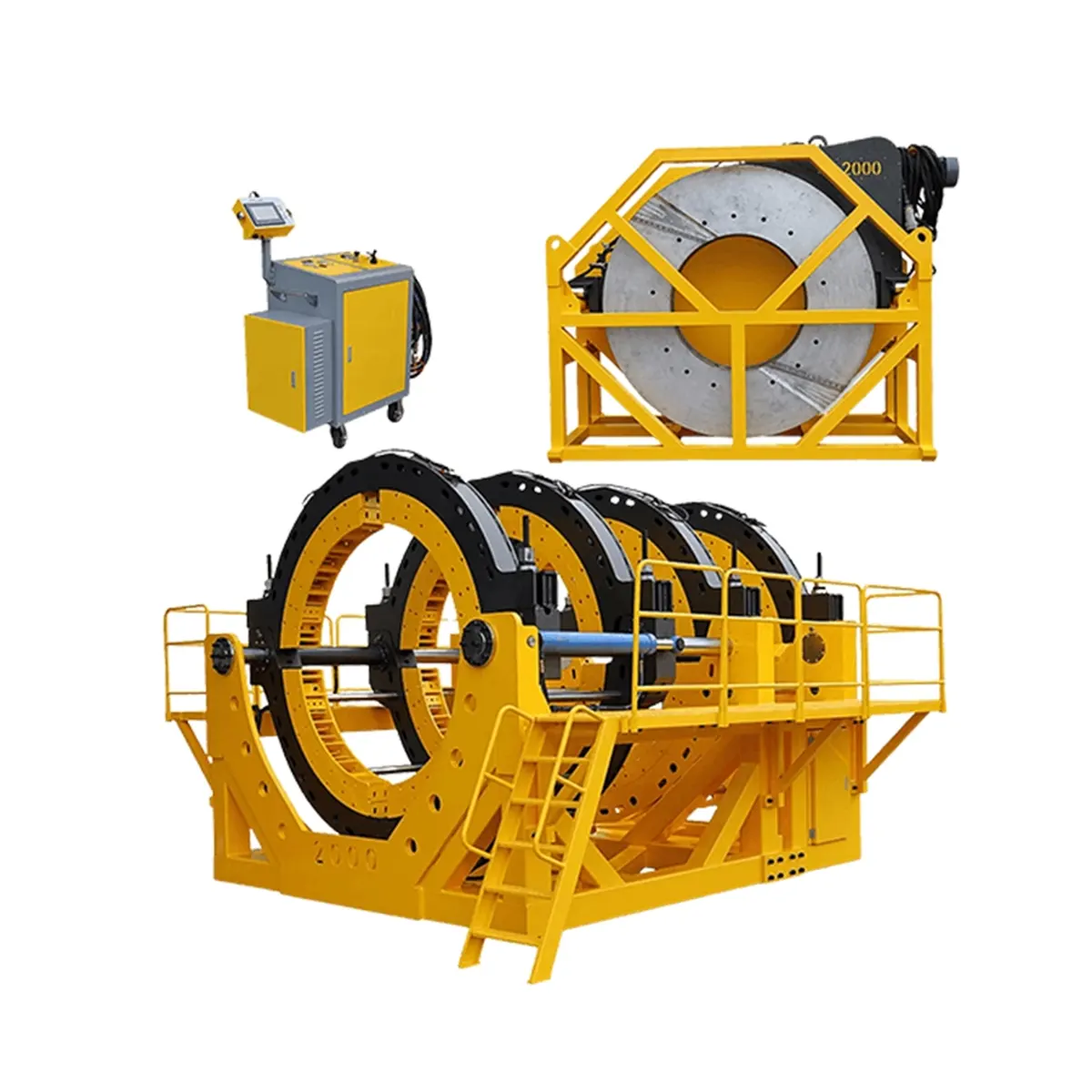
Comparison Table: Typical Machines
| Model | Type | Pipe Range (mm) | Power | Best For |
|---|---|---|---|---|
| JQST / Manual Series | Manual | 20–250 | None | Remote sites, small repairs |
| JQH Hydraulic Series | Hydraulic | 63–2000 | Electric / Diesel | Municipal & industrial lines |
| JQA Automatic Series | Automatic / CNC | 20–1200+ | Electric | Large projects with QA needs |
Local Support, Spares & Training
For Tajikistan projects, prioritize suppliers who can provide spare parts, timely technical support, and training for local operators. Reliable service reduces downtime in remote areas and ensures weld quality under challenging site conditions.
Final Tip
When evaluating vendors, consider warranty terms, availability of consumables (heating plates, clamps), and on-site commissioning. For manufacturers with a broad product range and export experience, reach out for customized recommendations to match your pipeline specifications. Visit JQ-Fusion for model options and technical guidance: https://jq-fusionwelding.com/.



