
Choosing the right butt fusion machine for a South Korea project requires balancing technical specs, local site conditions, and regulatory expectations. Whether you are working on municipal waterworks in Seoul, gas distribution in industrial Busan, or rural pipeline repairs across mountainous provinces, this guide helps Korean contractors and project managers pick the optimal HDPE butt fusion welding solution.
Understand Project Scale and Pipe Specifications
Start by defining the project scope: pipeline diameter, daily welding output, and pipe SDR/pressure rating. Small repair crews and contractors often prefer manual or compact hydraulic machines for portability and tight urban sites, while large utility or EPC projects need high-throughput automatic machines for consistent weld quality across long runs.
Key technical parameters to match
– Pipe diameter range (e.g., 20mm–2250mm)
– Material type (HDPE PE80/PE100)
– Required fusion cycle speed (welds per day)
– Site power supply (South Korea: 220V, 60Hz) and generator compatibility
Compare Machine Types: Manual, Hydraulic, Automatic
Different machine classes suit different Korean market needs. Manual units are cost-effective for small contractors in dense cities, hydraulic machines combine portability and power for medium projects, and CNC automatic systems deliver repeatable, documented welds for large municipal or industrial contracts.
| Type | Best for | Diameter Range | Pros |
|---|---|---|---|
| Manual | Small repairs, tight urban sites | 20–400 mm | Lightweight, low cost |
| Hydraulic | Routine installation & medium projects | 63–1600 mm | Stable pressure, easy operation |
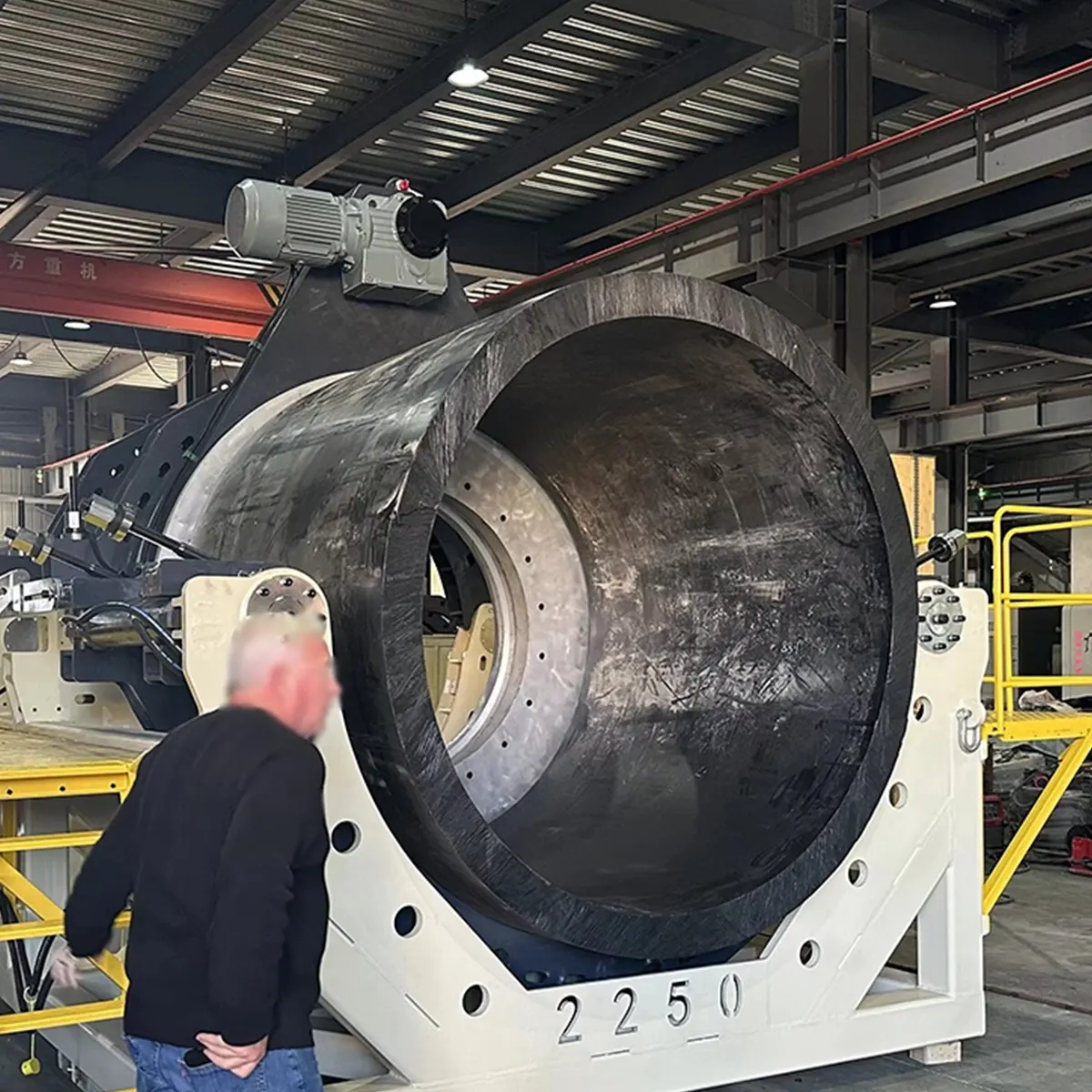
| CNC Automatic | Large-diameter pipelines, high volume | 160–2250 mm+ | High precision, data logging |
Site Conditions in South Korea: What to Consider
South Korea’s projects often involve dense urban environments, mountainous terrain, and strict timelines. Choose machines that balance compact footprints for pipe-jacking and trench works in cities with robust hydraulic systems for remote or sloped terrain. Weather-resistant designs help during monsoon seasons and cold snaps.
Logistics, power, and local support
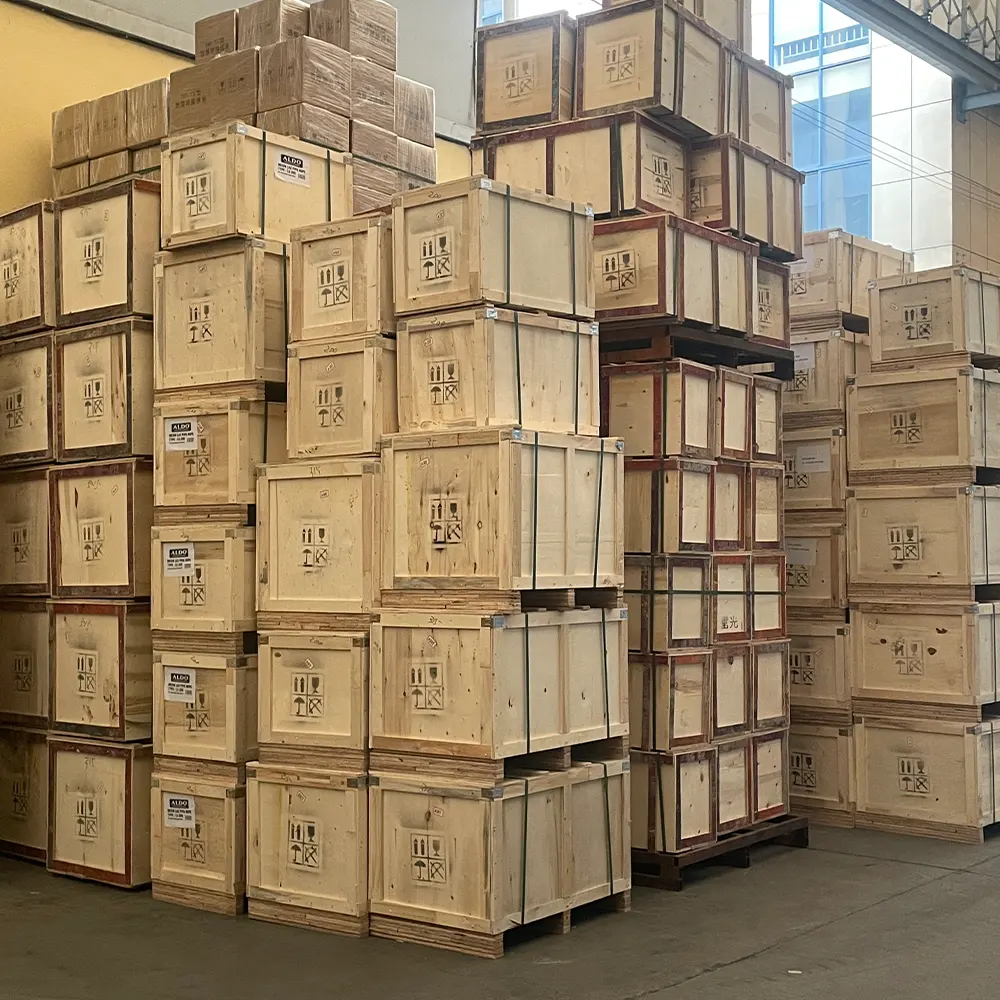
Import and delivery via major ports such as Busan or Incheon is common — confirm packaging and documentation for customs clearance. Ensure the machine supports 220V/60Hz or specify compatible generators. Korean-language manuals, local spare parts availability, and responsive technical support shorten downtime.
Regulatory and Quality Standards
Verify compliance with applicable standards: KS (Korean Standards), ISO welding and pipe standards, and local utility specifications. For public tenders, automated logging and traceable weld records often score higher. Ask for test reports, material certificates, and on-site commissioning records.
Operator skill, training, and safety
Machine choice should reflect available operator skill. Automatic systems reduce operator-dependent errors, while manual units require experienced welders. Request training packages, Korean-language safety guides, and onsite commissioning support. Prioritize machines with clear safety interlocks and accessible maintenance points.
Maintenance, Spare Parts & Total Cost of Ownership
Beyond purchase price, evaluate hydraulic system durability, heating plate life, clamp options (aluminum vs steel), and availability of consumables. Fast access to spare parts and remote troubleshooting can be decisive for minimizing project delays in tight Korean schedules.
Quick buying checklist
– Confirm diameter range and throughput needs
– Match power requirements (220V/60Hz) and generator compatibility
– Check KS/ISO compliance and data-logging capability
– Inspect portability, weight, and clamp compatibility for urban trenches
– Verify training, documentation in Korean, and spare parts lead time
Where to Get Tailored Solutions
For customized recommendations and local support, contact JQ-Fusion (https://jq-fusionwelding.com/). They provide a broad range of manual, hydraulic, and CNC automatic butt fusion machines and can match equipment to South Korea’s unique project environments, from dense city pipelines to large-diameter utility installations.
Final reminder
Selecting the right butt fusion machine in South Korea is about fit-for-purpose: combine technical match, local compliance, operator training, and logistics readiness to ensure safe, efficient, and compliant pipeline welding.



