
Choosing the right butt fusion machine for an HDPE piping project in Kazakhstan requires matching machine capability to project scale, site conditions and local workforce. From municipal water mains in Almaty to gas distribution and mining pipelines on remote steppe sites, factors such as pipe diameter, climate extremes, power availability and portability shape the best equipment choice.
Key selection checklist
Keep these priorities in mind:
- Pipe diameter range — small-diameter networks (≤160mm) vs large-diameter trunk lines (≥630mm).
- Automation level — manual, hydraulic or CNC automatic machines for speed and repeatability.
- Site environment — cold winters, remote access, uneven terrain in Kazakhstan.
- Power & logistics — available power supply, transport constraints and customs/shipping time.
- After-sales support — spare parts, training and warranty for long-term reliability.
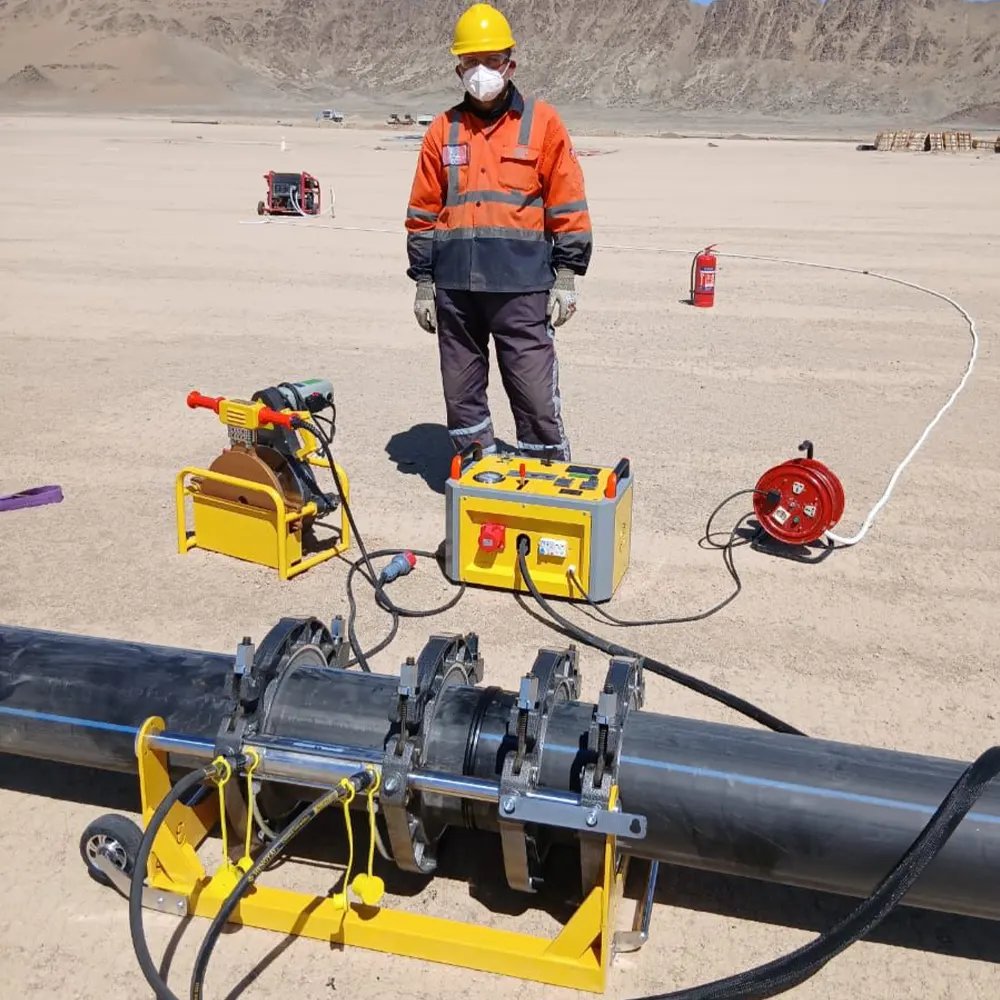
Machine types and where they work best
Manual butt fusion machines are compact and cost-effective for small distribution networks and repair crews. They work well for on-site repairs and in locations where transport access is limited.
Hydraulic butt fusion machines offer higher clamping force and better alignment for medium to large diameter pipes. Their stability and consistency make them the preferred choice for industrial and municipal projects across Kazakhstan.
Automatic / CNC machines deliver precise, repeatable welds at higher throughput — ideal for long pipeline runs, factory settings, or contractors focused on speed and quality control.
Quick comparison
| Type | Best for | Diameter range | Key features |
|---|---|---|---|
| Manual | Repairs, small networks | 16mm–315mm | Portable, low cost |
| Hydraulic | Construction sites, larger mains | 63mm–2000mm+ | High force, stable alignment |
| Automatic / CNC | High-volume pipelines, QC-focused projects | 90mm–2000mm+ | Precise, fast, data-logged welds |
Kazakhstan-specific considerations
Kazakhstan covers large, sparsely populated regions and experiences extreme winter temperatures in the north and continental heat in the south. That means you should prefer machines with robust low-temperature hydraulics, reliable heaters and simple maintenance procedures. Portability matters when moving between sites on unpaved roads, while larger municipal projects near cities like Nur-Sultan require higher throughput machines.
Standards, training and workforce
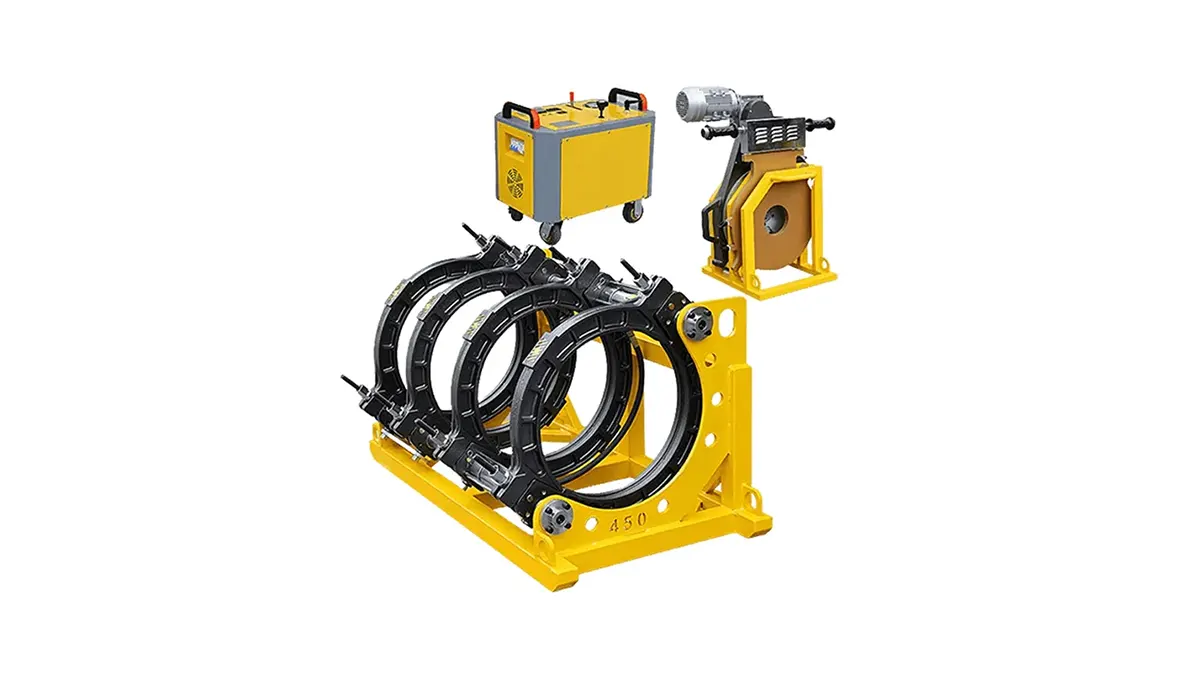
Ensure the machine supports local standards and testing protocols (many projects reference GOST and international ISO practices). Investing in operator training reduces rework and improves weld quality — especially important when local teams are new to HDPE butt fusion methods. Consider machines with intuitive controls and clear cycle reporting to simplify training and quality audits.
Procurement & after-sales tips
- Check availability of spare parts and local service partners.
- Factor shipping and customs times to Kazakhstan into project schedules.
- Request demonstration videos or supervised training before deployment.
- Decide between rental and purchase based on project duration and frequency.
How JQ-Fusion can help
If you need machines matched to specificKazakh projects, JQ-Fusion offers a range of manual, hydraulic and automatic butt fusion machines and can advise on models, spare parts and operator training for local conditions.
For best results, evaluate site constraints, expected daily welds and local support options before selecting a machine — the right choice reduces downtime, saves costs and improves pipeline lifetime.



