
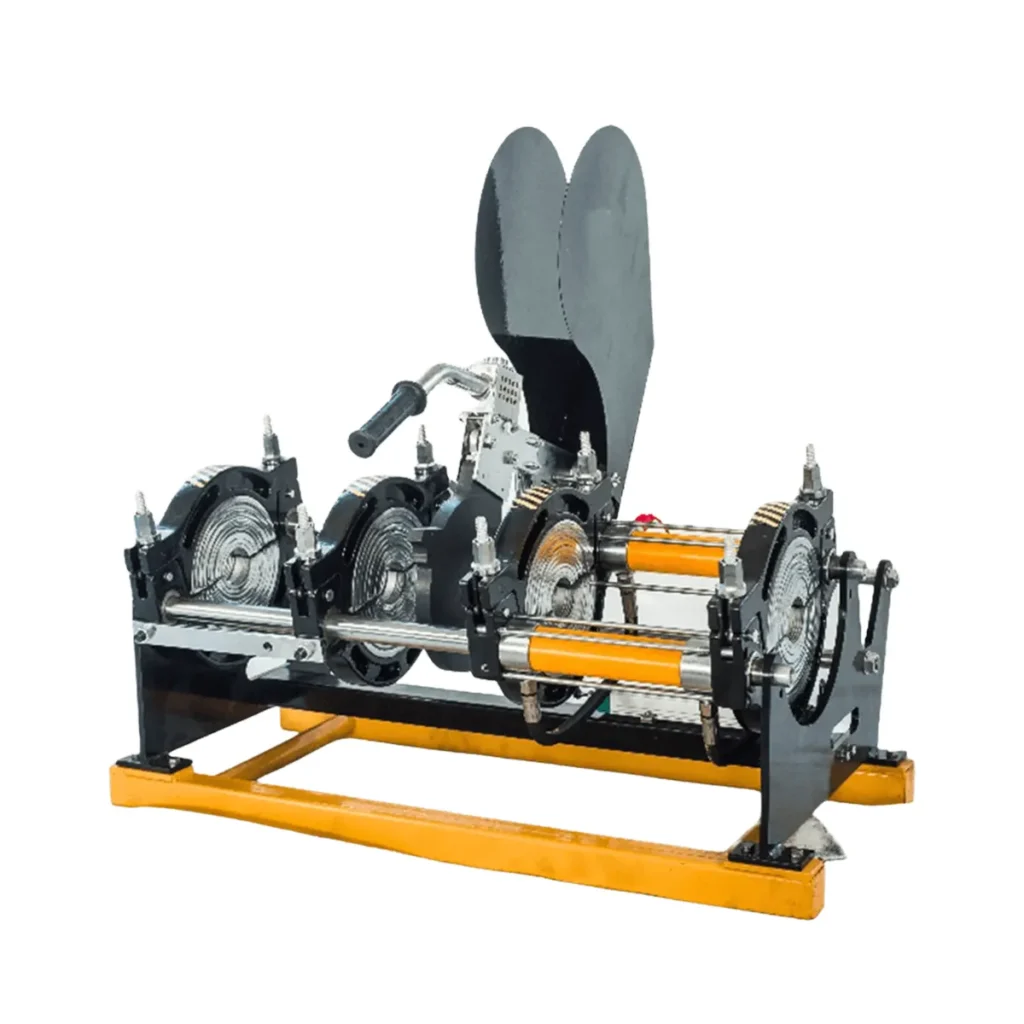
Choosing the right butt fusion machine for an HDPE pipeline project in Indonesia requires balancing equipment capability, site conditions, and long-term serviceability. Whether you’re working on urban water networks in Jakarta, gas distribution in Java, or remote island irrigation systems in Sulawesi and Kalimantan, the correct machine ensures strong, reliable joints and efficient installation cycles.
Why butt fusion is a smart choice for Indonesian projects
Butt fusion welding produces homogenous joints that resist corrosion and withstand Indonesia’s hot, humid climate. For infrastructure projects that demand long-term leak-free performance—such as municipal water, wastewater, and gas pipelines—butt fusion is typically preferred over mechanical couplers.
Key site factors to consider in Indonesia
Climate and corrosion: Tropical humidity affects heating element life and electronics. Choose machines with sealed controls and corrosion-resistant components.
Terrain and access: Many projects are remote or on islands. Portability, lightweight frames, and easy assembly matter for logistics and local labor.
Power supply: Typical Indonesian sites use 230V / 50Hz single-phase or 3-phase 380V systems—verify machine compatibility and consider a generator for field jobs.
Local workforce: Training availability and operator skill levels influence whether an automatic CNC unit or manual/hydraulic machine is the better fit.
Machine types: overview and best uses
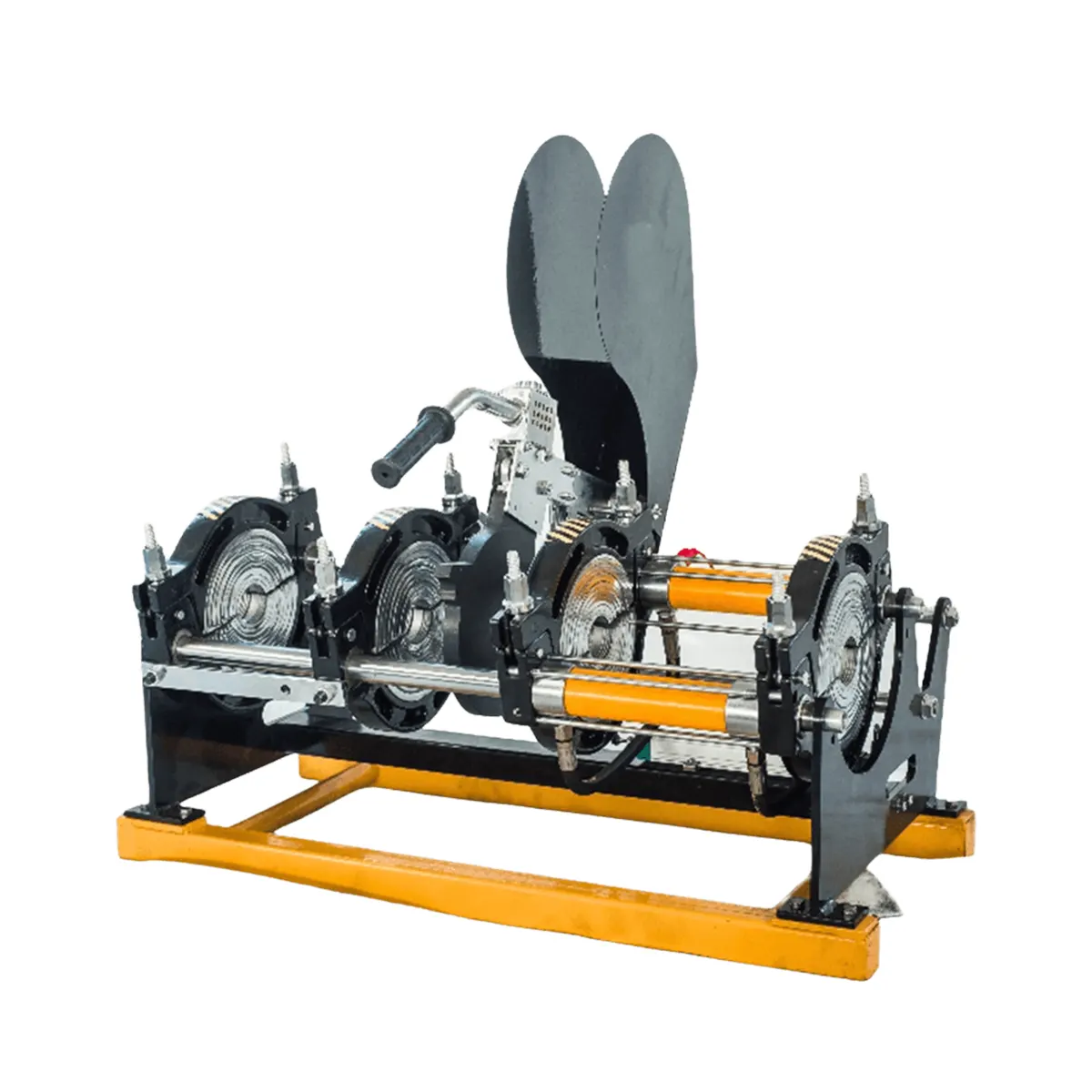
Manual — Simple, cost-effective for small-diameter pipes and teams with good manual welding skill. Good for tight budgets and smaller municipal works.
Hydraulic — Ideal mid-range solution: faster clamping and more uniform pressure control, suitable for medium to large diameters and road-side installations.
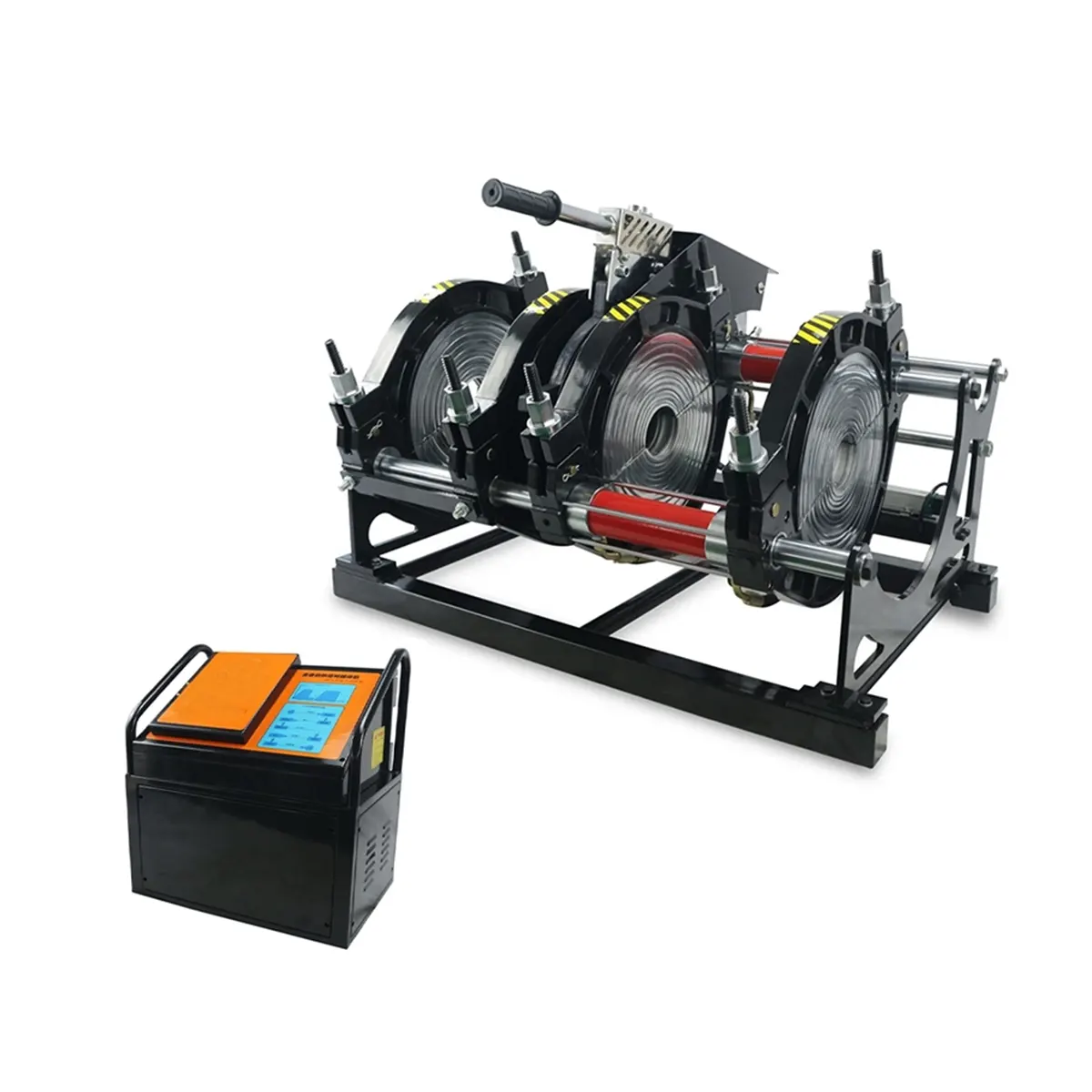
Automatic / CNC — Best for high-volume, critical projects (water treatment plants, large distribution networks). Offers repeatable cycles, data logging, and minimal operator variability.
Quick comparison table: Manual vs Hydraulic vs Automatic
| Feature | Manual | Hydraulic | Automatic / CNC |
|---|---|---|---|
| Best pipe sizes | 20–315 mm | 63–1000 mm | 160–2000+ mm |
| Operator skill | High | Moderate | Low (training needed for controls) |
| Cycle speed | Slow | Moderate | Fast / consistent |
| Ideal for | Small repairs, low-budget works | Distribution mains, utilities | Large projects, prefabrication yards |
Selection checklist for Indonesian buyers
1. Match machine capacity to pipe diameter and production goals. Plan daily joint targets and choose a model that meets throughput.
2. Verify power options and site supply. Confirm voltage, and include a portable generator if working off-grid or on remote islands.
3. Prioritize corrosion-resistant and sealed control units. Coastal and high-humidity sites need robust electrical protection.
4. Evaluate portability vs automation. If island-hopping or frequent relocation is needed, lighter hydraulic or modular units can save logistics costs.
5. Spare parts & after-sales support. Secure access to spare heating plates, hydraulic seals, and trained technicians—this reduces downtime on critical Indonesian projects.
Attachment & accessory considerations
Heating plate sizes, facing tools, clamps, and data logging modules impact weld quality and traceability. For municipal contracts in Indonesia that require documentation, choose machines with electronic weld records.
Budgeting and lifecycle cost
Initial price is important, but consider total cost of ownership: consumables, training, spare parts, and potential rework. Investing in a reliable machine typically reduces leaks and maintenance over the pipeline lifetime.
Where to get started
Assess your most common pipe diameters, expected daily joint count, and site constraints. For tailored recommendations and spare part availability, reach out to JQ-Fusion for model options and local shipping details.



