
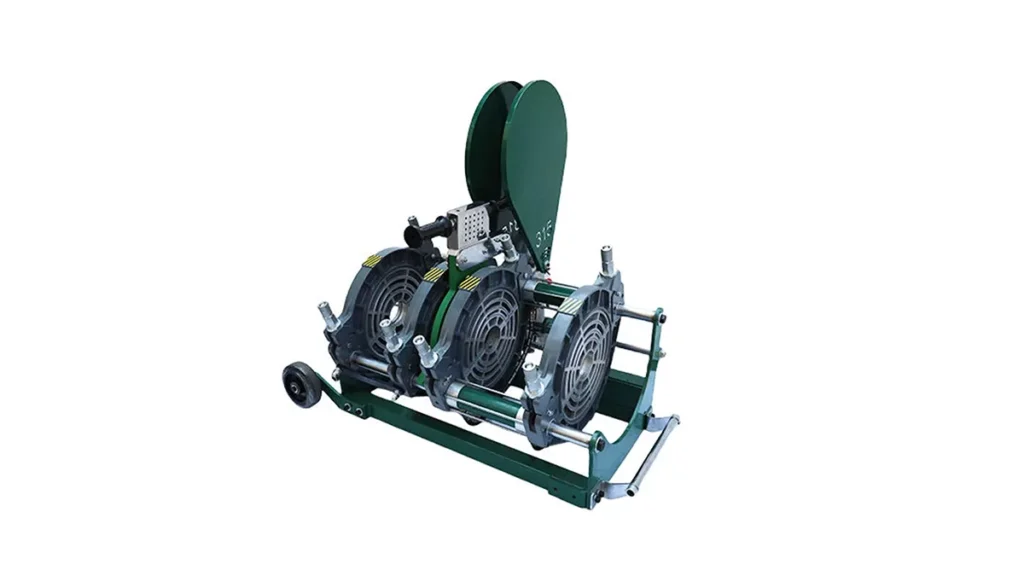
Choosing the right butt fusion machine in Ghana can make or break an HDPE pipeline project. From rural water supply schemes to urban gas distribution and mining pipelines, Ghana’s varied terrain, rainy seasons and growing infrastructure demand machines that balance portability, reliability and weld quality. This guide helps contractors, distributors and engineers in Ghana pick the best machine for their pipe welding needs.
Why Butt Fusion Is the Preferred Method in Ghana
Butt fusion produces strong, leak-free joints for polyethylene (PE) pipes used in potable water, sewerage, gas and irrigation. In Ghana, where projects often face high humidity, heavy rains and long transport routes, butt fusion offers on-site adaptability and a long service life. Reliable fusion equipment reduces rework and helps meet local utility standards and international specifications.
Common Ghana Use Cases
Urban water networks: medium to large diameter HDPE mains; Rural water schemes: portable manual machines for remote access; Mining & industrial: heavy-duty hydraulic and automatic units for long continuous runs.
Types of Butt Fusion Machines — Which Fits Your Project?
Selecting between manual, hydraulic and automatic butt fusion machines depends on pipe diameter, crew skill, site conditions and budget.
Manual Machines
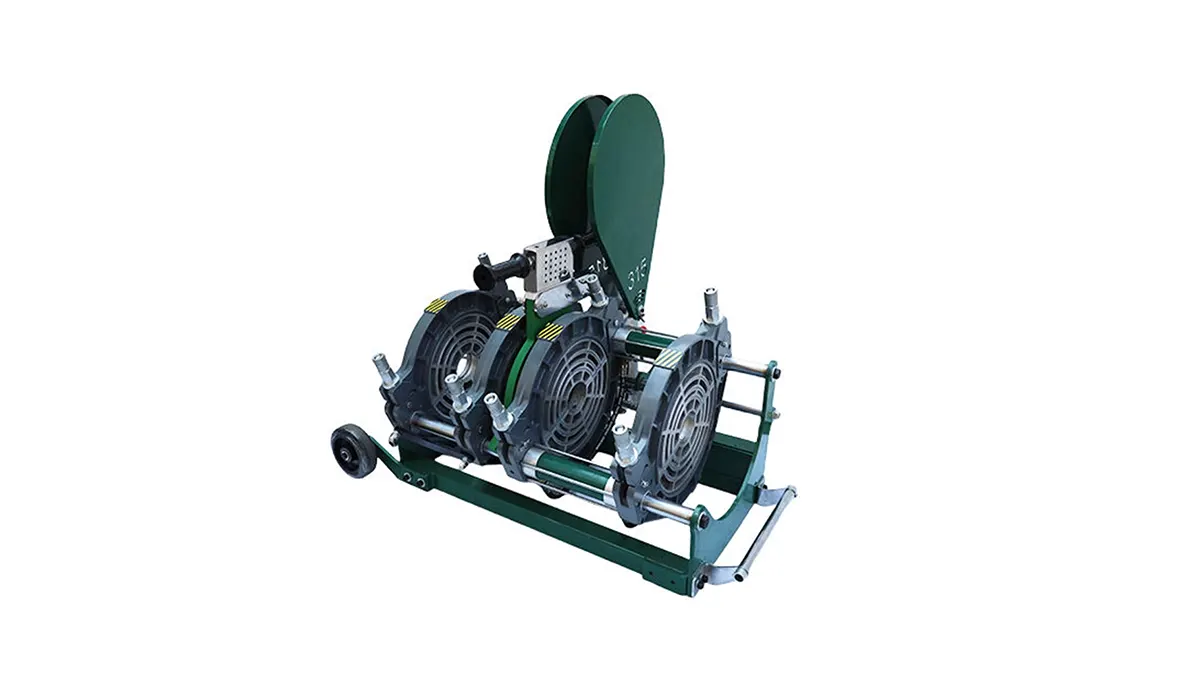
Best for small-diameter pipes and remote installations. They are lightweight, easy to transport and cost-effective for community water projects and short pipeline repairs.
Hydraulic Machines
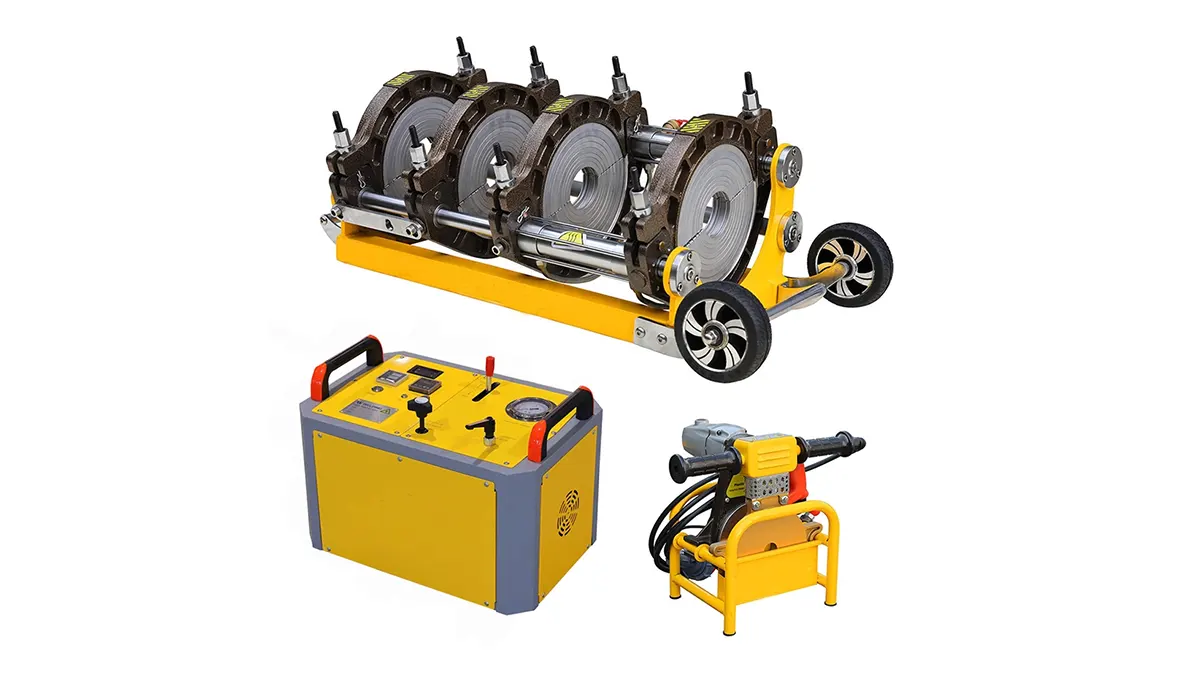
Ideal for medium to large diameters and longer weld runs. Hydraulic machines provide consistent pressure and are well-suited for urban construction sites and industrial installations in Ghana.
Automatic/CNC Machines
Designed for high-volume projects and precise welding parameters. Automatic units minimize operator error, document weld data and deliver repeatable quality for major distribution networks and commercial pipelines.
| Machine Type | Pipe Range | Ideal Use in Ghana | Key Benefit |
|---|---|---|---|
| Manual (e.g., small-frame) | 20–315 mm | Rural water, repairs | Portable, low cost |
| Hydraulic | 63–1250+ mm | Urban mains, industrial | Stable pressure, durable |
| Automatic / CNC | 160–2000 mm | Large projects, pipeline contractors | Data logging, repeatability |
Ghana-Specific Factors to Consider
Site access & mobility: Many rural communities and mining sites in Ghana have rough roads. Choose machines that are easy to load and move or offer modular frames for site transport.
Power supply: Grid reliability can vary—look for machines with flexible power options or that can run from generators. For automatic units, confirm voltage compatibility and stabilization features.
Weather and humidity: The wet season brings heavy rain and muddy trenches. Machines with sealed electronics and corrosion-resistant components reduce downtime and maintenance.
Local workforce skills: For community projects, manual machines with straightforward controls work better. For utility or industrial contracts, investing in automatic machines plus operator training reduces long-term cost and improves weld quality.
Buying vs Renting — What Ghana Contractors Prefer
Short-term projects or pilot schemes often use rentals; long-term network expansion and frequent projects justify buying. Consider transport costs to Ghana ports, customs clearance, spare parts inventory and availability of local service partners when making the decision.
Maintenance, Spare Parts & Training
Ensure availability of consumables (heating plates, trims), spare hydraulic seals, and electronic components. Scheduled calibration and simple on-site maintenance kits reduce delays. Investing in operator training yields better weld records and fewer reworks—particularly important for Ghana Water Company projects and large contractors.
Typical Specifications to Verify Before Purchase
Welding Capability
Confirm the supported pipe material (PE80/PE100), maximum pipe OD, pressure classes and heating plate sizes.
Control & Documentation
Automatic machines should offer data export, weld profiles and error logs for quality control and contractor records.
Durability & Warranty
Look for corrosion-resistant frames, protective covers and a warranty that includes parts and support. Local service response time is a major factor in Ghana.
Recommended Approach for Ghana Projects
For community and rural projects: choose a robust manual unit that’s easy to transport and maintain. For municipal water and gas distribution: hydraulic machines with solid clamping and consistent pressure. For major contractors and long, continuous pipelines: invest in automatic/CNC units for documentation and high throughput.
Final Tip
Test a sample weld on-site using the target pipe and fusion parameters before committing to a full purchase or long contract. This helps verify heat-up times, cooling conditions and operator technique under Ghana’s field conditions.
Manufacturer Contact
For tailored butt fusion solutions and global shipment options, contact JQ-Fusion at https://jq-fusionwelding.com/ for product selection, spare parts and training packages that match Ghana’s field requirements.



