
Choosing the right butt fusion machine in Georgia requires balancing local project demands — from mountain water supply lines in Svaneti to large urban sewer and gas networks around Tbilisi. This guide helps engineers, contractors, and procurement teams in Georgia select the most suitable HDPE butt fusion equipment for reliable, long-lasting pipeline joints.
Understand Project Scope and Local Conditions
Project type — Are you installing rural irrigation, municipal water mains, natural gas distribution, or industrial pipelines? In Georgia, small village irrigation lines and large municipal works demand very different welding capacities.
Local climate and terrain matter: cold winters in the mountains and hot summers in lowlands affect site logistics, heating plate performance, and on-site assembly. Prioritize machines that perform consistently across temperature ranges and are easy to transport on narrow mountain roads.
Key on-site factors for Georgia
- Mobility: Many sites are remote — portable manual or compact hydraulic machines are often preferred for fieldwork.
- Power availability: If electricity is limited, select models with low electrical demand or diesel/hydraulic power units.
- Weather resistance: Look for durable frames and protected electronic controls for wet and cold environments.
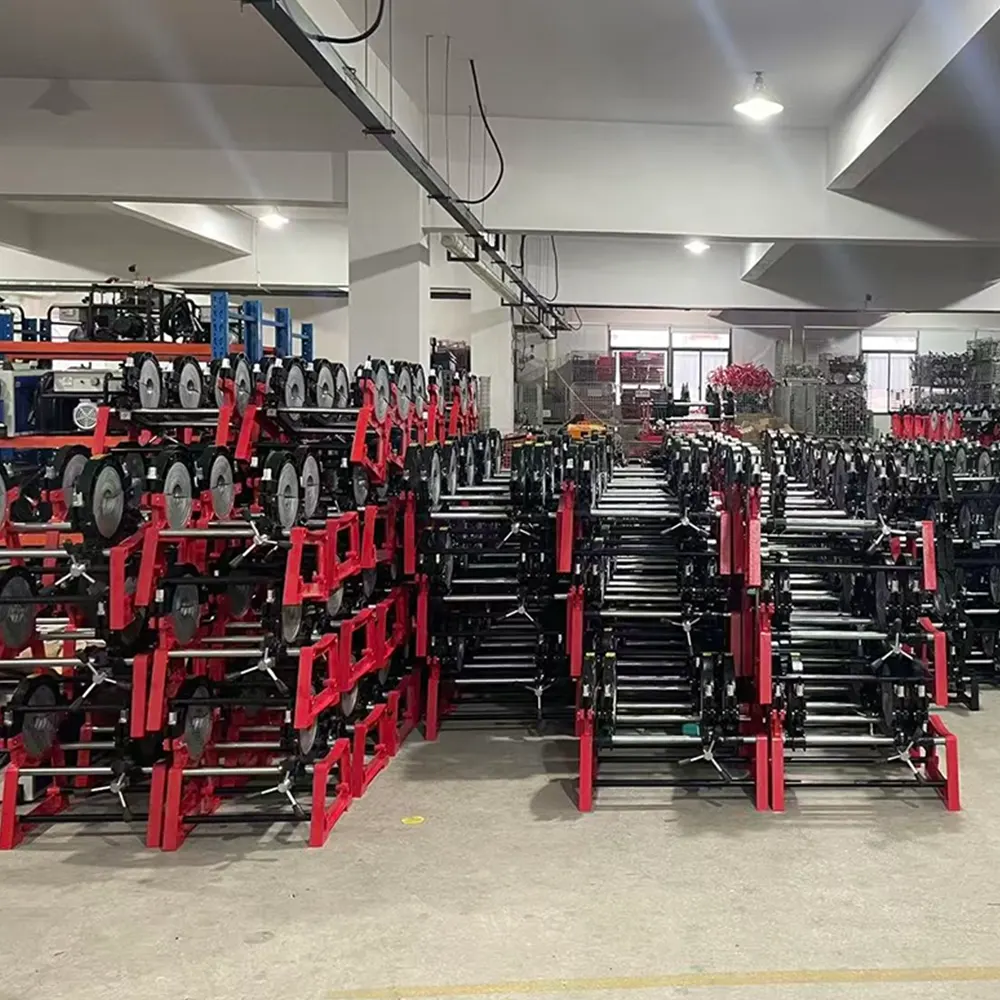
Types of Butt Fusion Machines — Which Fits Georgia Projects?
Manual Machines
Best for small-diameter pipes (up to ~315mm) and tight, remote jobs. Manual units are lightweight, easy to maintain, and cost-effective for local contractors and municipal teams handling repairs and small installations.
Hydraulic Machines
Provide higher clamping force and consistent bead formation. Ideal for medium to large diameters used in regional water mains and gas distribution projects. Hydraulic systems are preferred where productivity and weld quality must meet regulatory standards.
Automatic / CNC Machines
Automated units (CNC-controlled) are for large-scale, repetitive production — long-distance trunk lines, industrial installations, and factory settings. They offer precise control of heating, pressure, and cooling cycles for consistent joints across many welds.
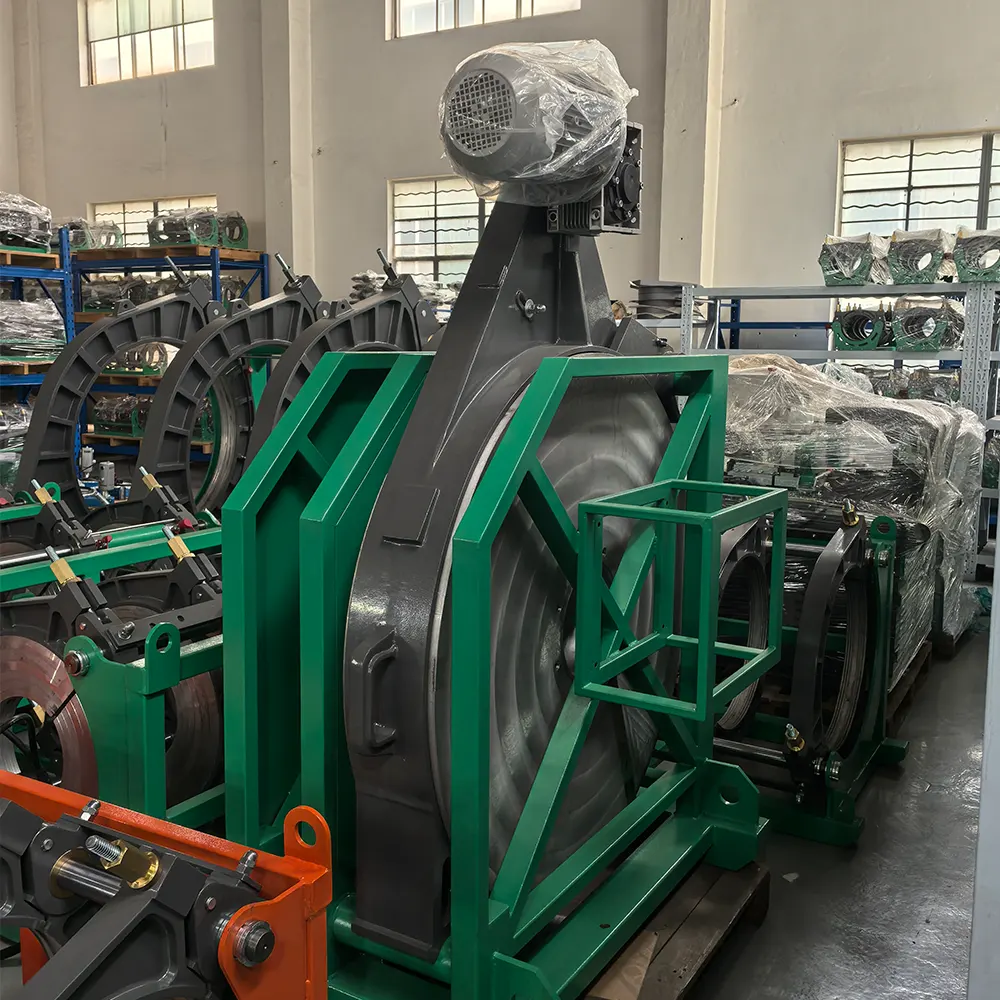
Quick Comparison Table
| Machine Type | Best For | Typical Diameter Range | Productivity | Portability |
|---|---|---|---|---|
| Manual | Small repairs, village pipelines | 20mm – 315mm | Low–Moderate | High |
| Hydraulic | City mains, medium projects | 63mm – 1000mm+ | Moderate–High | Moderate |
| Automatic / CNC | Large trunk lines, factory production | 160mm – 2250mm+ | Very High | Low |
Selection Checklist: Technical & Practical Criteria
- Pipe diameter and SDR: Match the machine’s clamp capacity and heating plate size to the pipe ranges you will weld most often.
- Output & cycle time: For large municipal contracts near Tbilisi, higher throughput saves time and labor cost.
- Operator skill level: Automatic machines reduce dependence on expert welders; manual machines require trained operators commonly found among local crews.
- Transport and setup: Narrow mountain roads and remote villages demand compact, easy-to-assemble units.
- Standards and certification: Ensure the machine supports welding programs that meet local regulation and international standards for potable water and gas.
- After-sales support and spare parts: Consider lead time for spare parts import and availability of local technical service.
Practical tips for Georgian buyers
For municipal departments and private contractors in Georgia, opting for a versatile hydraulic unit that covers common diameters (e.g., 160–630mm) often delivers the best value. Smaller municipal repairs can be handled by manual machines kept in service vehicles.
Training, Maintenance and Local Compliance
Invest in operator training to ensure weld quality and compliance with local codes. Regular maintenance — heater plate care, calibration, and hydraulic checks — prevents delays on remote sites. When importing machines, verify customs and certification requirements in Georgia to avoid unexpected hold-ups.
Buying Considerations: Total Cost of Ownership
Beyond purchase price, account for shipping, customs duties, spare parts availability, operator training, and expected uptime. A slightly higher initial investment in a robust hydraulic or automatic machine can reduce rework and long-term costs on major projects.
Final selection roadmap
- Define primary pipe diameters and annual welding volume.
- Assess site conditions (access, power, weather) typical in your Georgian region.
- Choose machine type (manual/hydraulic/automatic) that matches volume and workforce.
- Confirm supplier warranty, spare parts policy, and available training.
- Plan logistics for delivery and local certification.
Next Steps
If you need a reliable partner for HDPE butt fusion solutions in Georgia, consider the experience and product range of JQ-Fusion to match machines to your project needs and arrange training and after-sales support.



