
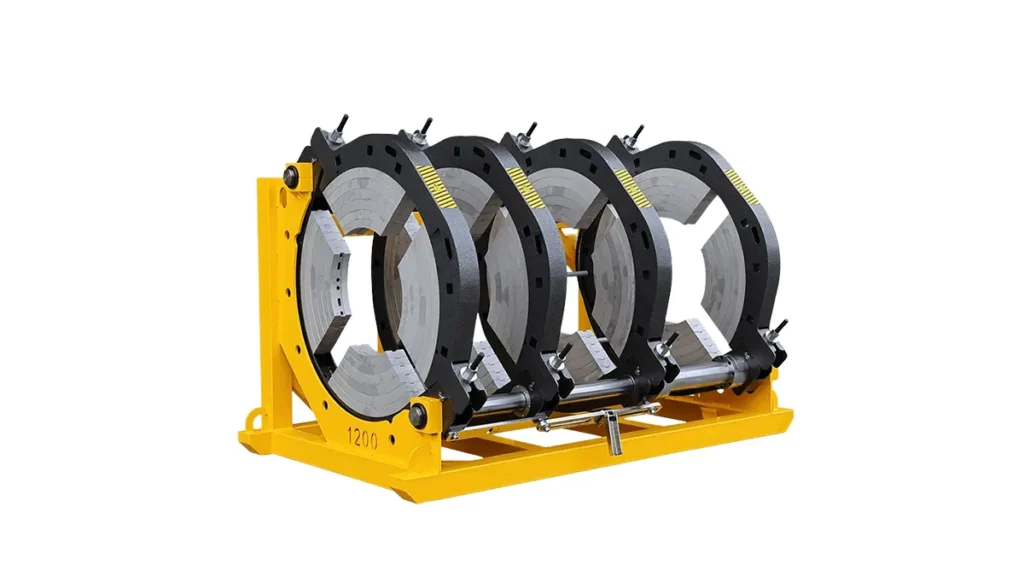
Choosing the right butt fusion machine in Canada means balancing climate, jobsite logistics, project scale, and local standards. From small municipal water repairs in Ontario to large-diameter gas mains in Alberta or remote pipeline runs in the North, the correct machine boosts weld quality, speed, and operator safety.
Why Canadian Projects Need a Tailored Butt Fusion Solution
Cold-weather performance and portability are top priorities for many Canadian contractors. Winter temperatures impact heating plate performance, hydraulic fluid viscosity, and operator comfort — so machines built or configured for low-temperature operation reduce rework and downtime. Municipal teams and utilities also value machines that meet Canadian regulatory expectations for pipeline integrity and documentation.
Three Main Types: Match Machine Type to Project Needs
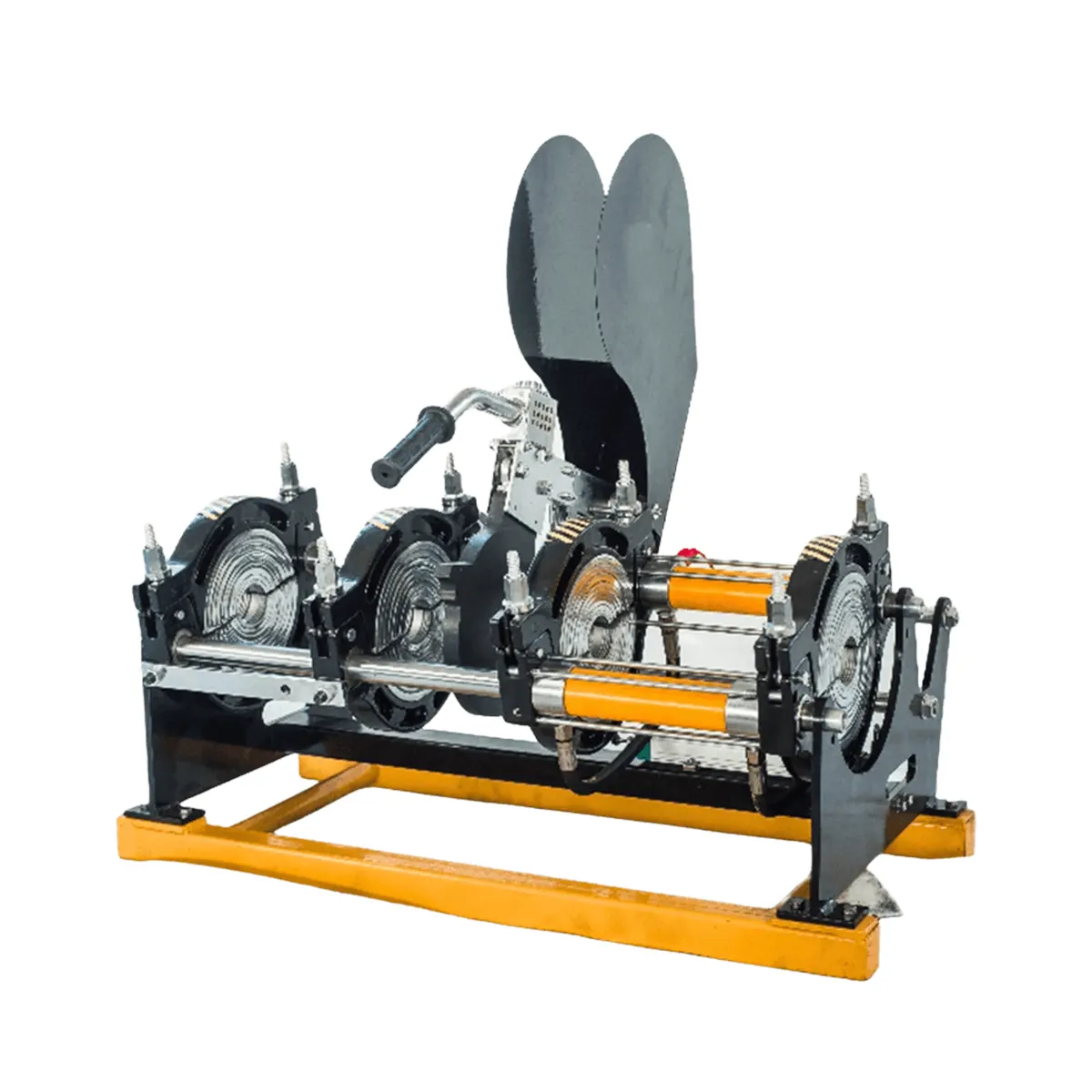
Manual/Portable — Lightweight frames for repairs and small-diameter pipes (typically up to 315 mm). Best for service crews and tight-access sites where easy setup is critical.
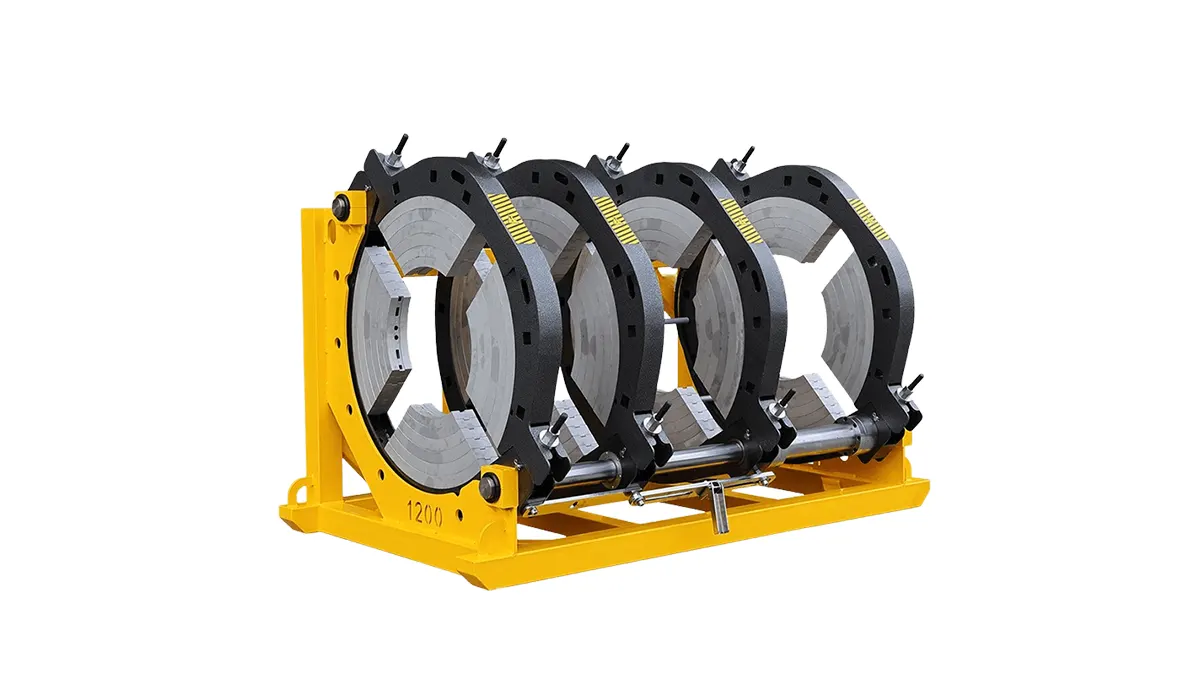
Hydraulic — Robust clamping, precise alignment and higher thrust forces for medium to large-diameter pipes. Popular on municipal, gas distribution and industrial pipeline projects across Canada.
Automatic / CNC — Fully programmable cycles, data logging and repeatable quality for long production runs and large-diameter mains. Ideal for contractors handling extensive infrastructure builds or projects that require traceable weld records.
Key Features to Check Before Buying or Renting
Look for reliable temperature control, accurate alignment systems, and easy-to-read control panels. In Canada, also confirm power compatibility (110V/60Hz common on smaller units, but many hydraulic and CNC units accept 220V/3-phase or have generator-friendly options), cold-weather rated hydraulic components, and optional winter kits for heated storage or insulated covers.
A Practical Comparison Table
| Machine Type | Typical Diameter Range | Best Use | Portability |
|---|---|---|---|
| Manual / Portable | 20–315 mm | Service repairs, rural connections | High |
| Hydraulic | 63–1600+ mm | Municipal, gas mains, industrial | Medium |
| Automatic / CNC | 90–2000+ mm | High-volume, quality control focused | Low (heavier) |
Selecting for Canadian Conditions: Practical Tips
For northern or winter projects choose machines with enclosed heaters, insulated clamps, and hydraulic fluids rated below -20°C. For urban municipal contracts prioritize machines with data-logging and reporting features to satisfy tender documentation and inspection teams. If jobs are in remote locations, factor in transport footprint and the ability to run off diesel generators.
Compliance, Standards & Operator Training
Canadian projects frequently reference CSA and industry best practices for thermoplastic piping systems. Ensure operators are trained in butt fusion technique, cold-weather adjustments, and proper joint preparation. Machines with clear user interfaces and documented cycle control simplify compliance and reduce weld variability.
Maintenance & After-Sales Support
Reliable local or remote support matters. Choose equipment from manufacturers or distributors who provide spare parts, training, and troubleshooting guidance. Preventive maintenance — clean plates, check heater flatness, inspect clamps and hydraulic hoses — extends machine life and maintains weld quality.
Buy vs Rent: What Makes Sense in Canada?
Small crews and infrequent jobs often benefit from renting portable or hydraulic units. Large contractors and utilities with regular fusion needs typically find ownership of hydraulic or CNC machines more economical over time. Consider seasonal demand peaks (spring/summer pipeline builds) and storage solutions for winter months.
For tailored recommendations and machine options suited to Canadian climates and regulations, contact JQ-Fusion for expert guidance and available models.



