
Choosing a reliable butt fusion machine supplier in Israel requires more than price comparison — it demands an understanding of local project needs, import logistics, on-site support, and machine performance for HDPE pipeline work used in water, gas, and infrastructure projects across urban and arid regions.
Why Israel’s contractors and municipal teams need the right butt fusion equipment
Israel’s unique infrastructure demands — from dense urban networks in Tel Aviv and Jerusalem to remote agricultural and desalination projects in the Negev — require machines that are robust, portable, and compliant with stringent safety standards. Look for suppliers who understand local site conditions, seasonal temperature swings, and the need for quick, reliable joints in distribution systems.
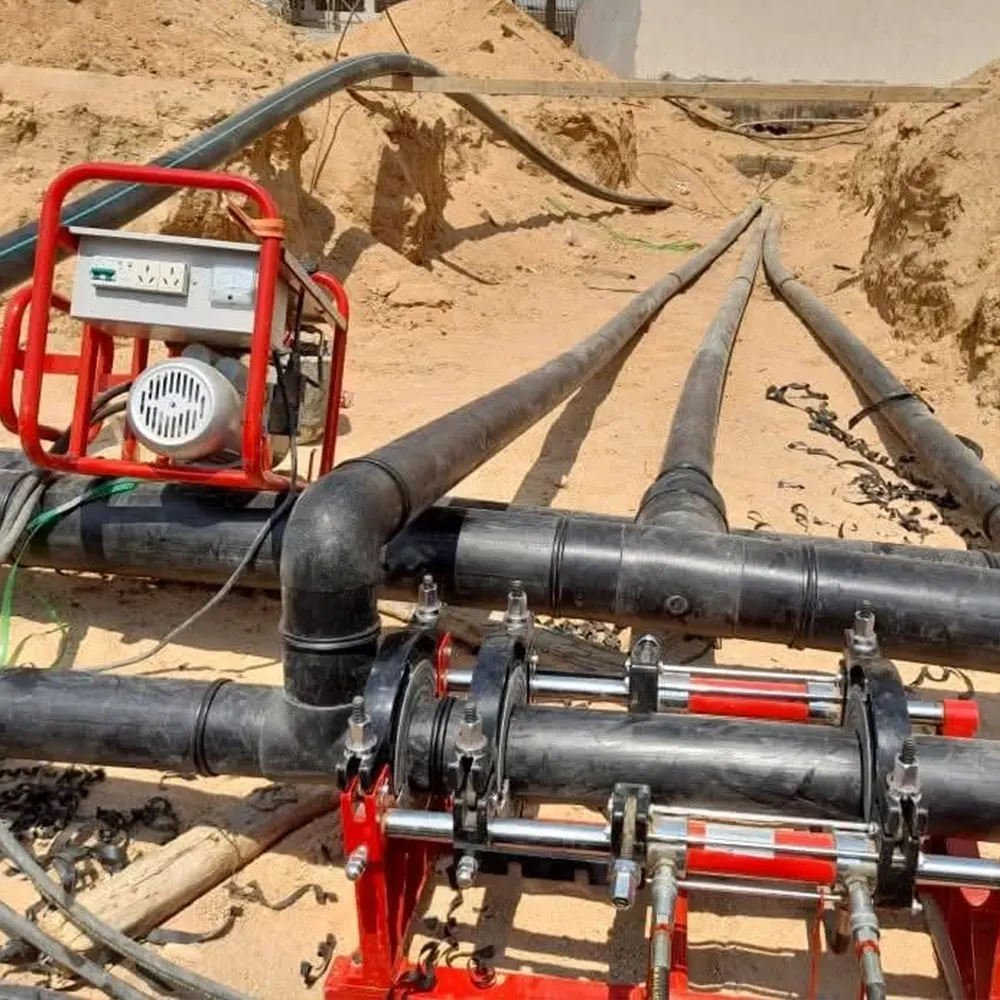
Key factors to evaluate when selecting a butt fusion machine factory
Quality and certification: Confirm ISO, CE, or other international certifications and request test reports. Machines used for gas distribution and drinking water pipelines often require documented welding procedures and material traceability.
Range and flexibility: Choose a supplier offering manual, hydraulic, and CNC automatic machines to match project scale — from small-diameter service lines to large-diameter trunk mains.
Service, parts and training
Local or regional technical support shortens downtime. Verify spare-part availability, training programs for Israeli crews, and remote troubleshooting options. Effective supplier support means faster commissioning and consistent weld quality across sites.
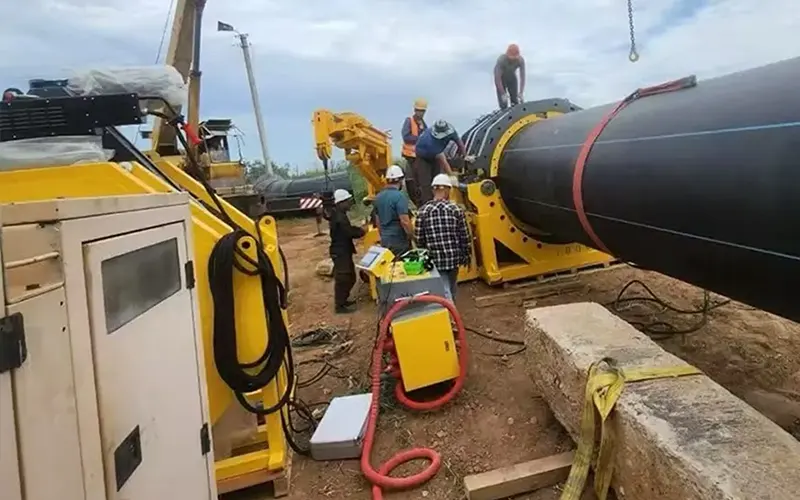
Important commercial and logistical considerations in Israel
Delivery times, customs clearance, and warranty terms are critical. Confirm lead times, freight options to Israeli ports (Haifa, Ashdod), and clear warranty and return policies. Suppliers experienced with Israeli import procedures can reduce surprises and ensure faster project starts.
Price vs. total cost of ownership
Low upfront cost can mean higher lifecycle expenses. Evaluate maintenance intervals, availability of consumables, energy consumption, and potential productivity gains from automation.
Quick checklist for Israeli buyers
Confirm machine compatibility with HDPE grades used locally, request welding procedure specifications, check noise and exhaust considerations for urban sites, and validate operator training in Hebrew or with translated manuals if needed.
| Feature | What to check | Why it matters |
|---|---|---|
| Machine type | Manual / Hydraulic / Automatic options | Matches project scale and labor skills |
| Welding range | Pipe diameters and SDR compatibility | Ensures correct fit for municipal and industrial pipelines |
| Spare parts & support | Lead times for consumables and service response time | Reduces downtime on critical projects |
| Certification | ISO, CE, and welding procedure documentation | Compliance with local standards and tender requirements |
How to vet a factory remotely
Ask for factory photos, production videos, sample weld records, and references from projects in similar climates or markets. Arrange a virtual factory tour and a trial weld report on materials equivalent to those used in Israel.
Why working with an experienced manufacturer matters
A proven manufacturer can offer tailored solutions, robust after-sales service, and clear documentation for municipal approvals. For example, JQ-Fusion provides a range of manual, hydraulic, and CNC automatic butt fusion welding machines and supports global infrastructure projects with quality control and training.
Final selection tips for Israeli buyers
Request detailed quotes with breakdowns for machine, shipping, customs, spare parts, and training. Prioritize suppliers offering local language documentation, reliable logistics to Israeli ports, and strong technical backup to maximize uptime across municipal, agricultural, and industrial pipeline projects.



