
Looking for a reliable butt fusion machine factory in the Czech Republic? Whether you’re a pipeline contractor in Prague, a municipal utilities buyer in Brno, or an independent installer servicing rural Moravian sites, choosing the right supplier matters for on-time projects, long-term system integrity, and compliance with EU standards.
Why local presence in the Czech Republic matters
A supplier with an established footprint in the Czech market understands local procurement rules (including EU VAT and customs flows), CE/ISO requirements, and the seasonal conditions that affect HDPE pipeline work. Local or EU-based stock reduces lead time and customs friction — critical for urgent repair works on drinking water, sewer, or gas distribution networks.
Key criteria to evaluate suppliers
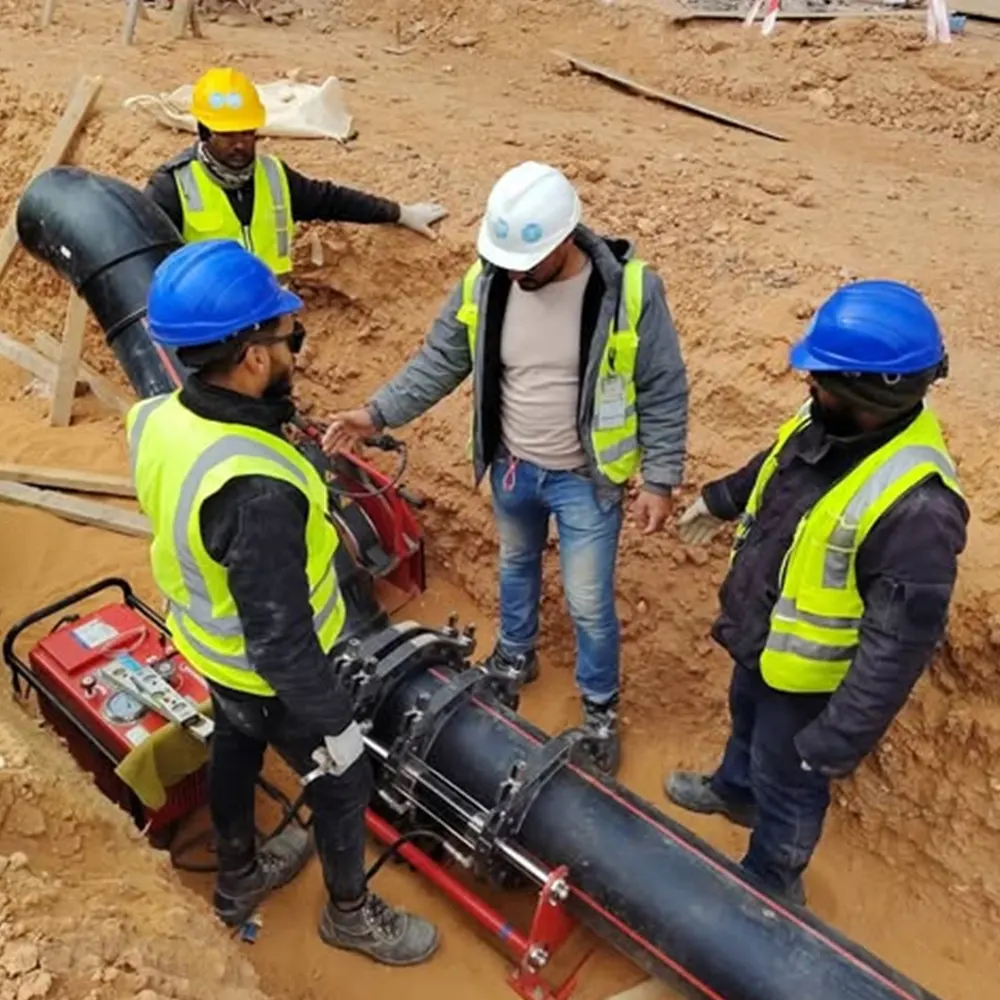
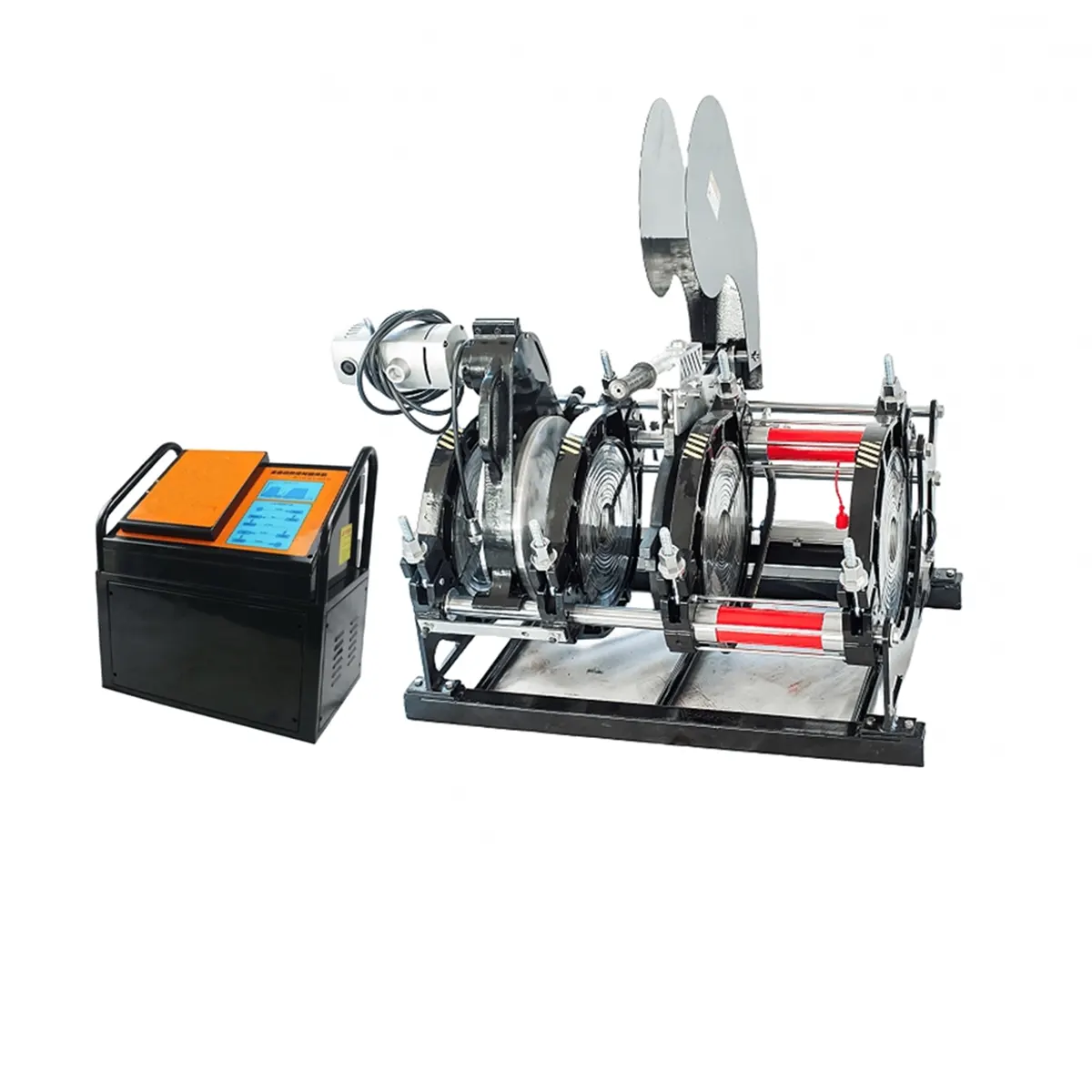
Factory capability: Check production capacity, range of models (manual, hydraulic, CNC automatic), and whether the factory can support pipe diameters you need. Quality & certification: CE, ISO and third-party inspection reports are essential. Service & spare parts: Fast access to heaters, cutters, and clamps speeds repairs on the jobsite.
What Czech buyers should ask
When contacting a supplier, ask for: a copy of CE/ISO certificates, lead time for common models, local references in the Czech Republic or neighboring EU countries, warranty terms, and availability of operator training in English or Czech.
Typical product mix for infrastructure projects
| Machine Type | Typical Pipe Range (mm) | Best For |
|---|---|---|
| Manual butt fusion | 20–160 | Small repairs, field crews |
| Hydraulic butt fusion | 160–1200 | Municipal water & sewer projects |
| CNC/Automatic butt fusion | 200–2000+ | Large-diameter mains, industrial pipelines |
Where to find reliable suppliers in/for the Czech market
Use a combination of channels: trade shows (regional water and pipeline exhibitions), supplier directories, and verified B2B platforms. Also contact local engineering firms and contractors for referrals — they often know which factories consistently ship quality machines and spare parts into the Czech Republic and Slovakia.
Red flags to avoid
Vague specs: Suppliers that can’t provide datasheets, welding parameters, or proof of compliance. No spare parts policy: Long spare parts lead times can halt a job. Unclear warranty: Ask for written warranty conditions and RMA procedures.
Logistics and support considerations for Czech buyers
Confirm EU-compatible packaging, DOCs for customs clearance, and available shipping routes via road, rail or sea. For some municipal buyers, on-site training and commissioning in Czech or English can be decisive. Ask whether the supplier offers local agents or authorized service partners across Central Europe.
How to validate a factory quickly
Request recent factory audit reports and ask for factory photos or a short video walkthrough. Verify references from customers in Germany, Austria, Poland or the Czech Republic. If possible, schedule a physical visit or join a virtual factory tour to see QA processes and product testing in action.
Final tip for procurement teams
Balance price with total lifecycle value: a slightly higher upfront cost for a machine with better after-sales support, local spare parts, and training often saves time and money across a project’s life.
Ready to get started?
For buyers who need a dependable butt fusion machine partner that serves the Czech market and broader EU infrastructure projects, consider reaching out to JQ-Fusion (https://jq-fusionwelding.com/) for model options, delivery timelines, and certification details.



