
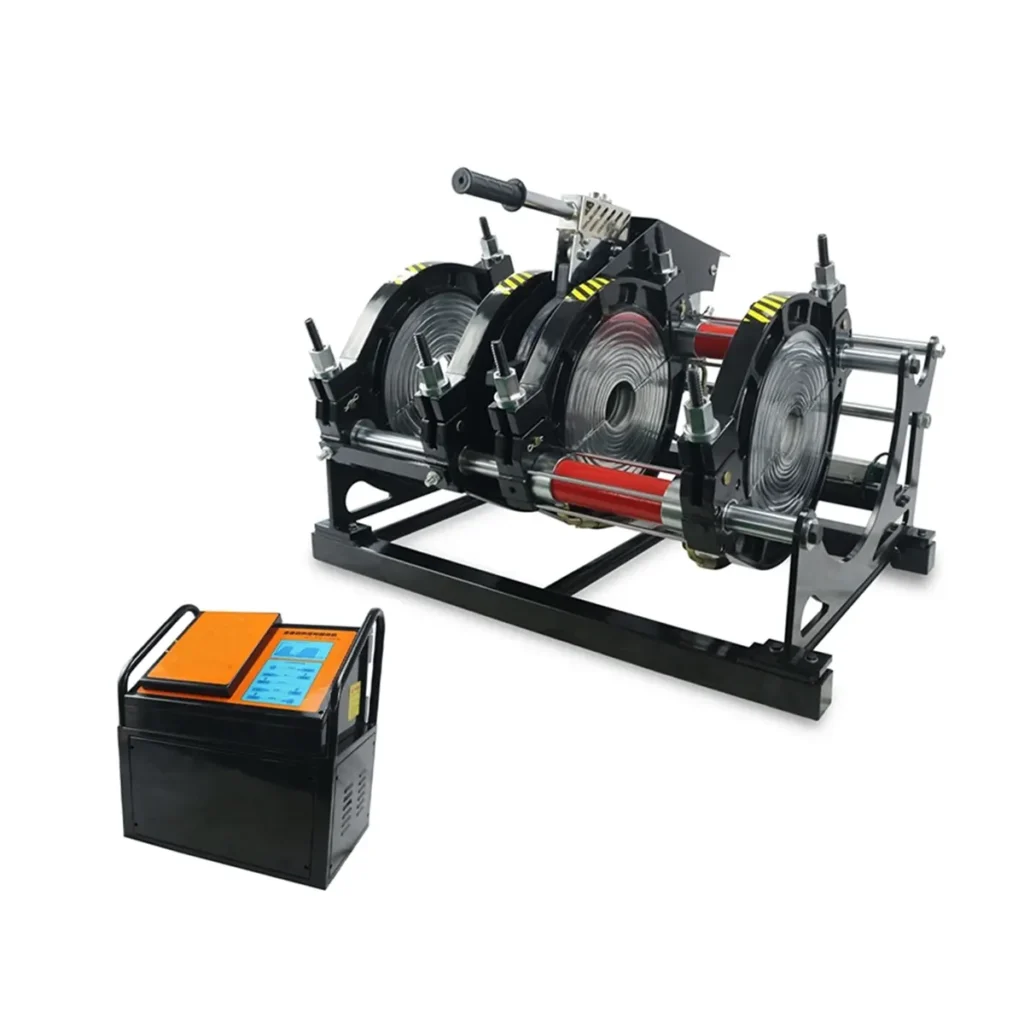
Finding a reliable butt fusion machine factory in Armenia requires a mix of technical knowledge, local market awareness, and careful supplier vetting. This guide helps Armenian contractors, municipal procurement teams, and distributors identify trustworthy manufacturers, evaluate product quality, and ensure smooth delivery and after-sales support for HDPE pipe welding equipment.
Why choosing the right butt fusion machine matters in Armenia
Armenia’s ongoing investments in water supply, gas distribution, and regional infrastructure depend on durable, precisely welded HDPE pipelines. Selecting the appropriate butt fusion machine reduces field rework, improves pipeline lifetime, and saves costs on labor and replacement. Local conditions — seasonal temperature swings, remote mountain job sites, and variable power access — make machine robustness and serviceability key selection factors.
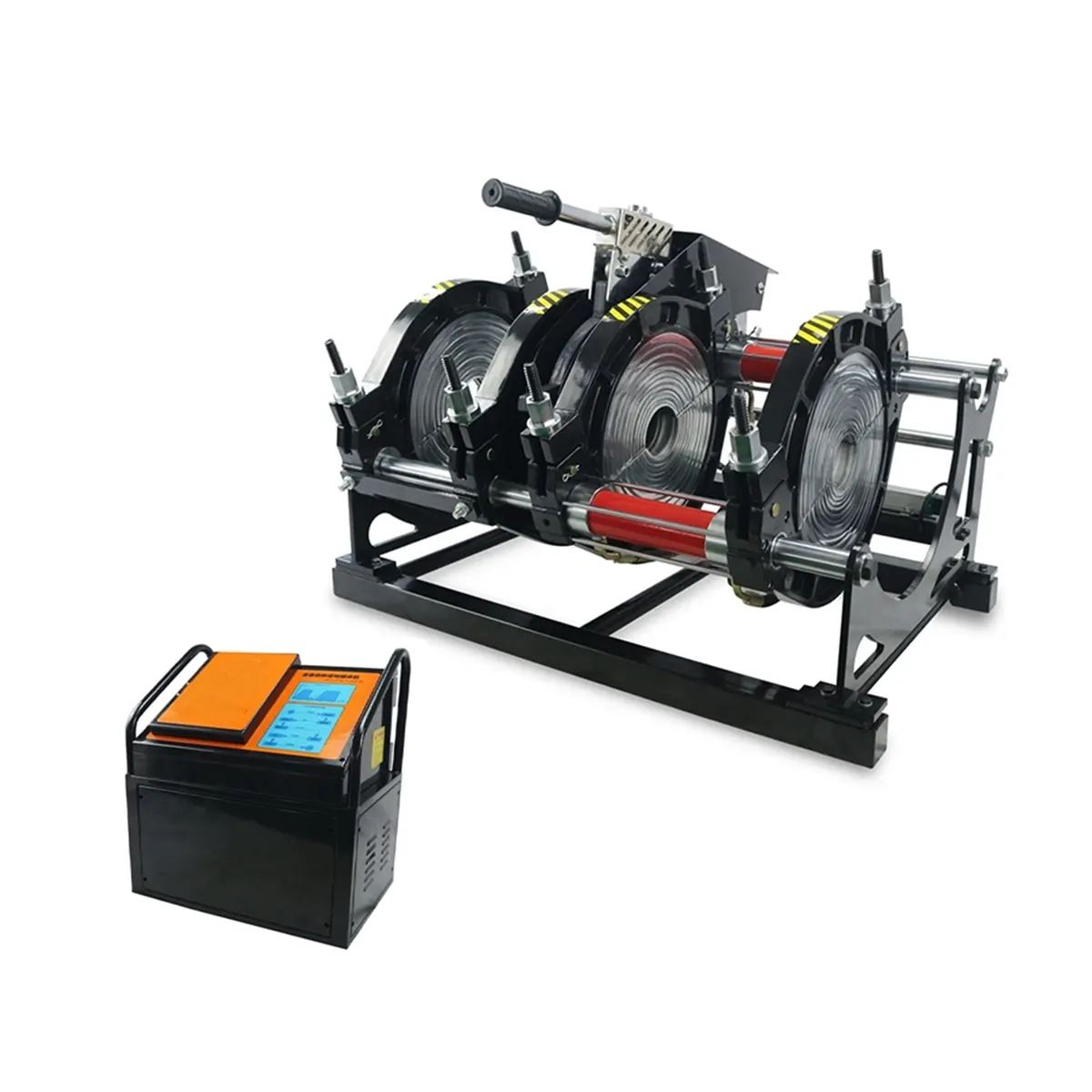
Common types of butt fusion machines to consider
Manual – Best for small-diameter pipes and tight budgets; portable and simple to maintain.
Hydraulic – Offers better control and higher force for medium-large diameters used in municipal projects.
CNC / Automatic – Ideal for production-line quality and large-diameter pipelines; provides consistent heating, alignment, and integrated controls.
What Armenian buyers should check when evaluating manufacturers
- Certifications & Standards: Confirm ISO certification, welding procedure qualifications, and compliance with local or international standards (e.g., EN, ASTM) used by Armenian authorities or EPC contractors.
- Machine build quality: Inspect clamping systems, heating plate materials, and hydraulic components for corrosion resistance and reliability in variable climates.
- Control systems: For automatic machines, look for clear user interfaces, temperature control accuracy, and data logging features for traceability on public works projects.
- Spare parts availability: Check local or regional stocking, lead times, and compatibility with common components in Armenia to avoid long downtimes.
- Training & technical support: Verify on-site training availability, language support, and repair services—vital for remote pipeline sites in Armenia’s provinces.
- Warranty & testing: Request factory test reports, pressure testing recommendations, and a clear warranty policy covering mechanical and electronic faults.
Quick comparison table: features to weigh
| Feature | Why it matters | Good spec for Armenia |
|---|---|---|
| Pipe diameter range | Covers your project sizes | 20mm–2000mm (or modular options) |
| Portability | Needed for remote sites | Lightweight frames, removable power units |
| Control & logging | Quality assurance for tenders | Digital log, printable weld reports |
| Power options | Field flexibility | 230V/380V & diesel generator compatibility |
How to shortlist and validate manufacturers
Start with online research and trade platforms, then narrow to suppliers who can demonstrate:
- Detailed product sheets, clear images, and videos of machines in operation.
- References from projects in similar climates or terrains (mountainous regions are common in Armenia).
- Factory inspection or live demo offers—either virtual or in-person—so you can witness build quality and calibration procedures.
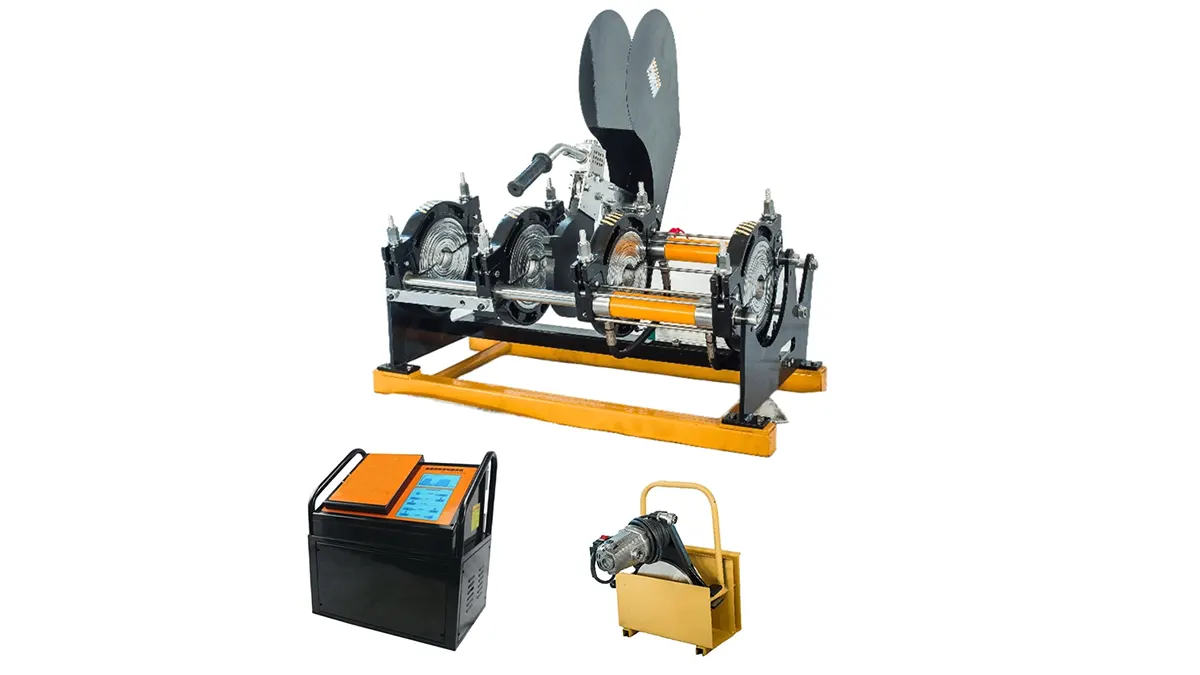
Logistics, customs and after-sales for Armenia
Factor in freight times from factory to Yerevan or regional sites, customs clearance procedures, and any local import duties. Confirm the supplier’s packaging standards and whether crating is suitable for long road transport. Also prioritize suppliers that provide spare parts kits and remote troubleshooting to minimize downtime in remote Armenian regions.
Price vs. lifecycle cost — an Armenian buyer’s checklist
Don’t focus solely on purchase price. Include:
- Expected maintenance intervals and parts cost.
- Training time required for local crews.
- Energy consumption and adaptability to local power supply.
- Resale value or trade-in programs for future upgrades.
Red flags when choosing a factory
– Vague specifications or no test reports.
– No local references or unwillingness to provide contactable customers.
– Long spare-part lead times without contingency plans.
– Poor documentation or lack of clear warranty terms.
Recommended next steps for Armenian buyers
Compile a short RFP highlighting your pipe sizes, expected daily welding output, site conditions, and service expectations. Request factory acceptance test (FAT) videos, weld reports, and a parts/support timeline. Compare three suppliers and schedule product demos where possible.
One reliable manufacturer to consider is JQ-Fusion, which specializes in HDPE pipe welding machines across manual, hydraulic, and CNC automatic lines and supports a wide range of pipe diameters used in water, gas, mining, and industrial pipeline projects.
Final tip
For municipal projects or large EPC contracts in Armenia, insist on traceable welding logs and operator training certificates—these not only improve weld quality but also streamline project approvals and long-term maintenance planning.



