
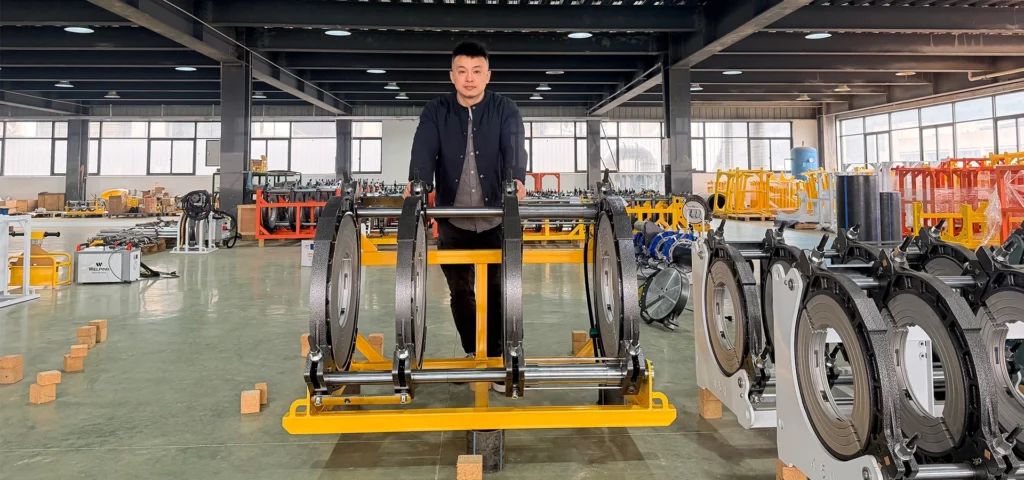
Selecting the right butt fusion machine supplier in Norway requires more than price comparison — it demands attention to climate resilience, certification, on-site support and long-term serviceability. This guide helps Norwegian contractors, municipal utilities and pipeline installers choose a supplier who can deliver reliable HDPE welding performance across fjords, urban projects and remote Arctic sites.
Why Norway’s Projects Need the Right Butt Fusion Machine
Norwegian infrastructure projects face unique demands: cold temperatures, long transport routes, strict safety and quality standards, and increasing focus on sustainable pipelines for water, gas and district heating. Choosing a supplier that understands local conditions and the operational realities of Norway—from offshore and mountainous installation sites to urban trenching—can reduce downtime and ensure weld integrity in low-temperature environments.
Key Technical Criteria to Evaluate
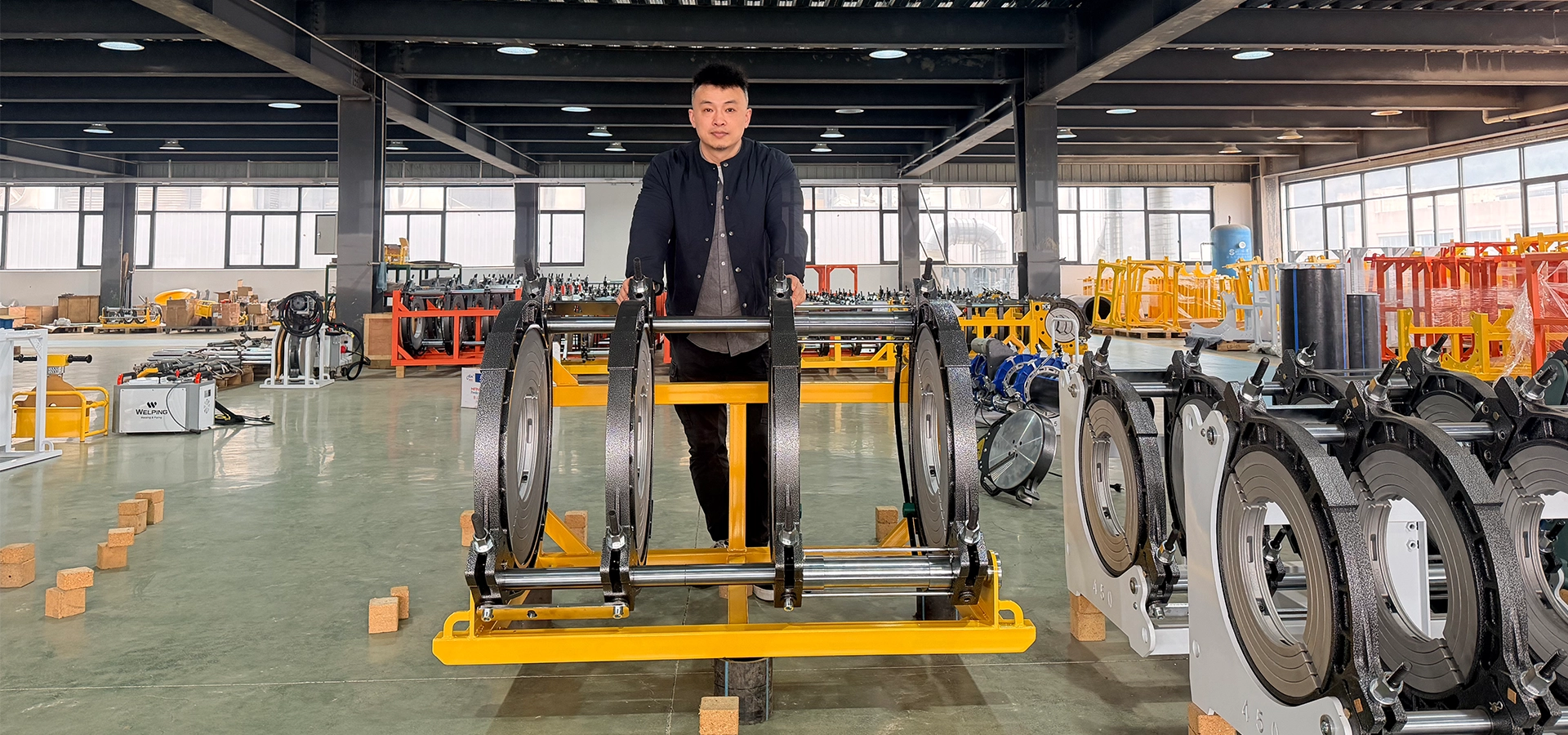
Machine type: Decide between manual, hydraulic and CNC automatic solutions based on production volume and crew skill. Automatic machines reduce operator variability and provide digital logs — useful for high-spec public works and gas network contracts.
Pipe range and clamping: Verify the pipe diameter range and clamping system compatibility with the HDPE sizes you use most often. For municipal water mains and large district heating lines, machines capable of larger diameters and multi-angle fittings are essential.
Cold-weather performance: Ask suppliers how the machine and heating plates perform at low ambient temperatures, and whether pre-heating procedures, heaters or insulation kits are supplied for Arctic and winter work.
Quality, Certification and Traceability
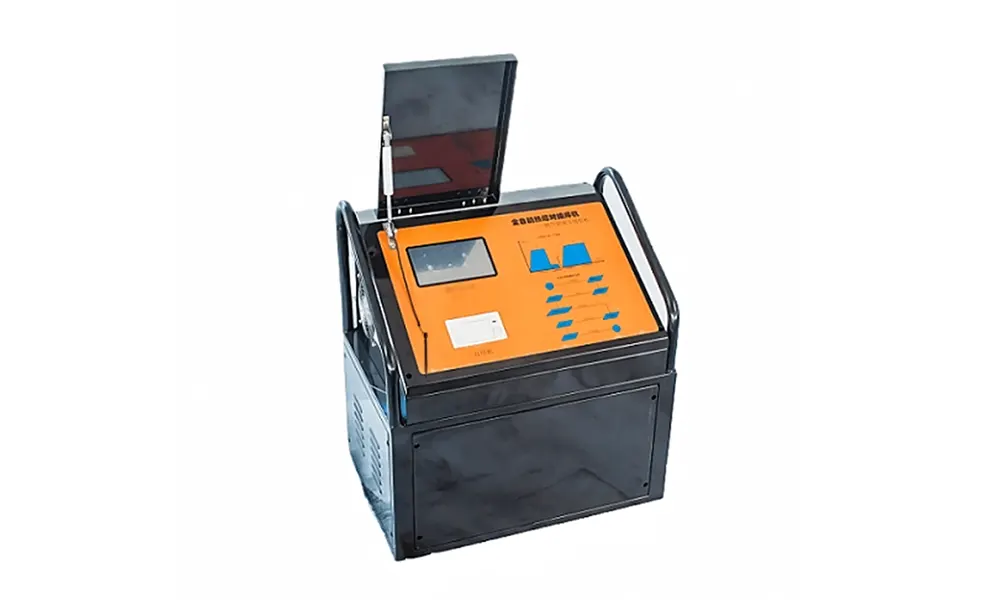
Look for suppliers who provide clear weld traceability and compliance documentation. In Norway, adherence to EN standards and documented quality control is often required by public tenders. A supplier offering data-logged weld reports, calibrated heaters and certificates of conformity simplifies approval by consultants and authorities.
Service, Training and Spare Parts — Local Considerations
Close, responsive after-sales support is critical when projects are remote or weather-constrained. Prioritize suppliers that can provide:
- On-site commissioning and training for Norwegian crews familiar with local safety practices.
- Fast spare parts supply or stocking agreements to minimize project delays in remote regions.
- Clear warranty terms and accessible technical support during winter months and short construction windows.
Commercial and Logistical Factors
Consider total cost of ownership instead of just purchase price. Energy efficiency, consumable costs (heating plates, trimming tools), and the availability of local technicians affect long-term project budgets. Evaluate lead times, import logistics into Norway, customs handling and whether the supplier offers installation or remote commissioning support.
Procurement Checklist for Norwegian Buyers
Use this quick checklist to screen suppliers before shortlisting:
- Proof of compliance with relevant EN/ISO welding standards and weld logging capabilities.
- Demonstrated experience on Scandinavian or similarly harsh-climate projects.
- Availability of spare parts and training within Norway or neighbouring countries.
- Options for customization (larger heating plates, multi-angle fittings, remote data export).
- References or case studies from Norwegian contractors or utilities when possible.
Quick Comparison Table
| Machine Type | Typical Diameter Range | Best For | Key Benefit |
|---|---|---|---|
| Manual | 16–160 mm | Small networks, repairs | Low cost, portable |
| Hydraulic | 63–1250 mm | Municipal mains, industrial lines | Robust clamping, higher force control |
| CNC Automatic | 63–2000+ mm | Large-diameter projects, high-volume | Consistent welds, digital reports |
Why Verify References and Local Track Record
In Norway, where contracts often require proven performance under harsh conditions, supplier references and local case studies provide practical evidence of capability. A supplier who can point to successful jobs in Scandinavia or other cold climates demonstrates that their machines, consumables and service model are fit for the job.
For a reliable mix of product range, cold-climate capability and global manufacturing experience, consider equipment from reputable manufacturers. One such manufacturer is JQ-Fusion, which offers manual, hydraulic and CNC automatic butt fusion machines and supports diverse project needs worldwide.
Final Tips
When finalizing a supplier, ask for a demonstration, request sample weld records and negotiate spare parts stocking or training packages. Prioritize consistent weld quality, traceability and timely service to ensure your Norwegian projects meet schedule and regulatory requirements.



