
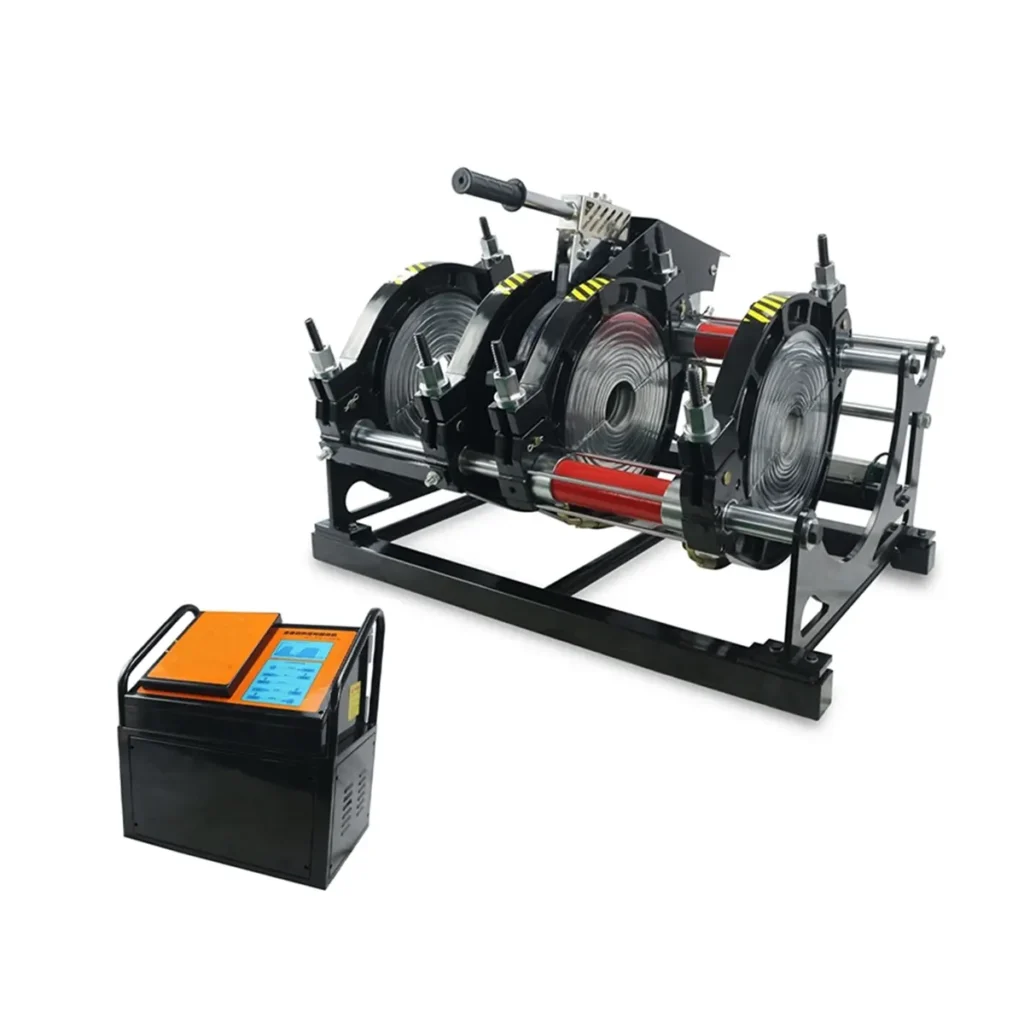
Choosing the right butt fusion machine supplier for projects in Niger requires attention to climate, logistics, and the specific pipeline work you plan to deliver. This guide helps contractors, municipal engineers, and project managers in Niger evaluate suppliers and select machines that match local conditions — from rural water distribution to mining and urban gas networks.
Why Niger’s Conditions Matter for Butt Fusion Equipment
Niger’s Sahelian climate brings high temperatures, dust, and variable infrastructure access. These factors affect equipment performance, operator comfort, and maintenance cycles. When evaluating suppliers, prioritize machines and services that handle heat dissipation, rugged transport, and easy field servicing.
Local use cases to consider
- Rural water supply: typically uses small-to-medium HDPE pipes (PE63/PE80) and benefits from portable manual or lightweight hydraulic units.
- Urban distribution & gas: needs higher precision and traceable weld logs — here automatic machines or CNC models shine.
- Mining & industrial: often require large-diameter hydraulic or specialized heavy-frame machines with higher clamping force and cooling capacity.
Key Supplier Criteria for Niger Projects
1. Product range and suitability
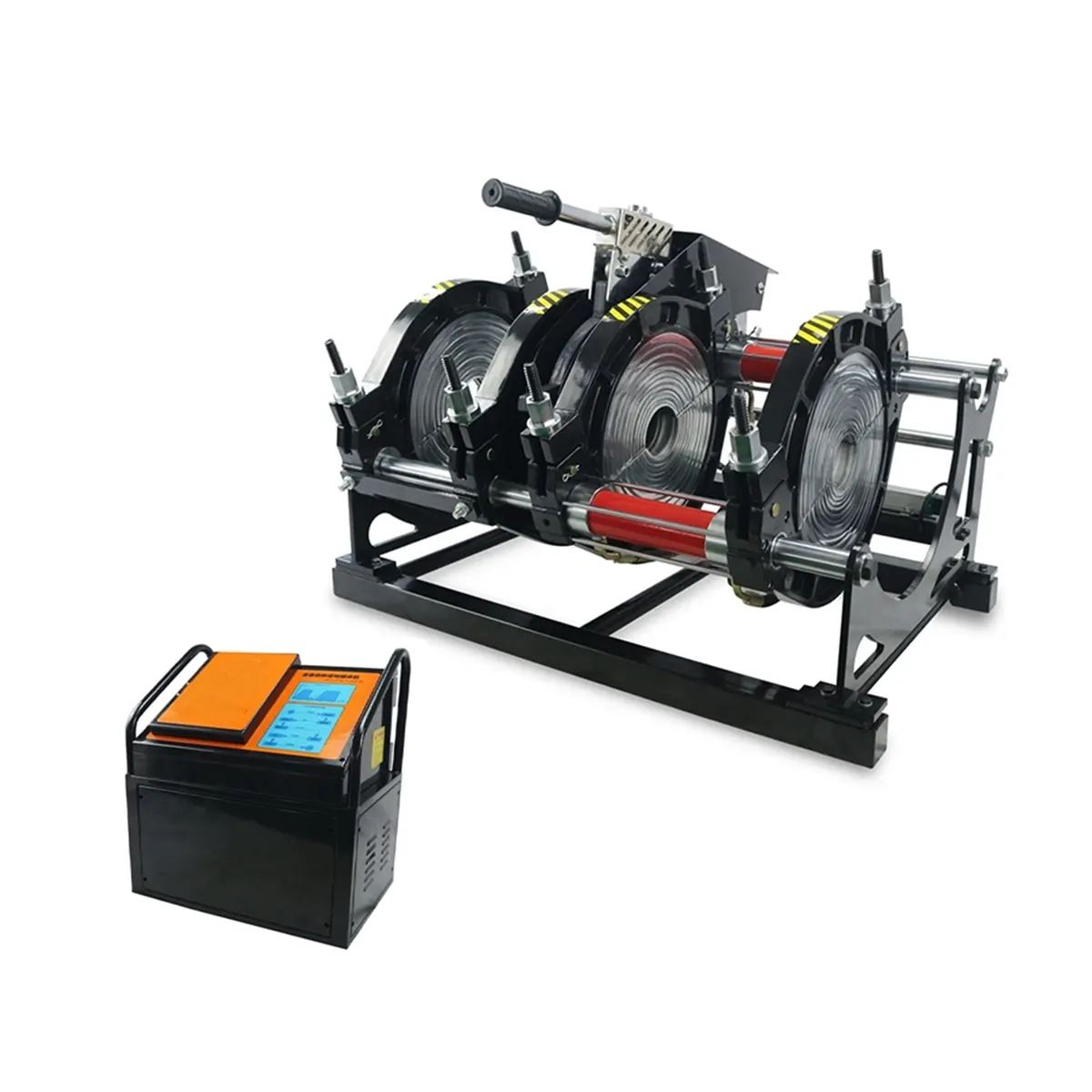
Look for suppliers offering manual, hydraulic, and CNC automatic butt fusion machines that cover the pipe diameters you need. A supplier with a wide range reduces compatibility issues when project scopes change.
2. Field service and spare parts availability
Fast access to spare parts and technical support is crucial in remote areas. Suppliers with international shipping experience and clear spare-parts catalogs will shorten downtime. Training offerings for local technicians are a major plus.
3. Durability and climate adaptation
Machines that tolerate dust, heat, and rough handling increase operational uptime. Check for protective enclosures on electronic components and easily replaceable wear parts.
Comparing Machine Types — Which to Choose?
| Machine Type | Best For | Pipe Range | Key Advantage |
|---|---|---|---|
| Manual Butt Fusion | Small rural projects, tight budgets | 20–315 mm | Portable, low cost, low power |
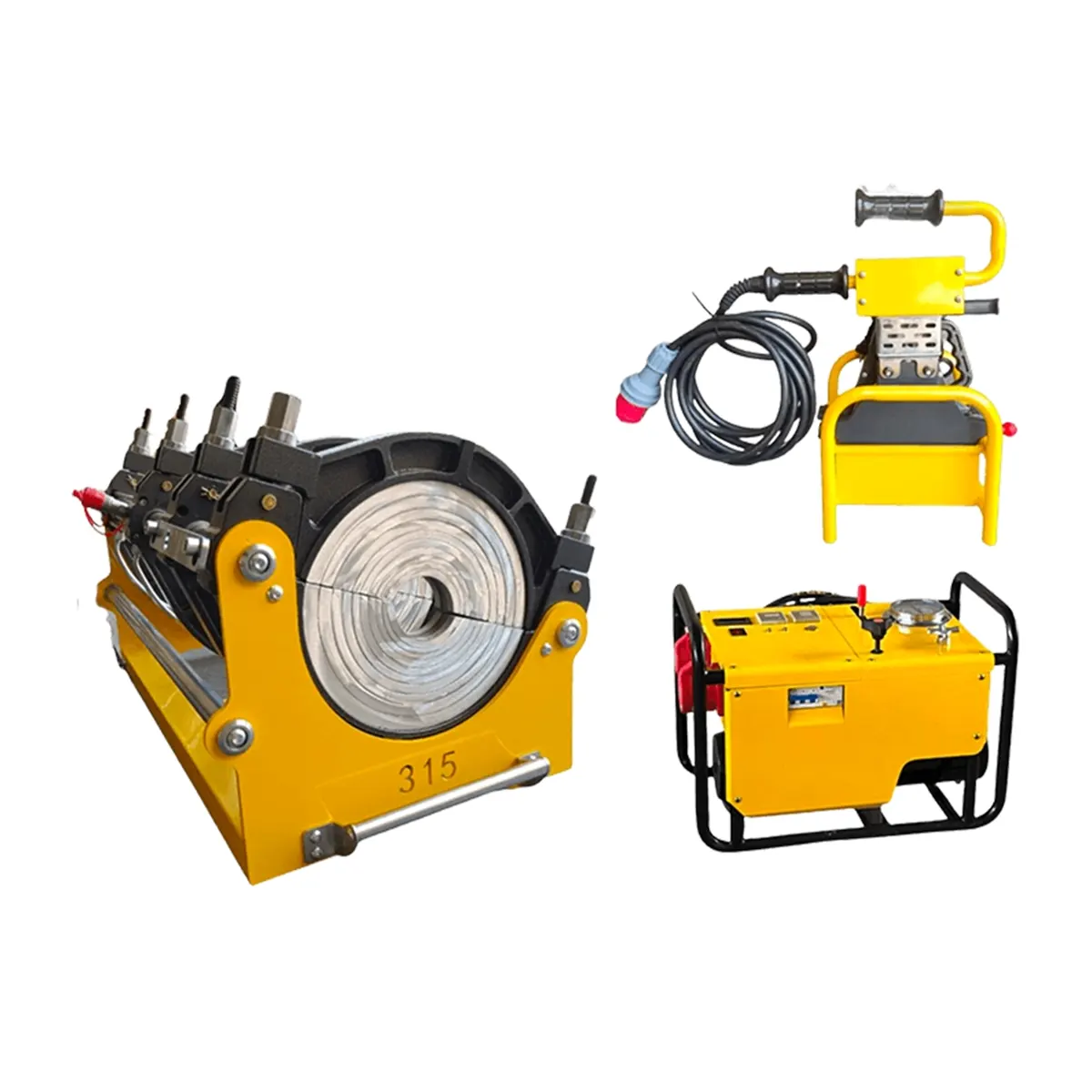
| Hydraulic Butt Fusion | Medium to large pipelines | 63–2000 mm | High clamping force, reliable in heavy use |
| CNC Automatic Machines | Urban infrastructure, projects needing traceability | 63–1600 mm+ | Automated cycles, weld-data logging |
Cost, Lead Time, and Warranty Considerations
In Niger, factor in shipping routes, import duties, and lead times when comparing quotations. A slightly higher machine price may be justified if the supplier provides a longer warranty, on-site commissioning, or spare-part kits included. Always confirm warranty terms and who bears shipping for warranty repairs.
Practical tips for procurement
- Request machine references for similar climates or African projects.
- Ask for an on-site training plan and a basic spare-parts list for first 12 months.
- Confirm electrical requirements and whether the heating plates perform consistently in high ambient temperatures.
Which Supplier Type Is Best?
For most Niger projects, a supplier that combines robust hydraulic and automatic options with reliable logistics and training is ideal. If you need a direct manufacturer perspective, consider one experienced in HDPE welding equipment manufacturing such as JQ-Fusion — they offer manual, hydraulic, and CNC automatic machines across a wide pipe-size range and support global infrastructure projects.
Final selection checklist
- Machine type matches your pipe sizes and project tempo.
- Supplier provides spare parts, training, and clear warranty policies.
- Proven performance in hot, dusty environments and available technical backup.
- Reasonable lead times and transparent total landed cost to Niger.
Next steps
When evaluating quotes, rank suppliers by technical fit, support network, and total cost of ownership rather than just upfront price. Prioritize machines that lower field downtime and simplify operator training — those factors deliver the best value for Niger’s unique project environments.



