
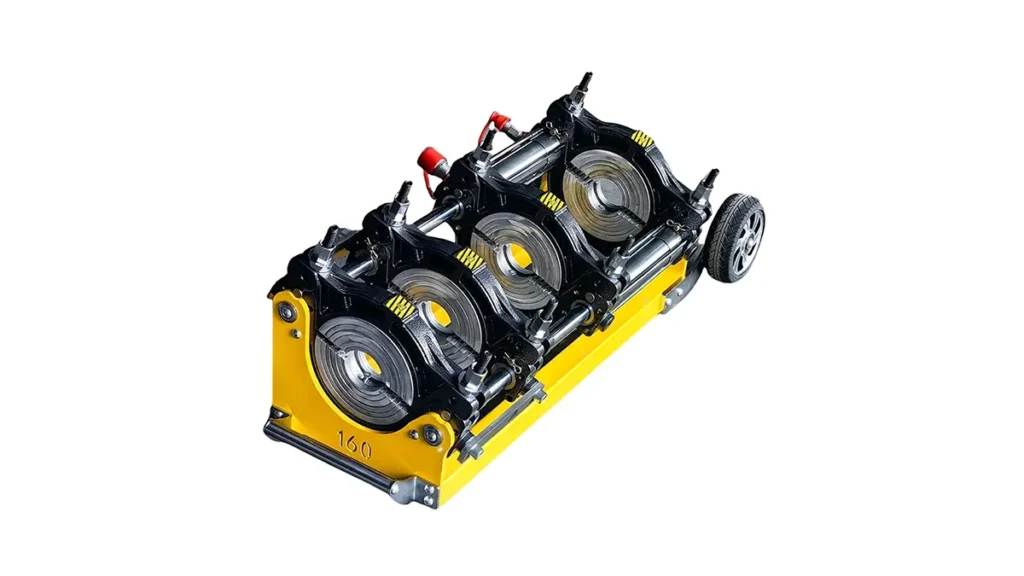
Brazil’s infrastructure boom demands reliable polyethylene welding solutions for water, gas, mining and industrial pipeline projects. Choosing the right HDPE pipe welding equipment ensures long-lasting joints in varied climates — from Amazon humidity to São Paulo’s urban installations. This guide highlights key benefits, practical tips for Brazilian projects, and a compact comparison to help procurement teams, contractors, and municipal engineers decide with confidence.
Why HDPE Butt Fusion Is Ideal for Brazilian Projects
Durability and corrosion resistance are essential for Brazil’s diverse environments. Butt fusion welding creates homogeneous joints that resist corrosion, abrasion and chemical exposure — critical for potable water networks, sewer systems and gas distribution across coastal and inland regions. For remote worksites in the Amazon or rugged mining sites in Minas Gerais, a robust butt fusion system reduces rework and service calls.
Key Advantages for Local Contractors
Brazilian contractors benefit from HDPE solutions because they offer:
-
Low lifecycle costs — fewer leaks and maintenance interventions.
-
Flexible installation — suitable for trenchless methods and long pipeline runs common in rural distribution projects.
-
High thermal and chemical stability — important for industrial effluent and gas networks.
Selecting the Right Machine Type
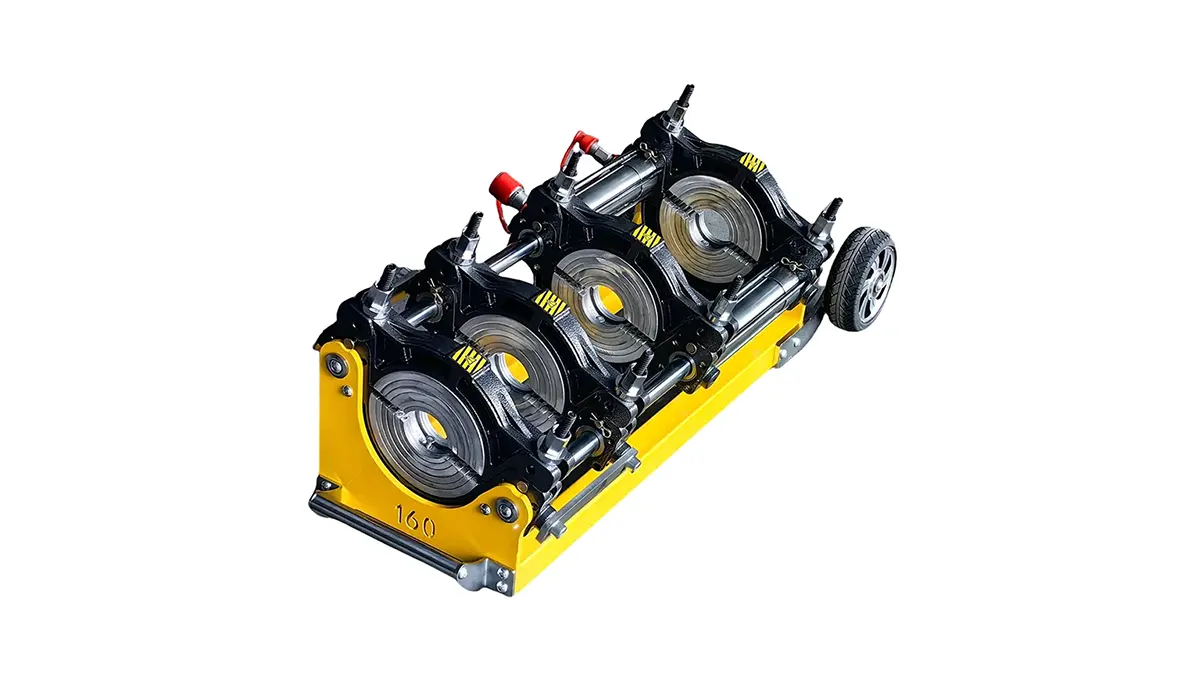
Project scale and environment determine the machine choice. Small municipal repairs and service connections often use manual units for portability. Urban utility contractors prefer hydraulic machines for faster cycle times and stable pressure control. For large-diameter transmission lines or repetitive production work, CNC automatic systems deliver precision and repeatability.
Practical Considerations for Brazil
When specifying equipment in Brazil, consider local factors like:
-
Site logistics — road access and transportation constraints for large frames.
-
Power availability — choose models that match on-site generators or mains voltage common in Brazilian regions.
-
Operator training — ensure welders understand butt fusion standards accepted by ANEEL or municipal water authorities.
Model Comparison at a Glance
| Model | Type | Pipe Range | Best For |
|---|---|---|---|
| Manual Lx Series | Manual | 20mm – 315mm | Service connections & tight-access sites |
| JQH Hydraulic Range | Hydraulic | 63mm – 2250mm | Municipal networks & medium-large projects |
| JQA Automatic Series | CNC Automatic | 160mm – 630mm+ | Repeated production welds & precision-critical runs |
Quality, Parts and After-Sales in Brazil
Local availability of consumables (heating plates, facing tools, clamps) and access to technical support shorten downtime. For projects across Brazil, prioritize suppliers who can coordinate shipment, training and remote support to match construction schedules — especially during rainy seasons when delays are costly.
Implementation Best Practices
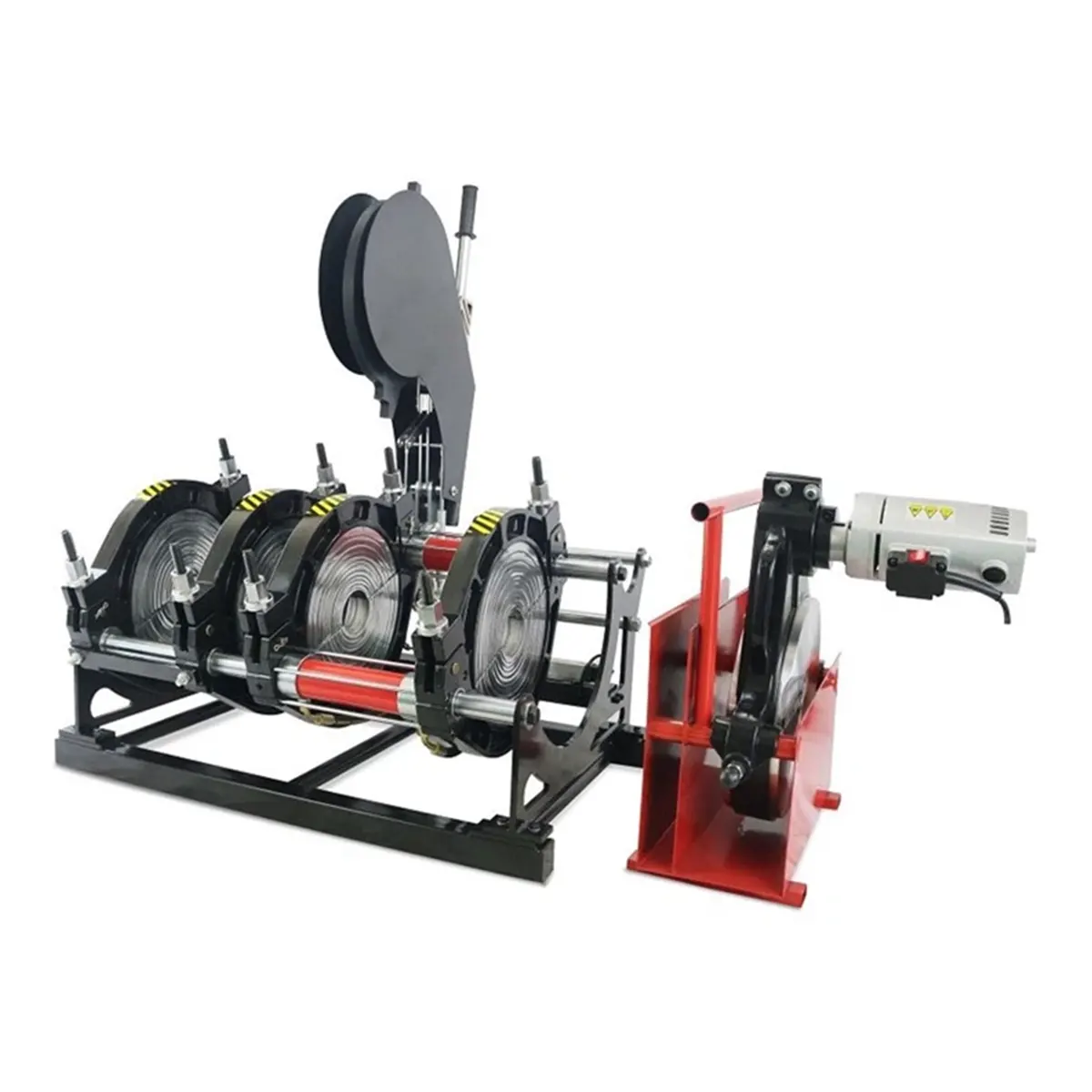
Adopt standardized welding procedures, maintain calibrated pressure and temperature controls, and document each weld for quality assurance. For public works and concession projects, a clear QA/QC record speeds approvals and reduces liability.
Get Started
For reliable butt fusion equipment tailored to global infrastructure needs, consider contacting JQ-Fusion to discuss machine selection, spare parts and operator training that match Brazilian project demands.



