
Electrofusion welding machines provide a fast, reliable way to join HDPE pipes used across Jordan’s water supply, irrigation, gas distribution, and infrastructure projects. Contractors in Amman, Irbid, Aqaba, and rural governorates demand equipment that delivers consistent joint strength under hot, arid working conditions and variable site power. This guide explains what to look for when choosing the best electrofusion welding machine supplier in Jordan and highlights the features that ensure long-term performance on local projects.
Why Electrofusion Is Ideal for Jordanian Projects
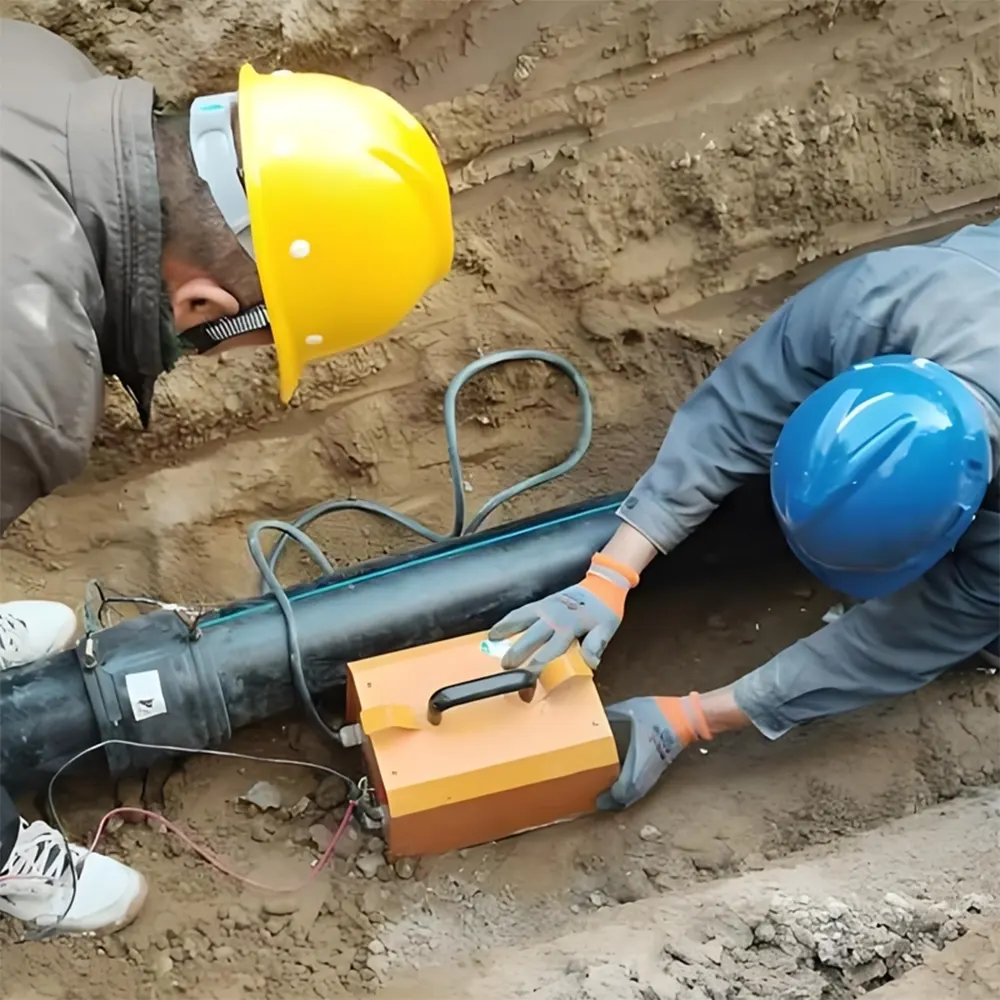
Electrofusion welding is preferred for buried pipelines and tight urban installations because it creates uniform, leak-free joints without the need for external adhesives or complex fixtures. For Jordan — where efficient water management and reliable gas distribution are essential — electrofusion welding reduces installation time and minimizes the risk of joint failure caused by soil movement or temperature fluctuation.
Key Benefits for Local Contractors
Repeatable quality: Controlled heating profiles and integrated timers ensure consistent fusion for every joint. Portability: Compact units suit constrained urban sites across Amman and provincial towns. Safety: Low-voltage, enclosed systems reduce operator exposure and site hazards common in congested installations.
Top Features to Prioritize
When evaluating suppliers and machines, look for equipment that delivers these essentials for Jordanian use cases:
-
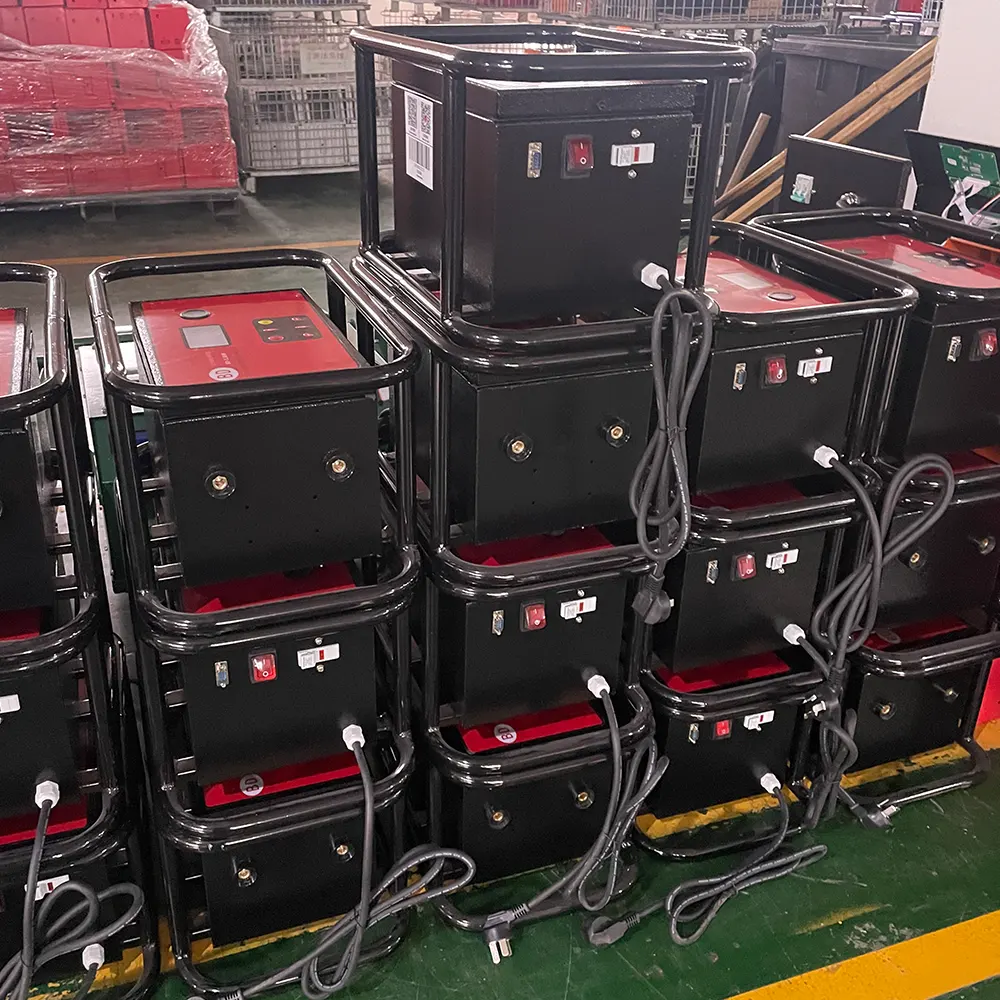
Reliable power management and surge protection — useful for regions with unstable mains.
-
Simple, multilingual control interfaces and clear welding reports for quality audits.
-
Wide temperature operating range and robust casing to withstand desert dust and heat.
-
Local parts availability or fast international shipping for critical spares.
Quick Comparison Table
| Model | Suitable Pipe Range | Power | Ideal Use |
|---|---|---|---|
| Portable Electrofusion Unit A | 20–100 mm | 110–240V | Urban repairs, service connections |
| Mid-Range Electrofusion B | 90–315 mm | 110–240V, battery option | Municipal networks, irrigation |
| Heavy-Duty Electrofusion C | 200–630 mm | Three-phase compatible | Large-diameter trunk mains and industrial pipelines |
Applications Across Jordan
Electrofusion is widely used in Jordan for:
-
Drinking water distribution and network rehabilitation projects in cities and refugee-hosting municipalities.
-
Irrigation systems in the Jordan Valley where robust leak-free joints reduce precious water loss.
-
Gas distribution and industrial pipelines in Aqaba and Amman’s expanding service areas.
Local Support and After-Sales Service
For projects in Jordan, prompt technical support and certification are crucial. Choose suppliers that provide documented welding procedures, operator training, and troubleshooting assistance — either locally or via fast remote support. Machines with on-board logging make it easier to meet municipal acceptance criteria and to maintain long-term warranties.
How to Verify a Reliable Supplier
Check for:
-
Clear technical specifications and compliance with international fusion standards.
-
Availability of replacement parts and calibration services.
-
Case studies or references from similar Middle East projects.
-
Accessible user manuals and training in Arabic or English.
Make the Right Choice for Your Jordan Project
Selecting the right electrofusion welding machine supplier means balancing machine capability, local support, and documented quality. For contractors and utility teams working across Jordan’s diverse climates and terrains, investing in durable, well-supported electrofusion equipment reduces rework and protects project timelines.
For dependable HDPE welding solutions and a range of electrofusion and butt fusion machines, consider contacting JQ-Fusion at https://jq-fusionwelding.com/ for technical details and available models.



