
In Cameroon’s growing infrastructure scene—from urban water networks in Douala and Yaoundé to rural irrigation projects and mining operations—reliable butt fusion welding equipment is essential for long-lasting HDPE pipelines. Choosing the right butt welder ensures leak-free joints, faster installation, and lower life-cycle costs for municipal contractors, rural water associations, and private sector developers.
Why Reliable Butt Welding Matters in Cameroon
Cameroon’s diverse climate and varied project sites demand machines that perform consistently under heat, humidity, and remote-jobsite conditions. Reliable welders reduce rework on water supply and sanitation projects, help agricultural cooperatives install robust irrigation lines, and support oil/gas or mining pipeline needs where high-integrity joints are mandatory. Local installers benefit from equipment that is simple to operate, maintain, and transport over rough roads.
Types of Butt Fusion Machines and When to Use Them
Understanding the main categories helps procurement teams and contractors pick the right tool for each job. Below is a quick comparison of the three common types used across Cameroonian projects.
| Machine Type | Ideal Applications | Pros | Considerations |
|---|---|---|---|
| Manual Butt Fusion | Small rural projects, repairs, village-level installations | Lightweight, low cost, easy to transport | Requires operator skill for consistent joints |
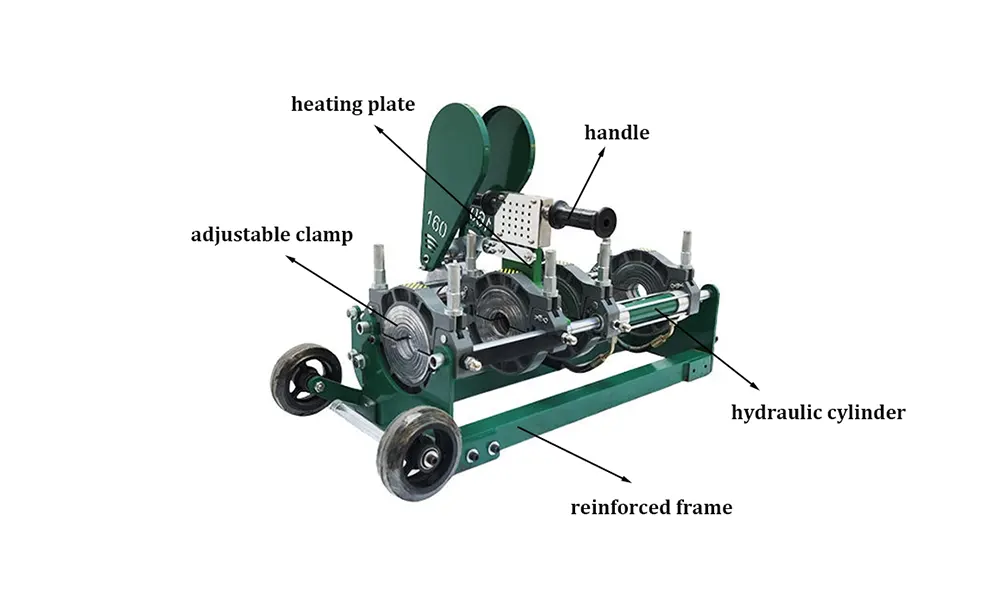
| Hydraulic Butt Fusion | Mid- to large-diameter municipal and industrial pipelines | Stable pressure control, consistent weld quality | Heavier, needs logistics for transport |
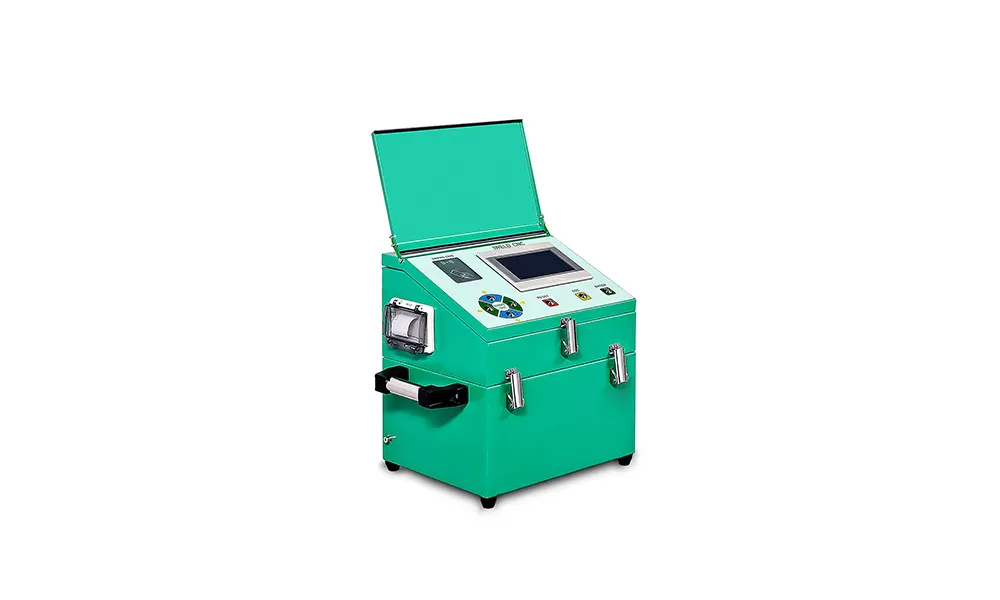
| Automatic / CNC Butt Fusion | High-volume projects, long runs, factory-style prefabrication | Highest repeatability, programmable parameters | Higher capital cost; needs trained operators |
Key Features to Look For
Durability: Corrosion-resistant components and robust frames handle muddy, coastal, and high-humidity environments. Portability: Machines that break down into manageable parts or come with towing options make site access easier. Control & Documentation: Digital readouts, programmable cycles, and weld logs help meet quality assurance requirements for donors, governments, and private contracts in Cameroon.
Local Considerations — Logistics, Training and Parts
Project managers should evaluate after-sales support, spare parts availability, and on-site training. In Cameroon, consider:
- Transport challenges between major cities and remote regions — choose machines that are road-transport friendly.
- Availability of certified trainers or the ability to provide practical on-site instruction for local welders.
- Stocking essential consumables (heating plates, trims, clamps) locally or through reliable import channels to reduce downtime.
Applications Across Cameroon
Butt fusion systems are widely used for:
- Urban and peri-urban potable water distribution—ensuring joints meet public health and leak control standards.
- Irrigation networks for smallholder farms and agribusinesses in the West and North regions.
- Sewage and drainage pipelines for growing towns, where corrosion resistance matters.
- Industrial and mining pipework—where durable HDPE connections reduce maintenance costs.
Maintenance Best Practices
Routine checks and preventive care extend machine life: clean heating plates after each job, inspect hydraulic lines and seals, keep control electronics dry, and maintain a simple inventory of wear parts. Regular calibration and weld test records protect project warranties and ensure compliance with international standards.
Selecting a Trusted Manufacturer
When sourcing equipment for Cameroonian projects, opt for manufacturers with proven experience in HDPE welding solutions and a track record of supplying machines for water, gas, and industrial pipelines. JQ-Fusion offers a range of manual, hydraulic, and automatic butt fusion machines designed for global infrastructure needs and adaptable to local project constraints.
Final Procurement Tips
Before purchase, request weld sample reports, operator training plans, and spare parts lead times. Factor in warranty coverage and the supplier’s ability to support commissioning in Cameroon. Proper machine selection paired with operator training will yield reliable, efficient pipeline systems that serve communities and industries for decades.



