
Finding a reliable automatic pipe welding machine supplier in Uganda can make or break pipeline projects for water, gas, agriculture, and oil sector works. This guide helps Ugandan contractors, municipal engineers, and project managers identify the best sourcing channels, evaluate suppliers, and choose suitable HDPE butt fusion equipment for local conditions.
Why automatic pipe welding machines matter in Uganda
Uganda’s expanding infrastructure — from rural water supply networks to oil & gas developments in the Albertine region — is driving demand for reliable HDPE welding equipment. Automatic butt fusion machines deliver consistent weld quality, faster cycle times, and repeatable temperature/pressure control compared with manual methods, which is essential for long-term pipeline integrity in hot, humid climates and remote work sites.
Where to find reliable suppliers in Uganda
Look for suppliers through multiple channels to compare lead times, support, and cost:
- Direct manufacturers who export to Uganda and provide CE/ISO documentation and spare parts kits — check delivery and training options.
- Local importers and distributors based around Kampala or industrial centers who can offer faster service, spare parts stocking, and on-site training.
- International trade platforms and verified B2B marketplaces for price comparisons, but always request references and test reports.
- Industry events and trade fairs that showcase welding solutions and allow hands-on demos.
- Consulting engineers and contractors working in Uganda who can recommend machines that perform well under local site conditions.
For direct manufacturing options, consider contacting international manufacturers that specialize in HDPE butt fusion machines; one example is JQ-Fusion who lists a wide range of automatic and hydraulic models with global project experience.
Supplier evaluation checklist
When vetting suppliers, focus on:
- Proven experience supplying HDPE welding machines to similar environments.
- Availability of spare parts, consumables (heating plates, cutters), and local service partners.
- Training and on-site commissioning options for Ugandan crews.
- Warranty terms, calibration certificates, and quality documentation (ISO/CE).
- Shipping options and customs support for imports via Mombasa or Dar es Salaam, and inland logistics to Kampala or project sites.
Top machine types and what works best in Uganda
Choose the machine type based on project scale, pipe diameters, and mobility needs:
| Machine Type | Pipe Diameter Range | Best For | Estimated Price Range (USD) |
|---|---|---|---|
| Portable Manual Butt Fusion | 20mm – 315mm | Small rural waterworks, repairs, tight access sites | 1,000 – 6,000 |
| Automatic CNC Butt Fusion | 50mm – 630mm | Municipal water, medium pipelines, repeatable production | 8,000 – 40,000 |
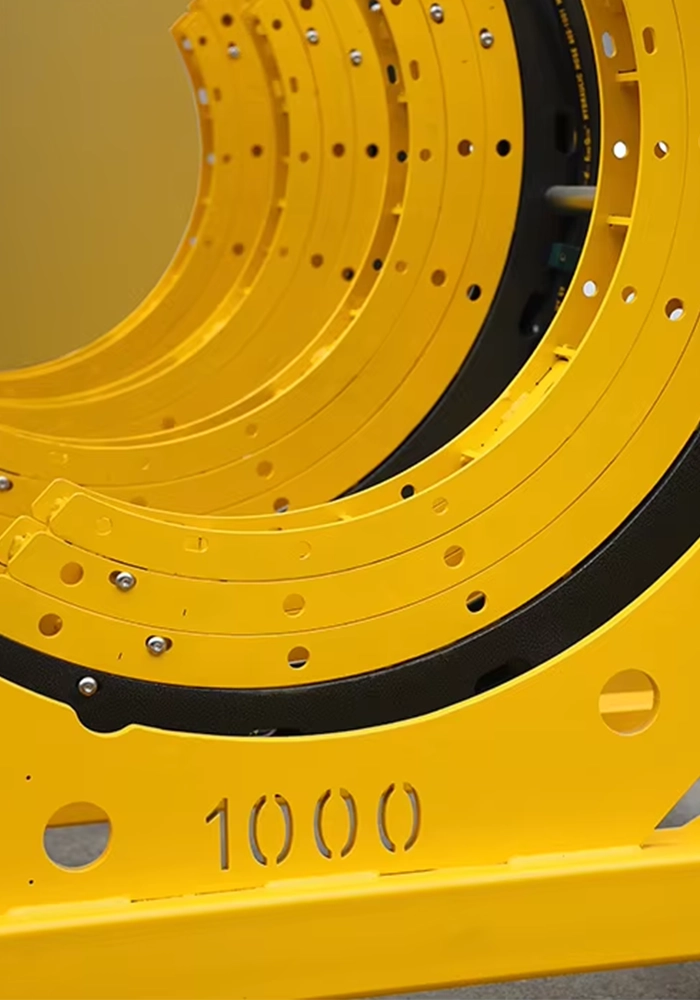
| Hydraulic Large-Diameter Machines | > 800mm up to 2000mm+ | Major trunk lines, irrigation canals, industrial projects | 40,000+ |
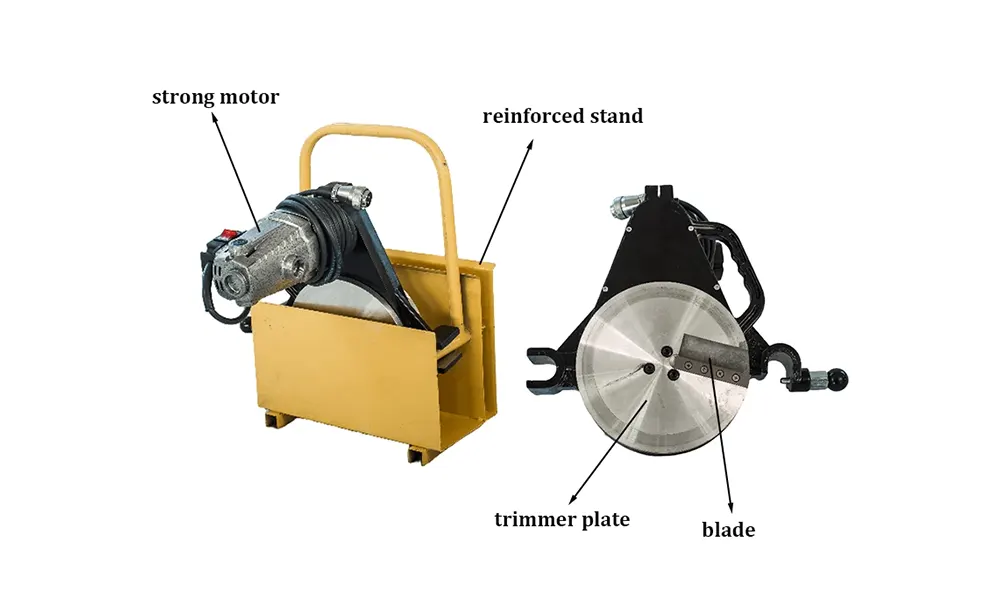
| Preparation & Trimming Tools | All sizes | Ensures face alignment and clean welds | 200 – 4,000 |
| Electrofusion Units | 20mm – 630mm | Service connections, fittings in confined spaces | 500 – 6,000 |
Local logistics considerations for Ugandan buyers
Importing heavy welding equipment into Uganda often involves transit through the Port of Mombasa or Dar es Salaam with inland clearance by Uganda Revenue Authority (URA). Typical considerations:
- Plan for longer lead times (6–12 weeks) including freight and customs clearance.
- Arrange a local freight forwarder experienced with heavy machinery and URA procedures.
- Account for VAT, import duty, and possible standards testing by UNBS.
- Ensure electrical systems and power requirements (single/three-phase) match site supply or include generators.
After-sales support, training and spare parts
For sustained performance in Uganda, prioritize suppliers who provide:
On-site commissioning and operator training, spare parts kits shipped with the machine, remote technical support, and clear maintenance schedules. Local partners or distributors reduce downtime by holding common consumables and replacement heaters.
How to request competitive quotes
When requesting quotes from suppliers, include:
- Project type and expected annual welding volume.
- Pipe materials and diameters to be welded.
- Site conditions (remote, high humidity, temperature extremes).
- Required certifications, warranty length, and spare parts list.
- Preferred delivery port (Mombasa/Dar es Salaam) and expected lead time.
Choosing the right automatic pipe welding machine supplier in Uganda means balancing upfront cost with long-term serviceability, training, and access to spare parts. For manufacturers and exporters with a wide HDPE welding range and global experience, review product lines, documentation, and customer references before committing to large purchases.



