
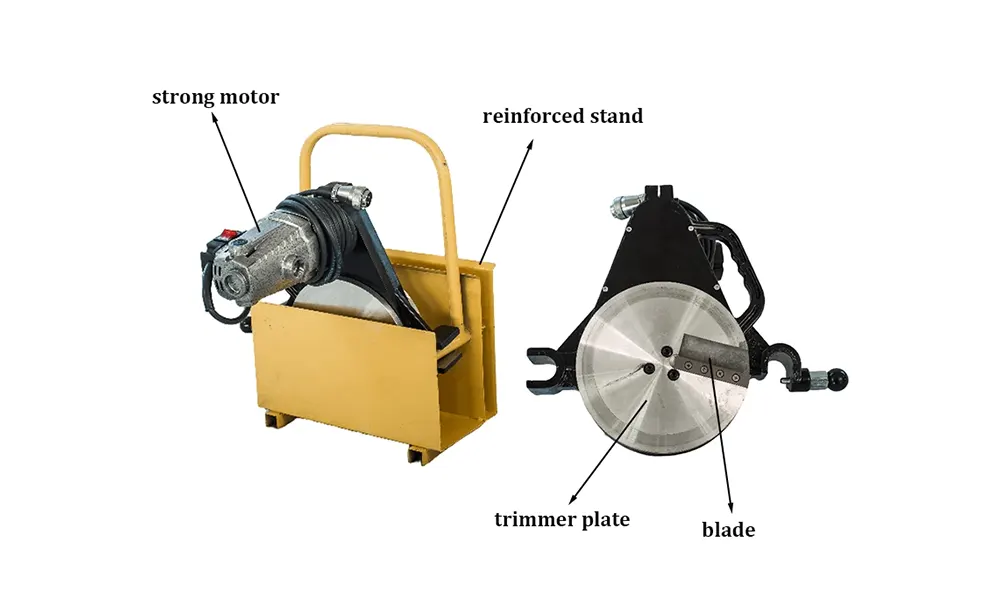
Mastering the automatic pipe welding machine operation guide is essential for ensuring high-integrity joints in HDPE and PE piping systems. Unlike manual methods, CNC automatic butt fusion machines integrate precise digital controls to manage heating temperature, alignment, and hydraulic pressure, minimizing human error. Whether you are working on water supply, gas distribution, or industrial pipelines, following a standardized setup and operational protocol directly impacts the longevity and safety of the infrastructure.
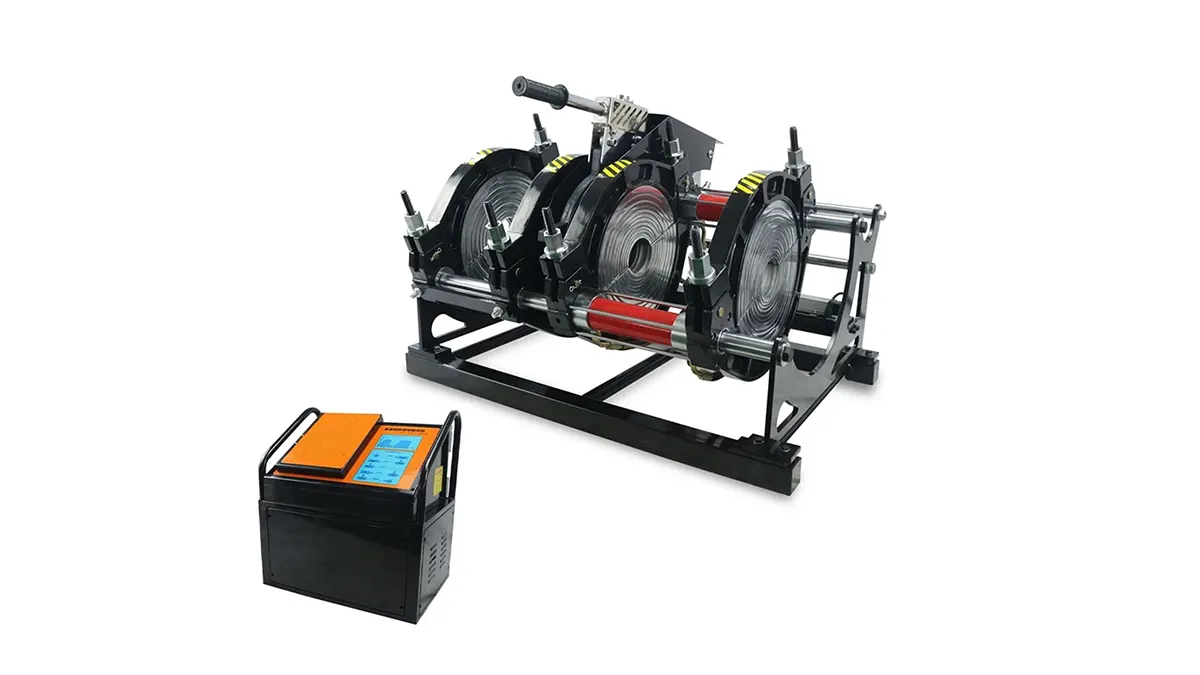
Initial Machine Setup and Calibration
Before initiating any fusion cycle, the workspace and equipment must be prepared meticulously. The setup phase determines the consistency of the butt fusion joint. Begin by positioning the machine on a level, stable surface to prevent frame distortion. Verify that the pipe clamps and inserts match the OD of the pipes being joined. A mismatch can lead to high-low misalignment, severely compromising joint strength according to ISO 21307 butt fusion procedures.
Calibrating the Heating Plate
The heating plate is the heart of the fusion process. Set the plate temperature strictly according to the pipe manufacturer’s specification, typically between 200°C and 230°C (392°F – 446°F). Use a calibrated pyrometer to verify the surface temperature across multiple points on the plate. An overheated plate can oxidize the PE material, while an underheated plate results in a cold joint. Ensure the non-stick coating (PTFE) is clean and free of polymer residue before starting.
Inputting Welding Parameters
Modern automatic machines require you to input the pipe diameter, SDR rating, and material grade. The CNC controller will automatically calculate the required drag pressure, fusion pressure, and heating/cooling times. Always cross-reference these computer-generated parameters with the PPI technical guidance or local codes. Do not bypass the automatic calculation feature unless an override is structurally necessary and verified by a welding inspector.
Step-by-Step Operation Process
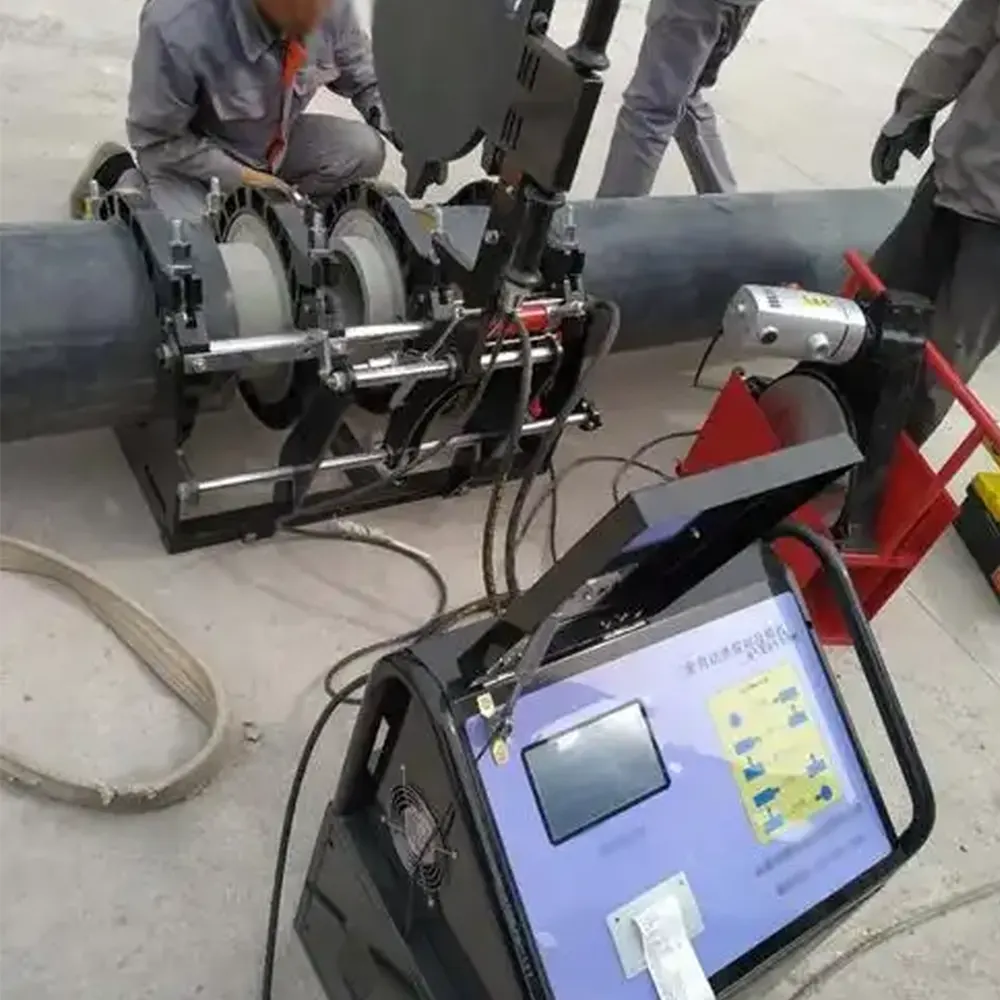
Operating an automatic machine requires attention to sequence. The machine data logger records every phase, so any deviation may void warranties or cause joint rejection. The process is broken down into distinct stages: facing, heating, fusion, and cooling. Never shortcut the cooling time under hydraulic pressure, as this is when the joint crystallizes and gains mechanical strength.
| Stage | Key Action | Critical Control |
|---|---|---|
| 1. Facing | Trim the pipe ends to ensure parallel, clean surfaces. | Continuous shaving from both ends with no gaps. |
| 2. Heating | Apply the heated plate against the pipe ends under specified pressure. | Monitor bead formation. Initial bead must be uniform. |
| 3. Changeover | Remove the heating plate rapidly. | Time must be below the maximum allowed limit. |
| 4. Fusion/Cooling | Press the molten ends together and hold under pressure. | Zero movement during solidification. |
During the heating stage, prepare for the “changeover” phase. The machine must remove the plate and bring the pipe ends together quickly to prevent cooling of the melt. As a leading manufacturer, JQ-Fusion engineers recommend dry-running the changeover if operators are unfamiliar with the specific butt fusion welding equipment to verify the mechanical response time.
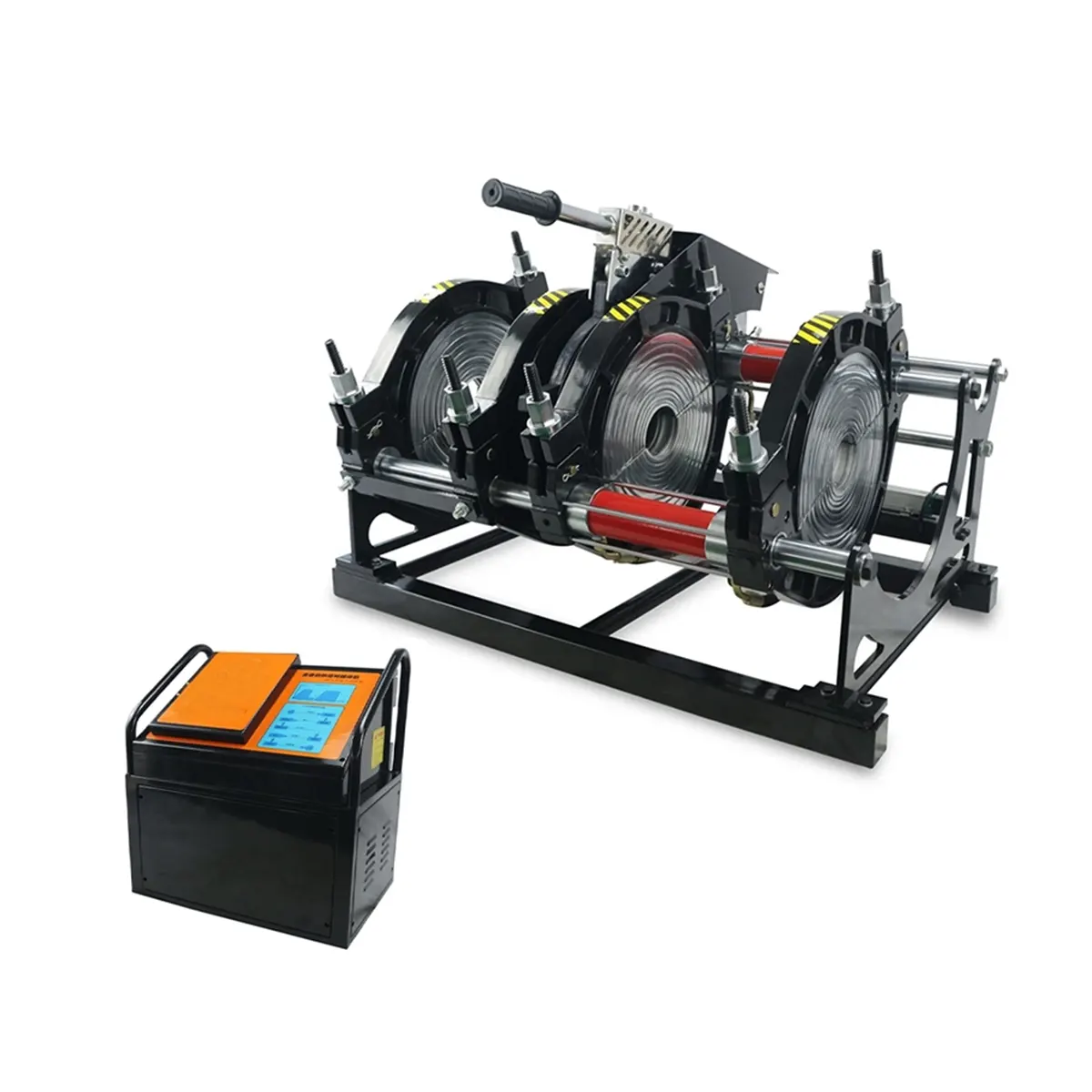
Essential Safety Tips for Operation
Safety in pipe fusion involves high temperatures, heavy machinery, and high hydraulic forces. Personal protective equipment (PPE) is non-negotiable. All personnel in the welding zone must wear thermal-resistant gloves, safety glasses, and steel-toe boots. Loose clothing or dangling accessories should be secured to prevent entanglement with the carriage movement.
Managing Environmental Conditions
Do not operate the machine in environments outside its design limits without proper shielding. Wind can drastically reduce the heating plate surface temperature, while rain or snow can contaminate the melt interface. Utilize a welding tent if environmental conditions are unfavorable. According to ASTM F2620 heat fusion standards, the jointing area must be protected from adverse weather to ensure consistent heating and cooling.
Hydraulic and Electrical Safety
Before servicing the machine or replacing inserts, always de-energize the hydraulic pump and disconnect the power supply. Hydraulic hoses should be inspected daily for cuts, abrasions, or leaks. A burst hose under pressure can cause serious injection injuries. Keep the hydraulic butt fusion welding machine control panel and electrical cables away from water puddles to prevent short circuits or electric shock.
Maintenance and Data Logging
A robust operation guide includes post-weld maintenance checks. After every fusion cycle, clean the heater plate faces with a non-abrasive cloth to remove dust or polymer fumes. Do not use metallic scrapers that damage the PTFE layer. Inspect the clamps and inserts for wear; deformed inserts must typically be replaced after 100-200 joints on large diameters.
The data logger is your quality assurance tool. Download and review the jointing report immediately. Look for deviations in hold pressure or temperature drops. This documentation is critical for proving compliance with PE pipe fusion standards and local gas or water regulations. Store the data for the lifecycle of the pipeline asset.
- Daily Check: Verify heating plate temperature accuracy and non-stick surface condition.
- Weekly Check: Calibrate the hydraulic pressure transducer and limit switches.
- Monthly Check: Inspect electrical connectors for corrosion and tighten all frame bolts.
- Annual Service: Replace hydraulic oil, O-rings, and perform a full dimensional alignment check.
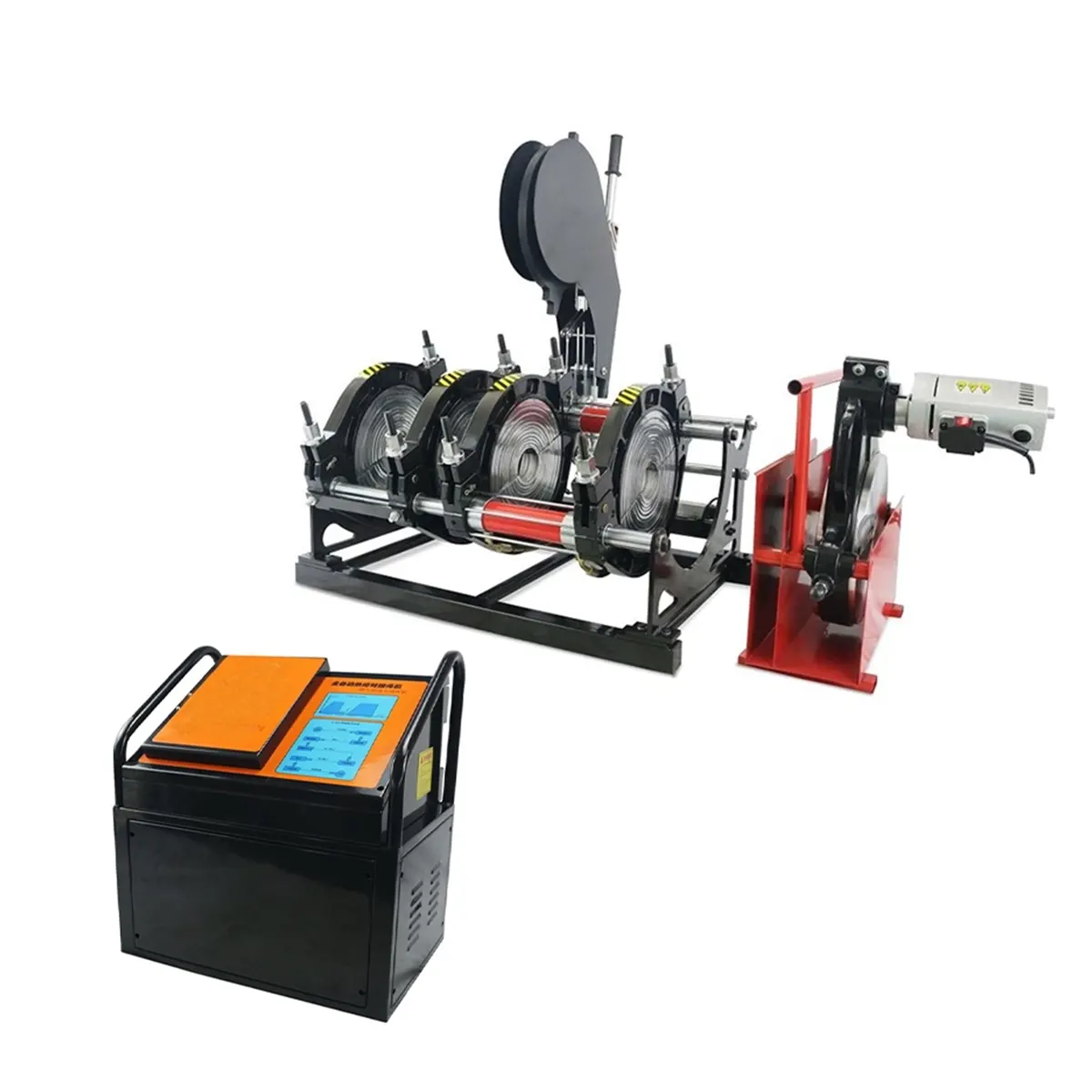
By adhering strictly to this automatic pipe welding machine operation guide, contractors ensure the structural integrity of critical infrastructure lines. Proper setup, disciplined sequencing, and rigorous safety protocols differentiate a permanent, leak-free network from a future failure point.



