
Automatic pipe welding machines are a critical investment for Portugal’s growing HDPE pipeline projects — from municipal water networks in Lisbon and Porto to irrigation systems in the Alentejo and gas installations across the country. Choosing the right supplier means balancing productivity, compliance with EU/Portuguese standards, and long-term service reliability.
Understand Portugal’s market and local requirements
Portuguese infrastructure projects often demand machines that can handle coastal conditions, frequent site moves, and compliance with EU/EN standards. Contractors and utilities in Portugal prioritize equipment that delivers consistent weld quality for potable water, gas distribution, and agricultural irrigation systems. Consider logistics too — compact or modular machines reduce transport costs when moving between narrow urban streets and rural sites.
Key criteria to evaluate a supplier
Performance and capacity: Verify the pipe diameter range, cycle time, and whether the machine supports full automatic welding sequences (alignment, heating, cooling).
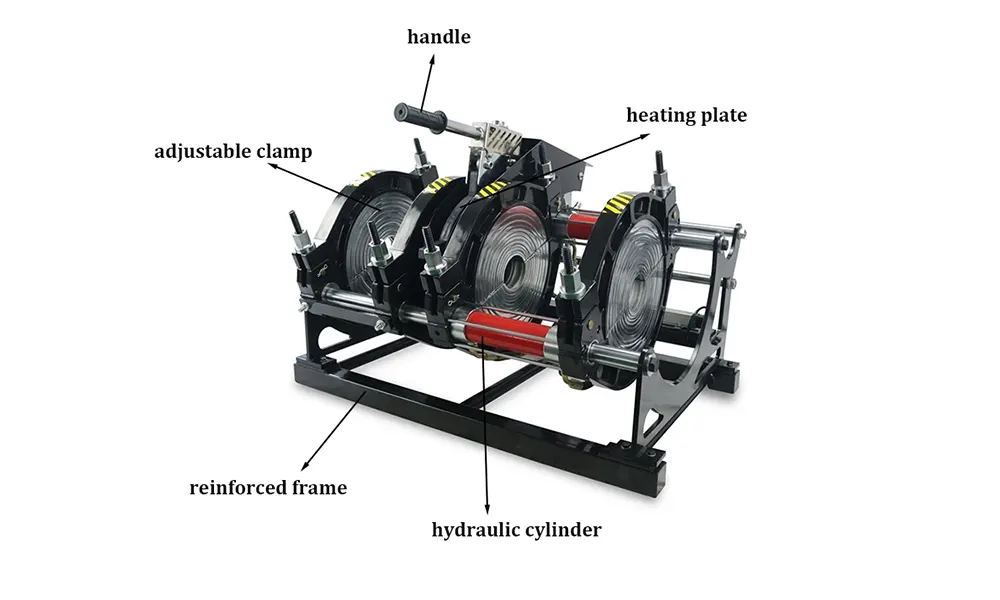
Build quality and materials: Look for robust frames, corrosion-resistant components, and quality heating plates that hold temperature accurately under Portuguese climate variations.
Certifications & testing: Suppliers should provide test records, calibration certificates, and compliance statements (ISO/EN standards). Proof of third-party testing increases confidence.
After-sales support: Fast spare parts delivery, local technical training, and remote support options are essential to minimize downtime on tight project schedules.
Quick comparison: Manual vs Hydraulic vs Automatic
| Type | Best for | Typical pipe sizes | Productivity | Investment |
|---|---|---|---|---|
| Manual butt fusion | Small crews, low-volume repairs | 20–315 mm | Low | Low |
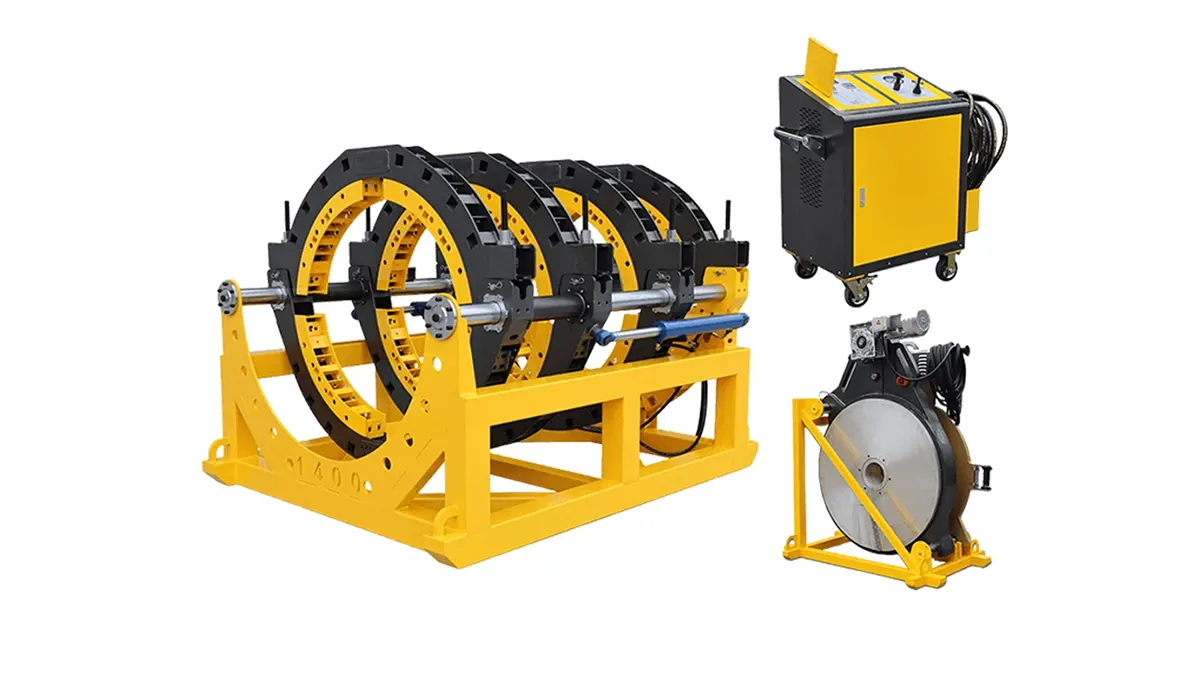
| Hydraulic machines | Medium to large diameter pipelines | 90–1400+ mm | Medium | Medium |
| CNC / Automatic | High-volume, repeatable precision | 63–1250+ mm | High | High |
Service, training and spare parts — vital for Portuguese projects
Ask prospective suppliers about technician training (on-site and remote), spare parts lead times to Portugal, and availability of consumables such as heating plates and clamps. A clear warranty and a local service plan will reduce project risk, especially for long pipeline construction seasons in remote regions.
Delivery, customization and total cost of ownership
Focus on total value rather than just purchase price. Evaluate delivery lead time to Portuguese ports, customization options (special frames, multi-angle fittings), and expected maintenance costs. Automatic machines often lower labor costs and rework, producing better ROI on large projects across Portugal.
Shortlist checklist — 5 quick checks
1) Confirm pipe size range and cycle times match your project scope.
2) Request sample weld records, calibration certificates, and references from EU projects.
3) Verify availability of on-site training and emergency spare parts delivery.
4) Ask about modular transport options for Portuguese site access limitations.
5) Compare warranty coverage and typical lifetime maintenance costs.
Ready to choose?
For tailored HDPE welding solutions and guidance on specifications for Portugal, contact JQ-Fusion (https://jq-fusionwelding.com/) to discuss automatic, hydraulic, or manual options and local support arrangements.



