
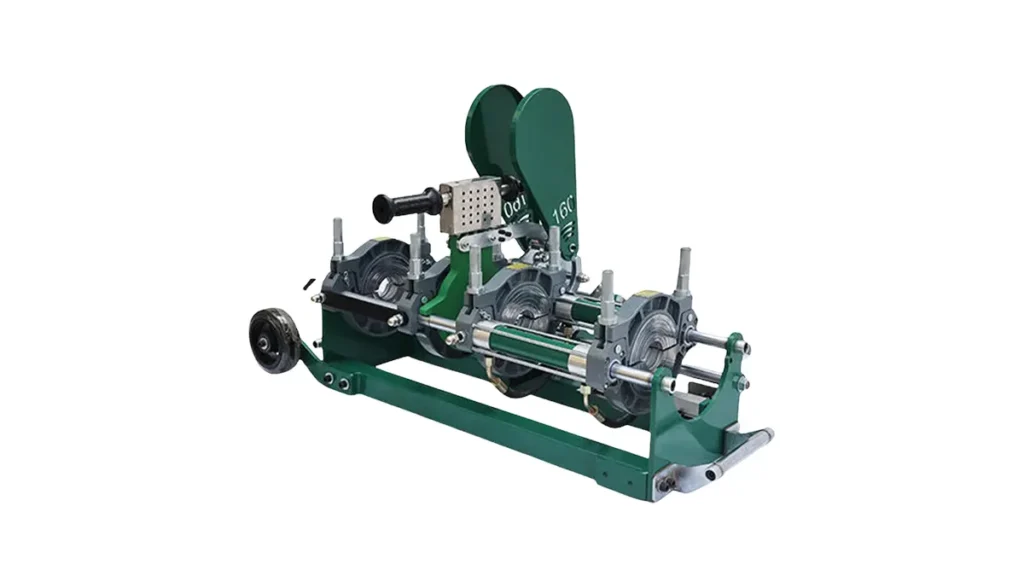
Switzerland’s infrastructure projects demand precision, reliability, and machines that perform consistently in alpine climates. Automatic pipe welding machines for HDPE and PE pipes are increasingly used across Swiss water supply networks, district heating, gas distribution, and industrial pipeline works. This guide explains the best solutions, must-have features, and practical buying tips for buyers in Switzerland, helping contractors and procurement teams choose equipment that meets local standards and field conditions.
Why Automatic Pipe Welding Machines Are Ideal for Switzerland
Automatic butt fusion systems reduce human error, increase throughput on long trench runs, and ensure uniform weld quality — critical for Swiss projects where durability and safety are top priorities. The combination of automated control, repeatable heating cycles, and digital records supports compliance with Swiss and European standards, and simplifies acceptance testing for municipal and private clients.
Typical Swiss applications include mountain village water mains, urban district heating loops, and high-pressure gas distribution. In these contexts, machines that offer portability, cold-weather reliability, and easy documentation are preferred by engineers and contractors across German-, French- and Italian-speaking regions.
Core Features to Look For
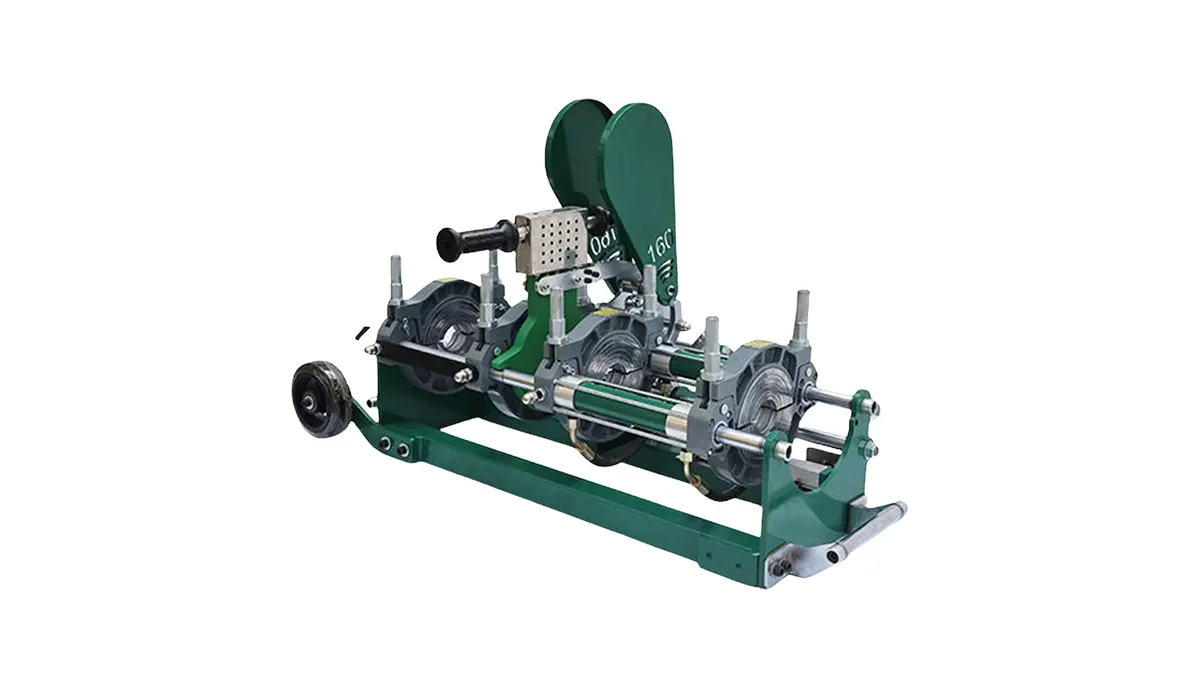
• Automated CNC control: ensures precise fusion parameters and repeatable cycles with minimal operator intervention.
• Integrated data logging: weld reports (time, temperature, pressure) saved for quality assurance and client sign-off.
• Hydraulic stability: consistent clamping and controlled heating pressure are essential in uneven trench conditions common in mountainous areas.
• Robust chassis and portability: lightweight frames or modular systems make transport across narrow alpine roads and construction sites easier.
• Wide diameter coverage: from small distribution lines to large trunk mains, choose machines that match planned pipe diameters.
Advanced Capabilities That Pay Off
• Bluetooth or USB export of weld logs for integration with project QA systems.
• Touchscreen interfaces with multilingual menus for Swiss crews (DE/FR/IT/EN).
• Automatic alignment and adaptation for irregular pipe ends or field-worn surfaces.
Quick Model Comparison
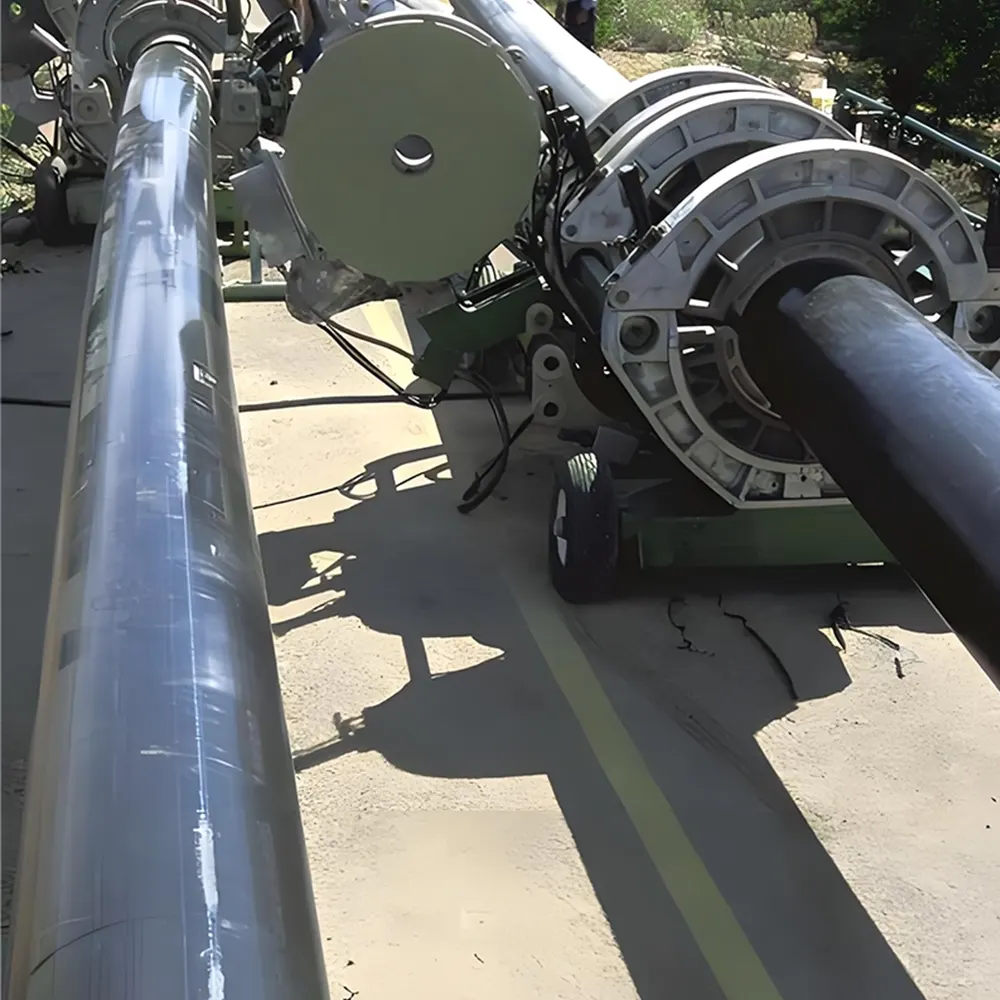
| Model | Pipe Range (mm) | Automation | Best For |
|---|---|---|---|
| JQA160 | 20–160 | Automatic CNC | Small urban and service connections |
| JQA315 | 63–315 | Automatic | Municipal water and heating mains |
| Large-diameter Models | 400–2000+ | CNC/Full Automation | Regional trunk mains and industrial pipelines |
Buying Guide: Steps Swiss Buyers Should Follow
1. Define project scope and pipe materials
Confirm pipe material (PE100, PE80, HDPE), maximum pressure rating, and diameter range. Projects in cold valleys or high altitudes may require specific PE grades and fusion parameters.
2. Match machine capability to workflow
For long linear installs choose higher automation for speed and consistent welds. For repair and service works, compact automatic or semi-automatic units balance mobility with performance.
3. Verify standards and documentation
Ask for weld report formats, calibration certificates, and compliance with applicable norms. In Switzerland, thorough documentation helps when interfacing with municipal approvals and insurers.
4. Evaluate after-sales, training and spare parts
Ensure the supplier offers on-site training in local languages, fast spare-part supply, and repair support. Consider suppliers with European service partners for faster response times across Swiss cantons.
5. Consider logistics and import details
Switzerland is not in the EU, so check customs, VAT handling, and transport to remote sites. Machines should be robustly packaged and easy to move with local transport options.
Site and Climate Considerations for Swiss Projects
Cold weather affects heating plate performance and fusion cooling times. Choose machines with reliable thermostatic control and plan for sheltered welding areas when working in winter. Portability and modular design help on steep slopes, alpine roads, or tight village streets where access is limited.
Budgeting and ROI
Automatic machines cost more upfront but reduce labor hours and rework. Evaluate total cost of ownership: machine uptime, training, consumables, and the value of consistent weld documentation for long-term infrastructure warranties.
Final Buying Checklist
• Does the machine cover your diameter range and PE types?
• Are weld logs exportable and traceable?
• Is hydraulic/clamping stability adequate for field conditions?
• Does the supplier provide local-language training and timely spare parts?
Partnering with a Supplier
For procurement and tailored solutions, consider manufacturers with proven butt fusion product lines and global project experience. JQ-Fusion offers a range of automatic, hydraulic, and manual butt fusion machines suitable for Swiss infrastructure projects, with options for custom configurations and documented weld records.
How to Request a Quote
Prepare key project data: pipe material, diameter range, expected daily weld count, site conditions, and language preferences for manuals/training. Ask suppliers for sample weld reports, maintenance schedules, and lead times to Swiss delivery points.



