
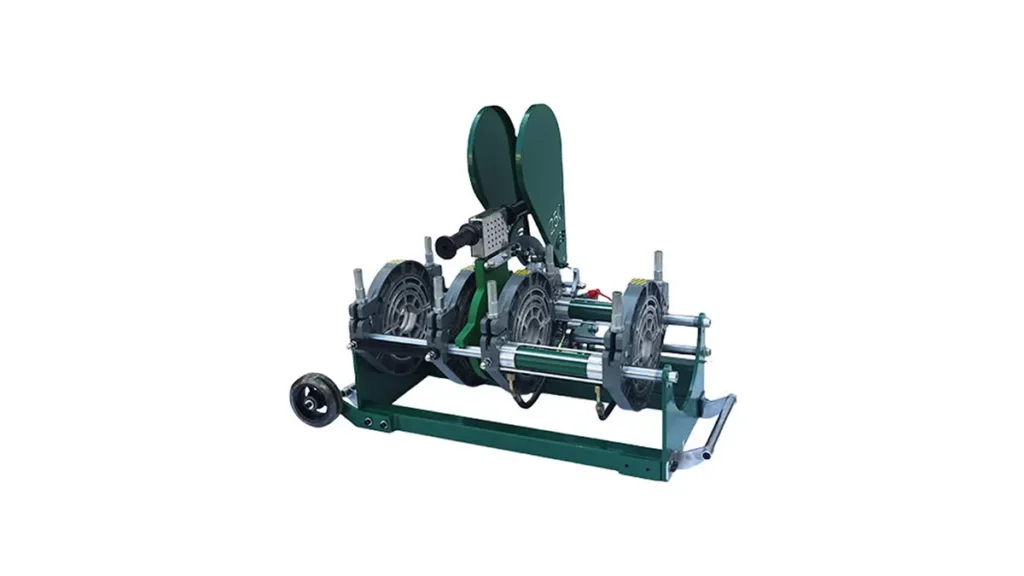
Somalia’s infrastructure and construction sectors are growing quickly, driven by urban development, water-supply projects, and regional reconstruction. Affordable, reliable pipe welding equipment is essential for delivering long-lasting HDPE pipeline networks that withstand challenging environments. This guide explores automatic pipe welding machines ideal for industrial and construction projects in Somalia, helping contractors and project managers choose cost-effective solutions.
Why Automatic Pipe Welding Machines Matter in Somalia
Automatic butt fusion machines speed up weld cycles, reduce human error, and ensure consistent joint quality—even in remote job sites around Mogadishu, Hargeisa, and coastal towns. For organizations working on water distribution, irrigation, and fuel transfer lines, these machines lower long-term maintenance costs and improve system integrity under harsh climates.
Primary Benefits for Local Projects
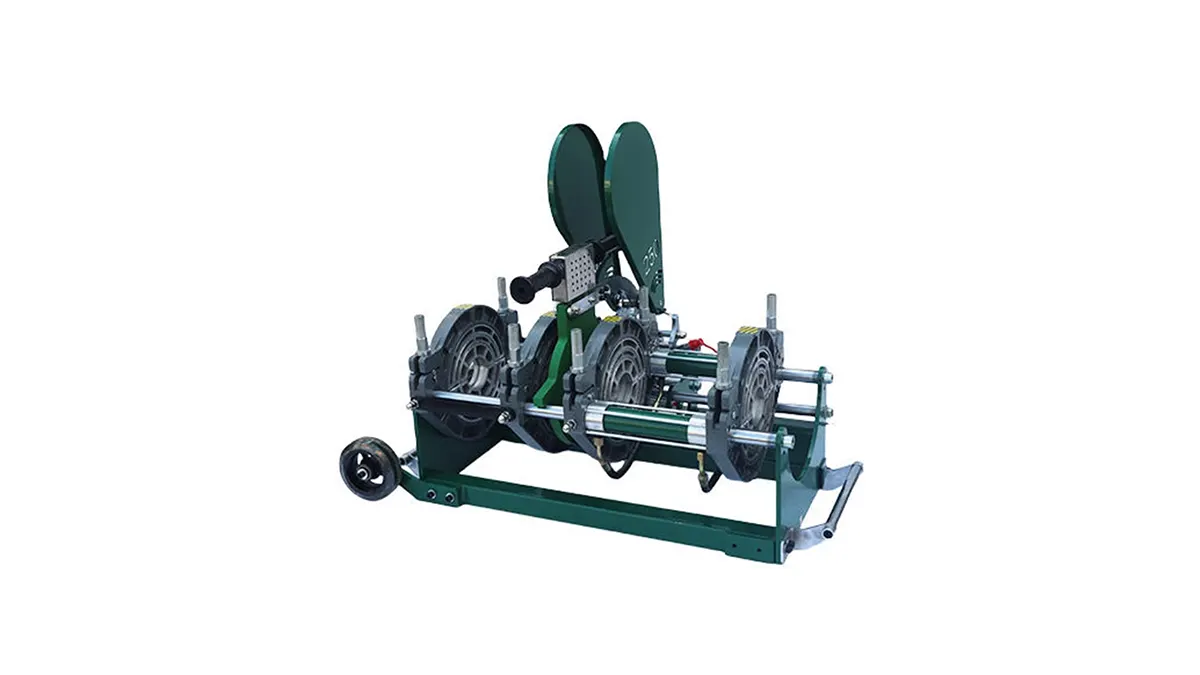
Faster installation: Automatic machines cut fusion time and increase daily welded joints. Consistent strength: Automated control of heating and pressure yields uniform, leak-free connections. Lower labor dependency: Skilled operators remain valuable, but automation reduces the reliance on long crews and limits rework. Portability and robustness: Many models are built for on-site use and can handle dusty, coastal, and desert conditions.
Models to Consider — Quick Comparison
| Model | Pipe Range (mm) | Automation | Typical Use | Budget Estimate (USD) |
|---|---|---|---|---|
| JQA160 / JQA200 | 63 – 200 | Semi-automatic | Urban water & small networks | 3,000 – 6,000 |
| JQA315 / JQA400 | 250 – 400 | Automatic | Main distribution lines & irrigation | 8,000 – 18,000 |
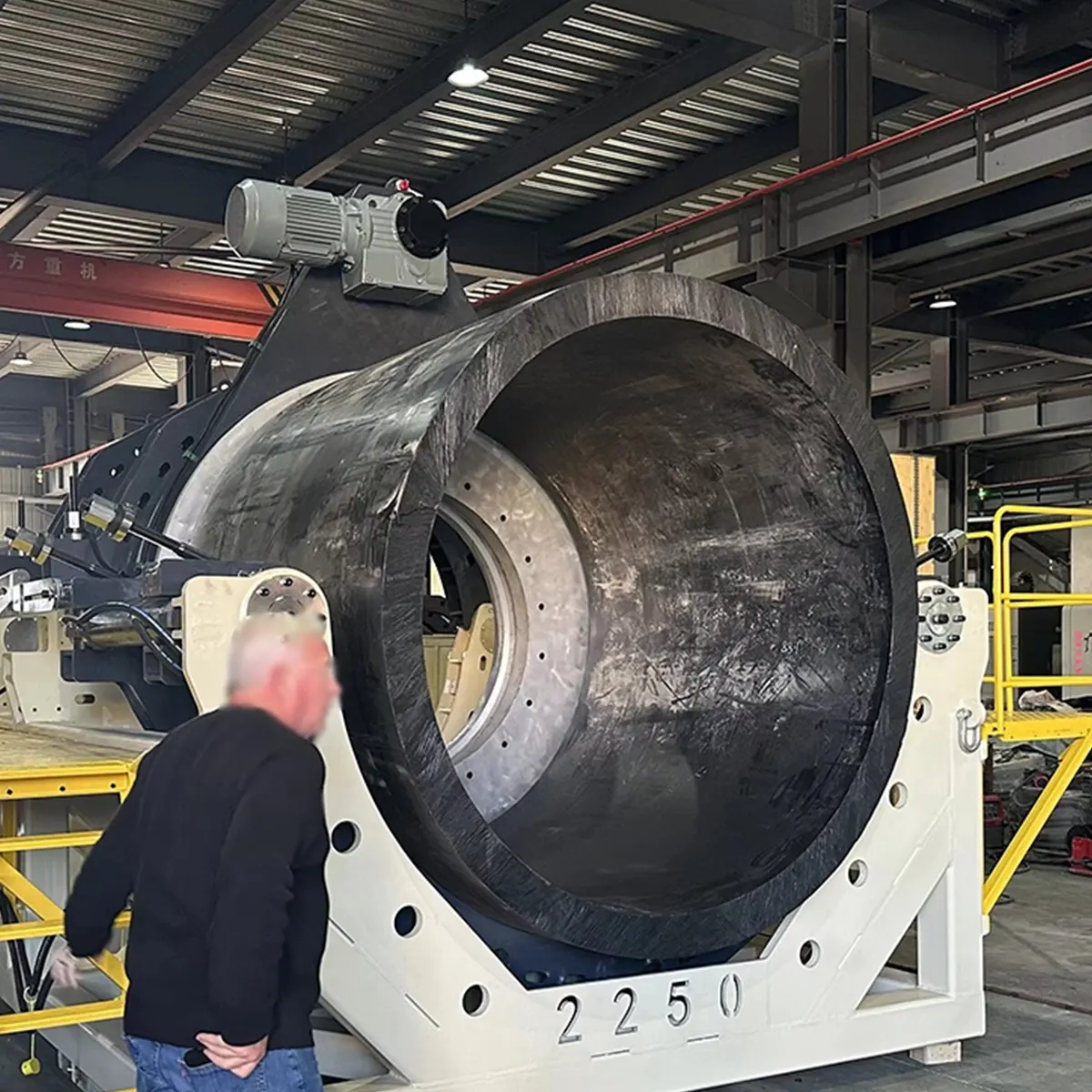
| Large-Diameter Hydraulic Series | 400 – 1600+ | Fully automatic / CNC options | Industrial pipelines, trunk mains | 25,000+ |
How to Choose the Right Machine for Somali Conditions
Assess project scale: Small community water schemes typically need compact automatic or semi-automatic units, while highway or industrial pipelines require heavy-duty hydraulic or CNC machines. Consider power availability: models with flexible power inputs and battery-assisted controls are useful in areas with unstable grids. Portability matters for remote sites—choose lighter frames or modular designs for ease of transport by 4×4 or small trucks.
Installation, Training and Maintenance
Local capacity building is critical. Invest in training operators in fusion procedures, safety, and basic troubleshooting to maximize machine uptime. Routine maintenance—cleaning heaters, checking hydraulic fluids, and calibrating clamps—prevents costly downtime. For projects funded by donors or government programs, documenting weld records and following recognized fusion parameters ensures compliance and long-term project success.
Cost-saving Tips for Procurement
Buy the right level of automation for your needs; fully automatic CNC units are excellent for large, repetitive jobs but may not be cost-effective for small community projects. Consider refurbished or entry-level automatic models from reputable vendors, and factor in spare parts and after-sales support when comparing quotes.
JQ-Fusion: a reliable manufacturer of HDPE butt fusion machines, offers a range of manual, hydraulic, and automatic solutions suitable for Somali projects. Visit https://jq-fusionwelding.com/ for specifications and to request tailored quotes.
Next steps: evaluate your project pipe diameters, expected daily weld output, and site logistics. With the right automatic pipe welding machine, Somali infrastructure projects can achieve faster, safer, and more economical pipeline installations.



