
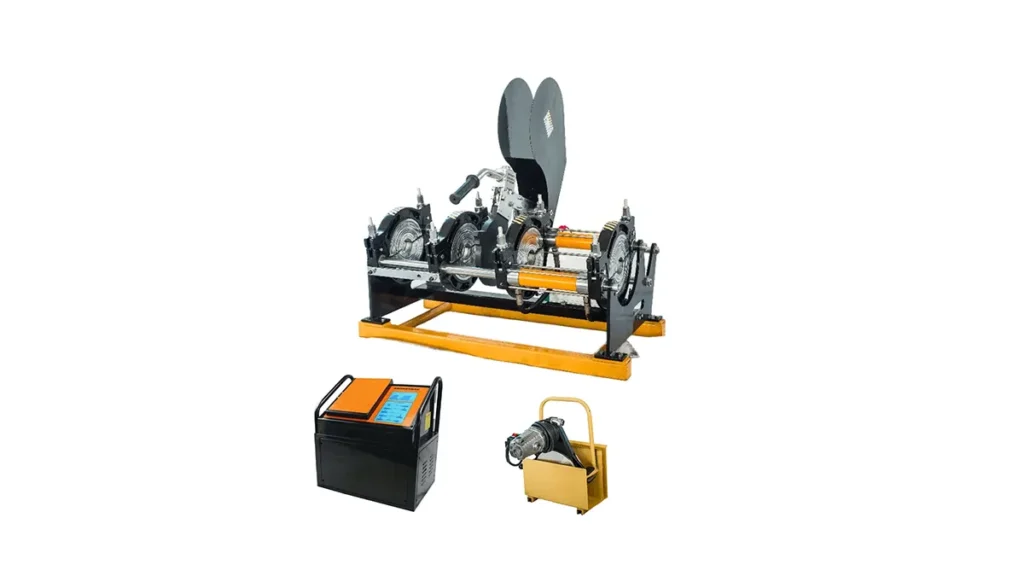
The Netherlands is investing heavily in resilient infrastructure — from drinking water networks to district heating and renewables — and automatic pipe welding machines are central to fast, reliable HDPE pipeline construction. This guide covers the best solutions for industrial pipe welding in the Netherlands, key benefits of automation, local application scenarios, and how to choose the right equipment for Dutch contractors and municipalities.
Why Automatic Pipe Welding Machines Matter in the Netherlands
The Netherlands’ dense infrastructure and strict quality standards require consistent, leak-free joints. Automatic butt fusion welding machines reduce human error, speed up on-site production, and deliver repeatable weld quality — ideal for municipal water works, gas distribution updates, and large agricultural irrigation projects common across Dutch provinces.
For trenchless installations and urban repairs where minimizing disruption is essential, automation ensures fewer reworks and a faster return to service. Contractors in the Netherlands also appreciate machines with robust documentation and digital records to satisfy local compliance and client reporting needs.
Key Features to Look For
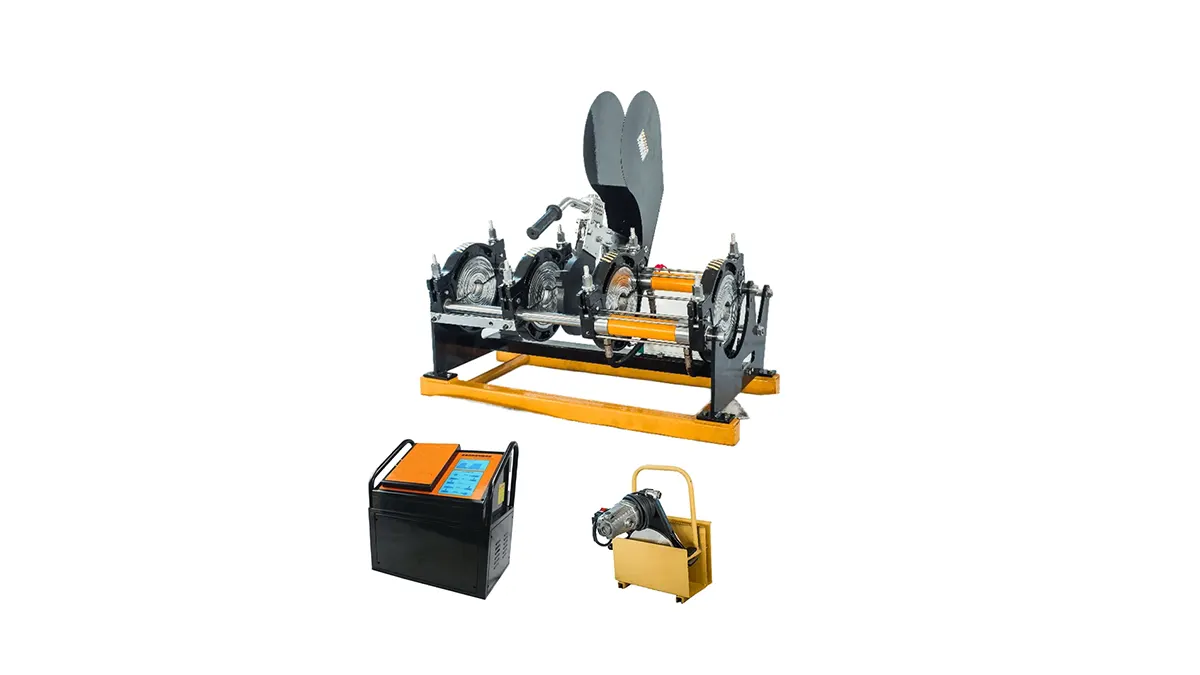
When selecting an automatic pipe welding machine, Dutch contractors typically prioritize: precision control (temperature, alignment, and pressure), integrated logging for quality assurance, compact footprint for urban sites, and compatibility with a wide range of HDPE diameters used in European standards. Machines that support both manual and automated modes provide flexibility for mixed-skill crews.
Local Considerations for Netherlands Projects
The Netherlands has many low-lying areas and reclaimed land where soil movement matters. Weld integrity and flexibility are crucial. Choose equipment that meets EN/ISO norms for butt fusion and offers traceable weld records for long-term asset management by water companies and municipalities.
Applications Across Dutch Industries
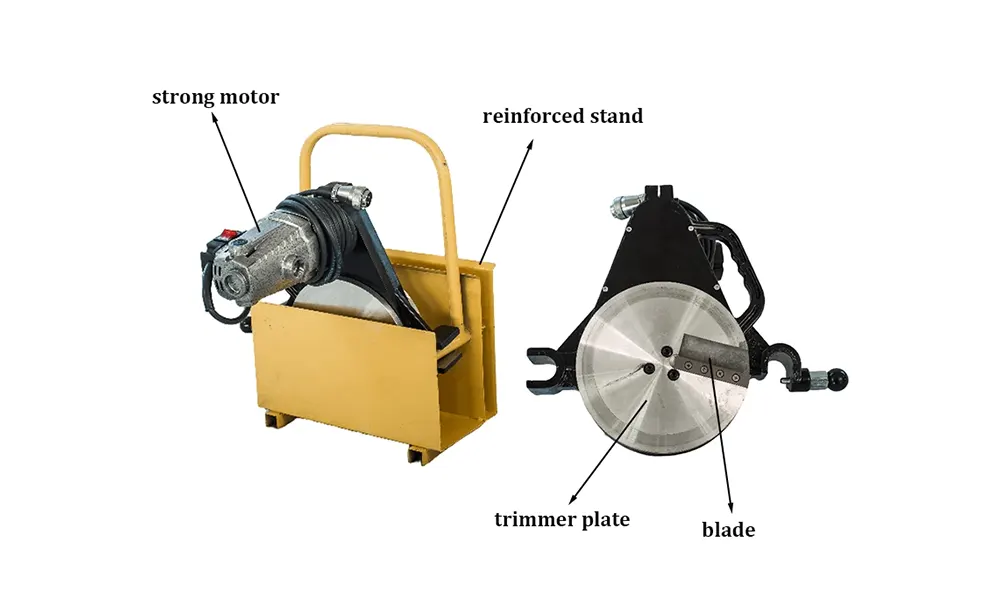
Automatic pipe welding machines are widely used in:
• Drinking water distribution and treatment plants
• Gas grid maintenance and low-pressure networks
• District heating and geothermal piping systems
• Agricultural irrigation and greenhouse water systems in horticulture regions
• Industrial piping for ports and maritime facilities
Benefits: Speed, Safety, and Documentation
Automation delivers higher throughput with consistent joint strength, which reduces site labor hours and improves safety by minimizing manual handling. Digital controls and printouts simplify compliance with Dutch project auditing requirements and asset owners who demand documented inspection trails.
Quick Comparison: Popular Automatic Models
Below is a concise comparison to help specify the right machine for your project size and pipeline diameters.
| Model | Pipe Range (mm) | Automation | Best Use |
|---|---|---|---|
| JQA160 / JQA200 | 20 – 200 | Semi / Automatic | Urban repairs, small mains |
| JQA315 / JQA400 | 250 – 400 | Full Automatic | Medium-diameter distribution |
| JQA500 / JQA630 | 450 – 630 | Full Automatic | Large trunk mains, utilities |
Service, Training, and Local Support
Training local weld crews in standardized procedures and maintenance routines ensures machines perform reliably on Dutch projects. Look for suppliers who provide on-site commissioning, spare part availability, and remote support to minimize downtime across the seasonal pace of infrastructure works.
Next Steps for Procurement
For tailored recommendations and machine availability, consider contacting manufacturers with a strong track record in HDPE butt fusion equipment. JQ-Fusion offers a range of automatic and hydraulic butt fusion machines suitable for the varied pipeline projects across the Netherlands. Visit their website for model details and support options.
Final Tip
Choose automation where repeatability, documentation, and speed are priorities — especially for municipal and industrial projects in the Netherlands where long-term durability and regulatory traceability are essential.



