
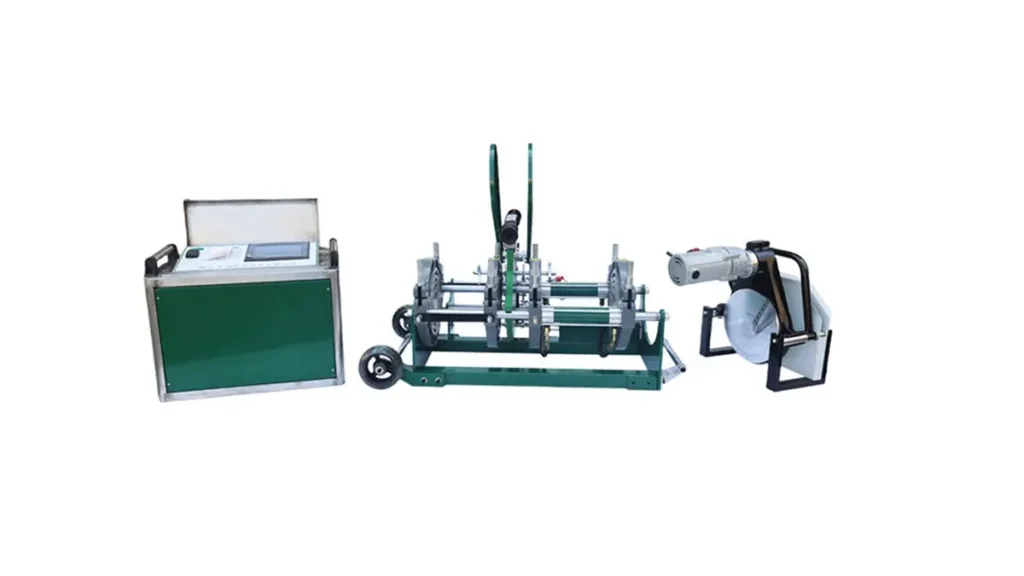
Automatic pipe welding machines are transforming how contractors and utilities in Egypt build and maintain HDPE networks. From large-scale water transmission lines feeding Cairo and Alexandria to irrigation systems across the Nile Delta and gas distribution projects in the Sinai, automated butt fusion welding delivers faster, more reliable joints with consistent quality — essential for long-term infrastructure in hot, sandy climates.
Why Automatic Pipe Welding Machines Matter in Egypt
Automatic machines reduce human error and increase throughput on projects where timelines are tight and site conditions are challenging. In Egypt, where high daytime temperatures and airborne dust can affect field work, automatic butt fusion systems keep heating profiles and pressure consistent, producing durable, leak-free welds for potable water, sewer, desalination intake lines, and gas pipelines.
Key Features to Look For
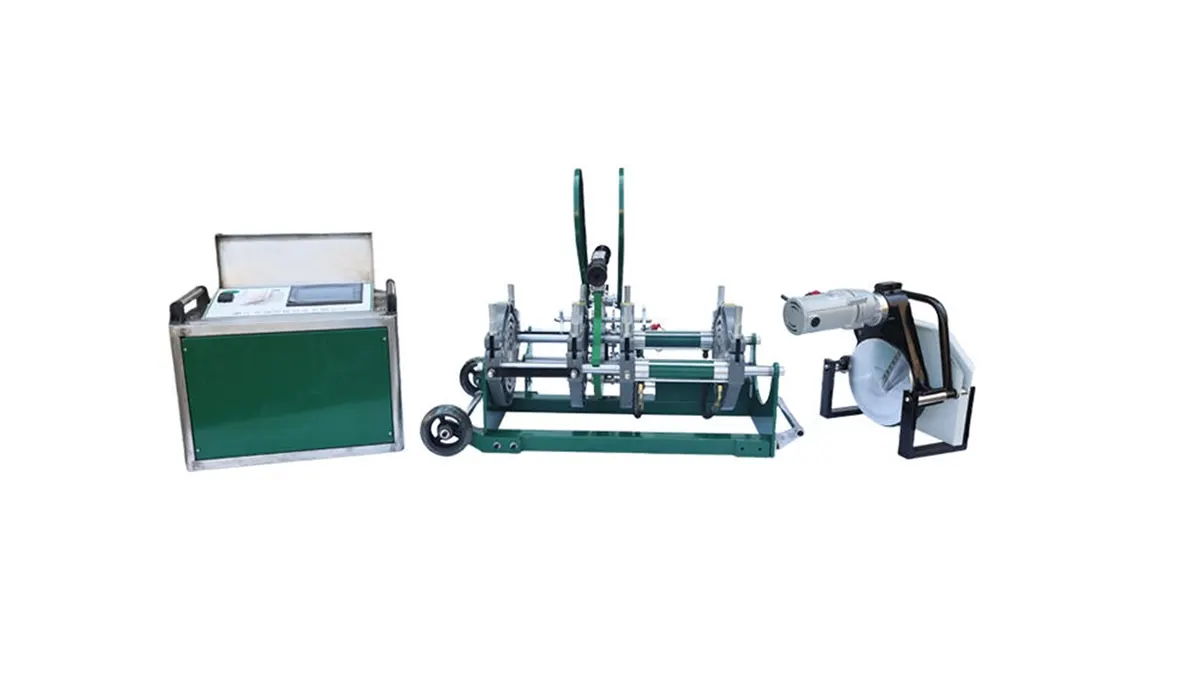
• Precise temperature control and programmable cycles for repeatable joints.
• Hydraulic clamping and alignment systems to handle long pipe runs and heavy diameters.
• Portable control station or CNC interface for on-site adjustments and to log welding parameters for quality assurance.
• Dust- and heat-tolerant components and protective housings suited to desert or coastal environments.
Common Applications in Egyptian Projects
Automatic butt fusion is widely used across Egypt in municipal water transmission, irrigation canals, desalination plant piping, gas distribution networks, mining slurry lines, and industrial process piping. Contractors working near coastal ports and urban centers benefit from faster installation and reduced risk of rework, which saves time and import/shipping costs.
Choosing the Right Model — Quick Comparison
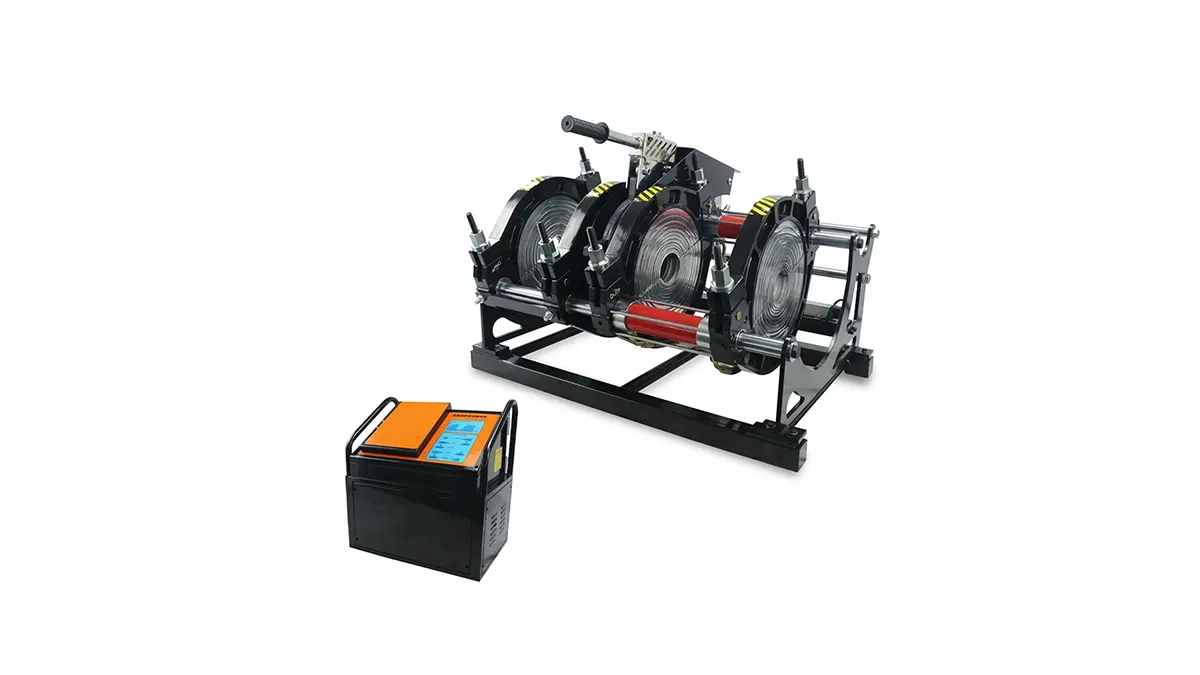
Below is a compact comparison of representative automatic butt fusion machines to help Egyptian buyers match machine capability to project needs.
| Model | Pipe Ø Range | Automation | Best For (Egypt) | Notes |
|---|---|---|---|---|
| JQA160 | 20–160 mm | Semi-automatic | Urban service lines, irrigation | Lightweight, portable |
| JQA250 | 63–250 mm | Automatic | Municipal water mains, medium industrial lines | Ideal balance of mobility and output |
| JQA630 | 250–630 mm | Fully automatic CNC | Large transmission lines, desalination & industrial | High throughput, on-site data logging |
Quality, traceable weld records, and local logistics are critical. For manufacturers and suppliers focused on HDPE butt fusion equipment, confirm spare part availability at Egyptian ports (Alexandria, Damietta) and plan for on-site training. JQ-Fusion offers a range of automatic and hydraulic solutions that cover small service lines to large-diameter transmission welding.
Installation & Maintenance Tips for Egyptian Conditions
Keep electronics and control panels shaded to avoid overheating, use dust covers when idle, and implement routine calibration checks after extended exposure to heat. Stock critical consumables (heating plates, scraper blades, seals) locally to avoid delays during peak construction seasons.
Buying Guidance & After-Sales Support
When selecting a supplier, evaluate warranty terms, on-site commissioning, remote diagnostics capability, and training packages for Egyptian operators. Shipping arrangements via Mediterranean ports and clear spare-parts pathways will reduce downtime on long-term projects. For specification sheets, certifications, and project references, request documented welding logs and sample reports before purchase.
Investing in the right automatic pipe welding machine accelerates delivery, improves joint performance, and reduces lifecycle costs for Egypt’s vital infrastructure projects. For detailed technical selection help and machine options, please visit the manufacturer website linked in project documentation.



