
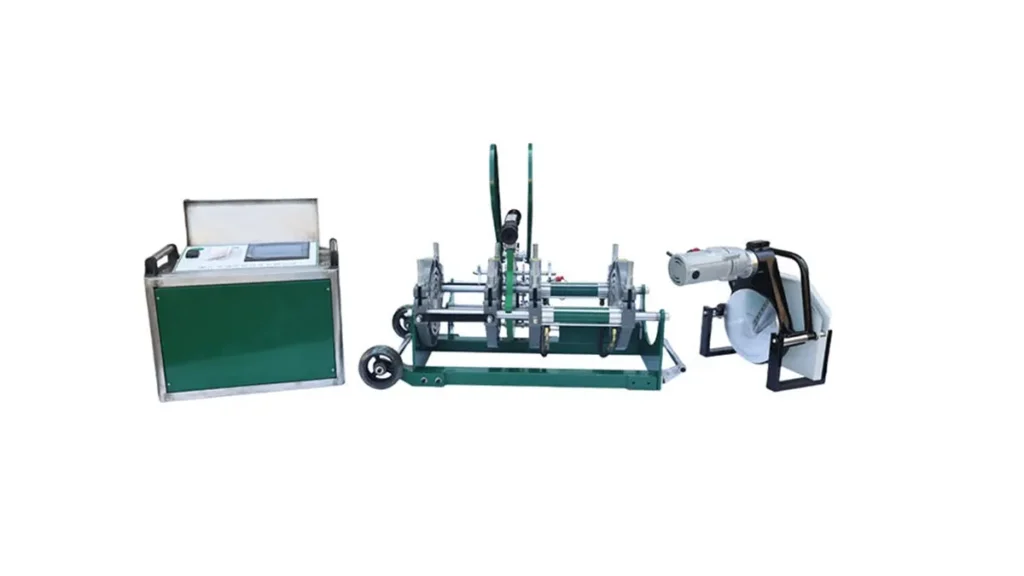
Automatic pipe welding machines are transforming pipeline construction across Brunei’s growing infrastructure and energy sectors. From water distribution upgrades in Bandar Seri Begawan to remote oil-and-gas tie-ins on the coast, automated HDPE welding delivers consistent joints, faster cycle times, and improved on-site quality control compared with manual methods.
Why automatic welding matters for Brunei projects
Brunei’s pipelines must withstand tropical humidity, coastal saline conditions, and sometimes challenging remote logistics. Automatic butt fusion machines reduce human variability, produce repeatable weld profiles, and minimize rework in hot, humid field conditions. For municipal water networks, landfill leachate systems, and gas distribution lines, reliability and speed are essential to meet tight project schedules and strict regulatory inspections.
Core benefits for local contractors and owners
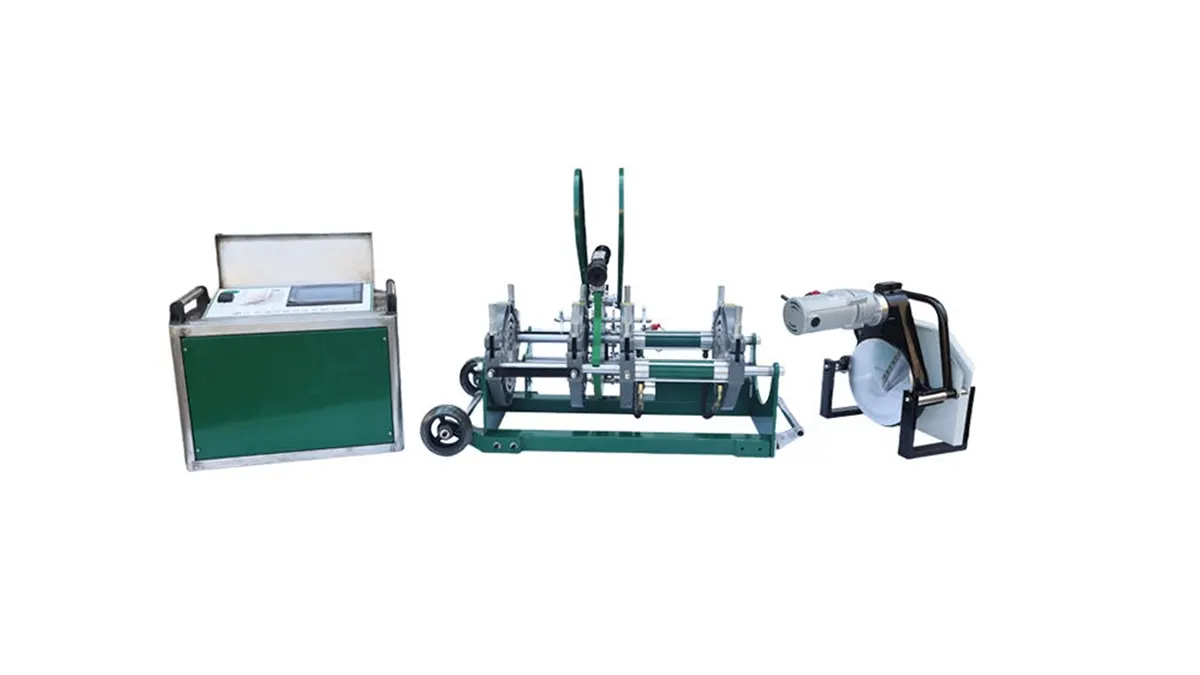
Automatic machines deliver: consistent fusion cycles, digital process records for QA/QC, reduced operator fatigue, and higher throughput on long runs. For Bruneian contractors working on government water projects or oil-palm processing plants, these advantages translate directly into lower lifecycle costs and faster commissioning.
Key features to prioritize
When specifying an automatic pipe welding machine in Brunei, look for reliable temperature control, automatic alignment and trimming functions, a clear digital interface with data logging, and corrosion-resistant components for coastal use. Mobility options (trailers or modular frames) help teams reach remote rural sites and oilfield pads more easily.
Model comparison (quick reference)
| Model | Diameter Range | Automation | Best for |
|---|---|---|---|
|
JQA250 |
63–250 mm |
Full automatic |
Urban water networks, service lines |
|
JQA400 |
90–400 mm |
Full automatic with data logging |
Medium trunklines, irrigation |
|
JQA630 |
200–630 mm |
High-capacity automatic |
Large-diameter trunk mains, industrial sites |
Choosing the right machine for Brunei conditions
Consider project scale, pipe diameters, crew skill level, and site access. For coastal or offshore-adjacent jobs, prioritize stainless or coated components and robust electrical protection against humidity. For inland municipal programs, features that speed up joint cycles and produce clear weld logs will help satisfy government QA requirements.
Installation, training and local deployment
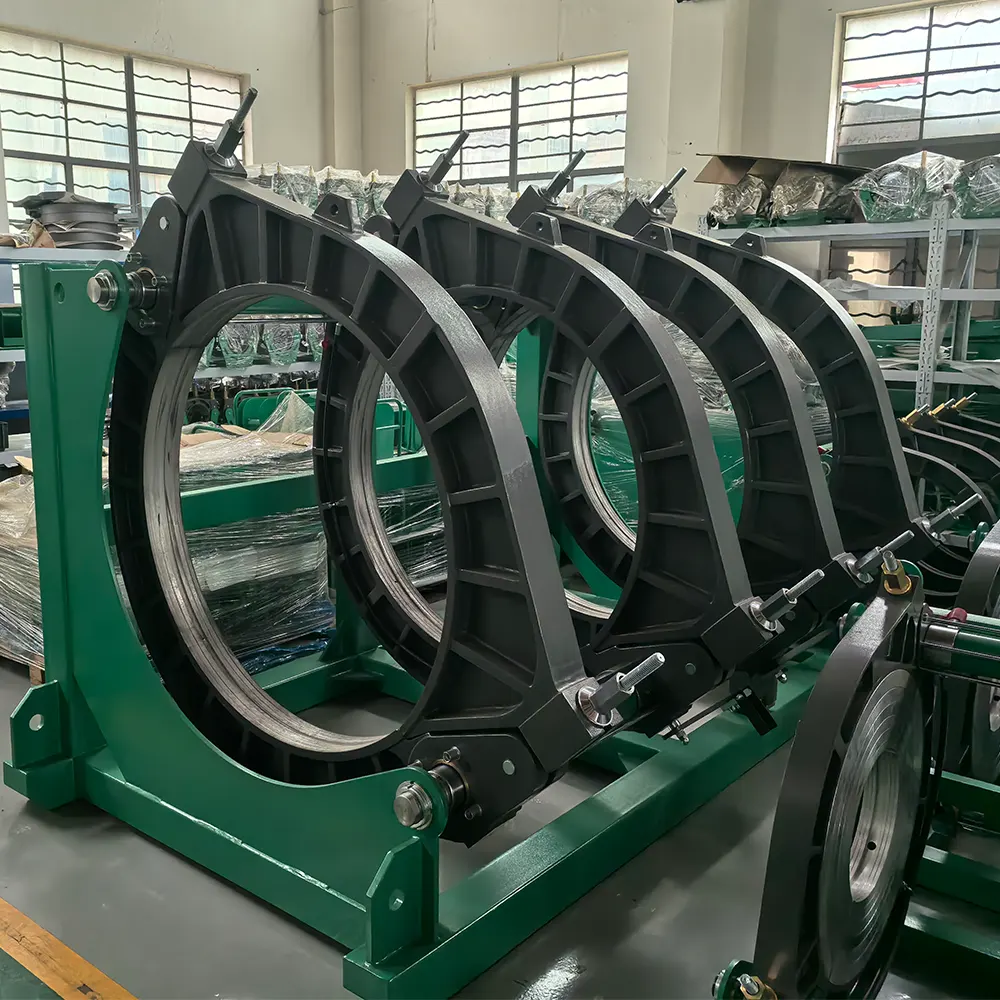
Successful adoption requires onsite training for technicians, clear maintenance schedules, and spare-part planning for shipping times to Brunei. Digital welding records and third-party test reports help contractors win public tenders and demonstrate compliance with safety and performance standards.
Maintenance tips to extend service life
Regularly clean heater plates, verify calibration of temperature sensors, and store electronic controls in moisture-proof enclosures between jobs. In salty coastal environments apply anti-corrosion treatments and inspect hydraulic seals more frequently. Consistent upkeep preserves weld quality and reduces downtime.
For reliable, high-quality HDPE welding solutions in Brunei, consider partnering with a proven manufacturer such as JQ-Fusion — https://jq-fusionwelding.com/ — which offers a range of automatic butt-fusion machines suitable for local municipal, industrial, and energy projects.



