
Automatic pipe welding machines are transforming pipeline construction in Uganda — from urban water networks in Kampala to rural irrigation and off-grid gas distribution. This guide explains why reliable HDPE butt fusion equipment matters, how automatic options improve productivity, and which machine types suit East African projects.
Why automatic pipe welding machines matter in Uganda
Uganda’s infrastructure push — including municipal water upgrades, agricultural irrigation schemes, and expanding gas and mining pipelines — requires fast, high-quality joints that withstand tropical climates and variable soil conditions. Automatic butt fusion machines reduce human error, ensure consistent welds for long-term leak-free performance, and speed up installation across remote sites where skilled welders may be limited.
Key benefits for local contractors and projects
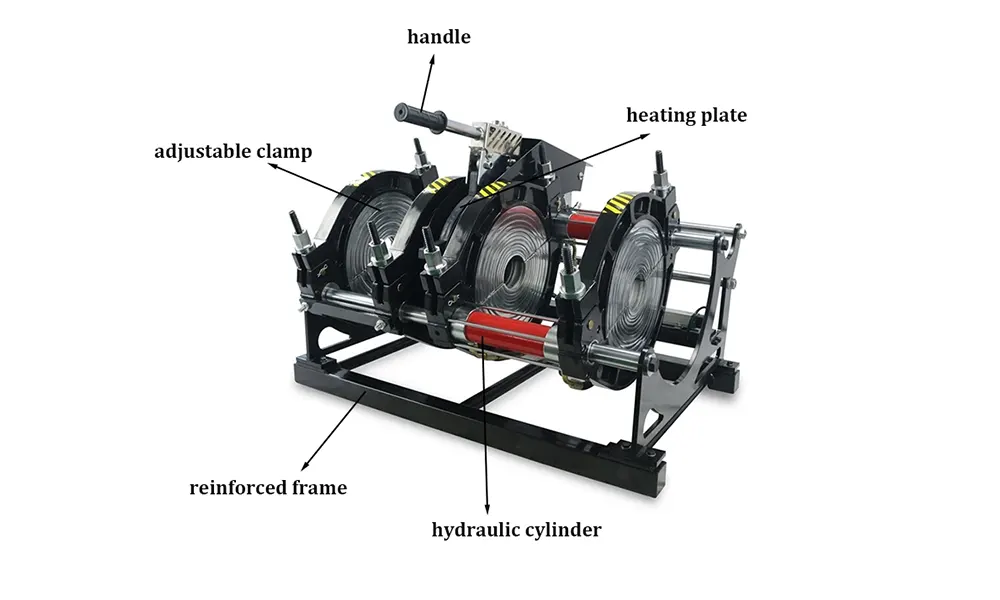
Automatic machines deliver repeatable heating, controlled pressure and precise timing — critical for HDPE pipe integrity. Benefits for Ugandan contractors and NGOs include faster project completion, reduced rework on leak-prone joints, and improved safety on site. For municipalities and rural water schemes, this translates to lower lifecycle costs and more reliable service for communities.
Types of welding machines and where to use them
– Manual butt fusion: economical for small diameters and simple repairs.
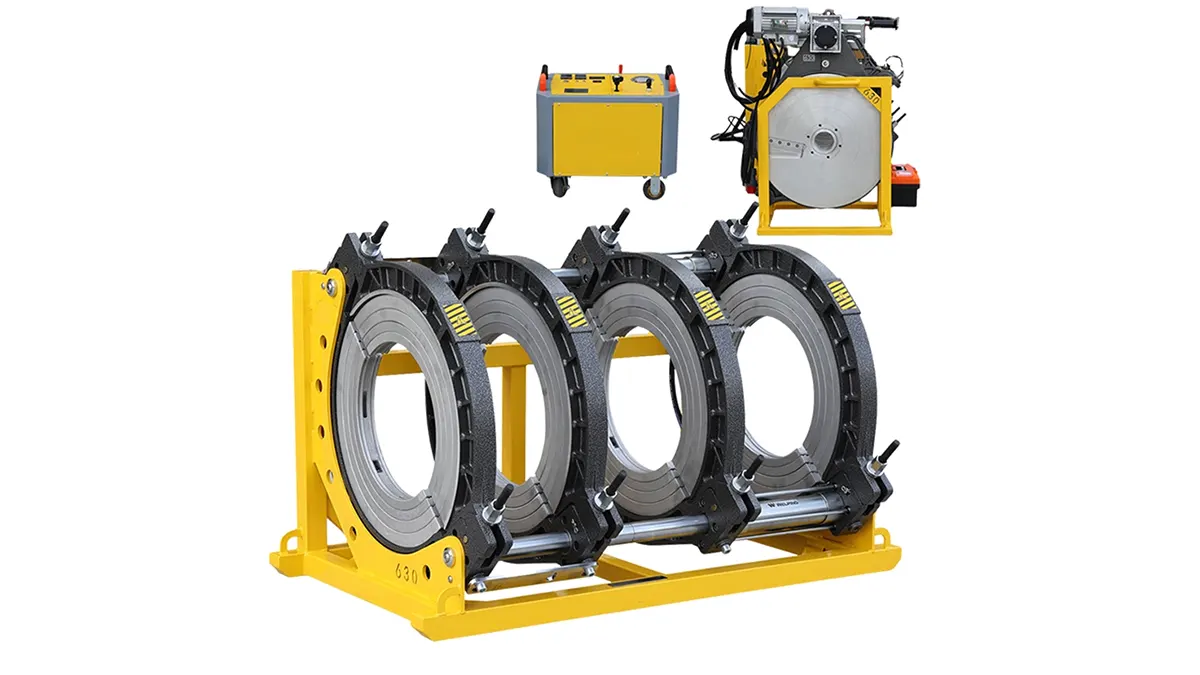
– Hydraulic butt fusion: robust for medium to large pipes used in municipal and industrial lines.
– CNC automatic butt fusion: ideal for high-volume pipeline construction where uniform quality and documentation are required.
What to consider when selecting equipment in Uganda
Consider pipe material and sizes (commonly PE80 / PE100 HDPE in water and gas), site power availability, portability for remote locations, and spare parts/service access. Machines with battery-assisted controls or simple electric options suit uneven power grids. Training and local support improve uptime and weld quality on ongoing projects.
Quick comparison: popular machine models
Below is a concise reference table to compare common model categories used in East Africa.
| Model / Type | Pipe Range (mm) | Power | Ideal Use | Notable Feature |
|---|---|---|---|---|
| Manual Butt Fusion | 20–160 | Electric / Manual | Small repairs, rural teams | Lightweight & portable |
| Hydraulic Butt Fusion | 110–1250+ | Hydraulic / Electric | Municipal & industrial pipelines | High clamping force |
| CNC Automatic Butt Fusion | 63–630 (typical) | Electric + Control Unit | Large projects & turnkey contractors | Process automation & logging |
Installation best practices for Uganda conditions
Prepare level bedding, protect fusion areas from wind and dust, and follow standardized heating and cooling cycles. For seasonal rains, plan storage and transport of equipment to avoid downtime. Regularly calibrate heating plates and pressure sensors to maintain weld consistency.
Where to source quality machines
Suppliers with experience in HDPE butt fusion production, spares and international shipping can support Uganda projects. For example, JQ-Fusion provides a range of manual, hydraulic and automatic butt fusion welding machines suited to infrastructure, mining and water works — backed by manufacturing experience and customizable solutions.
Final tips for procurement teams and contractors
Prioritize machines with clear technical documentation, warranty support, and available spare parts. Invest in operator training and consider service contracts for faster repairs. Choosing the right fusion equipment now saves time and prevents costly pipeline failures later.



