
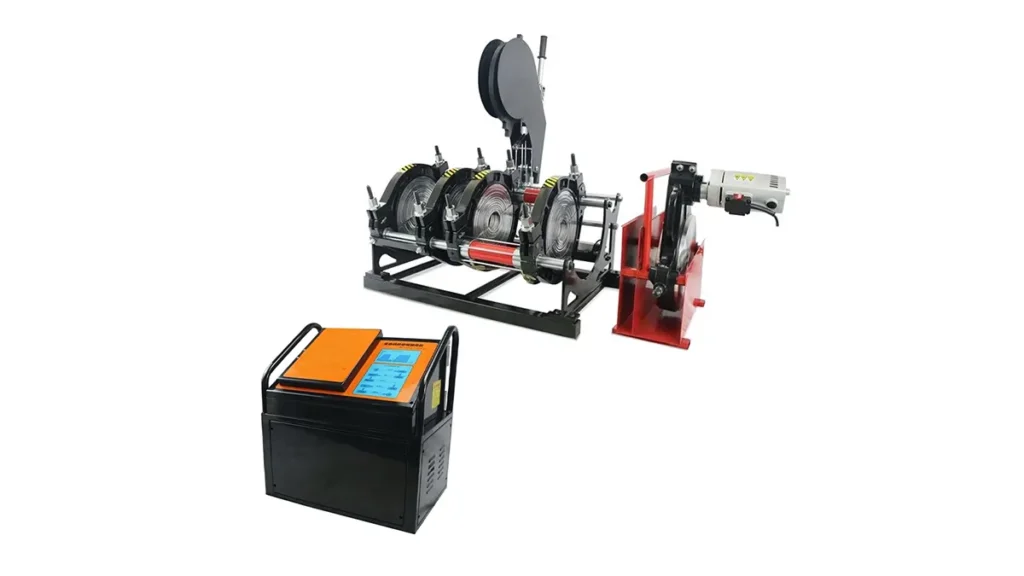
Norway’s infrastructure projects demand robust, weather-resistant solutions for joining HDPE pipelines — from municipal water networks and gas distribution to remote offshore and mining installations. For contractors and engineers working in cold climates and rugged terrain, automatic pipe welding machines offer the precision and repeatability needed to maintain pipeline integrity under harsh Norwegian conditions. JQ-Fusion provides a full range of butt fusion technologies optimized for these uses.
Why Automatic Pipe Welding Matters in Norway
Automatic butt fusion welding reduces human error, improves joint quality, and speeds up installation — critical factors when working in Norway’s short construction seasons and low-temperature environments. Automatic systems maintain controlled heating, pressure, and cooling cycles, ensuring consistent fusion strengths for HDPE pipes used in drinking water, sewage, and gas distribution networks. For offshore support and fjord-side projects, reliable welding is essential to avoid costly repairs and downtime.
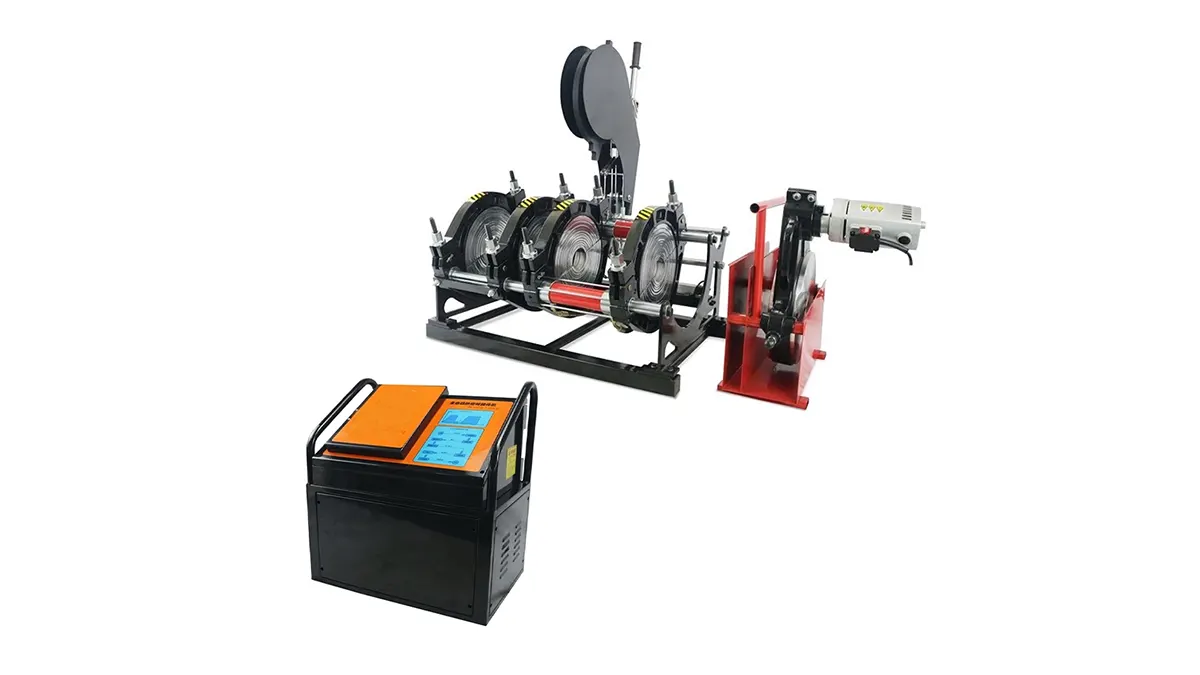
Core Welding Solutions: Automatic, Hydraulic & CNC
Modern projects often require a mix of equipment: compact manual units for tight urban repair sites, hydraulic frames for larger diameter lines, and CNC or fully automatic machines for high-volume pipeline production. Automatic machines deliver programmable sequences and digital logs that help Norwegian contractors comply with strict documentation and quality assurance standards. Hydraulic models bring the power to handle large-diameter pipes used in regional water transport and industrial installations.
Typical Applications Across Norway
– Municipal water mains and wastewater systems in cities like Oslo and Bergen.
– Gas distribution networks in suburban developments and industrial zones.
– Offshore support lines and pipeline repair work along coastal and fjord areas.
– Mining and heavy-industry pipelines in northern regions where durability is paramount.
Automatic welding systems are especially valuable where traceable weld records and standardized processes are required.
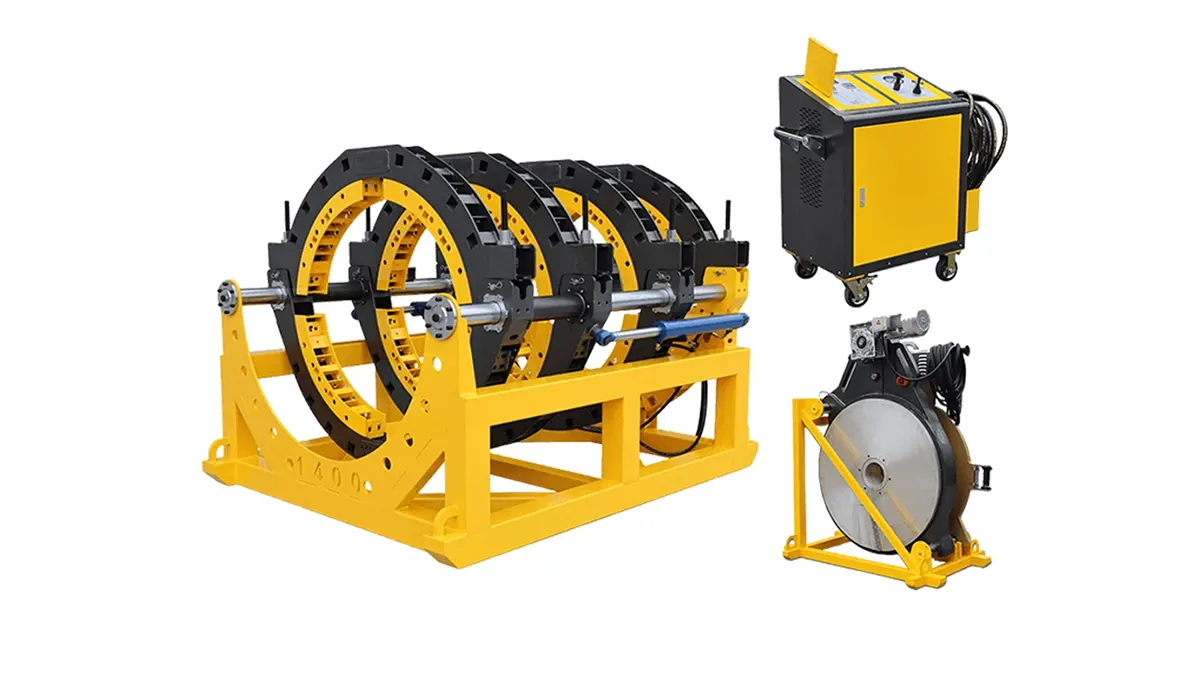
Quick Comparison: Common Machine Types
Below is a compact specification table to help engineers and procurement teams evaluate options when planning Norwegian pipeline projects.
| Machine Type | Typical Pipe Range | Key Advantage |
|---|---|---|
| Automatic Butt Fusion | 63mm–630mm | Consistent, logged welds for regulatory compliance |
| Hydraulic Frames | 250mm–2000mm+ | High clamping force for large-diameter lines |
| Manual & Portable | 20mm–160mm | Easy transport to remote repair sites |
Installation, Training & Service for Norwegian Conditions
To maximize uptime in cold weather, prioritize training on start-up procedures, heater plate handling in low temperatures, and proper pre-heating cycles. Service support should include spare parts availability, fast-response technical assistance, and documentation templates that meet municipal and industry audits. Portable testers and weld-data export features help field teams validate joints on-site and produce records for asset owners.
Selecting the Right Partner
Look for manufacturers with proven HDPE welding expertise, flexible model ranges, and the ability to supply both off-the-shelf and custom solutions for large-diameter or multi-angle pipe fitting tasks. A supplier that can advise on best practices for Norway’s unique environments — such as freeze-thaw cycles, seabreeze corrosion risks, and logistical constraints in remote regions — will help deliver long-term value.
For more information or to request machine specifications and availability, visit https://jq-fusionwelding.com/.



