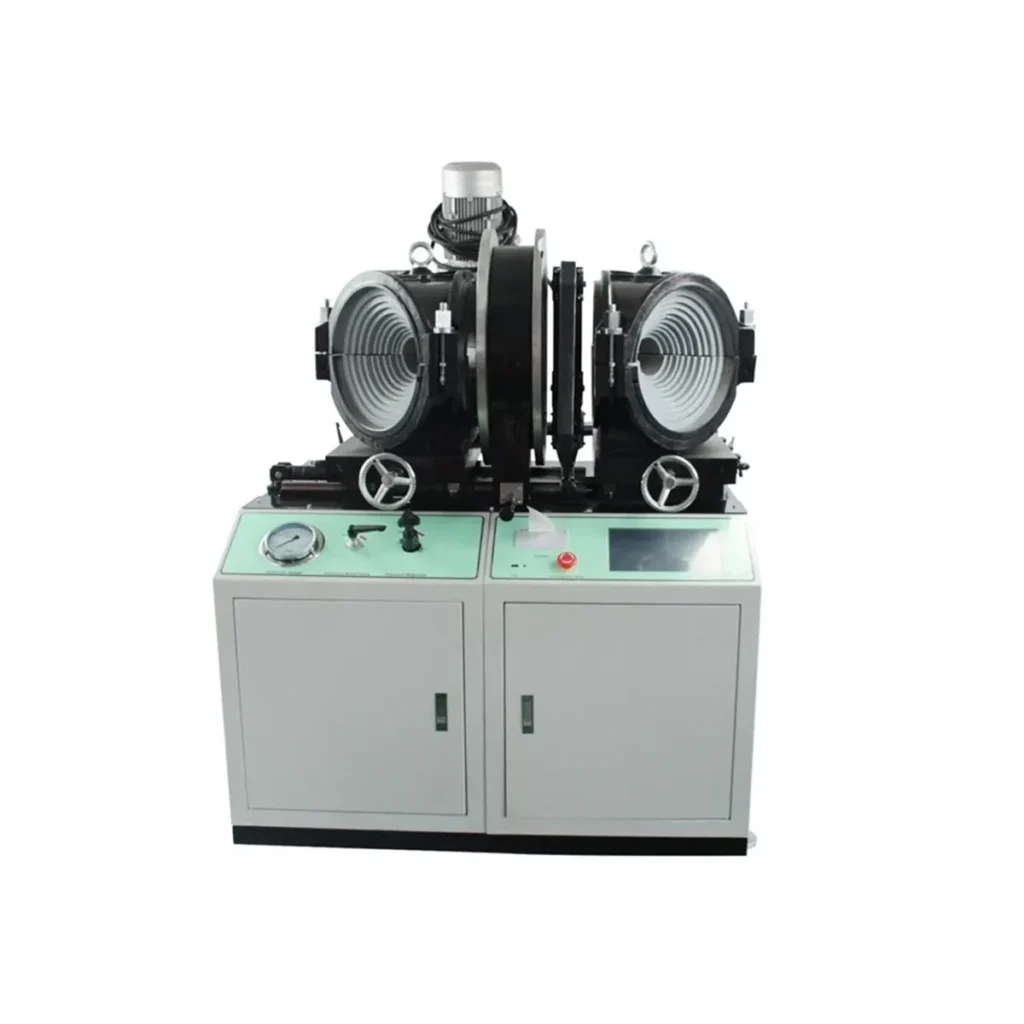
In modern hydraulic butt fusion welding operations, precision is not just a requirement—it’s the foundation of joint integrity. Central to achieving this precision is the humble yet critical HDPE welding machine pressure sensor. This component translates hydraulic force into readable electrical signals, ensuring that the pipe ends are fused under the exact parameters specified by ISO 21307 butt fusion procedures.
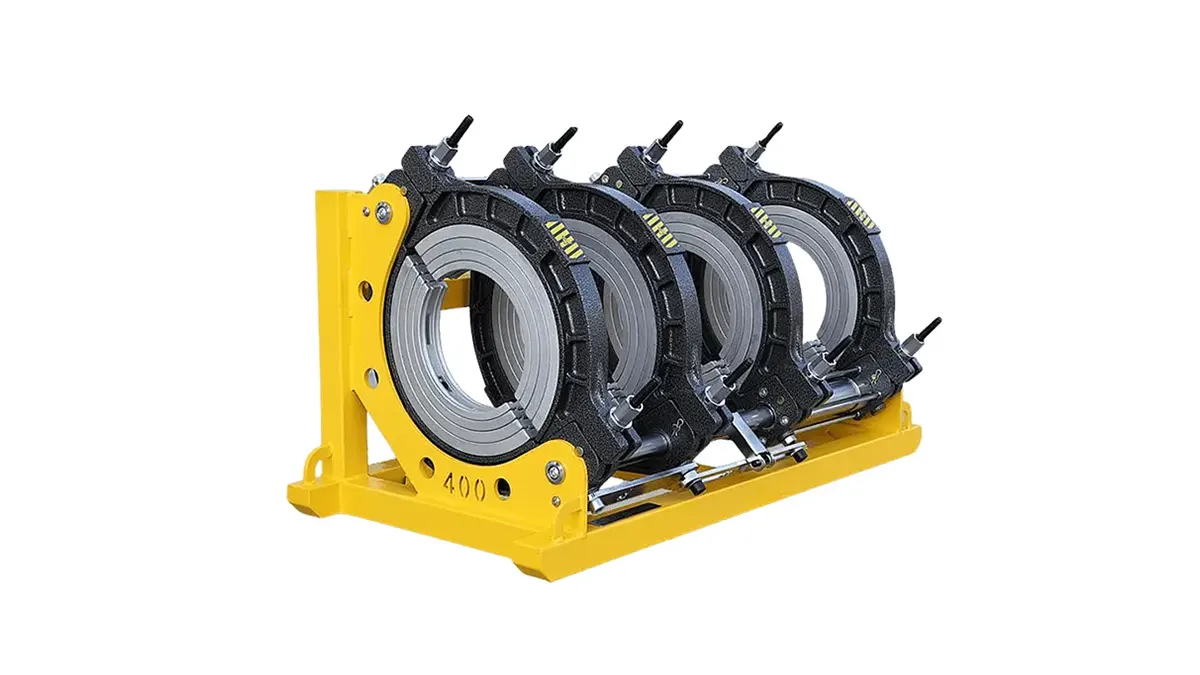
How the Pressure Sensor Works in HDPE Welding
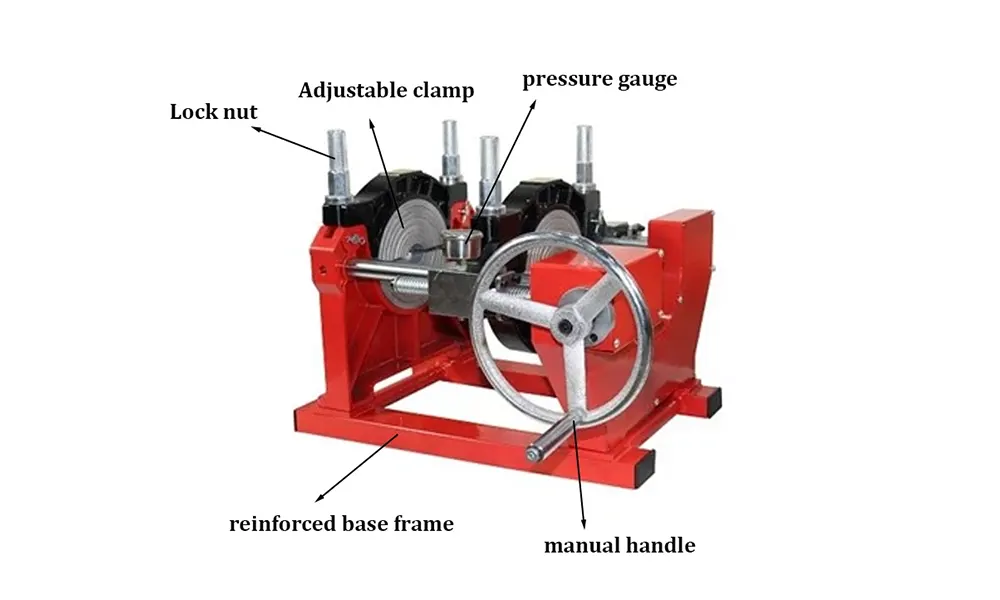
The primary role of the sensor is to monitor the hydraulic pressure exerted by the cylinder on the pipe ends. As the hydraulic pump operates, the HDPE welding machine pressure sensor detects the pressure differential and converts it into an analog or digital output. This data feeds directly into the control unit or CNC automatic butt fusion machine display, allowing the operator to adjust force in real-time. Without accurate readings, the drag pressure and fusion pressure calculations become guesswork, risking weak or inconsistent welds.
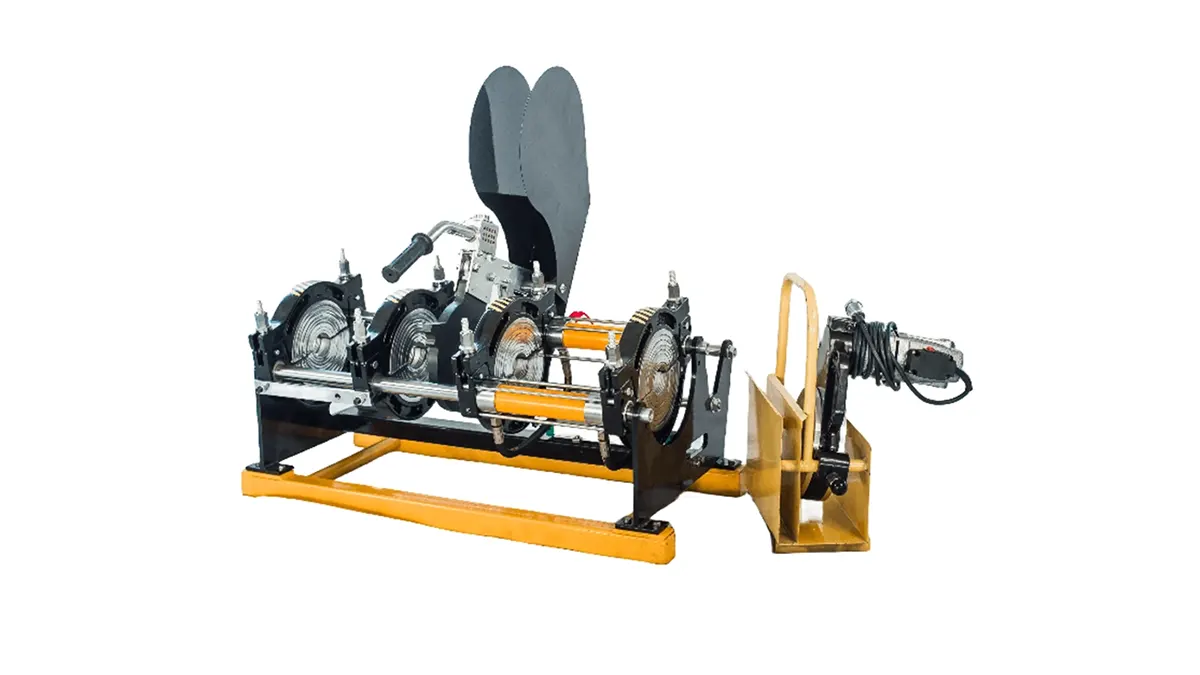
Key Functions of the Sensor
- Real-Time Monitoring: Continuously tracks pressure during the heating, heat soak, and fusion stages.
- Feedback Loop: Sends data to the control system to maintain the required MPa or psi levels automatically.
- Data Logging: In advanced HDPE welding machines, the sensor enables traceable weld records as recommended by PE butt fusion equipment standard.
- Fault Detection: Identifies anomalies such as pressure drops that could indicate hydraulic leaks.
Benefits of a Reliable Pressure Sensor
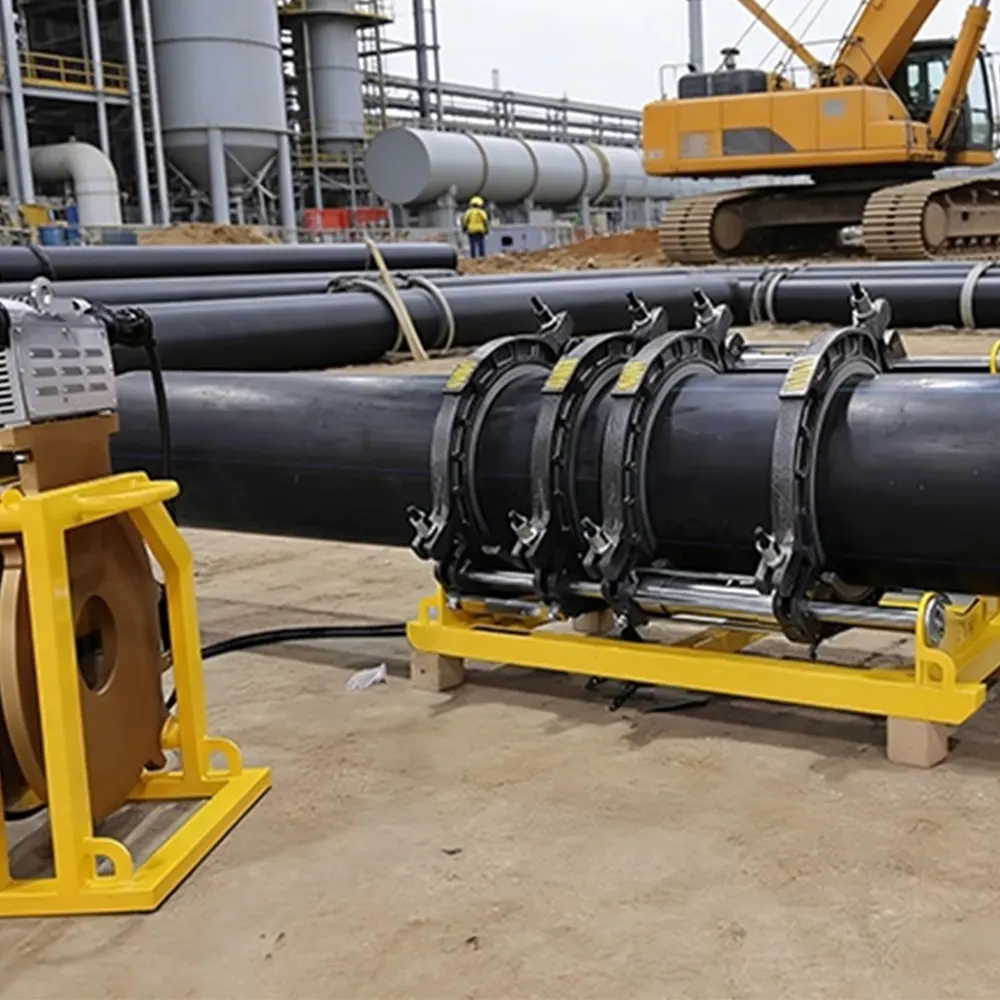
Investing in a high-quality sensor goes beyond simple readouts. It directly impacts the lifespan of your pipeline infrastructure. When utilizing a manual or hydraulic pipe welding equipment, a drift in sensor calibration can lead to cold welds. A robust sensor ensures that the specified interfacial pressure is achieved, eliminating weak points that might fail under pressure testing.
| Feature | Impact on Welding |
|---|---|
| High Accuracy (±0.5%) | Guarantees fusion pressure is within the tight window required for high-density materials. |
| Temperature Compensation | Prevents measurement drift during prolonged use in harsh field conditions. |
| Robust Stainless Steel Housing | Withstands high-pressure spikes and vibrations common on construction sites. |
| Fast Response Time | Instantly signals the control unit to adjust the pump during rapid heat soak transitions. |
Common Symptoms of Sensor Failure
Recognizing early signs of failure can save thousands in project delays. Look for erratic pressure readings on the display, a zero output signal even when the pump is engaged, or hydraulic oil leakage around the sensor thread. Additionally, if the HDPE welding machine pressure sensor fails, many automatic systems will enter a safety lockout mode, refusing to proceed with the fusion cycle until the fault is cleared.
Step-by-Step Replacement Guide
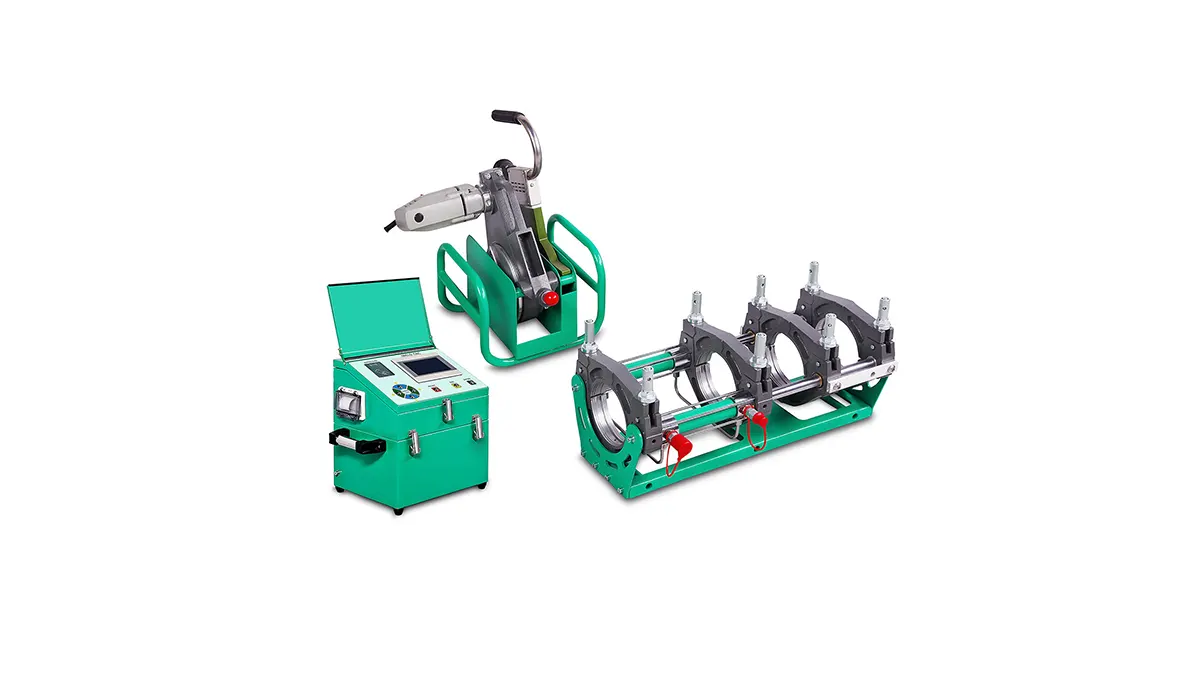
Replacing a faulty sensor is a technical but straightforward process best handled by qualified technicians. Always reference the specific wiring diagram for your butt fusion welding equipment.
1. Safety and System Shutdown
Turn off the machine completely and disconnect the power source. Release any residual hydraulic pressure by toggling the directional valve with the engine off to prevent accidental oil injection.
2. Identify and Access
Locate the sensor, typically mounted on the hydraulic manifold block or directly on the cylinder. Clean the surrounding area thoroughly to avoid contaminating the hydraulic oil.
3. Removal
Use an appropriate spanner to loosen the lock nut. Unplug the electrical connector carefully. Inspect the O-ring or sealing washer; a damaged seal is often the root cause of inconsistent readings, not the sensor itself.
4. Installation
Thread the new HDPE welding machine pressure sensor in by hand to avoid cross-threading, then tighten to the manufacturer’s torque specification. Reconnect the harness securely.
5. Calibration and Testing
After restarting, compare the sensor output against a calibrated master gauge if available. Follow PE butt fusion process guidelines to verify drag pressure and set the correct fusion pressure before resuming production welding.
Maintenance Tips for Longevity
- Keep Hydraulic Oil Clean: Contamination is the number one killer of precision sensors.
- Check Seals Regularly: A hardened O-ring can allow micro-leaks that alter pressure readings.
- Avoid Mechanical Shock: Protect the sensor from direct impact during machine transport.
- Verify Grounding: Ensure the electrical ground is solid to prevent signal interference.
Frequently Asked Troubleshooting
| Problem | Possible Solution |
|---|---|
| Pressure Fluctuates Wildly | Check for air in the hydraulic system or a failing pump coupling. |
| Display Shows “Error” | Verify the sensor cable isn’t pinched or severed near the carriage. |
| Readings Don’t Match Gauge | Perform a two-point calibration or replace if the zero offset is too large. |
Maintaining the HDPE welding machine pressure sensor is essential for the consistent quality of pipe joining. Whether running a compact manual setup or a large-diameter butt fusion machine, the integrity of your welds is only as good as the data guiding them. For further assistance with compatible sensors and genuine parts, consulting a specialized supplier ensures you get components that match the rigorous demands of industrial pipe fusion.
About JQ-Fusion
JQ-Fusion is a professional manufacturer specializing in HDPE pipe welding machines, providing reliable butt fusion solutions for global infrastructure projects. With years of industry experience, we focus on the development and production of manual, hydraulic, and CNC automatic butt fusion welding machines, covering a wide range of pipe sizes from small to large diameters. Our products are widely used in water supply, gas distribution, mining, and industrial pipeline systems.
We are committed to delivering high-quality, durable, and customizable welding equipment to meet diverse project requirements. Supported by advanced manufacturing facilities, strict quality control processes, and a responsive service team, JQ-Fusion has built long-term partnerships with distributors and contractors worldwide. From standard models to tailored solutions, we help our clients achieve efficient, precise, and reliable pipe welding performance.