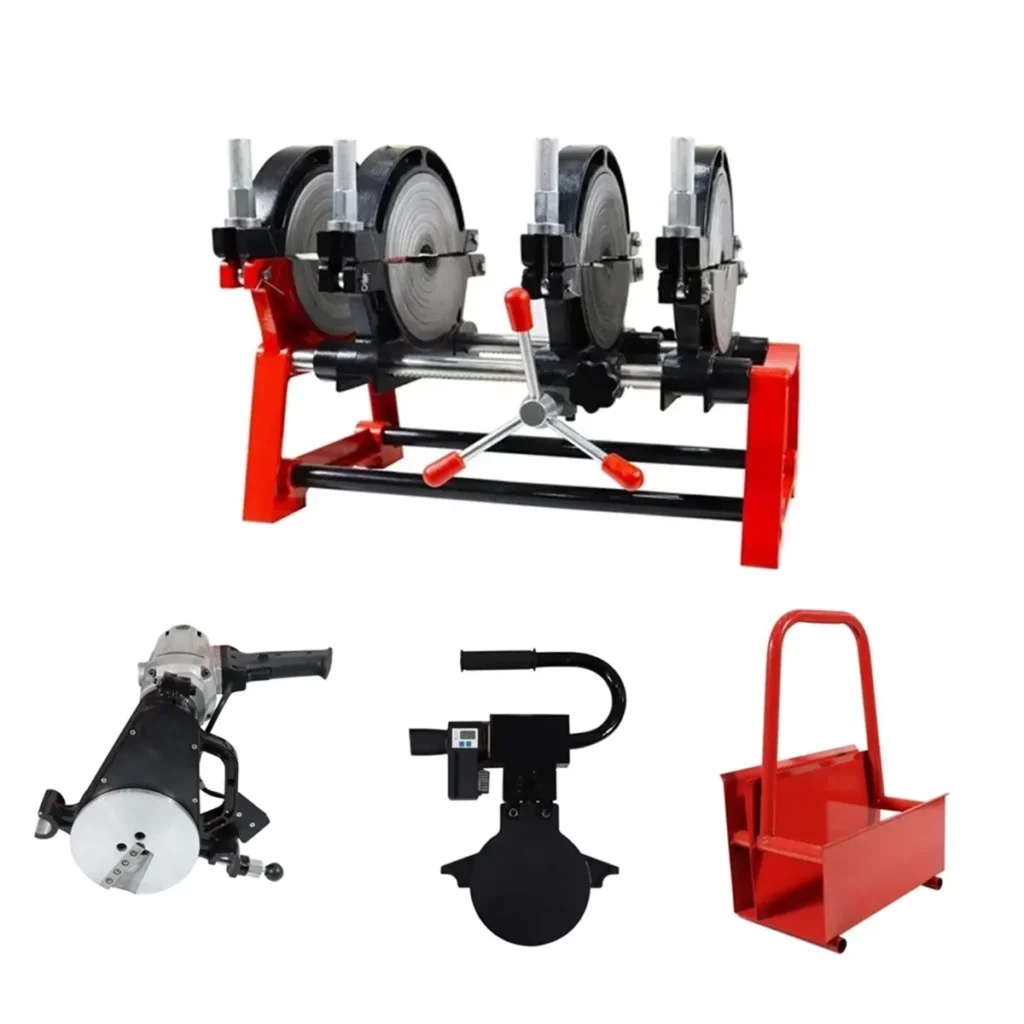
In irrigation networks, the long-term reliability of buried pipelines depends heavily on the quality of pipe connections. High-density polyethylene (HDPE) has become the material of choice for agricultural, landscape, and large-scale irrigation projects due to its flexibility, corrosion resistance, and leak-free joint performance. Achieving those strong, monolithic joints requires a proper HDPE fusion machine for irrigation applications—equipment designed to deliver consistent heat fusion under field conditions.
Why Butt Fusion Dominates Irrigation Pipeline Construction
Butt fusion remains the most widely specified joining method for irrigation mains and laterals. The process heats two pipe ends simultaneously on a precision-machined facing tool, then forges them together under controlled pressure. The result is a homogeneous joint with strength equal to or exceeding the pipe itself. For irrigation contractors, butt fusion welding equipment offers unmatched long-term value: no rubber gaskets to deteriorate, no mechanical couplings to corrode in wet soils, and minimal maintenance over decades of service.
Key Machine Configurations for Irrigation Work
Irrigation projects vary widely in pipe diameter, site access, and daily production targets. Selecting the right machine configuration directly impacts joint quality and installation speed.
Manual Fusion Machines for Small-Diameter Lateral Lines
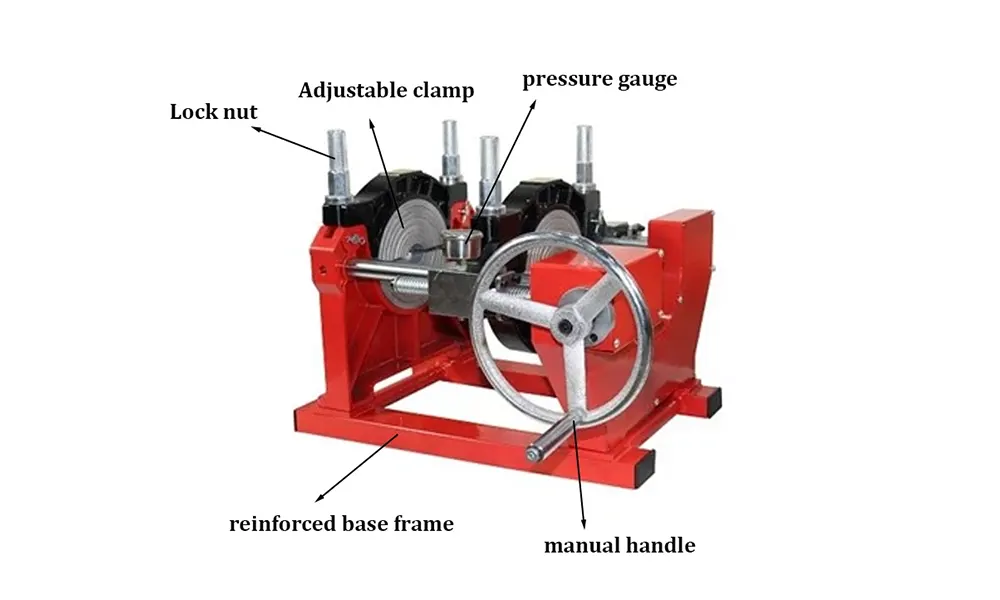
For lateral pipes typically ranging from 50mm to 200mm, manual butt fusion welding machines provide a practical, portable solution. These lightweight frames use lever-actuated clamps and manual hydraulic pumps to control the welding sequence. They are ideal for drip irrigation sub-mains, vineyard laterals, and smallholder farm systems where rapid repositioning between joints is essential.
Hydraulic Models for Mainline Construction
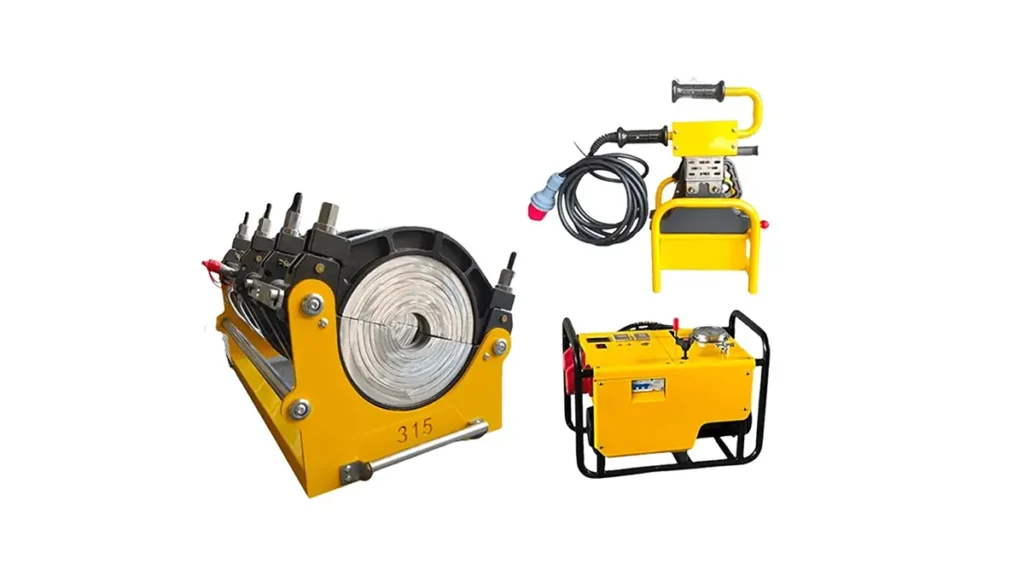
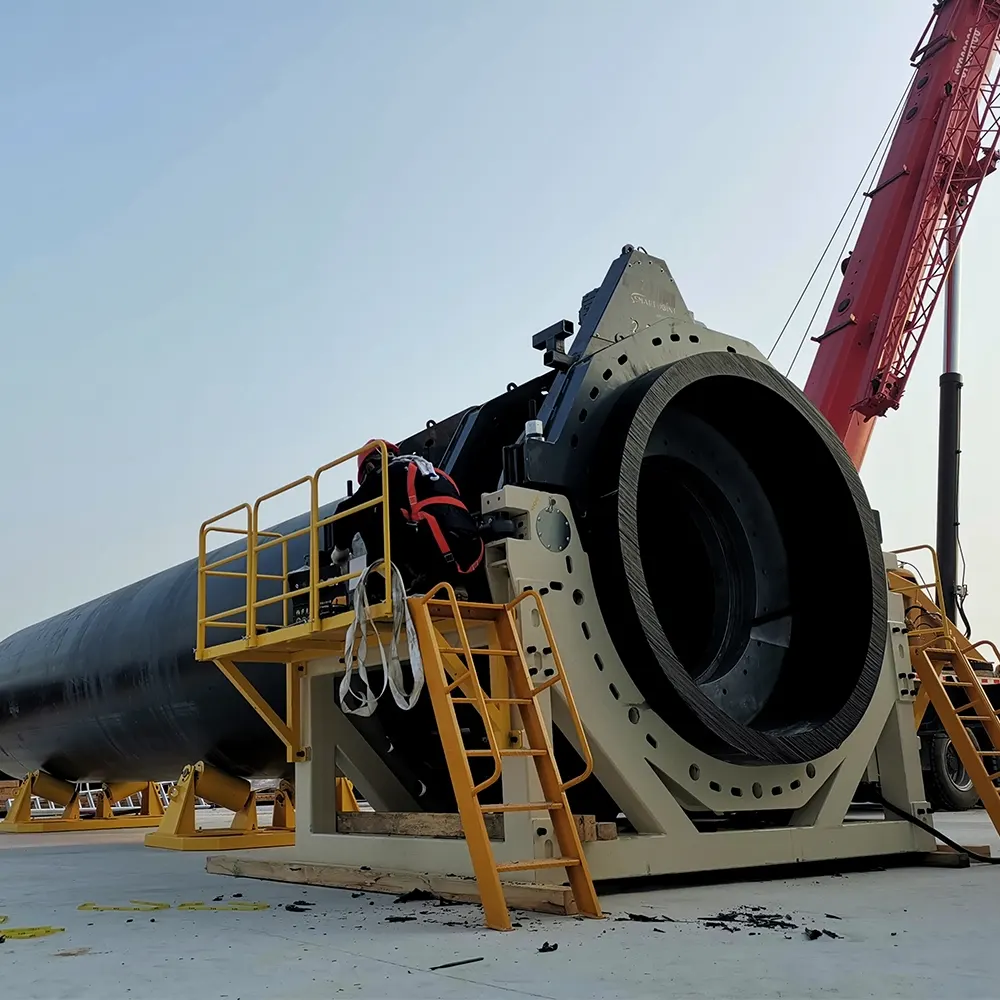
When installing primary irrigation arteries from 200mm up to 1200mm and beyond, hydraulic butt fusion machines become necessary. These units incorporate powered pipe lifts, roller carriages, and high-torque facers to handle heavy wall thicknesses and long sticks of pipe. Consistent hydraulic pressure regulation is critical for achieving the correct bead formation on large-diameter joints in pressurized irrigation systems.
CNC Automatic Machines for High-Volume Installations
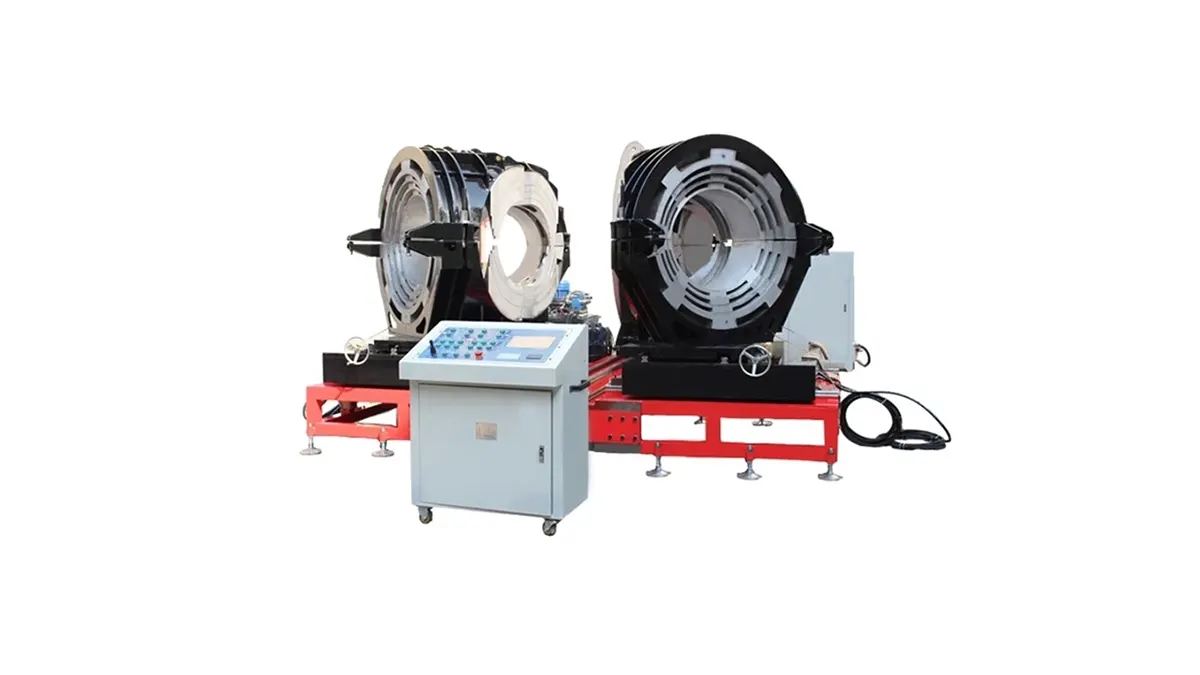
On extensive irrigation projects—such as center-pivot coverage zones or municipal reclaimed water distribution—production rate is everything. CNC automatic butt fusion machines automate the complete heating, soaking, and forging cycle while recording joint parameters for quality assurance documentation. This data logging capability is increasingly required by consulting engineers on publicly funded irrigation works.
Selecting the Right Fusion Machine by Pipe Range
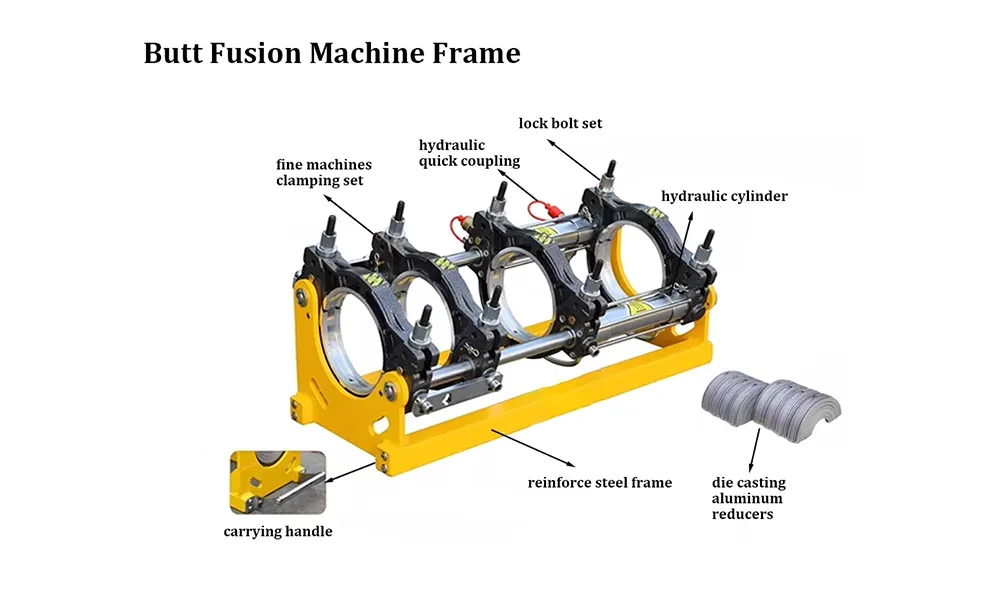
Matching the machine’s clamping capacity to the irrigation pipe diameter is the first selection criterion. The table below summarizes typical configurations used in agricultural water supply projects.
| Machine Type | Typical Pipe OD Range | Common Irrigation Application | Key Advantage |
|---|---|---|---|
| Manual | 50mm – 200mm | Drip laterals, orchard sub-mains | Portable, low equipment cost |
| Hydraulic | 200mm – 1200mm | Mainlines, pump station headers | High clamping force, stable alignment |
| CNC Automatic | 160mm – 800mm | Large-scale distribution networks | Automated cycles, data logging |
| Multi-Angle Fitting | 315mm – 1600mm | Tee, elbow, and Y-junction fabrication | Custom angle positioning for fittings |
Fusion Welding Protocols Relevant to Irrigation Pipe
Adhering to established standards ensures that irrigation pipelines withstand both operating pressure and environmental stress. The ISO 21307 butt fusion procedures define three pressure regimes—low, medium, and high—for joining PE pipes. Most irrigation networks fall under the medium-pressure profile, which balances bead size with cooling time to maintain productivity in the field. Additionally, ASTM F2620 heat fusion provides widely recognized guidance on joint qualification and visual inspection criteria used by irrigation engineers globally.
Essential Steps for Reliable Irrigation Pipe Welding
- Pipe Preparation: Clean the pipe ends thoroughly, removing all soil, moisture, and oxidation layer. Contamination is a leading cause of weak fusion joints in agricultural environments.
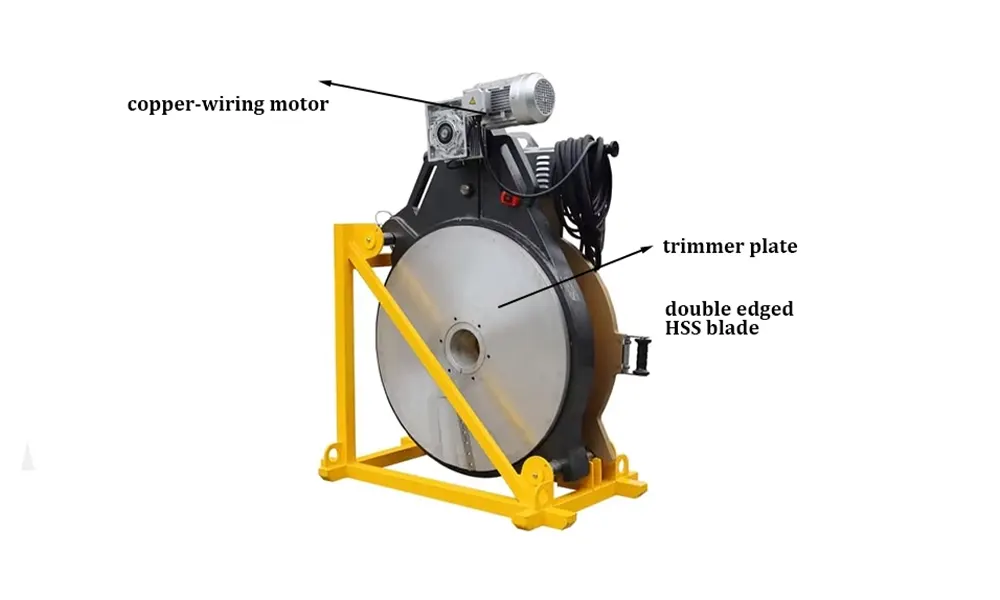
- Facing: Use a sharp, well-maintained facing tool to create smooth, parallel pipe ends. The facer must produce continuous shavings from both pipes simultaneously, confirming full surface contact.
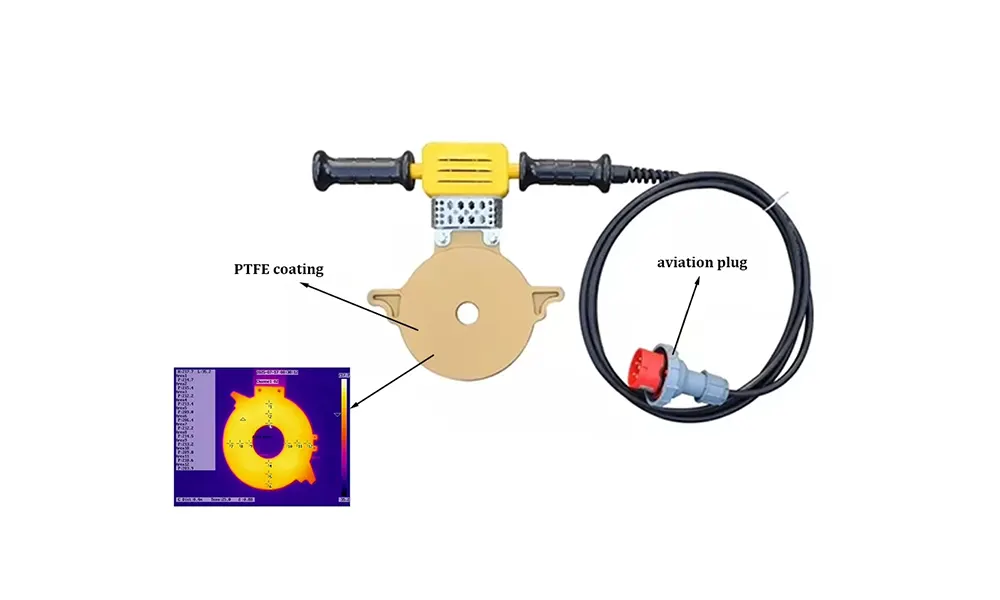
- Heating Plate Temperature Verification: Check that the heating plate surface temperature matches the recommended range for PE grades used in irrigation pipes—typically 210°C to 230°C. A calibrated pyrometer should be used before each shift.
- Bead-Up and Soaking: Apply the specified bead-up pressure until a uniform melt bead forms around the pipe circumference, then shift to soak pressure while heat penetrates the material.
- Fusion Joining: Remove the heating plate swiftly and bring the pipe ends together with a smooth, controlled motion. Hold the upset pressure steady throughout the cooling period without any machine movement.
- Cooling Under Pressure: Maintain the joint under full pressure until the bead and pipe surface cool to ambient temperature. Releasing clamps prematurely can cause micro-cracks that may fail under surge pressures common in irrigation systems.
On-Site Repair Techniques Using Fusion Machines
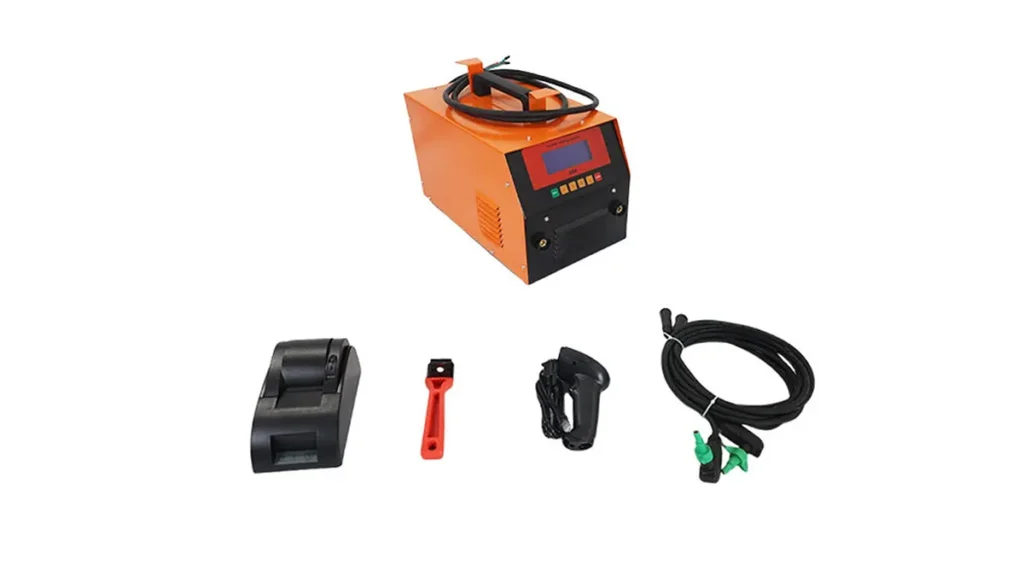
Irrigation pipes are occasionally damaged by excavation equipment, soil movement, or extreme surge events. A HDPE fusion machine for irrigation repair work must be compact enough to access trenches yet capable of producing permanent, pressure-rated repairs. For small-diameter lines, manual machines perform electrofusion machine saddle connections or full circumferential butt welds on replacement sections. Larger mains may require hydraulic units to fuse new pipe segments or fabricated elbows directly in the ditch.
Quality Indicators of a Proper Irrigation Fusion Joint
Inspecting every joint is a practical necessity on irrigation projects. Trained operators look for specific visual characteristics that indicate a strong bond:
- Double Melt Bead: A uniform, rounded bead on both the inside and outside of the joint, with smooth transitions to the pipe wall. The bead size should be consistent around the full circumference.
- Alignment: Pipe walls must match perfectly, with no visible step or offset. Misalignment greater than 10% of wall thickness can create a stress riser under cyclic irrigation pressures.
- Bead Color and Texture: The bead should be glossy and free of contamination, voids, or burnt discoloration. A dull or granular appearance may indicate moisture ingress or insufficient heating.
- Joint Width: The final upset bead width should fall within the target range specified in the welding procedure for that pipe diameter and wall thickness.
Irrigation contractors who consistently achieve these indicators using properly maintained HDPE pipe welding machines experience significantly lower failure rates over the system life. Equipment manufacturers like JQ-Fusion provide a range of butt fusion and electrofusion machines designed to meet the rigorous demands of irrigation infrastructure, from smallholder farm systems to large-scale distribution networks, with technical support available throughout the project lifecycle.
Common Challenges and Practical Solutions
Working in agricultural environments introduces unique variables. Wind can cool the heating plate unevenly, requiring a wind shield around the fusion area. Fine dust and sand must be kept away from prepared pipe ends; simple covers or repositioning the machine upwind make a noticeable difference. When soil conditions prevent stable machine setup, wider base plates or auxiliary support stands prevent frame twist during the cooling phase. Operators who adapt their fusion procedure to actual site conditions—while staying within standard parameters—achieve reliable results season after season.