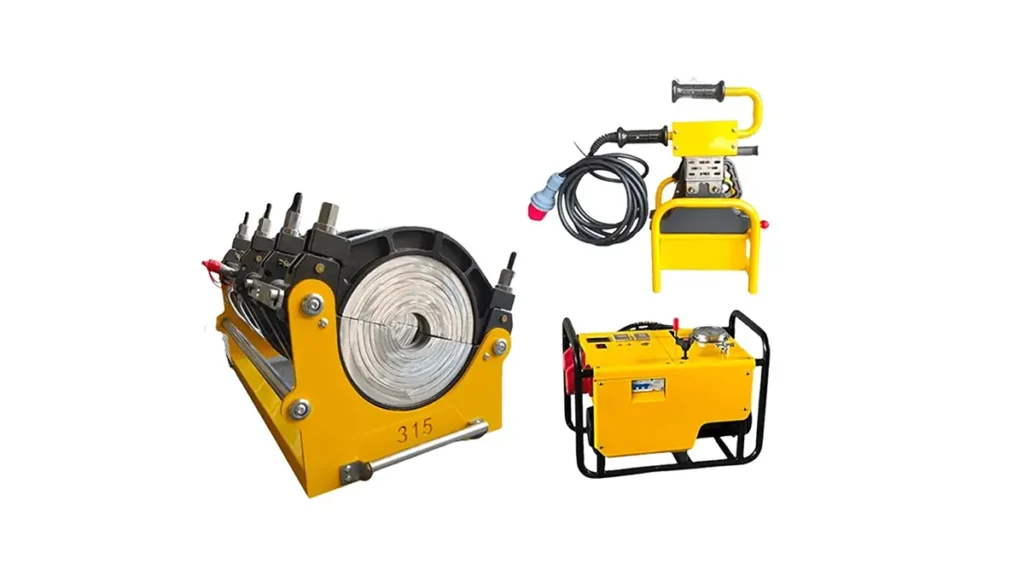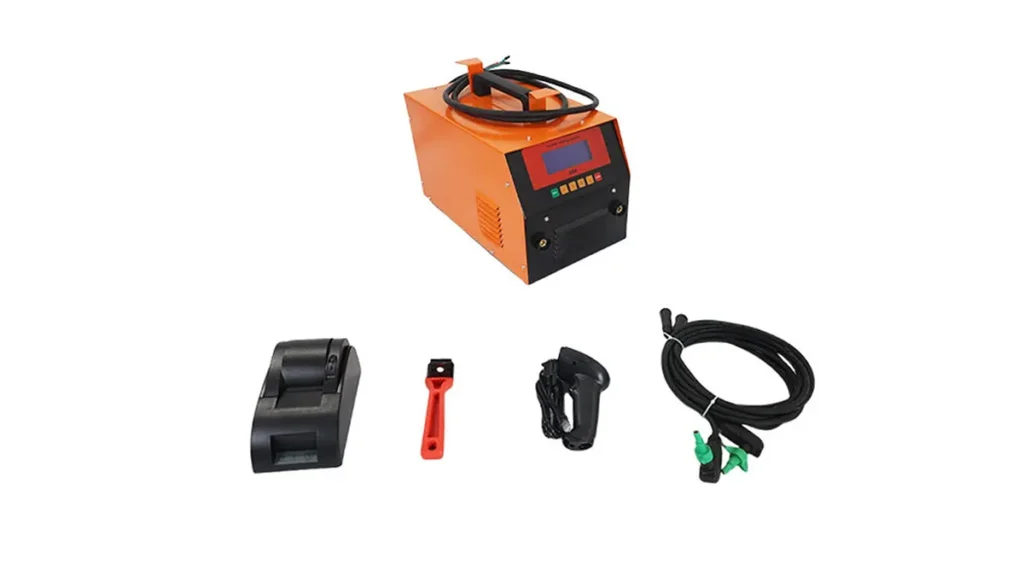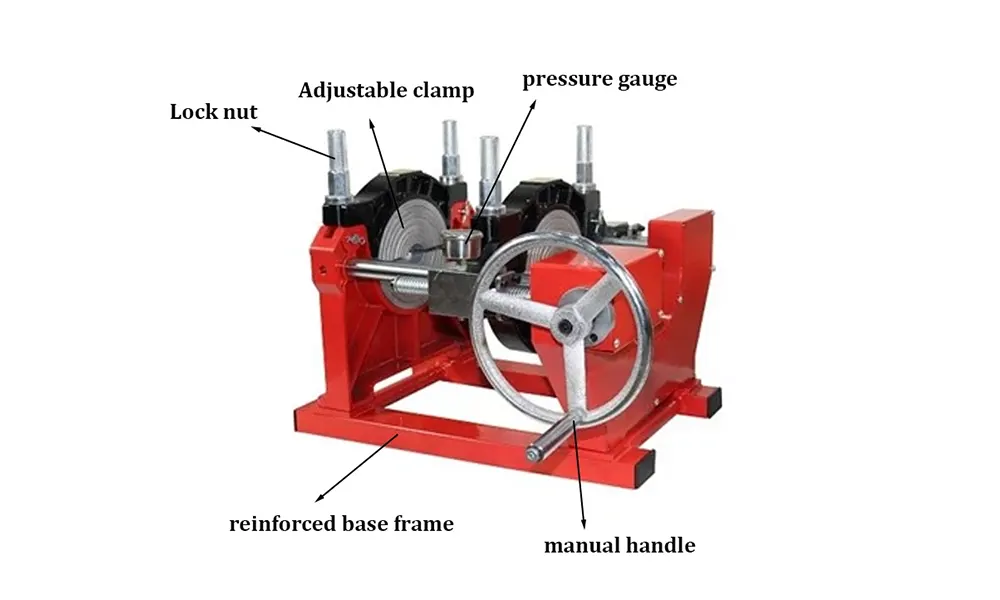
In the world of high-density polyethylene (HDPE) pipe welding, the heating plate is the heart of the butt fusion process. A faulty or poorly maintained plate is one of the most common reasons for joint failure. Effective butt fusion heating plate troubleshooting is essential for any pipeline contractor or technician aiming to meet stringent industry standards like ISO 21307 butt fusion procedures. This guide identifies frequent problems and provides practical solutions to keep your welding operations running smoothly.
Understanding the Heating Plate’s Critical Role
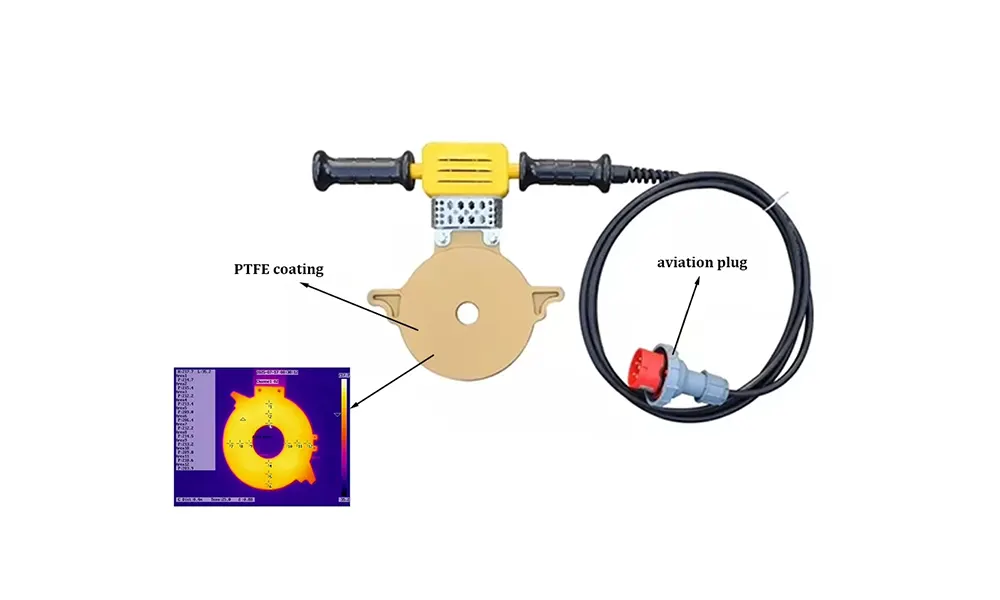
The heating plate, often coated with a non-stick PTFE layer, transfers precise thermal energy to melt the pipe ends before they are joined under pressure. Any deviation in temperature regulation, surface contamination, or mechanical damage directly compromises the integrity of the weld, especially when working with large-diameter hydraulic butt fusion machines. Consistent, high-quality joints rely on a perfectly functioning plate.
Common Heating Plate Problems and Solutions
When diagnosing issues on site, the symptoms usually fall into a few key categories. Below is a detailed breakdown of what operators often encounter and the steps to resolve them.
1. Temperature Control Failure
Symptoms: The plate fails to reach the set temperature, overheats uncontrollably, or displays erratic readings on the digital controller. This is often indicated by a lack of melt bead formation or excessive smoking of the polyethylene.
Root Cause & Solution:
- Faulty Thermocouple or RTD Sensor: The sensor may be loose, corroded, or burnt out. Visually inspect the sensor tip for damage and check the connection to the main control board. Use an external calibrated infrared thermometer gun to verify the actual surface temperature against the display.
- Damaged Heating Element: If the plate doesn’t heat at all but power is confirmed, internal heating coils might be broken. A continuity test with a multimeter is required. If the circuit is open, the heating element needs replacement.
- Calibration Drift: Over time, the control module can drift. Recalibrate the temperature controller according to the PE butt fusion equipment standard specifications, typically requiring a master calibration device.
2. Uneven Surface Temperature
Symptoms: The pipe ends show asymmetric melt patterns; one side of the bead is larger than the other, or the center is not melting sufficiently. This is particularly critical when using CNC automatic butt fusion machines that rely on uniform heat distribution.
Root Cause & Solution:
- Internal Wiring Issues: Partial heating often means one of multiple internal coils or a phase in a three-phase system is dead. Verify all terminals are secure and check for broken wires inside the handle casing.
- Cold Spots on PTFE Surface: Dirt, degraded polymer residue, or deep scratches can create insulating cold spots. Deep-clean the plate using a non-abrasive cloth. If the PTFE coating is physically damaged, you must resurface or replace the plate, as per the PPI technical guidance on maintaining non-stick surfaces.
3. Contamination and Surface Degradation
Symptoms: Melted plastic sticks persistently to the plate, causing a “stringy” pull-off during the dwell cycle, or leaving charred black specks on the pipe ends. This is a major cause of weak fusion strength.
Root Cause & Solution:
- Overheating Residue: Operating above the recommended HDPE welding temperature (typically 200-220°C) burns the polymer. Strictly follow the material specifications. Wipe the plate clean with a lint-free cotton cloth before every joint to prevent build-up.
- Worn Non-Stick Coating: A worn PTFE surface loses its release properties. Inspect the plate visually for peeling or metal exposure. Most butt fusion machine manufacturers recommend PTFE replacement after a certain number of cycles or if physical damage is visible.
Diagnostic Troubleshooting Flow
When a butt fusion heating plate troubleshooting situation arises, following a structured logical check prevents unnecessary downtime. Use the following sequence to isolate the fault quickly.
| Check Step | Visual/Audio Cue | Corrective Action |
|---|---|---|
| 1. Power Supply | No lights on controller; no heat | Check generator voltage, breakers, and plug continuity. Verify phase rotation for 3-phase units. |
| 2. Surface Thermography | Dark or blue spots on a hot plate | Indicates a cold spot failure. Replace the heating plate if the flaw is not surface dirt. |
| 3. Mechanical Integrity | Gaps between plate body and insulation shroud | Loose screws allow heat leakage and lower efficiency. Tighten all housing fixtures. |
| 4. PID Parameter Check | Temperature overshoots excessively | Tune the PID parameters (Proportional-Integral-Derivative) or perform an auto-tune cycle if supported. |
Preventative Maintenance Best Practices
Avoiding the need for emergency butt fusion heating plate troubleshooting is always preferable. Implementing a strict daily and weekly maintenance regimen is the most cost-effective way to ensure weld quality.
Daily Cleaning and Storage
Never clean a cold plate. Heat the plate to approximately 130°C (slightly below the melting point) to soften residue without burning it. Use a clean, heavy-duty paper fiber cloth to wipe off contaminants gently. When not in use, always place the plate in its insulated protective cradle or stand; leaving it exposed on soil or gravel damages the non-stick finish and invites thermal shock if moisture contacts it.
Periodic Electrical Safety Checks
Every month, perform insulation resistance testing (“megger tests”) between the heating elements and the earth ground. A drop in resistance indicates moisture ingress or element degradation, which poses a serious electrical hazard to the operator. This is a required procedure for compliance with ASTM F2620 heat fusion equipment safety guidelines.
When to Replace vs. Repair
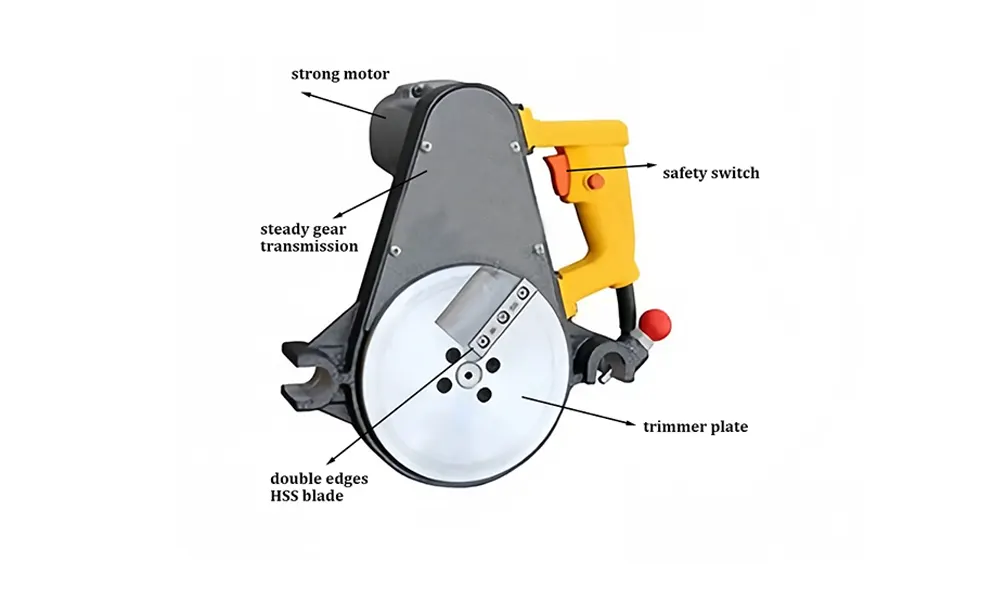
While sensors and controllers can be replaced individually, a physically warped or deeply scratched heating plate body is a terminal fault. If the aluminum plate is no longer flat, it cannot transfer uniform pressure to the pipe ends, leading to misalignment in hydraulic and manual carriage systems. Continuing to use a deformed plate will damage the machine’s facer blade and clamps. As a professional manufacturer specializing in HDPE pipe welding machines, JQ-Fusion emphasizes that the cost of a new plate is negligible compared to the catastrophic cost of a buried pipeline failure.
By systematically addressing temperature accuracy, surface cleanliness, and mechanical integrity, your butt fusion heating plate troubleshooting efforts will significantly elevate your first-time pass rate for joint integrity tests, keeping your project both on schedule and within code.