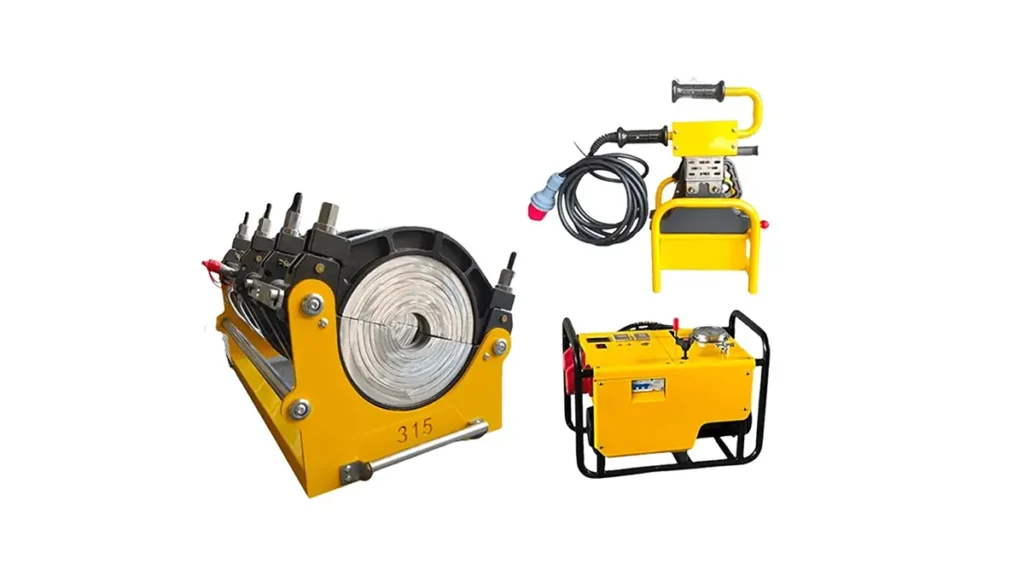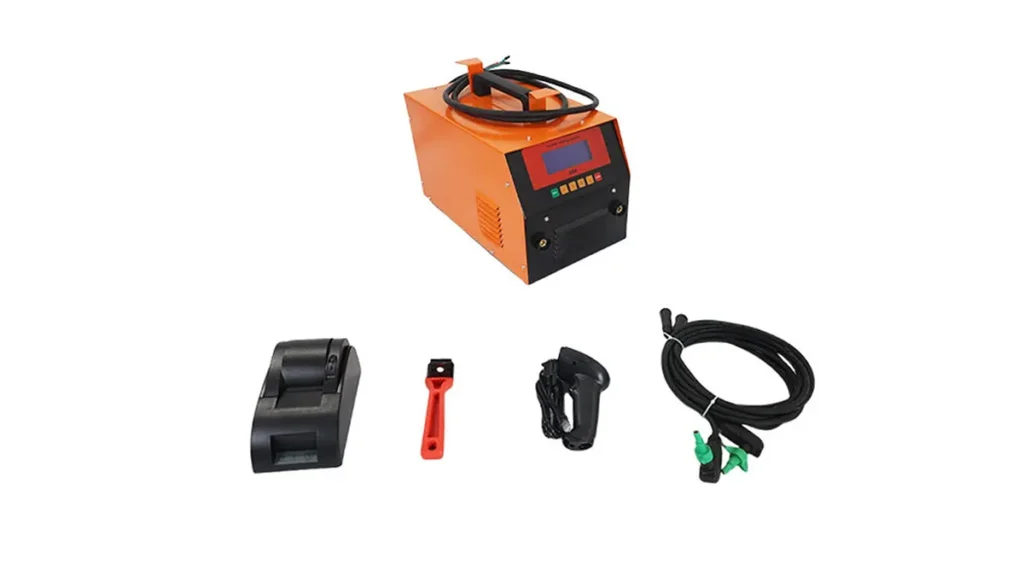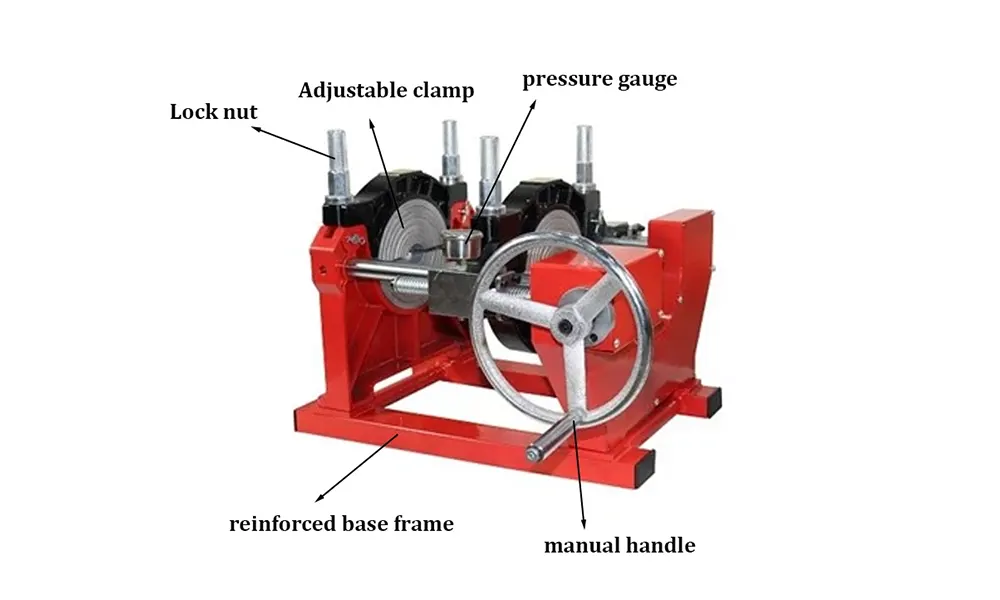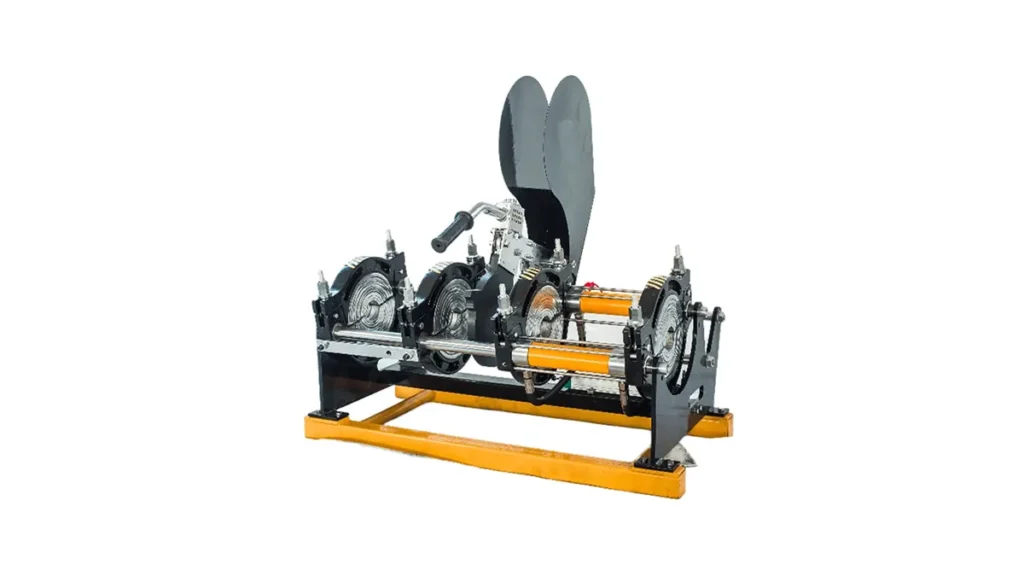
The heating plate is one of the most critical components in any HDPE butt fusion welding machine. It is responsible for melting the pipe ends to the correct temperature before the fusion process begins. When the heating plate malfunctions, the entire welding operation can be compromised, leading to weak joints, costly rework, and potential pipeline failures. Understanding the root causes of HDPE pipe welding machine heating plate problems is essential for every contractor and project manager working with polyethylene piping systems.
Common Heating Plate Problems and Their Root Causes
Heating plate issues can manifest in several ways during the PE butt fusion process. Recognizing these symptoms early can save significant time and material costs on the job site. Below are the most frequently encountered problems:
- Uneven surface temperature distribution — Hot or cold spots on the plate surface lead to inconsistent melting of pipe ends, resulting in poor fusion quality and reduced joint strength.
- Temperature controller failure — A malfunctioning thermostat or digital controller may cause the heating plate to overheat or fail to reach the required welding temperature, which is typically between 200°C and 230°C for HDPE materials.
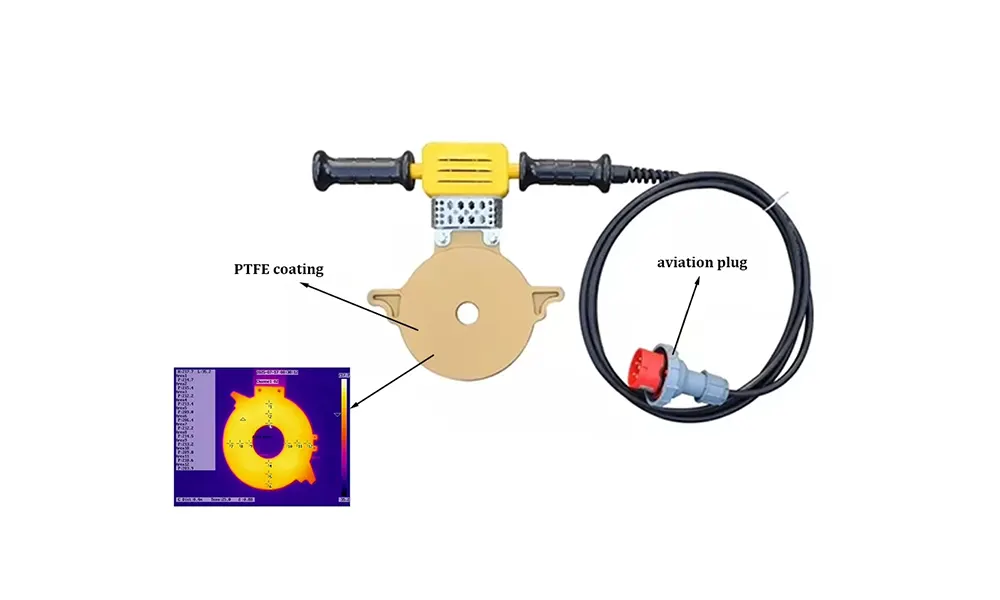
- Non-stick coating damage — The PTFE (Teflon) coating on the heating plate surface can wear off, crack, or peel over time. This allows molten polyethylene to stick to the plate, making it difficult to clean and causing contamination between welds.
- Electrical connection faults — Loose wiring, damaged power cords, or faulty connectors can interrupt the power supply to the heating element, leading to intermittent heating or complete failure.
- Physical warping or deformation — Exposure to mechanical shock, improper storage, or prolonged overheating can cause the aluminum plate body to warp, preventing uniform contact with pipe ends during the heating cycle.
Why Heating Plate Problems Occur
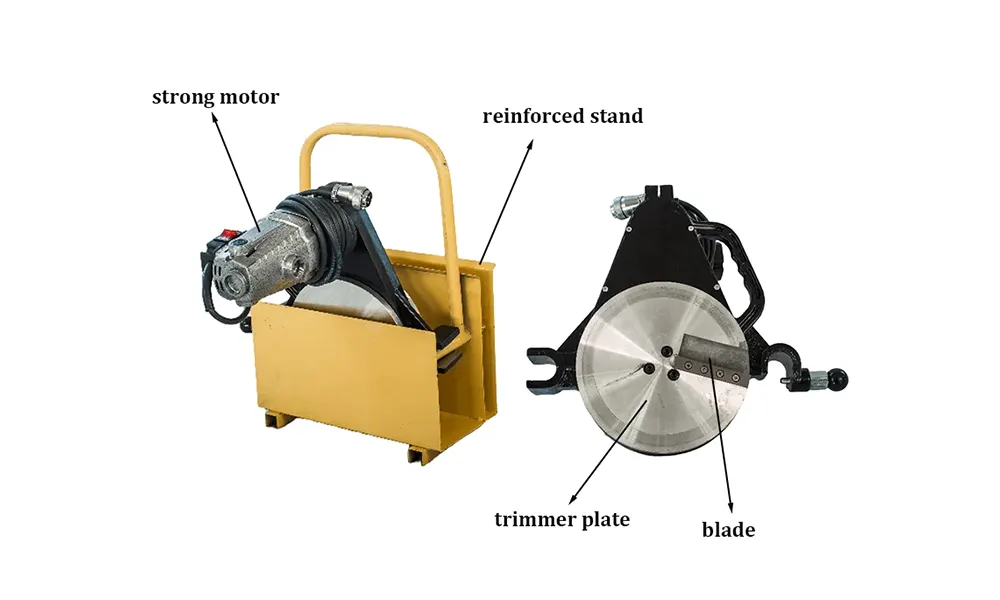
Many HDPE pipe welding machine heating plate problems stem from a combination of operational errors and environmental factors. In field operations, dust, moisture, and extreme ambient temperatures can all affect heating plate performance. Additionally, using the machine beyond its rated duty cycle without allowing adequate cooling intervals can accelerate wear on internal heating elements. Operators who neglect proper cleaning procedures between welds may also inadvertently damage the non-stick surface, compounding the problem over time.
Diagnosing Heating Plate Issues in Your Welding Machine
Before attempting any repairs, a systematic diagnostic approach is recommended. Use a calibrated infrared thermometer or surface thermocouple to measure the actual plate temperature at multiple points across the heating surface. Compare these readings against the machine’s set temperature. A deviation of more than ±5°C indicates a potential problem that requires attention. Also inspect the plate surface visually under good lighting for signs of coating damage, scratches, or embedded debris.
| Problem Symptom | Likely Cause | Recommended Action |
|---|---|---|
| Temperature fluctuates widely | Faulty thermostat or sensor | Replace temperature controller; recalibrate |
| PE material sticks to plate | Worn PTFE non-stick coating | Re-coat or replace heating plate |
| Plate does not heat at all | Electrical connection or element failure | Check wiring, fuses, and heating element continuity |
| Uneven melt bead formation | Warped plate or uneven surface contact | Inspect plate flatness; replace if deformed |
| Slow heat-up time | Degraded heating element or low voltage | Test power supply; inspect element resistance |
Effective Solutions for Heating Plate Problems
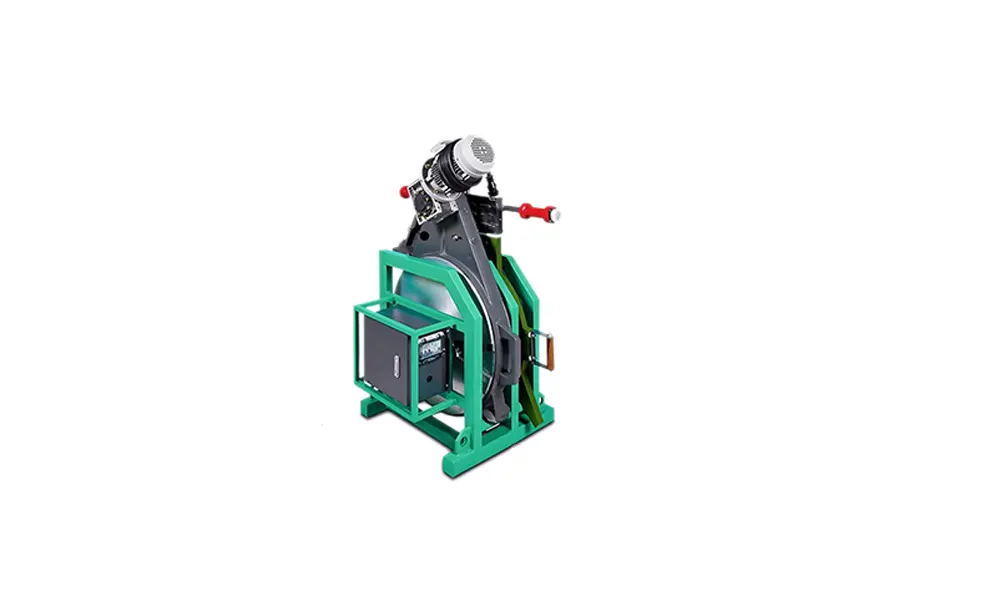
Addressing HDPE pipe welding machine heating plate problems requires a combination of immediate corrective actions and longer-term preventive strategies. The following solutions have proven effective across a wide range of butt fusion applications:
- Recalibrate the temperature control system — Use a certified temperature calibration device to verify and adjust the controller settings. This should be part of your routine quality assurance program and is recommended by PE butt fusion equipment standards such as ISO 12176-1.
- Clean the plate surface properly after each use — Use a clean, lint-free cloth while the plate is still warm (not hot) to wipe away any residue. Avoid metal scrapers or abrasive tools that can scratch the non-stick coating. For stubborn residue, use a wooden or plastic scraper designed specifically for PTFE surfaces.
- Replace damaged heating elements — If the heating element has failed or is drawing incorrect current, replacement is the only reliable solution. Always use OEM-specified heating elements that match the original wattage and voltage ratings of your hydraulic butt fusion welding machine.
- Apply professional PTFE recoating — When the non-stick surface shows signs of wear but the aluminum plate body is still in good condition, professional recoating services can restore functionality at a fraction of the cost of a new plate.
- Replace the complete heating plate assembly — For severely warped plates or those with multiple issues, full replacement ensures reliable performance and compliance with ASTM F2620 heat fusion requirements.
Preventive Maintenance Tips for Extended Heating Plate Life
Proactive maintenance is the most cost-effective way to minimize HDPE pipe welding machine heating plate problems. JQ-Fusion, a professional manufacturer specializing in HDPE pipe welding machines, recommends the following maintenance practices based on years of industry experience supporting global infrastructure projects:
- Inspect the plate before each work shift — Check for visible damage, coating integrity, and any signs of contamination. A quick visual inspection takes only minutes and can prevent hours of rework.
- Store the heating plate in a clean, dry environment — When not in use, keep the plate in its protective case or a dedicated storage area. Moisture and dust are primary contributors to electrical faults and surface degradation.
- Monitor temperature accuracy monthly — Use a calibrated thermometer to verify that the actual plate temperature matches the setpoint. Document these readings as part of your equipment log.
- Avoid mechanical shock — Never drop the heating plate or use it as a tool for prying or aligning pipes. The aluminum body can warp from impact, and ceramic heating elements are brittle.
- Replace worn power cords and connectors promptly — Damaged electrical components not only pose safety risks but can also cause voltage drops that affect heating performance.
- Follow the manufacturer’s duty cycle recommendations — Allow the heating plate adequate time to stabilize between welds, especially during continuous operation on large-diameter pipe projects.
When to Replace Your Heating Plate
Even with excellent maintenance, heating plates have a finite service life. Knowing when to replace rather than repair is an important skill for welding operators. Consider replacement when any of the following conditions are present:
- The PTFE coating is extensively damaged or peeling over more than 20% of the working surface area.
- The aluminum plate body shows visible warping or fails a flatness check using a straightedge.
- Temperature deviation exceeds ±10°C across the plate surface and cannot be corrected through recalibration.
- The heating element has failed and replacement parts are no longer available for that specific model.
- The plate has been in service for more than the manufacturer’s recommended lifespan, typically 3-5 years under regular use.
Investing in a high-quality replacement heating plate from a reputable source ensures continued compliance with industry standards and reliable fusion joint integrity. For more information on selecting the right heating plate for your equipment, visit our butt fusion welding machine support page.
Key Takeaways for Reliable Heating Plate Performance
Maintaining your heating plate in optimal condition is not complicated, but it does require consistency and attention to detail. By implementing a structured inspection routine, using proper cleaning techniques, and addressing small issues before they escalate, you can significantly reduce downtime caused by HDPE pipe welding machine heating plate problems. Remember that the quality of every butt fusion joint begins with a properly functioning heating plate — it is the foundation upon which strong, leak-free pipeline systems are built.