Understanding HDPE Butt Fusion Cycle Time
Achieving a reliable, leak-free joint in high-density polyethylene piping relies on mastering the HDPE butt fusion cycle time. This window encompasses the critical heating, heat soak, heater plate removal, and cooling stages. Cutting any of these phases short to meet a deadline will almost certainly result in a weak fusion joint, leading to costly repairs or catastrophic pipeline failure down the line. Whether you are working on municipal water, gas distribution, or industrial slurry lines, respecting the precise fusion timeline ensures the molecular integrity of the weld.
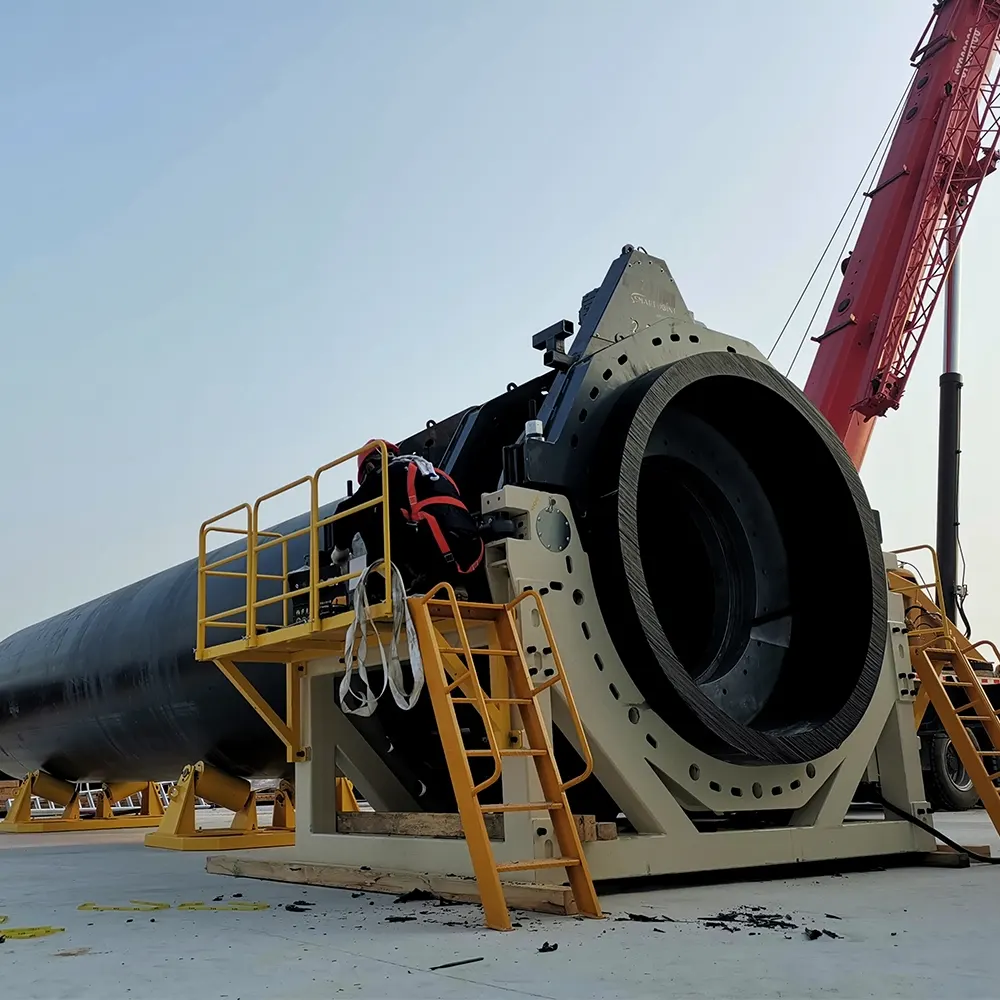
Core Stages of the Butt Fusion Cycle
The total HDPE butt fusion cycle time is not just a single number; it’s a sequence of tightly controlled phases. The process is standardized globally by procedures like ISO 21307 butt fusion procedures, which outline three essential pressure profiles. Understanding these stages helps operators avoid the common pitfall of miscalculating the necessary job time.
- Bead-Up / Initial Heating Phase: The pipe ends are pressed against the heater plate under specified interfacial pressure to form a uniform melt bead.
- Heat Soak Phase: The pressure is reduced to nearly zero (drag pressure) while the heat penetrates deeper into the pipe wall. This duration is heavily dependent on the wall thickness.
- Heater Plate Removal (Dwell Time): The time required to separate the pipe from the plate, remove the plate briskly, and bring the molten ends together. This must be executed quickly to prevent cooling contamination, and is a maximum allowed time, not a target.
- Fusion / Cooling Phase: The molten ends are joined under increased pressure. This pressure must be maintained throughout the full cooling time before any clamping force is released or pressure testing occurs.
Decoding Heating and Heat Soak Durations
The heating process is the foundation of HDPE butt fusion cycle time calculation. While the heater plate surface temperature is typically set between 200°C and 230°C (392°F – 446°F), the actual time the pipe stays in contact with the tool is dictated by the nominal wall thickness. According to industry best practices and PPI butt fusion procedure guidelines, the heating sequence is non-negotiable.
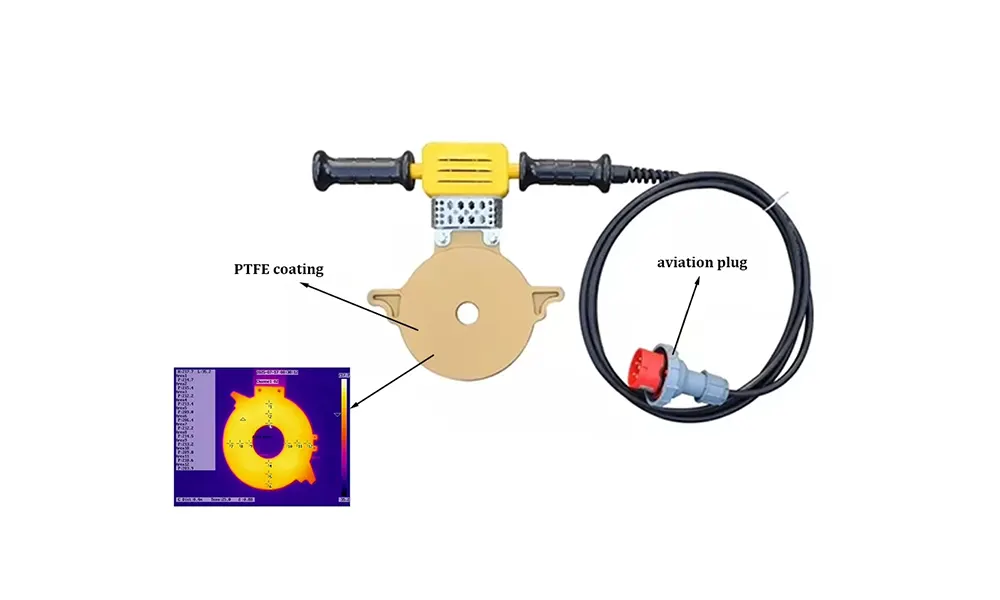
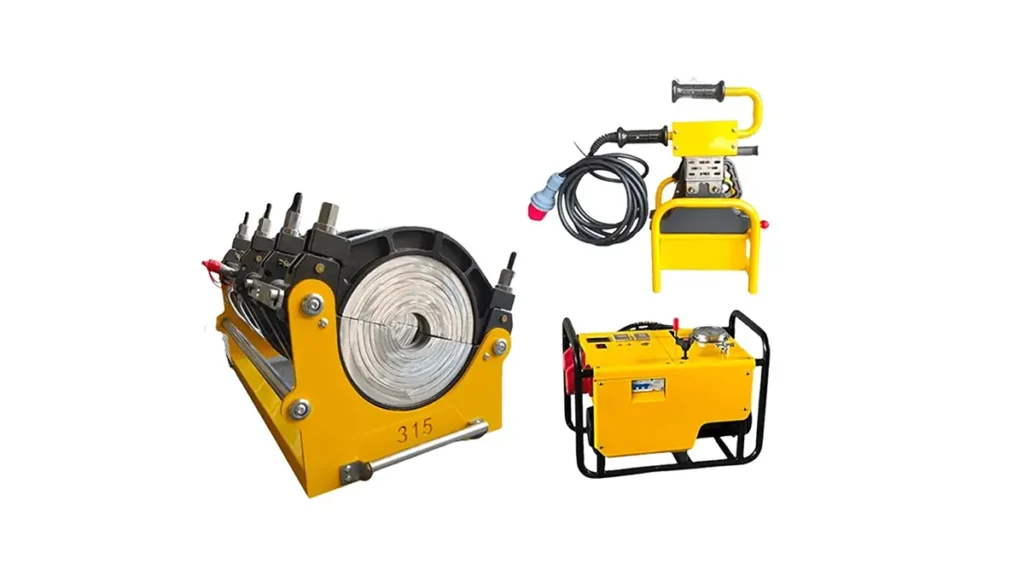
For a standard PE100 pipe with a wall thickness of 30mm, the initial bead-up pressure typically lasts until a bead of specified height forms around the circumference. The subsequent heat soak phase could last around 150 to 200 seconds. If you are using a hydraulic butt fusion welding machine, the precision of the pressure control system ensures that the bead-up stage transitions smoothly into the heat soak without manual fluctuation, which is critical for high-stress gas pipe installations. A common error is overheating the pipe by extending the soak time far beyond the standard temperature window, effectively degrading the polymer instead of strengthening it.
Typical Cycle Time Reference for PE100 Pipe
| Pipe Diameter (OD mm) | SDR Rating | Wall Thickness (Approx. mm) | Heat Soak Time (seconds) | Cooling Time (minutes) |
|---|---|---|---|---|
| 90mm | SDR 11 | 8.2mm | 50 – 70s | 4 – 5 min |
| 200mm | SDR 17 | 11.8mm | 80 – 90s | 6 – 8 min |
| 450mm | SDR 17 | 26.5mm | 150 – 180s | 15 – 18 min |
| 800mm | SDR 11 | 72.7mm | 360 – 390s | 40+ min |
Note: These values are typical estimates. Always refer to the specific machine manual and the pipe manufacturer’s written procedure.
Cooling Time: The Unskippable Step
Cooling is arguably the longest and most critical segment of the HDPE butt fusion cycle time. The fusion area must return to ambient or near-ambient temperature while still under full fusion pressure. Removing the machine clamps too early allows residual stresses to pull the molten material apart. This separation, often invisible on the surface, creates a brittle joint.
Factors That Influence Cooling Rates
While standard charts provide baseline cooling minutes, field conditions alter the required cycle time. Direct sunlight heats one side of a large diameter pipe unequally, causing thermal expansion differences. Wind chill dramatically accelerates surface cooling, creating a temperature gradient that traps heat in the core while the exterior hardens. In sub-zero environments, a tented and heated workspace is non-negotiable. Additionally, the mass of the pipe matters; a 1200mm SDR 11 pipe will retain heat significantly longer than a 1200mm SDR 26 thin-wall pipe, necessitating a longer cooling cycle for the thicker wall despite the same outer diameter.
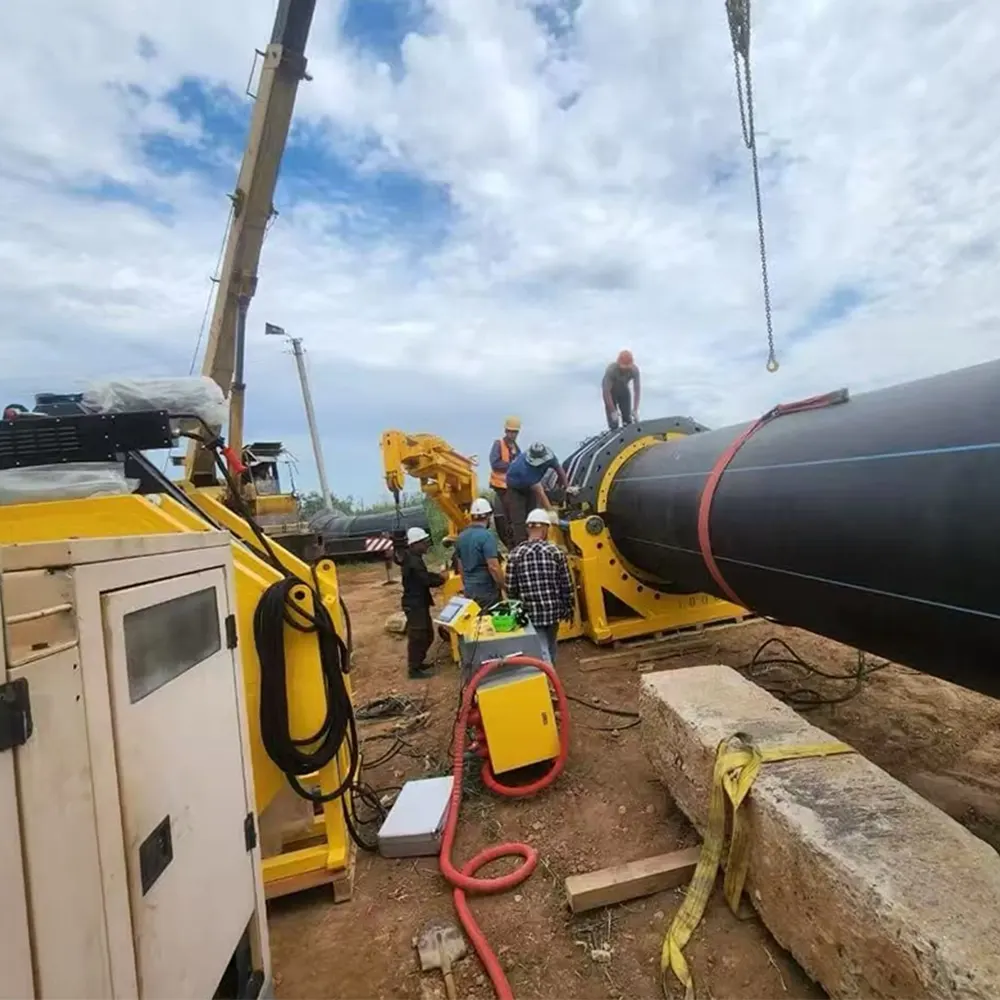
To verify completion, operators often use a certified pyrometer to confirm the weld bead surface temperature has dropped sufficiently, usually below 50°C (122°F), before removing the CNC automatic butt fusion machine clamps. Modern data-logging machines record these temperature curves, providing traceable evidence that the full cycle time was respected for projects following PE pipe fusion standards.
Optimizing the Dwell Time with Automation
The transition phase (dwell time) between heat removal and fusion is the moment where operator skill is most tested. This window is calculated based on wall thickness, and if it exceeds the maximum allowed, the pipe ends must be cut and re-faced. Manual operators need rigorous training to execute this briskly without slamming the pipes together, which can cause a hydraulic ram effect and push molten material from the weld zone.
Why CNC Automation Wins on Consistency
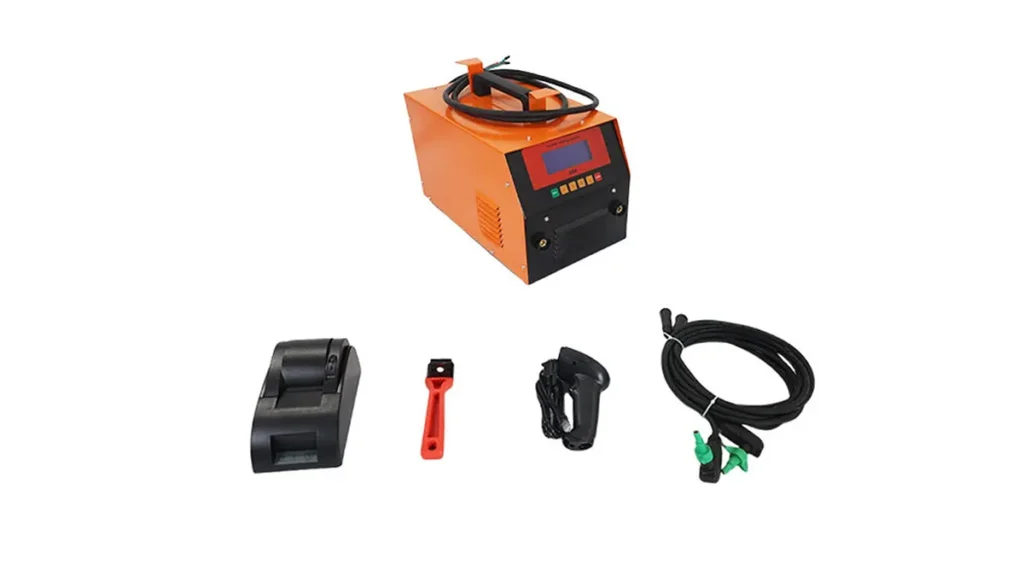
High-stakes projects, especially those testing to ASTM F2620 heat fusion requirements, benefit immensely from automatic machines. These units mechanically control the heater movement and pipe engagement velocity. By removing human reaction time variance, they consistently hit the exact dwell window. This not only preserves cycle time integrity but also ensures every joint on a 5km pipeline has identical volumetric displacement of the melt bead, essential for achieving a 100% pass rate on destructive testing.
Machine Accuracy and Its Impact on Cycle Time
Even a perfectly timed cycle will fail if the machine is mechanically flawed. Misaligned clamps create high spots that burn during heating. A worn-out heater plate with cold spots cannot transfer heat uniformly, forcing operators to over-soak to compensate. Before starting any timing calculations, crews must verify the machine’s integrity. The heating plate’s surface temperature should be checked across multiple points, and clamp inserts must be clean and free of warping.
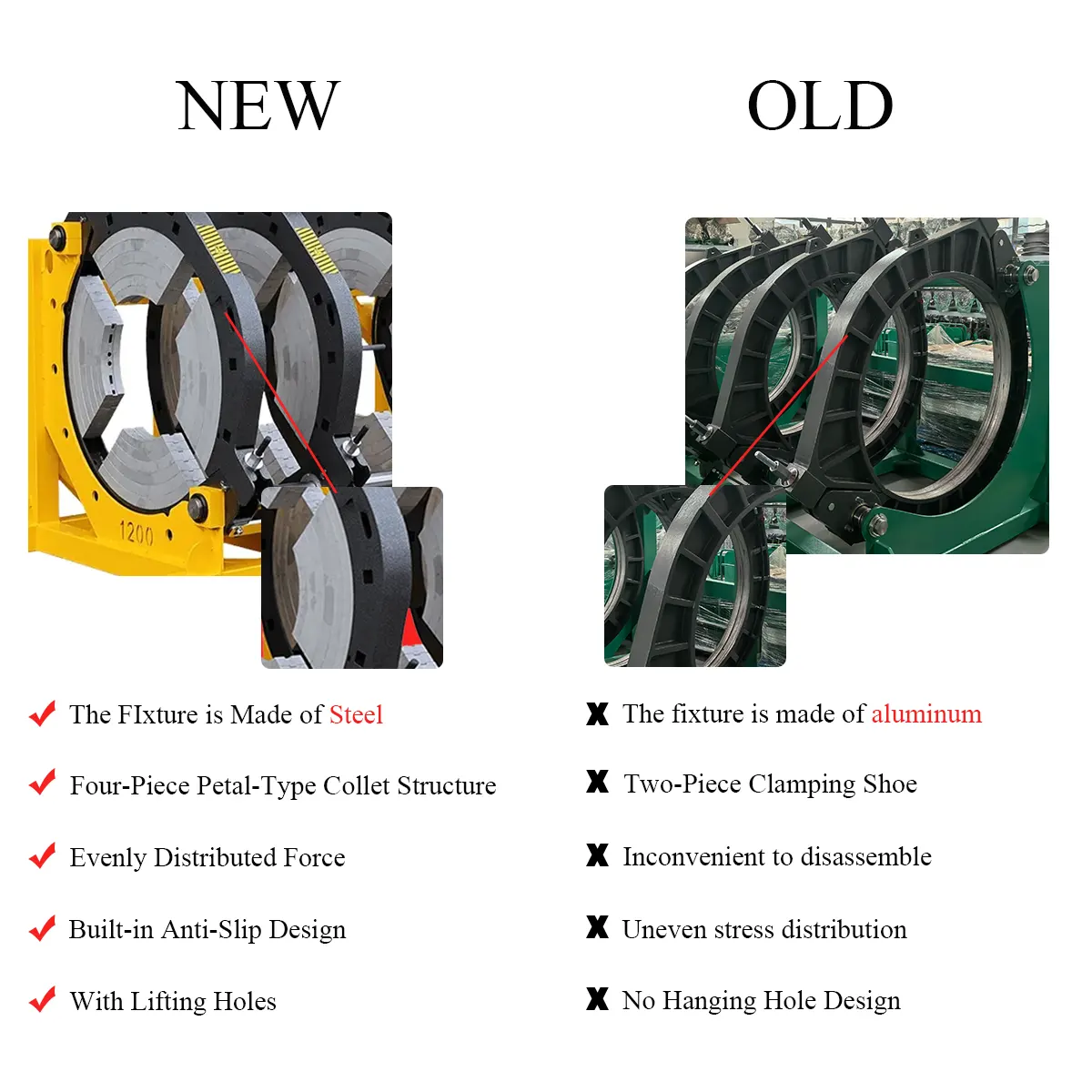
JQ-Fusion is a professional manufacturer specializing in HDPE pipe welding machines, providing reliable butt fusion solutions for global infrastructure projects. The accuracy of the clamps and the temperature stability of the plate are fundamental to optimizing the HDPE butt fusion cycle time. Regardless of the brand, ensure your equipment is calibrated. A temperature deviation of just 5°C affects the polymer’s melt flow rate, altering your required time and potentially voiding the pipe warranty.
Field Realities: Weather and Parameter Adjustments
Chart-based cycle times often assume an ambient temperature of around 20°C (68°F) and still air. In reality, most pipelines are built in far harsher conditions. Here is how you must adapt:
- Hot Weather (Above 35°C / 95°F): The cooling time must be extended. The thermal mass of thick pipes may require waiting hours before pressure testing. Additionally, the bead-up time is often shortened to prevent excessive molten squeeze-out.
- Cold Weather (Below 0°C / 32°F): Pipe ends should be warmed before facing. The heater removal time must be executed faster, and cooling times might need to be doubled depending on the wind shield setup.
- Windy Conditions: Any draft across the heater plate during heat soak will cause a gradient. Using full-enclosure wind shields is not optional; it is a requirement to stop the cycle time from being invalidated by differential cooling.
The Cost of Rushing the Cool
Impatience during the final cooling stage is the most frequent cause of fusion failure. Removing the machine immediately after the bed solidifies, but before the core has contracted and stabilized, introduces a specific failure mode known as a “cold pull.” The joint may look visually acceptable externally, but when subjected to a bend test or internal pressure surge, it separates cleanly from the fusion plane. The total HDPE butt fusion cycle time represents a small fraction of the pipeline’s operational lifespan, and a few extra minutes of cooling is the cheapest insurance against a multi-million dollar excavation and liability claim.