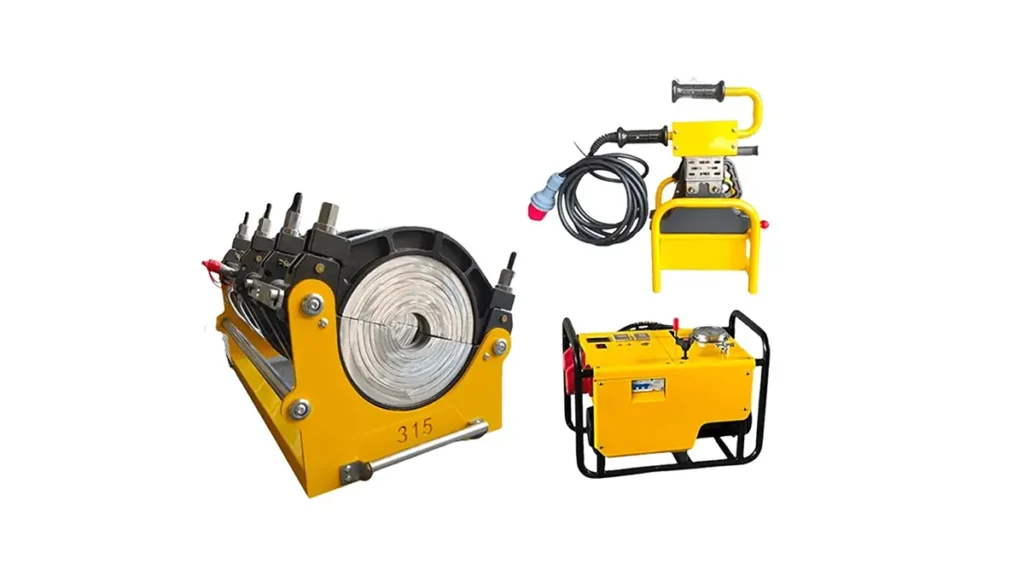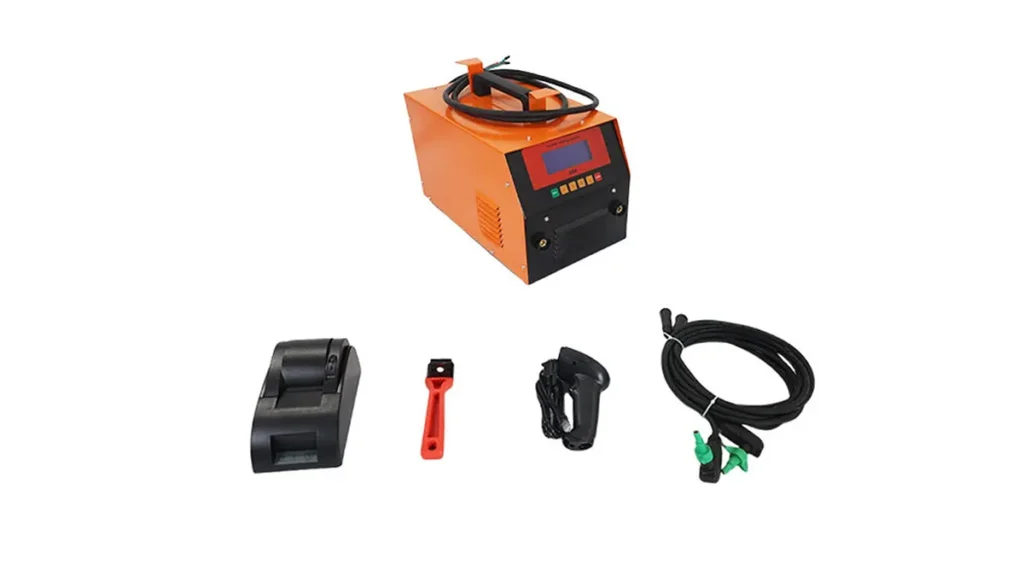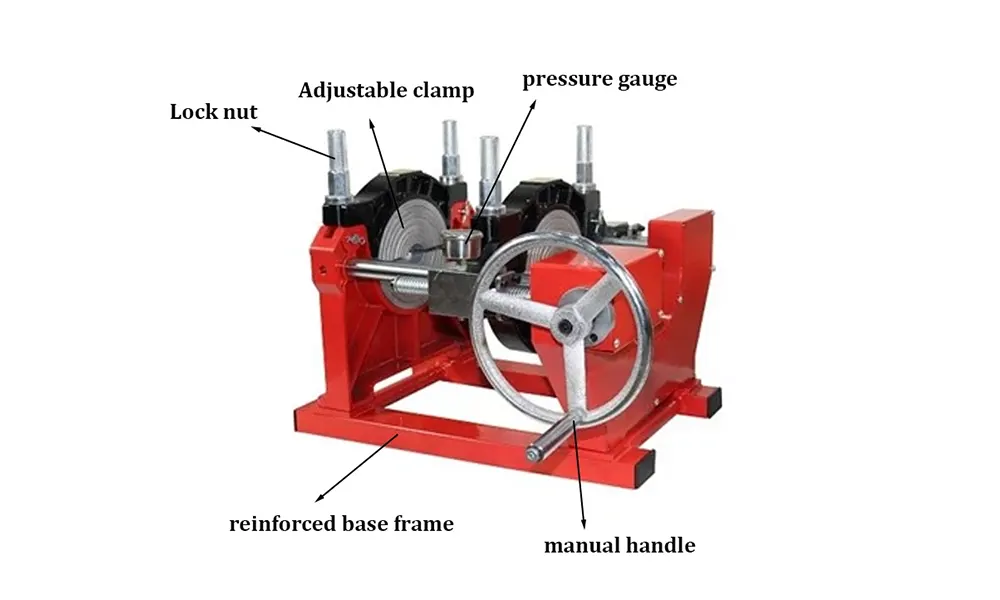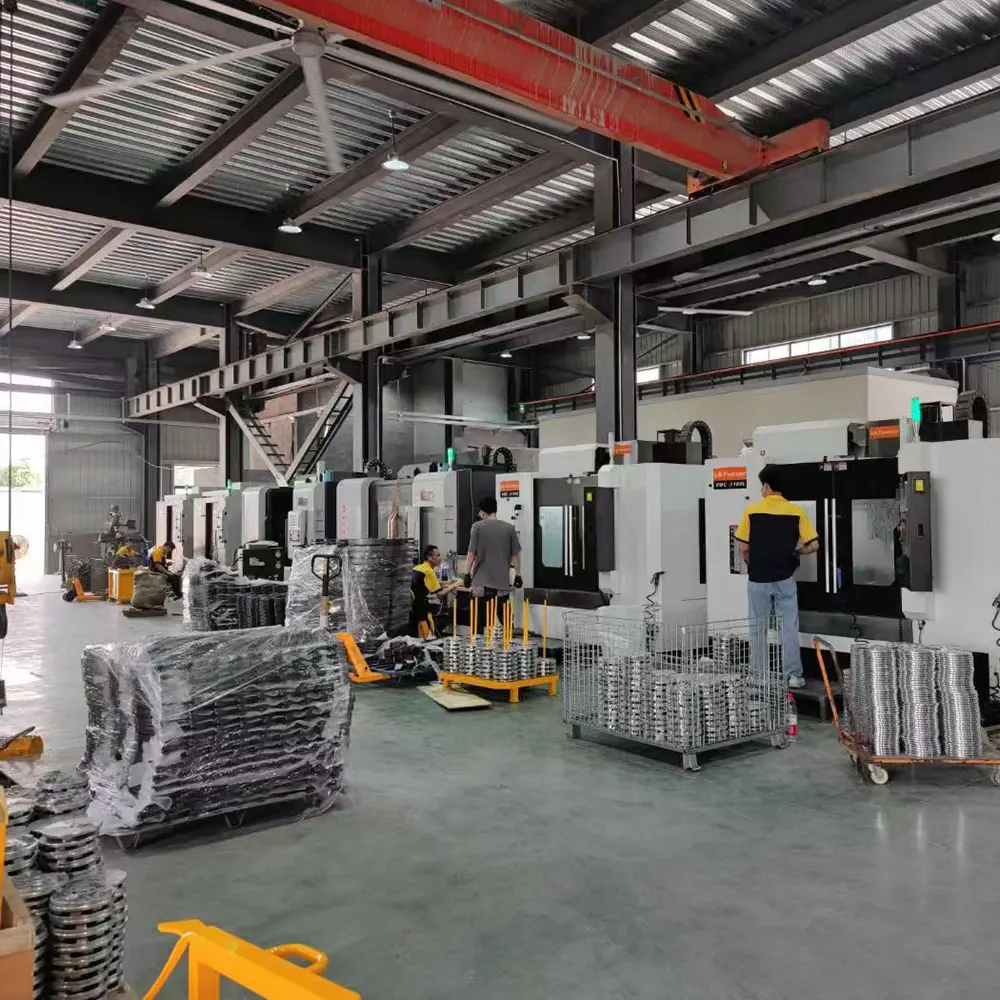
The landscape of pipeline construction is changing rapidly. For contractors and project managers handling critical infrastructure in water supply, gas distribution, and industrial sectors, the shift toward digitalization is no longer a luxury—it is a necessity. HDPE welding machine remote monitoring stands at the forefront of this transformation, bridging the gap between field operations and back-office intelligence. By integrating smart sensors and cloud connectivity into the fusion process, teams can now oversee joint quality, machine diagnostics, and operator performance from anywhere in the world in real time.
Why Traditional Welding Supervision Falls Short
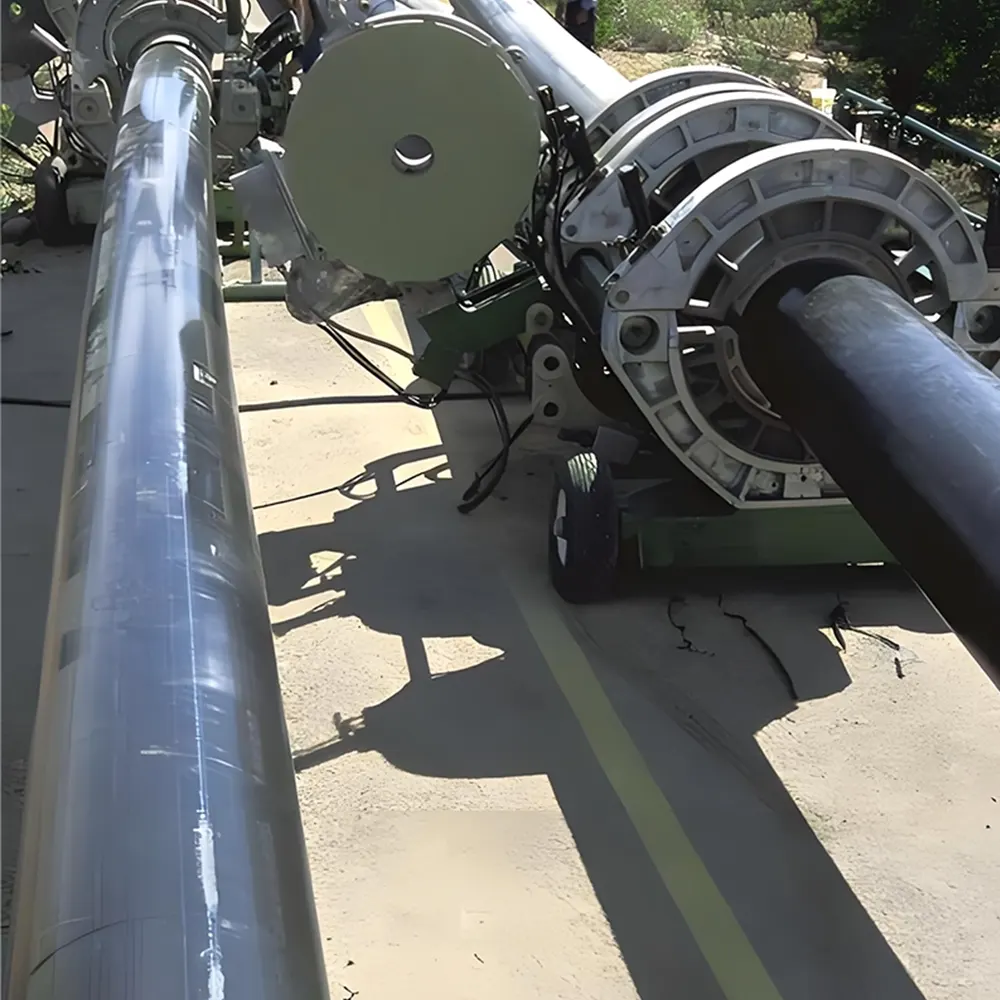
For decades, quality control in HDPE pipe welding relied heavily on manual oversight. Supervisors had to be physically present to check parameters like temperature, pressure, and alignment. This method is not only time-consuming but also prone to human error. A slight deviation in the heating phase or a misalignment during the cool-down cycle can compromise the integrity of the entire joint. Without digital records, tracing the root cause of a failure becomes a tedious investigation project. The absence of HDPE welding machine remote monitoring often leads to inconsistent weld quality and unnecessary rework costs.
Unpacking the Core Benefits of Remote Monitoring
Implementing a robust remote monitoring system transforms how you manage pipeline projects. The advantages extend far beyond simple data logging. Here is how your operations stand to benefit:
- Real-Time Quality Assurance: Instantly receive alerts if welding parameters drift outside ISO 21307 butt fusion procedures. This immediate feedback allows operators to stop the joint before it fails, saving materials and time.
- Enhanced Operator Accountability: Every weld record is timestamped and linked to a specific operator and machine. This data-driven approach fosters a culture of precision and helps identify training needs quickly.
- Predictive Maintenance: The system continuously monitors machine health, from hydraulic oil temperature to heating plate wear. By predicting failures before they occur, you eliminate unplanned downtime on the job site.
- Global Project Management: Whether you are managing a single site or multiple international projects, a centralized dashboard gives you a bird’s-eye view of productivity and weld integrity across all active butt fusion operations.
Essential Features of a Modern Monitoring Platform
Not all digital tools are created equal. When evaluating technology for your fleet, it is critical to look for specific features that drive real value in the field. A comprehensive HDPE welding machine remote monitoring solution should include the following capabilities:
| Feature | Functionality |
|---|---|
| GPS Tracking | Locates machines across job sites to prevent theft and optimize logistics. |
| Cloud Data Logging | Automatically uploads and stores jointing reports, ensuring compliance with ASTM F2620 heat fusion standards. |
| Cycle Analysis | Digitally graphs the pressure and temperature profile of every weld cycle for forensic analysis. |
| Remote Diagnostics | Allows service technicians to troubleshoot machine errors without traveling to the remote location. |
How the Technology Works Step-by-Step
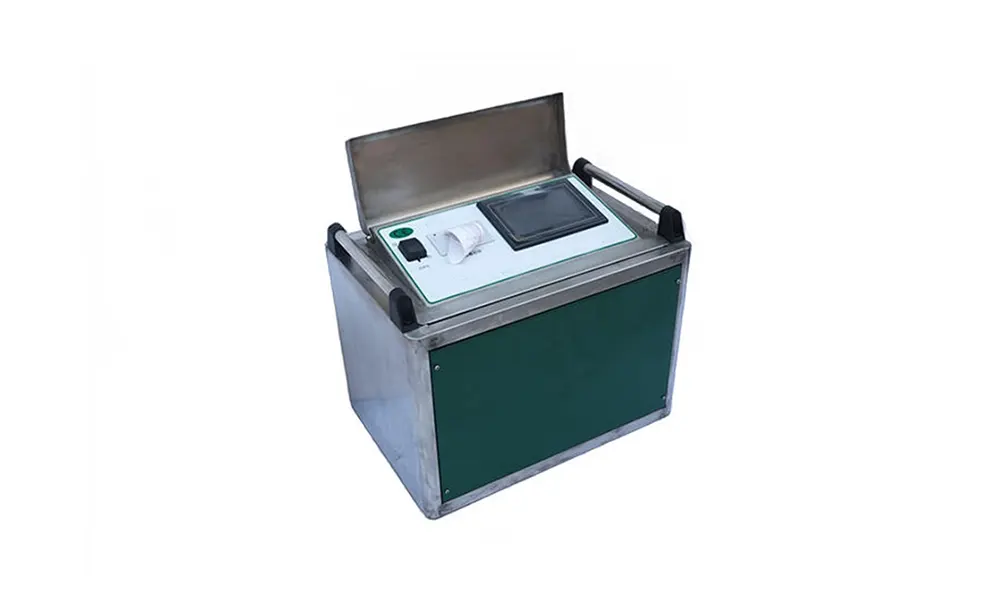
Understanding the technical flow of data demystifies the system and highlights its reliability. The process is seamless, turning analog mechanical actions into digital insights. Here is the typical workflow for a HDPE welding machine remote monitoring setup on a CNC automatic machine:
- Data Capture: Precision sensors embedded in the welding machine measure critical parameters such as drag pressure, soak time, and ambient temperature.
- Onboard Processing: The machine’s control unit logs the data and compares it against pre-approved welding protocols based on PE butt fusion equipment standard guidelines.
- Cloud Transmission: Via integrated 4G or Wi-Fi modules, the encrypted data packet is sent to a secure cloud server immediately after the weld cycle completes.
- User Interface: Project managers log into a web portal or mobile app to view live dashboards, generate PDF reports, and review the history of every joint.
Combining Hydraulic Power with Digital Precision
While data is the brain, the hydraulic system remains the muscle. The synergy between heavy-duty hardware and smart software is where the true magic happens. High-tonnage hydraulic systems must execute commands with micron-level accuracy. When the monitoring software detects that a pipe is slipping in the clamps or the hydraulic pressure is dropping, it can automatically pause the cycle. This prevents catastrophic failures in large-diameter applications, where a single flawed joint can have significant environmental and financial repercussions.
Overcoming Data Security and Connectivity Concerns
A common hesitation regarding cloud-based systems is the security of sensitive infrastructure data. Modern HDPE welding machine remote monitoring providers combat this with enterprise-grade security measures. Look for systems that offer:
- End-to-end AES-256 encryption.
- Two-factor authentication (2FA) for user accounts.
- Local backup storage in case of temporary network loss.
- Compliance with regional data sovereignty laws.
These safeguards ensure that your proprietary project information remains confidential and protected from cyber threats.
Optimizing the Supply Chain with Live Inventory Data
The benefits of digital connectivity do not stop at the weld joint. They extend into the logistics chain. By monitoring machine usage patterns, suppliers can anticipate when distributors need new heating plates or trimmer blades. This proactive service model is only possible when machines are connected. It transforms the manufacturer-distributor relationship from transactional to collaborative, ensuring that critical spare parts are always on hand.
Selecting the Right Partner for Connected Solutions
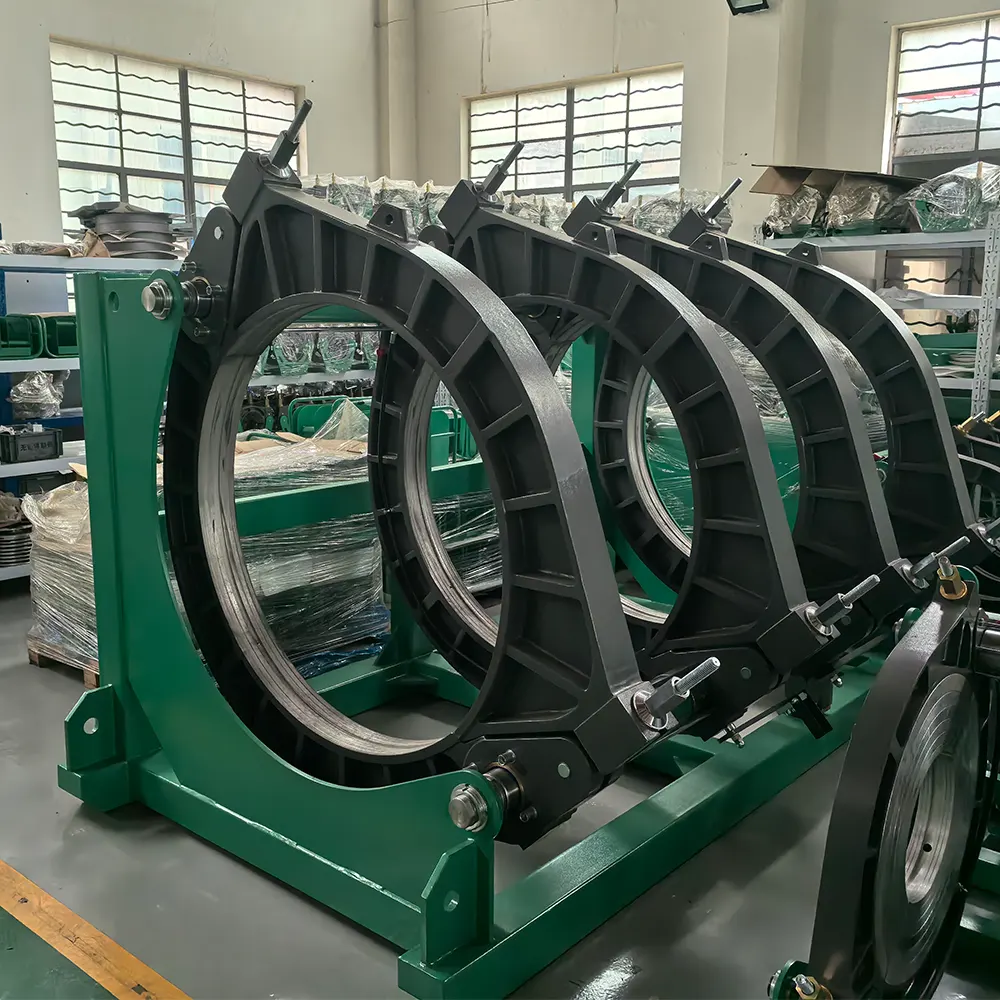
When investing in digitized equipment, the manufacturer’s expertise is just as vital as the technology itself. JQ-Fusion focuses on developing advanced pipe welding solutions that are ready for the connected age, but the general principles of evaluating a supplier remain universal. You should seek out a partner who understands the nuances of both the hardware and the software. Verify that their machines are rigorously tested for temperature accuracy and clamp alignment. Furthermore, ensure they offer fast global support to keep your HDPE welding machine remote monitoring network online 24/7, regardless of project location. The goal is to achieve a seamless integration of precise mechanical engineering and intelligent data analytics to deliver consistent, high-quality welds every time.
| Traditional Setup | Remote Monitoring Setup |
|---|---|
| Paper log sheets filed manually | Automatic PDF generation and cloud storage |
| Physical inspection of every joint | Real-time validation via dashboards |
| Reactive machine maintenance | Predictive alerts and diagnostics |
Key Takeaways for Project Managers
To future-proof your pipeline operations, consider the scalability of your equipment. Even if you are currently using manual machines, planning for a transition to HDPE welding machine remote monitoring can dramatically reduce long-term operational costs. The immediate access to PPI butt fusion procedure data not only improves quality but also builds trust with engineering firms and government regulators. By digitizing the jointing process, you are securing a competitive advantage in a market that increasingly demands documented traceability and proof of compliance.