When working with high-density polyethylene (HDPE) piping systems, the Standard Dimension Ratio (SDR) is a critical factor that directly influences wall thickness and pressure rating. Specifically, SDR11 represents a common classification for pipes designed to handle higher pressure applications in water, gas, and industrial infrastructure. Achieving a reliable, leak-free joint on HDPE pipe welding SDR11 requires a precise understanding of butt fusion techniques, the correct selection of equipment, and strict adherence to proven procedures.
Understanding SDR11 in Relation to HDPE Welding
The Standard Dimension Ratio is the ratio of the nominal outside diameter to the minimum wall thickness. An SDR11 pipe has a thicker wall compared to SDR17 or SDR21, which means it can withstand a higher pressure rating at a given diameter. For welding operators, this thickness is particularly important. The thicker wall of an HDPE pipe welding SDR11 system directly impacts the heating soak time, the cool-down period, and the formation of a uniform melt bead during the butt fusion joining process. Incorrectly calculating these variables often leads to cold fusion joints or excessive bead rollback, compromising the integrity of the entire pipeline.
Primary Welding Methods for SDR11 HDPE Pipes
While several joining technologies exist, ISO 21307 butt fusion procedures define the gold standard for pressure-critical SDR11 applications. The two most effective methods are:
- Butt Fusion Welding: The most widely used technique for pipes with an SDR11 rating, especially in straight runs. It heats the pipe ends on a planar heating plate and forces them together under controlled hydraulic pressure. This creates a homogenous joint that is often stronger than the pipe itself.
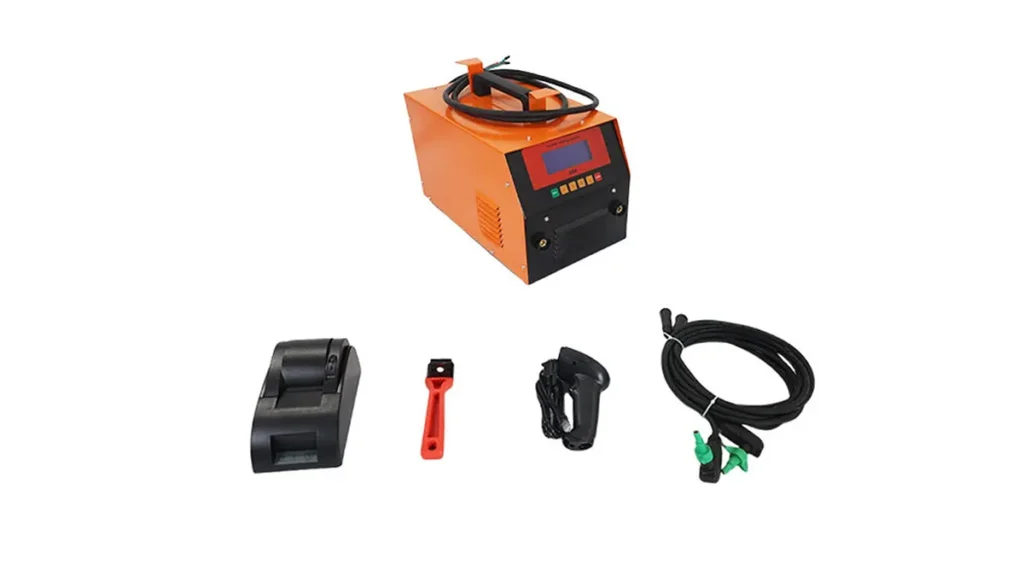
- Electrofusion: Used extensively for tight repairs or tie-ins, electrofusion couplings have built-in heating coils that melt the interface. For HDPE pipe welding SDR11, electrofusion is excellent for fittings and confined spaces, though it is generally more expensive per joint than butt fusion for large diameters.
Essential Equipment Configuration for SDR11 Welding
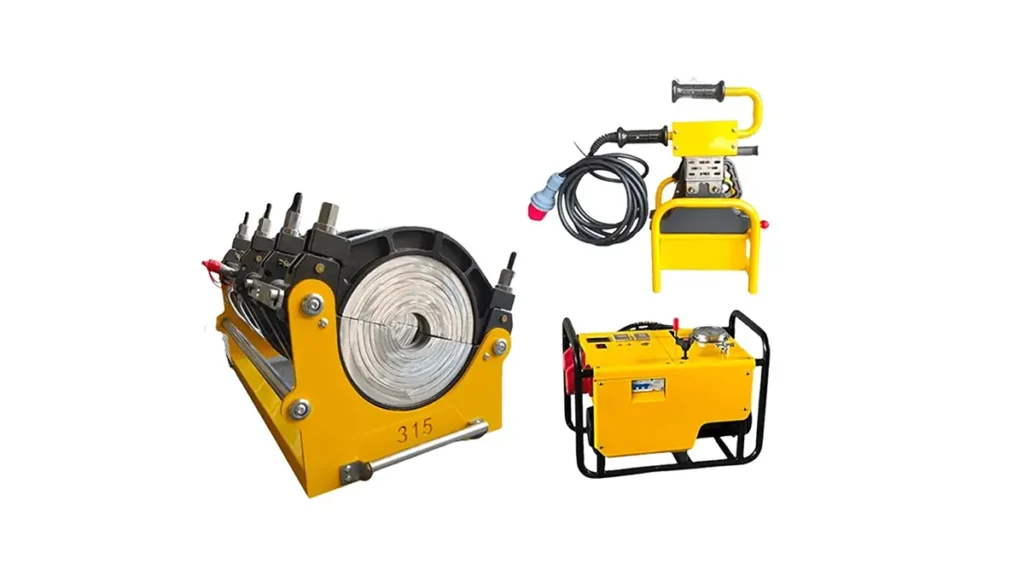
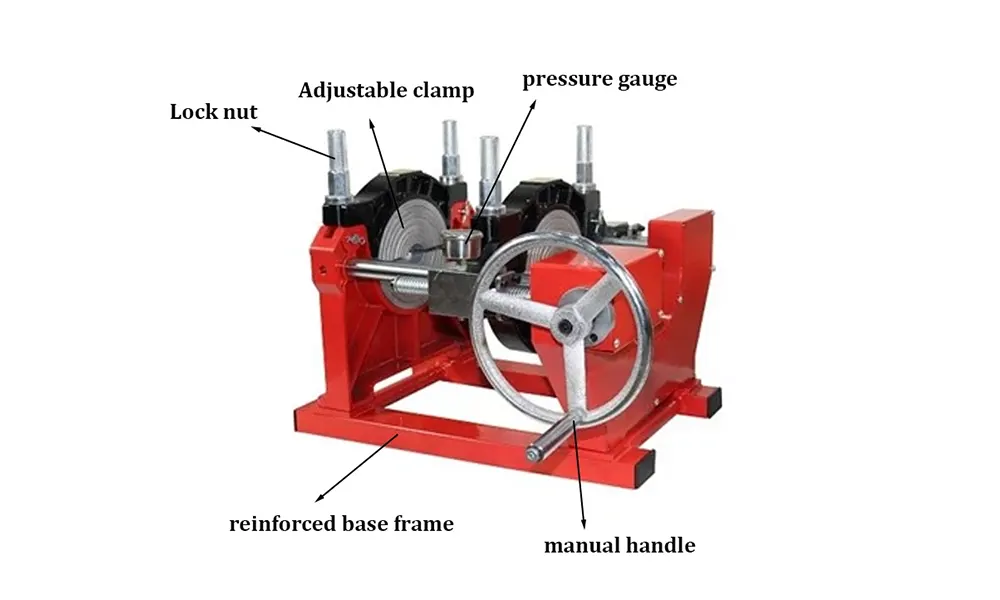
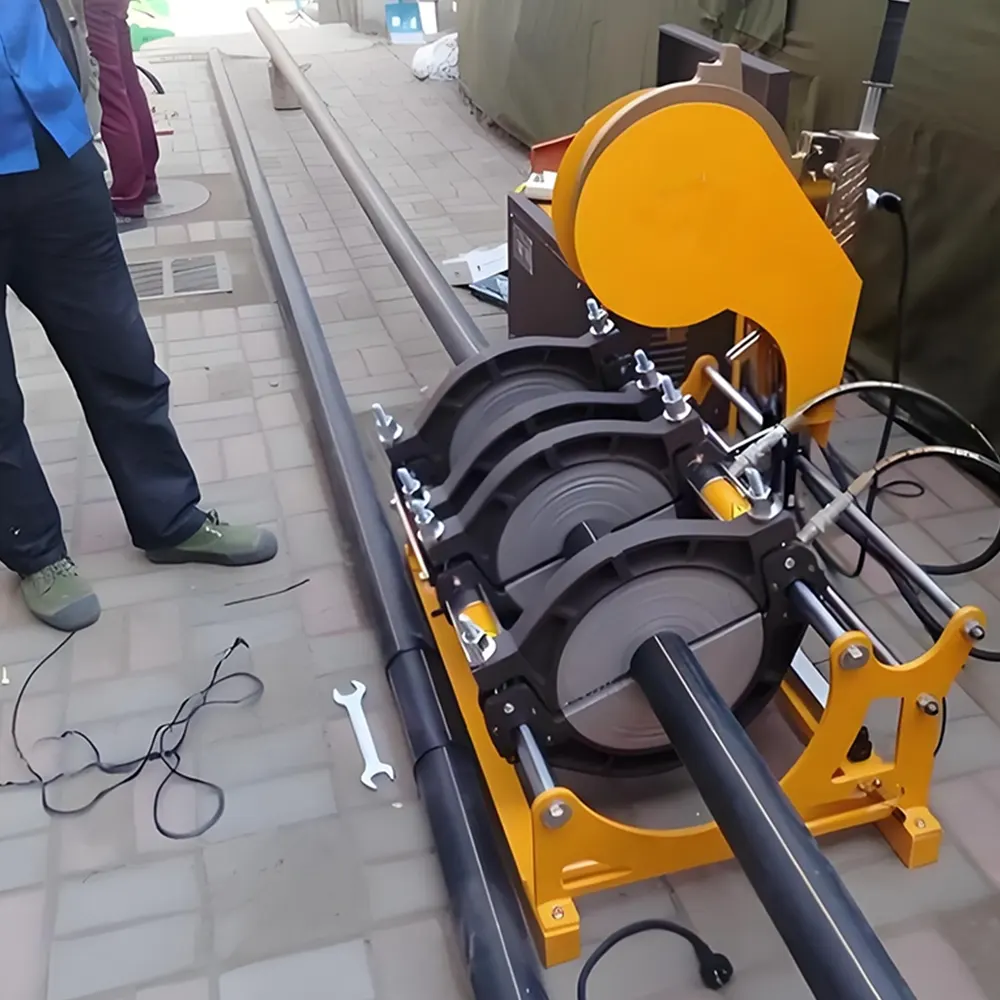
The quality of a weld on high-pressure SDR11 pipe is only as good as the equipment producing it. Regardless of whether you are using a manual, hydraulic, or CNC automatic system, the machine must be rated for the specific wall thickness and diameter range. Key components include:
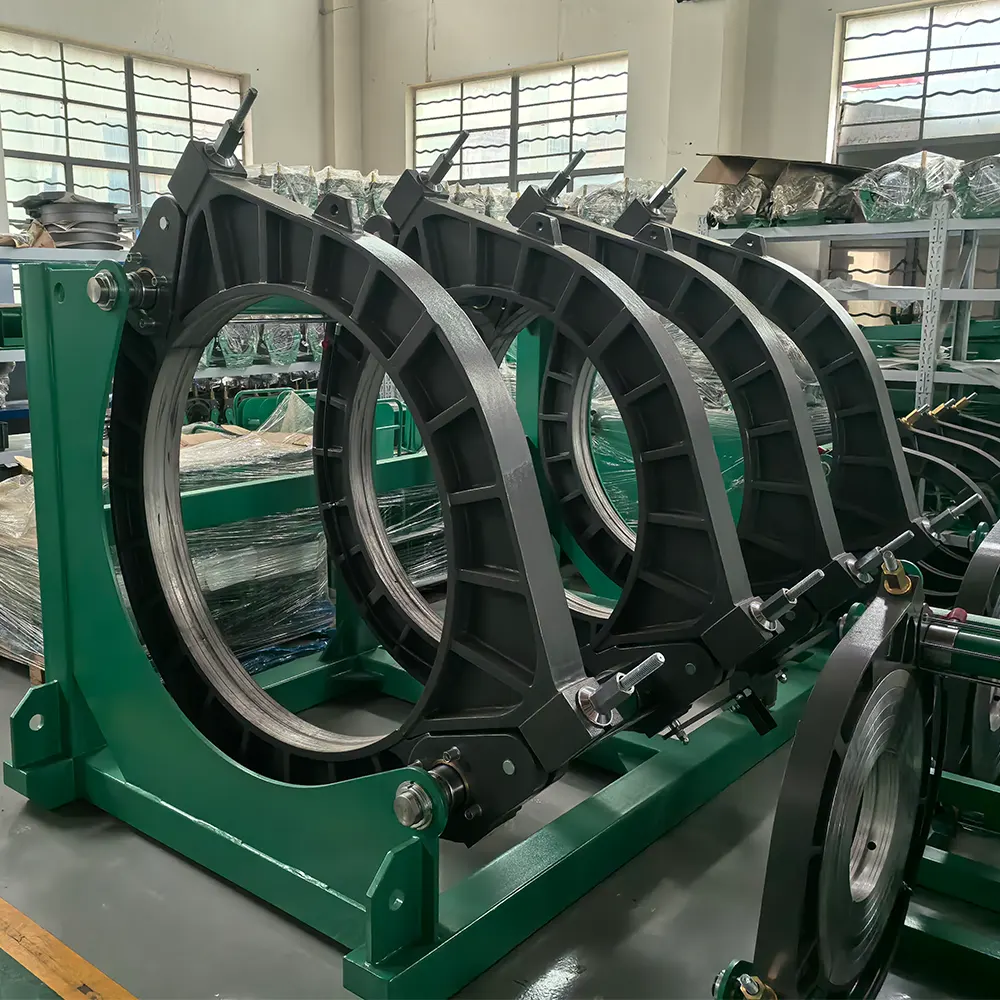
- Rigid Clamping System: Must secure the pipes absolutely firmly without causing deformation to the thick SDR11 walls.
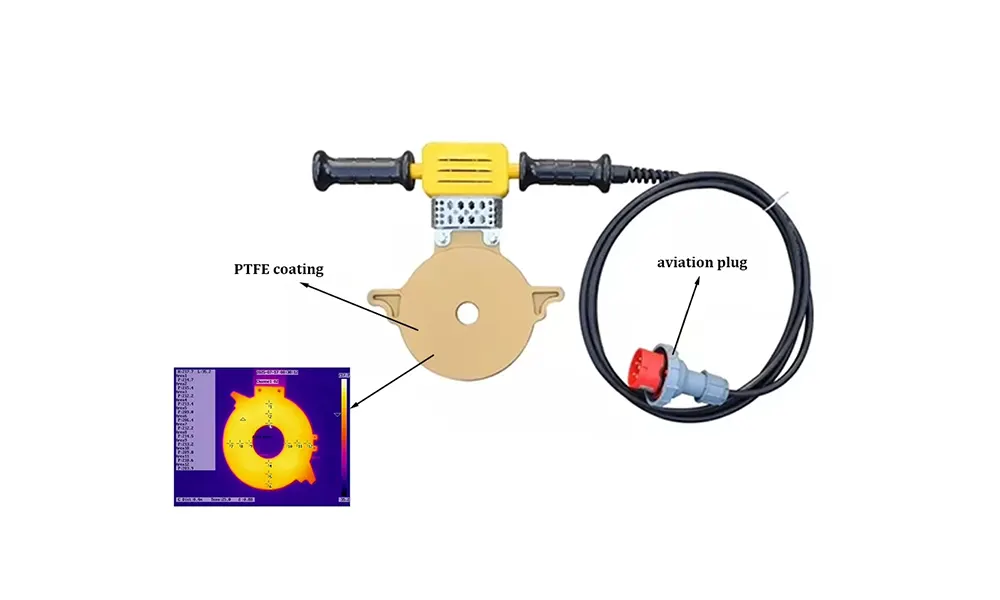
- Non-Stick Heater Plate: The temperature uniformity of the heater is non-negotiable. The surface must maintain a constant temperature (usually between 200°C and 230°C) across the entire face to prevent cold spots on the thick pipe ends.
- Hydraulic Power Unit: Essential for moving and applying force to heavy SDR11 pipe systems, ensuring the correct interfacial pressure.
- Rotary Trimmer: Must be sharp and perfectly aligned to square the pipe ends without contaminating the polyethylene surface.
Step-by-Step Best Practices for Butt Fusion of SDR11 Pipe
Adhering to the specific parameters for the material grade (PE100 or PE4710) and SDR11 thickness is vital. You can reference the PPI butt fusion procedure for a detailed generic workflow. Here is a summary of the critical stages:
Step 1: Surface Preparation and Alignment
Clean the inside and outside of the pipe ends thoroughly. Inspect for deep scratches or contamination. Clamp the sections into the machine, ensuring a high-low mismatch of no more than 10% of the wall thickness. For HDPE pipe welding SDR11, precise alignment prevents a stepped joint which creates a stress concentration point.
Step 2: Facing the Pipe Ends
Engage the trimmer and face the pipes simultaneously until clean, continuous shavings peel from both ends. Do not touch the faced surfaces; even oil from human skin can cause a defective weld. Inspect the faces quickly to ensure they are uniform and complete.
Step 3: Heat Soak and Removal
Drag pressure is established first, followed by the application of the heating plate at the specified heater temperature. The bead width against the plate must be monitored. For the thicker SDR11 profile, the soak time is critical—it must be sufficient to create a molten layer deep enough without overheating the surface.
Step 4: Pipe Fusion and Cooling
Remove the heater plate swiftly and smoothly, then immediately close the pipe ends at the specified fusion pressure. The resulting double melt bead must be uniform in size around the full circumference. The pipe must remain clamped and completely immobilized during the entire cooling cycle under pressure. Premature removal from the clamps is a leading cause of joint failure in SDR11 pressurized systems.
| Welding Parameter | Relevance to SDR11 | Consequence of Error |
|---|---|---|
| Heater Surface Temperature | Requires longer heat transfer to penetrate the thicker wall without excessive surface degradation. | Cold brittleness or thermal oxidation of the polymer. |
| Interfacial Fusion Pressure | Must be precisely calculated based on the larger contact area of the thick SDR11 wall. | Insufficient mixing of the melt or complete displacement of the heated zone. |
| Cooling Time | Massive heat sink requires significantly longer time to solidify under pressure to prevent shrinkage voids. | Joint separation or high internal stress cracking. |
| Clamp Alignment | Thicker walls exacerbate the angular deflection if clamps are not rigid. | Angular misalignment can severely reduce burst pressure rating. |
Quality Assurance and Inspection for High-Pressure Lines
Visual inspection is the first line of defense. A proper HDPE pipe welding SDR11 joint should have a symmetrical, rounded double bead that is uniform in size. Any sign of notches, porous sections, or flat beads indicates a problem. For critical gas or water mains, ASTM F2620 heat fusion standards mandate rigorous documentation of these parameters. Many contractors are now moving toward CNC automatic butt fusion machines which digitally log every second of the heating, welding, and cooling cycle to ensure traceability and eliminate human error on these high-value SDR11 installations.
Selecting the Right Machine Supplier for Your SDR11 Project
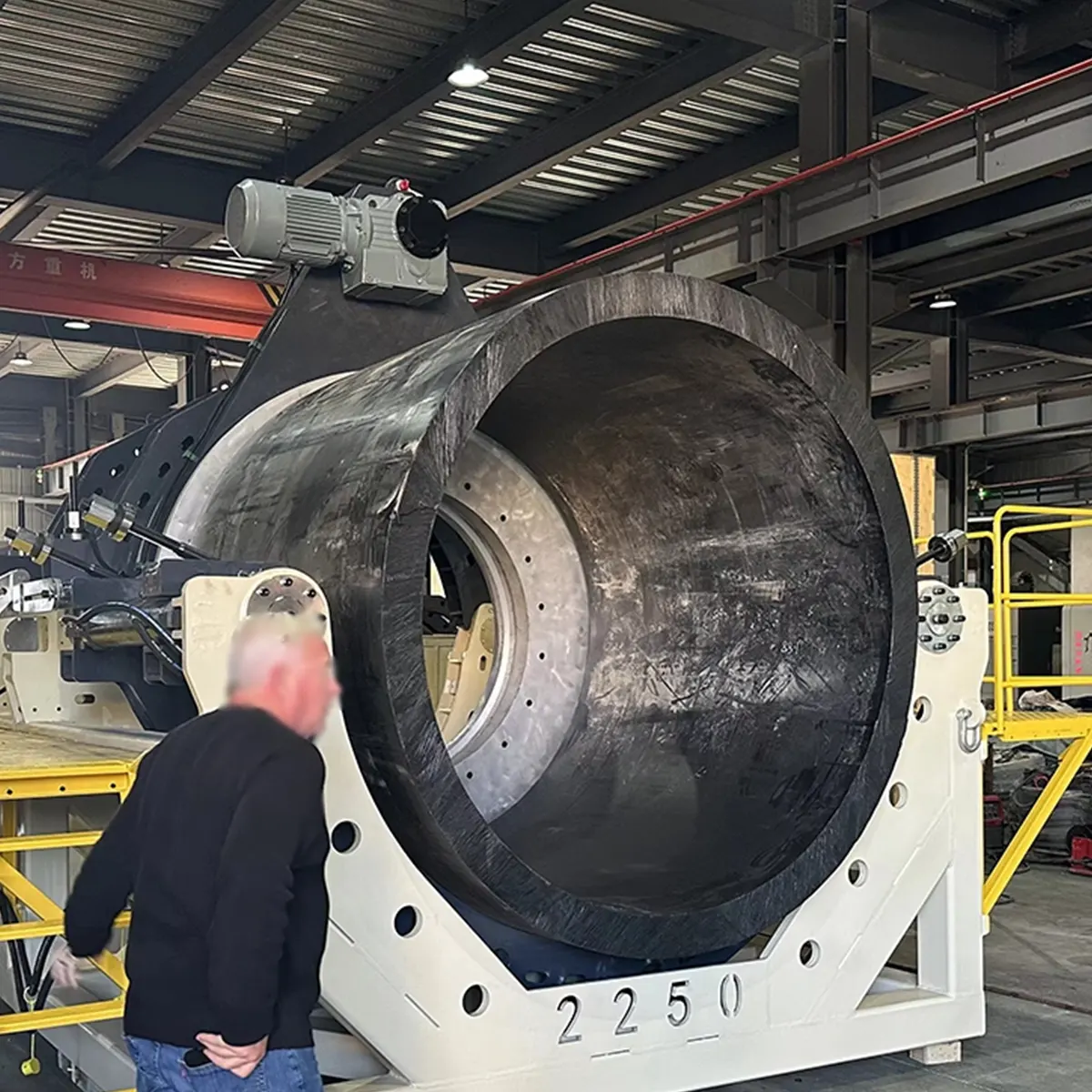
Success in polyethylene pipeline construction depends heavily on machine reliability. Whether you require a compact manual unit for small-diameter SDR11 service lines or a large hydraulic butt fusion welding machine for transmission mains, the build quality of the clamps, cylinders, and heating plate determines long-term joint performance. Companies like JQ-Fusion focus on delivering robust equipment that maintains strict temperature calibration and hydraulic stability throughout the demanding SDR11 welding cycle. With accurate machinery, certified operators can consistently produce monolithic, leak-proof systems that last for decades without maintenance.