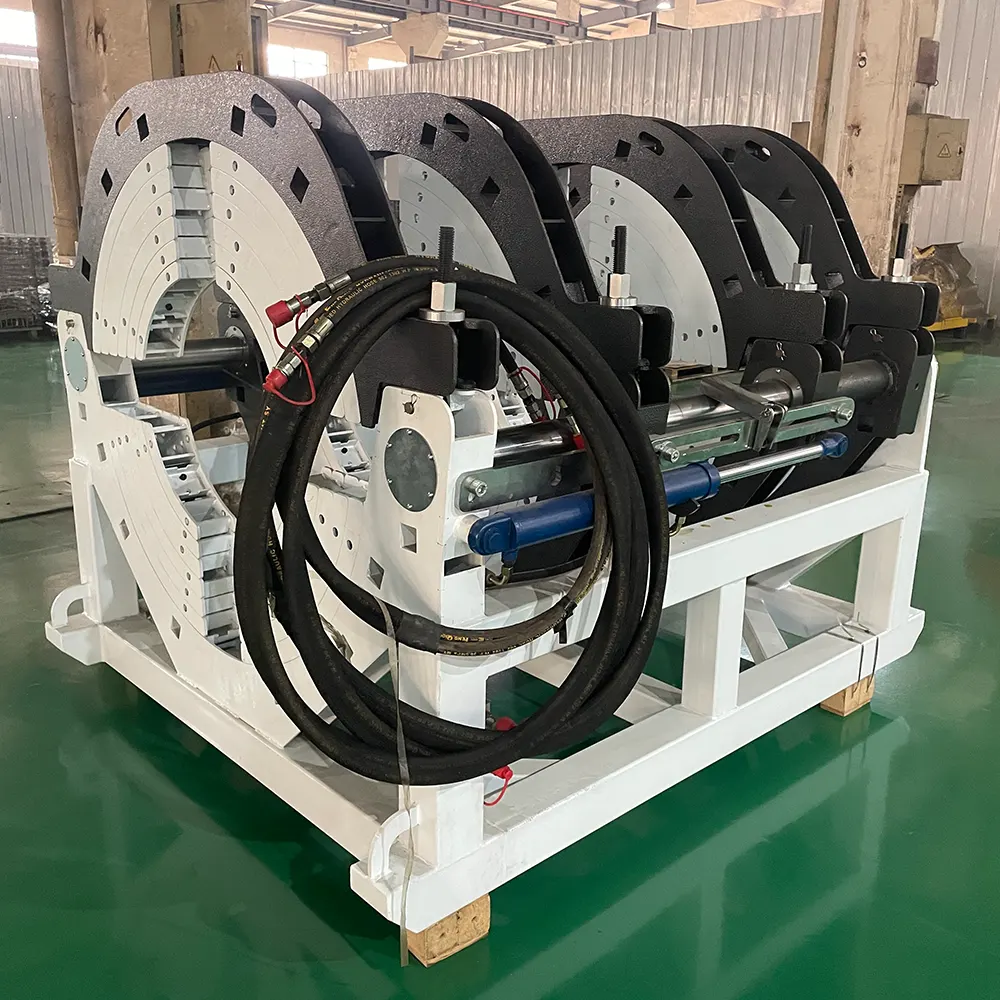
Across industries ranging from municipal water supply to oil and gas distribution, automatic pipeline welding technology has fundamentally transformed how contractors approach polyethylene (PE) pipe joining. The shift from manual operator-dependent processes to precision-controlled, data-driven automation is not just a trend—it’s a structural evolution in pipeline infrastructure. For project managers and engineers tasked with delivering leak-free networks under strict deadlines, understanding this technology is critical. It directly impacts joint integrity, installation speed, and long-term operational costs.
Modern CNC automatic butt fusion welding machines are engineered to eliminate the variability inherent in manual welding. By digitizing the welding cycle, these systems ensure that every single joint meets the parameters defined by international standards. This article breaks down the mechanics, benefits, and real-world applications of this technology, providing a comprehensive resource for professionals evaluating their next equipment investment.
How Automatic Pipeline Welding Technology Works
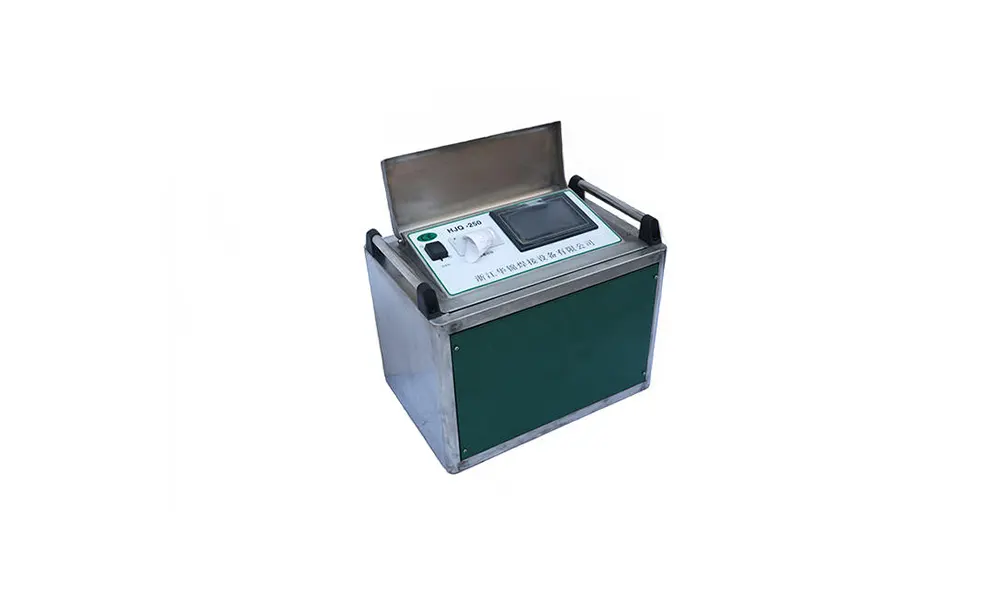
The core principle of butt fusion remains the same: heat the pipe ends to a molten state and fuse them under controlled pressure. Automatic pipeline welding technology elevates this by embedding a computerized control system that monitors and adjusts every phase in real time. Unlike manual or semi-hydraulic systems, automatic machines utilize a central processing unit to govern the heating plate temperature, soak time, and hydraulic pressure with exacting precision. This ensures that the ISO 21307 butt fusion procedures are strictly adhered to without relying on operator memory or skill.
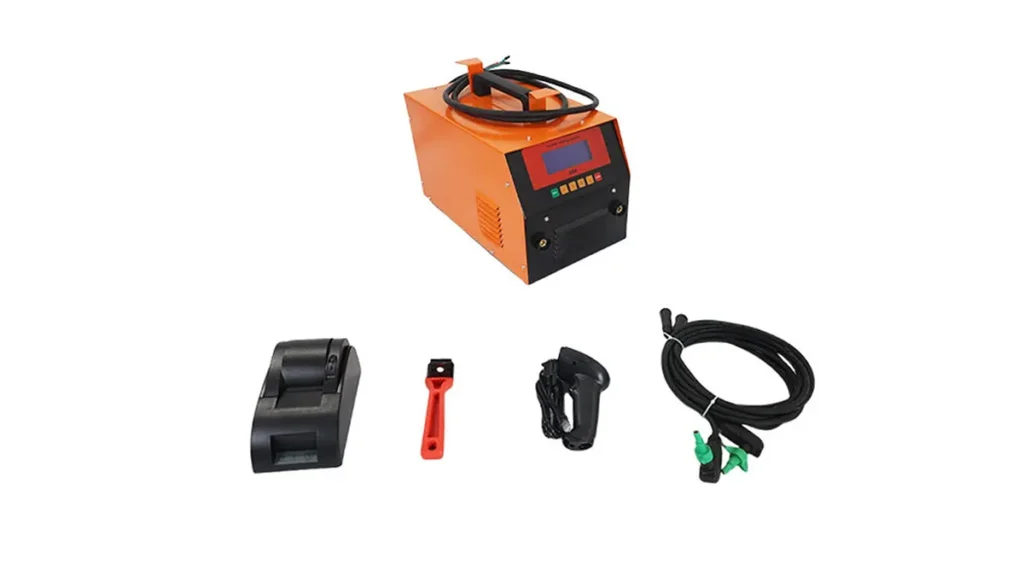
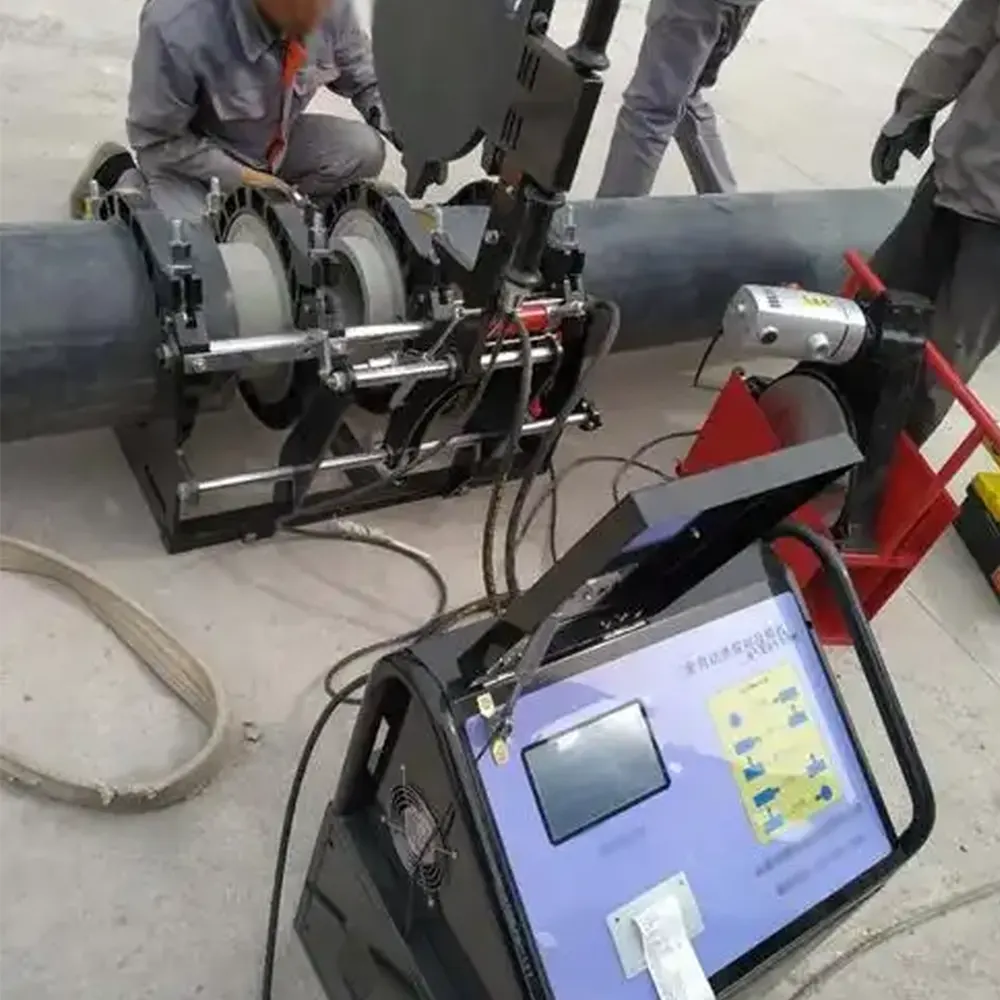
A typical cycle begins with the machine automatically facing the pipe ends using an integrated trimmer. Once the faces are perfectly aligned, the carriage compensates for drag pressure, a step often overlooked in manual setups. The heating plate then fuses the ends at a defined temperature curve. The result is a homogeneous, monolithic joint that is as strong as the pipe itself. Data logging capabilities, a hallmark of this technology, record the welding parameters for every joint, supporting traceability and quality assurance protocols. This functionality aligns with PE fusion traceability requirements, a growing necessity in regulated markets.
Key Benefits of Automated Butt Fusion
Investing in automation offers quantifiable advantages that ripple across project execution and lifetime performance. Here are the primary benefits driving the adoption of automatic pipeline welding technology:
-
Unmatched Joint Consistency: The machine removes human variables. The pressure and temperature curves are identical for every joint, significantly reducing the risk of cold welds or overheating.
-
Enhanced Productivity: Automated parameters allow for faster cycle times on large-diameter pipes. While a manual team might spend hours on a single 630mm joint, an automatic machine optimizes the process, boosting daily output.
-
Integrated Data Logging for Compliance: Modern infrastructure projects frequently demand PDF or USB reports. Automatic machines generate these automatically, providing auditable proof of compliance with the ASTM F2620 heat fusion standard.
-
Reduced Operator Fatigue and Error: The intuitive touch-screen interfaces simplify complex calculations. The operator supervises the process rather than manually driving it, which reduces physical strain and the potential for procedural mistakes.
Applications Across Diverse Sectors
The versatility of automatic machines makes them suitable for a wide range of pressure-critical applications. They are not merely tools for large-scale mega-projects; they deliver value in any environment where joint reliability is non-negotiable.
| Industry Sector | Typical Application | Key Requirement Met by Automation |
|---|---|---|
| Potable Water Supply | Large-diameter trunk mains | Leak-proof joints for buried pipelines |
| Gas Distribution Networks | Service and branch connections | High safety margins and traceable records |
| Mining and Industrial Slurry | Abrasive and chemical transport lines | Consistent inner bead for smooth flow |
| Large-Scale Infrastructure | Outfall pipelines and hydro schemes | Efficient on-site joining of thick-wall pipes |
Comparing Automation to Traditional Methods
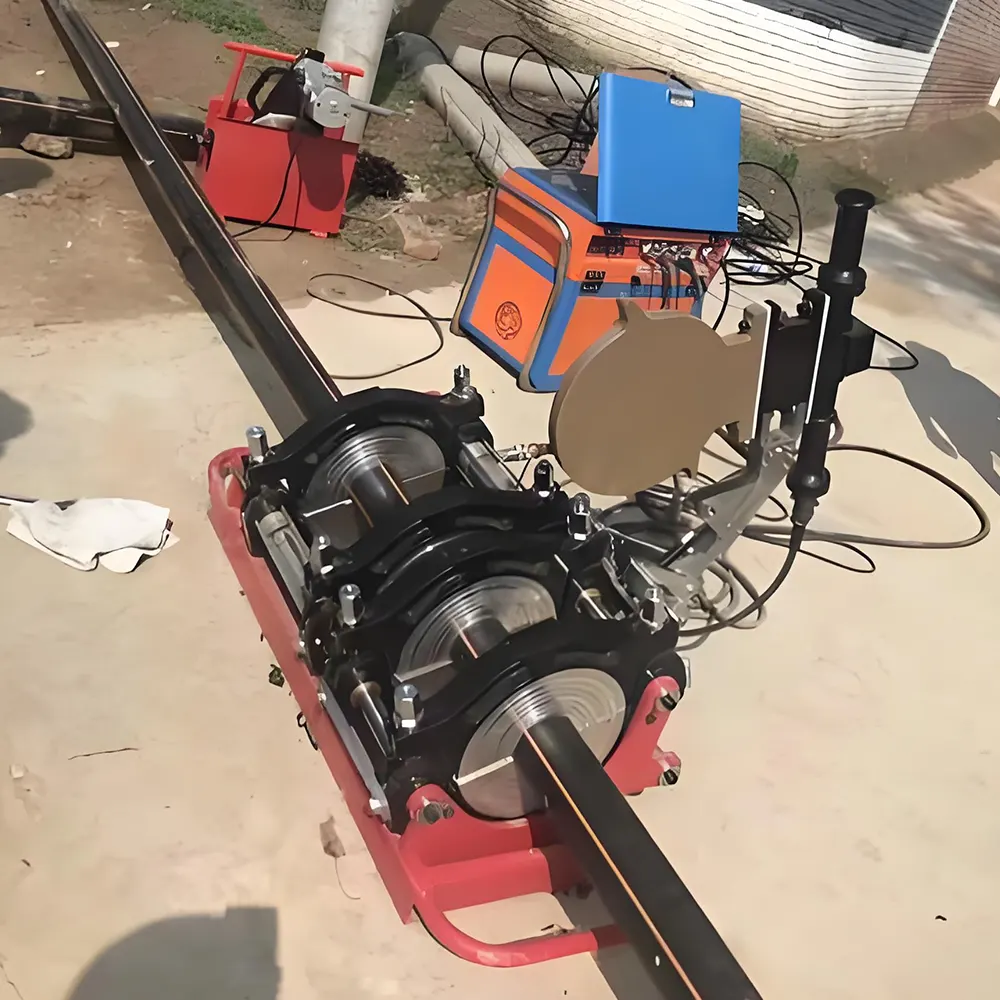
Understanding the practical differences helps contractors choose the correct equipment for their scope of work. While manual and hydraulic systems have their place, CNC automatic machines represent a distinct category for high-accountability projects.
-
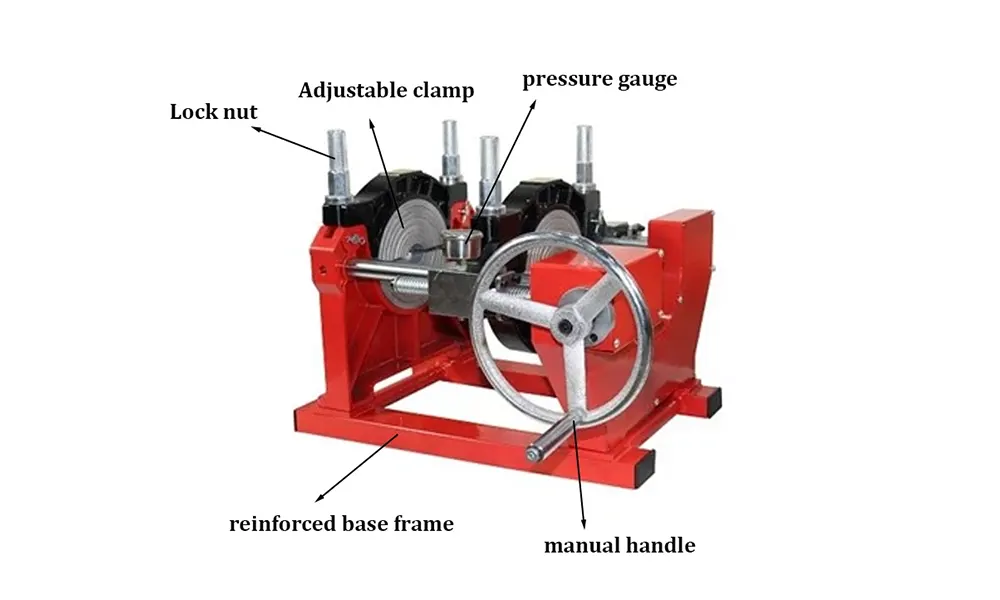
Manual Welding Machines: Highly portable and cost-effective for small diameters (below 200mm), but completely dependent on the welder’s skill, with no data output.
-
Hydraulic Butt Fusion Machines: Excellent for large diameters, providing superior clamping force. However, the operator still controls the assimilation of heating and pressure timing.
-
Automatic Butt Fusion Machines: These combine the force of hydraulics with microprocessor control. They automatically override the operator if he attempts to fuse outside the set parameters, a critical safety feature preferred by engineering consultants who reference the PPI technical guidance.
Selecting the Right Automatic Welding Equipment
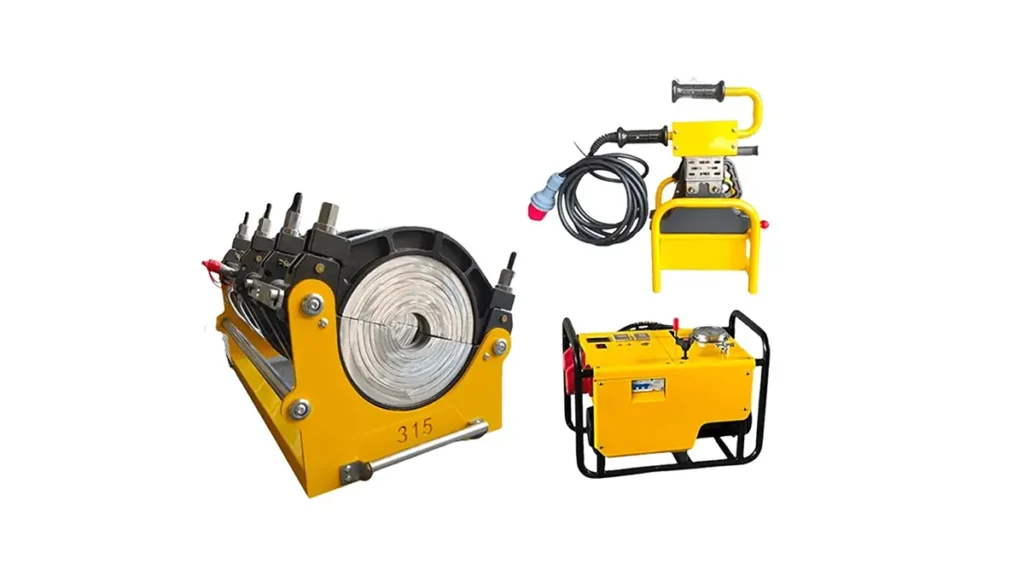
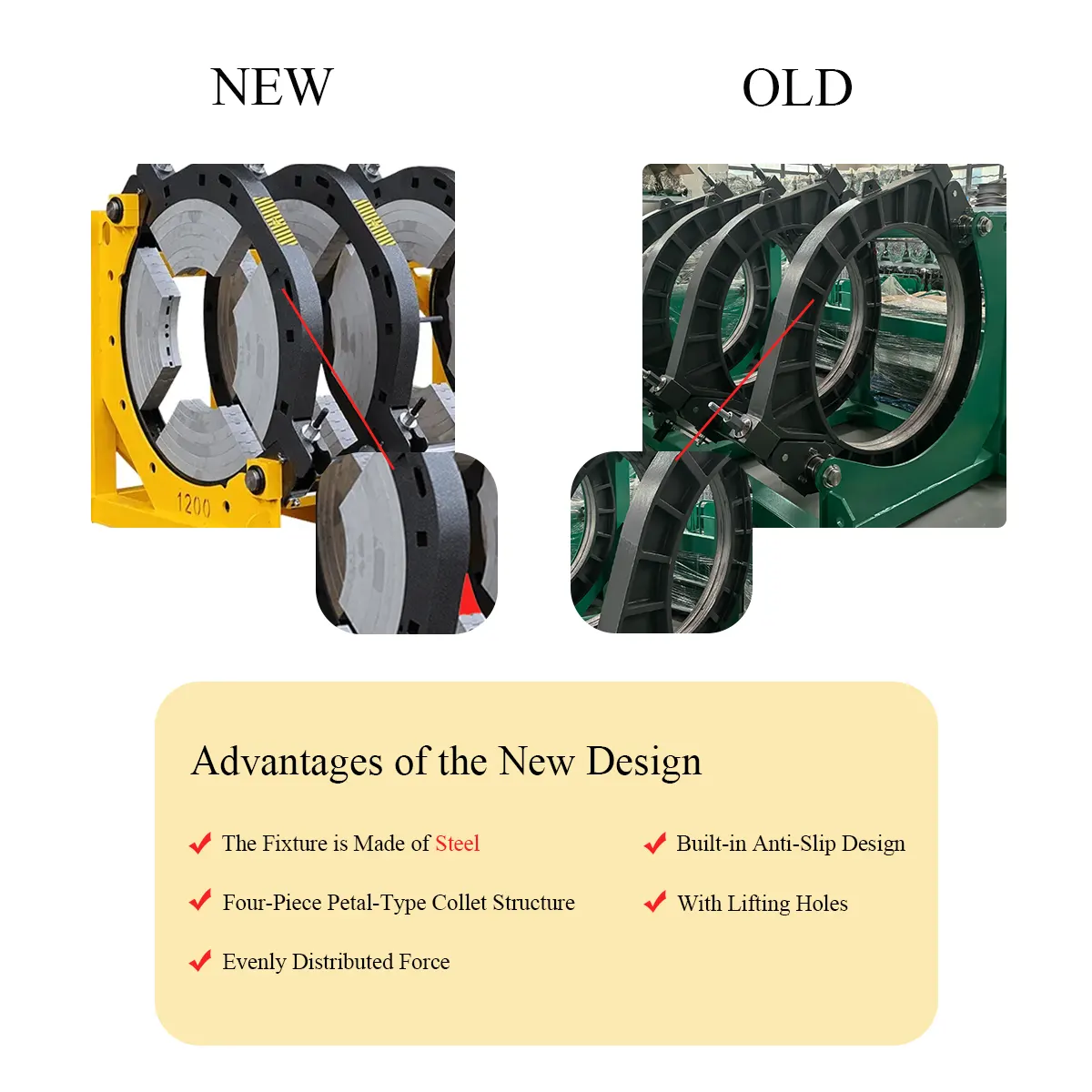
When evaluating automatic pipeline welding technology, look beyond the initial purchase price. Focus on the machine’s rigidity, the quality of the hydraulic station, and the user interface. For instance, machines like the JQA630mm automatic butt fusion welding machine are designed with robust aluminum clamps to ensure perfect alignment, while the advanced heating plate maintains a flat temperature profile across the entire pipe diameter. In projects requiring multi-angle fittings, the JQMA1200 multi-angle pipe fitting welding machine complements the automated workflow by ensuring precise alignment on segmented bends and tees.
Partnering with an experienced butt fusion welding machine manufacturer ensures that you receive comprehensive support, from operator training to on-site commissioning. A well-constructed automatic machine is an investment in project legacy, one that continues to perform reliably under the harshest trench conditions. For those sourcing from specialized providers, JQ-Fusion offers a range of CNC automatic systems supported by extensive spare parts inventory, ensuring that your project never stalls.
Conclusion
As global pipeline standards become more stringent, the role of digital automation in hot-plate welding will only expand. Automatic pipeline welding technology is no longer a luxury reserved for the largest contractors; it is the definitive standard for proving joint integrity in a cost-sensitive industry. The ability to deliver consistent, logged, and verifiable welds translates directly to reduced liability and extended network lifespan. By adopting this technology, the modern pipeline professional signals a commitment to engineering excellence that stands up to scrutiny long after the trench is backfilled.
Ready to discuss the right automatic solution for your upcoming project? Speak with our specialists today to explore the full range of options tailored to your pipe specifications.