
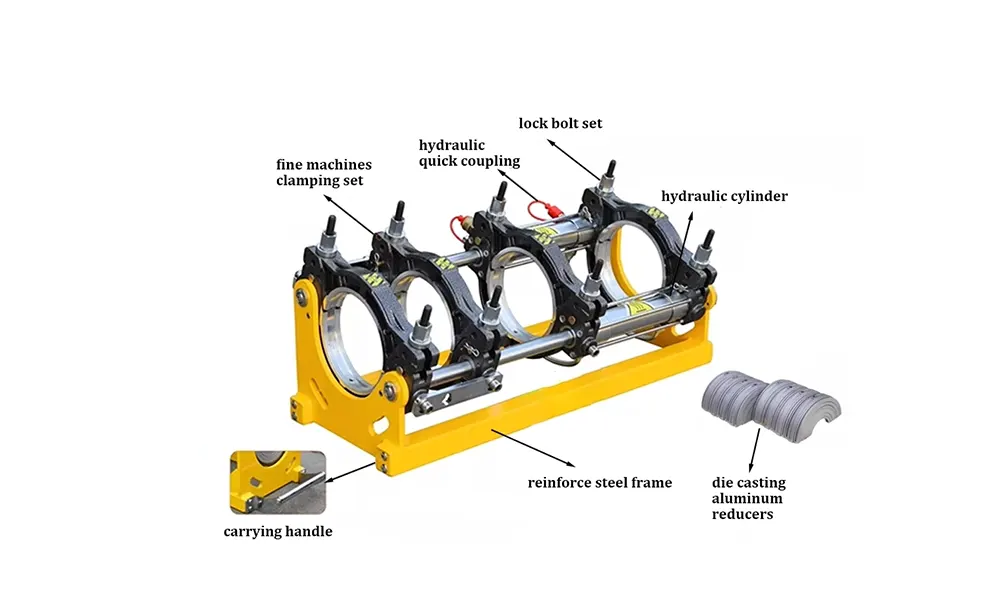
Modern pipeline construction demands not only robust equipment but also verifiable quality assurance. For contractors and utility companies, HDPE welding machine data logging has transitioned from a luxury feature to a critical requirement. By automatically capturing key parameters during the fusion process, these systems provide concrete proof that every joint meets stringent project specifications.
Why Data Logging is Transforming Pipeline Quality
Traditional butt welding relied heavily on operator judgment and manual record-keeping, which left room for human error and undocumented variances. Today, integrated data logging eliminates guesswork. It ensures strict adherence to standards like ISO 21307 butt fusion procedures by creating a digital fingerprint for every weld. This shift minimizes joint failures and extends the lifespan of critical infrastructure, whether for gas distribution or water supply networks.
Essential Parameters Tracked by a Welding Logger
A professional HDPE welding equipment data logger records more than just temperature. The most effective systems monitor the entire cycle to ensure consistency. Here are the critical variables captured during the heating and fusion phases:
- Temperature Profile: Continuous monitoring of the heating plate to maintain tolerance levels.
- Drag and Peak Pressure: Verification of the initial force required to overcome carriage resistance.
- Bead Rollback: Real-time measurement of the melt bead formation for visual and digital validation.
- Soak and Cool Time: Precise timing of each phase to prevent cold welds or thermal degradation.
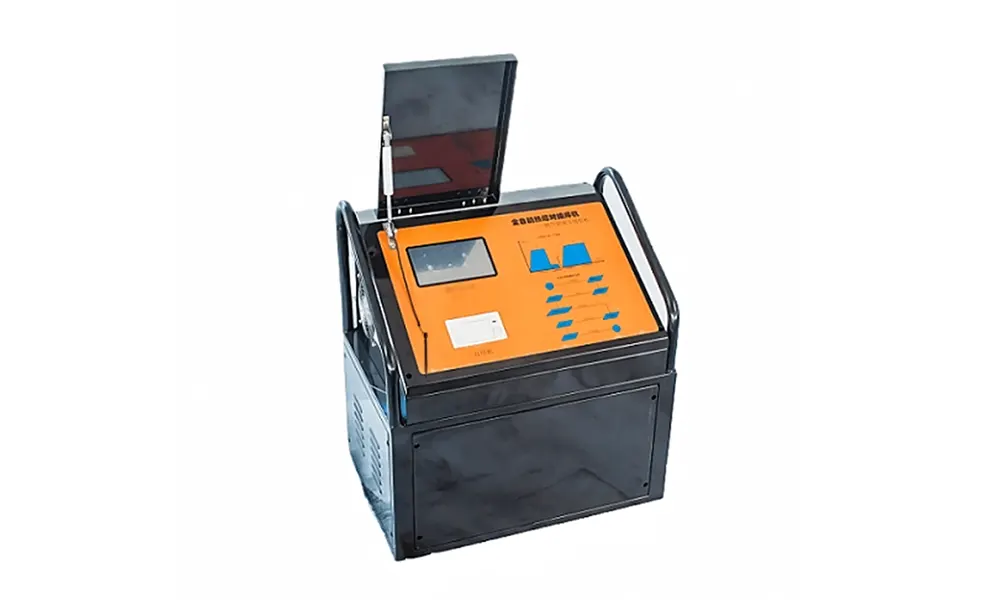
Key Benefits of Automated Record-Keeping
Adopting machine data loggers offers transformative benefits for project management and cost control. By integrating PPI butt fusion procedures directly into the workflow, contractors gain full transparency across the site.
| Benefit | Description |
|---|---|
| Regulatory Compliance | Generate ISO-compliant reports instantly for inspectors and utility auditors. |
| Liability Reduction | Shield your company from litigation by proving welds met or exceeded pressure ratings. |
| Operator Accountability | Review data to identify training gaps and ensure clone tools are used correctly across crews. |
| Remote Troubleshooting | Analyze uploaded logs off-site to diagnose machine faults without delaying work. |
Optimizing Field Workflows
Modern data loggers allow supervisors to upload job files via USB or Bluetooth, transferring specific parameters to the machine’s control box. This prevents the operator from selecting incorrect standards on-site. After the weld is complete, the report is downloaded, providing a complete traceability loop that aligns with PE fusion traceability requirements.
Best Practices for Implementing Data Logging
To maximize the return on your automatic butt fusion welder, it is crucial to establish a robust digital protocol. First, ensure your GPS coordinates and project reference are embedded. Second, regularly calibrate the digital sensors against manual gauges. Furthermore, always back up the raw data; a simple CSV export can save months of re-validation work if a physical file is damaged.
Compatibility with Industry Standards
Not all loggers are equal. Verify that your equipment software meets region-specific algorithms. For the North American market, a machine must facilitate testing compliant with ASTM F2620 heat fusion protocols. European projects often require specific waveform symmetry analysis that only certified CNC control boxes can provide.
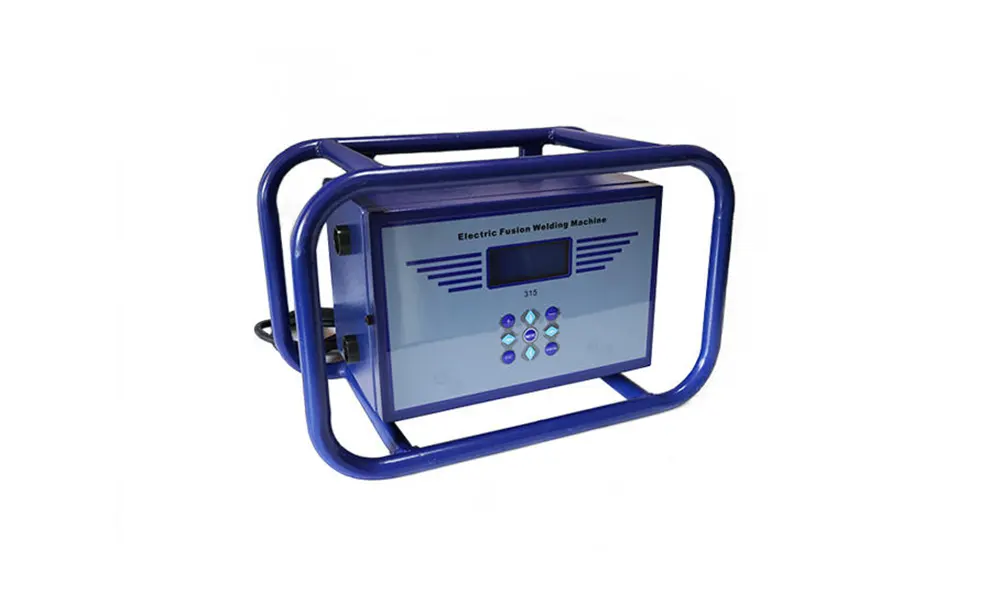
Manual vs. CNC Data Logging Capabilities
While manual setups historically required separate pen plotters or log charts, today’s hydraulic rigs can be retrofitted with digital kits. However, for large-diameter critical mains, fully automated CNC machines are the gold standard. They actively control the hydraulic pressure based on logged feedback, rather than simply recording passive observation.
- Manual/Retrofit Systems: Excellent for budget-conscious projects, offering basic time-stamp and pressure recording.
- Integrated CNC Systems: Offer closed-loop control, automatically adjusting for ambient temperature changes detected by the logger.
Selecting the Right Equipment
When sourcing a fusion machine, look for a user-friendly interface that displays a live graphic of the jointing curve. This visual feedback helps operators short-stop a weld if the bead shape deviates from the ideal profile. JQ-Fusion integrates these advanced logging features into their range of HDPE welding machines, ensuring that contractors can deliver compliant, high-strength joints across mining, industrial, and municipal applications.
Maintaining Data Integrity in Harsh Environments
Job sites are dusty and wet, which poses a risk to electronic storage. Best practices demand machines with sealed, industrial-grade connectors and solid-state memory. If a fusion joint fails a hydrostatic test months later, the integrity of the log file becomes the single most important piece of evidence to trace the root cause—whether it was material batch, machine calibration, or surface preparation.



